

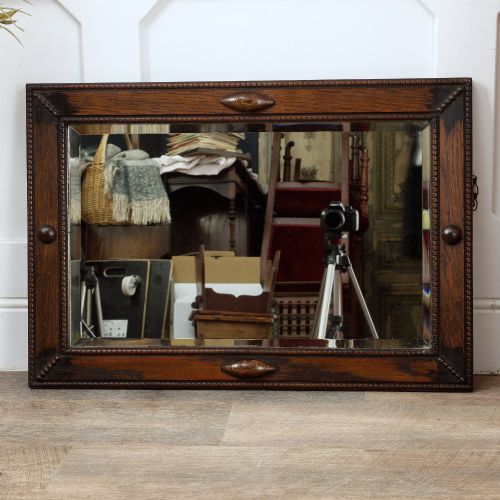
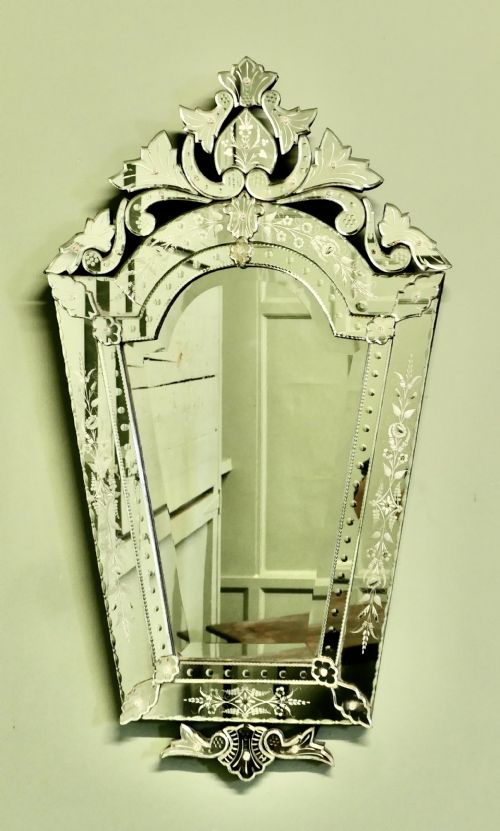
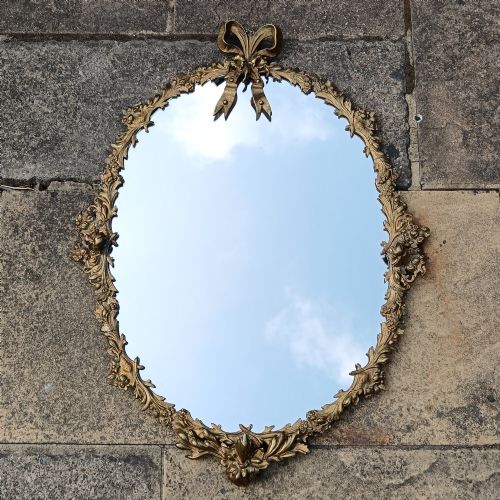
Vintage Decorative Wall Mirror
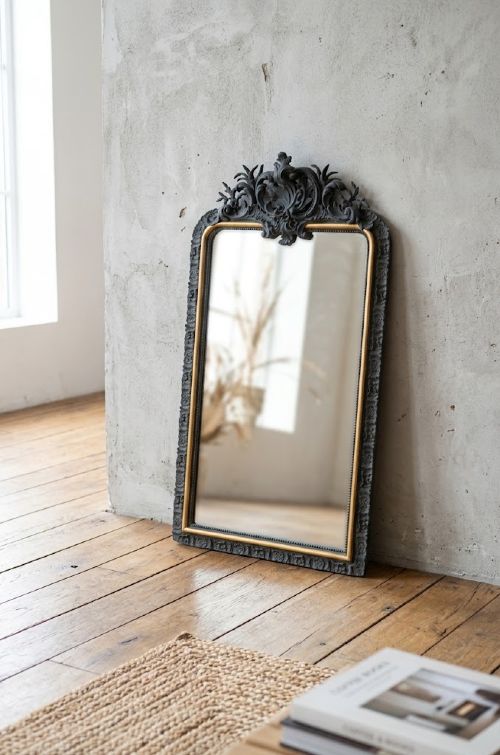
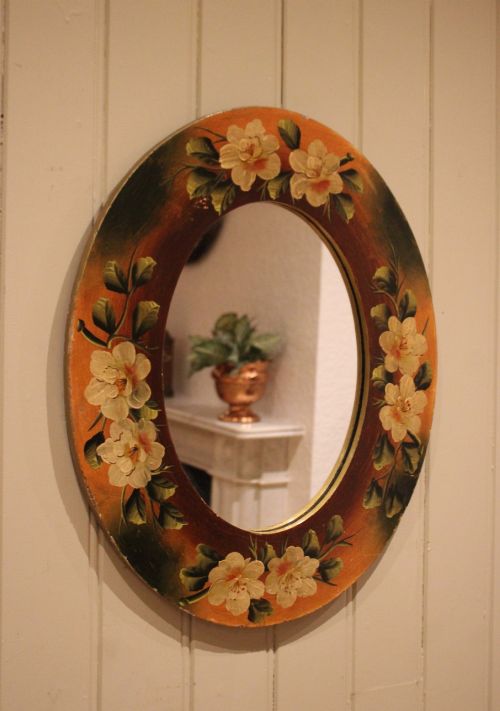
A vintage decorative wall mirror brings depth and historic character to a room, ranging from ornate French giltwood to geometric Art Deco designs.
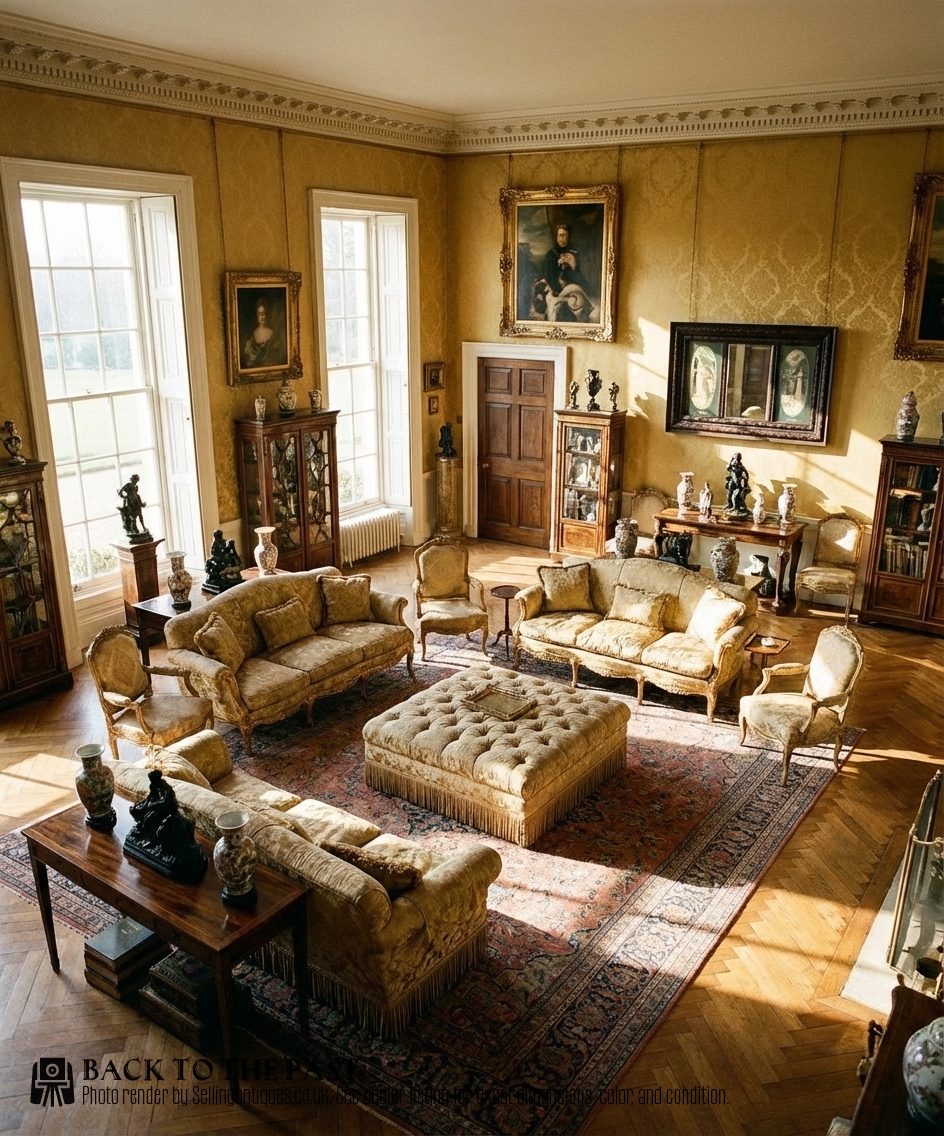
Vintage Decorative Wall Mirror
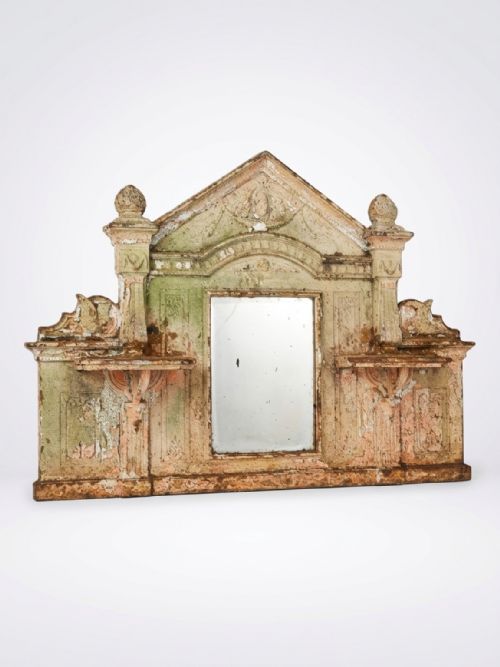
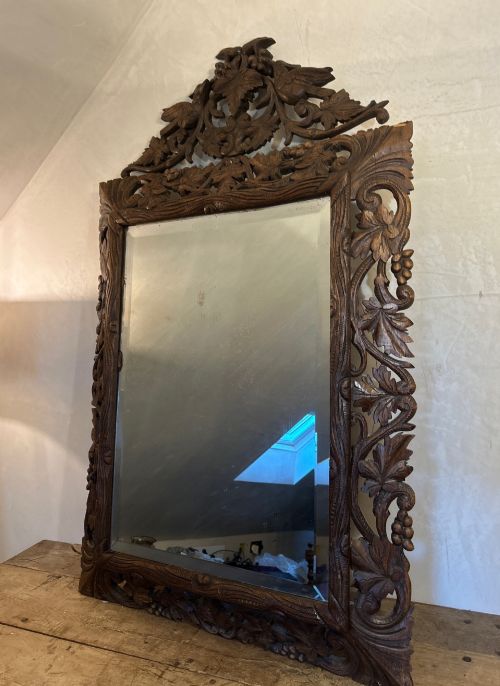
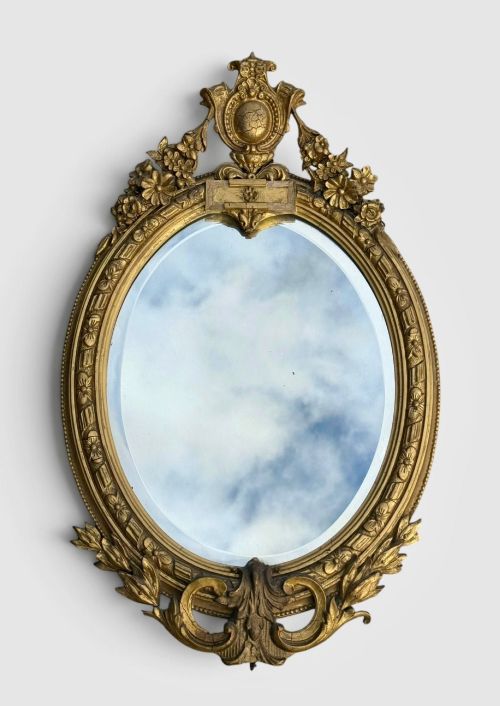
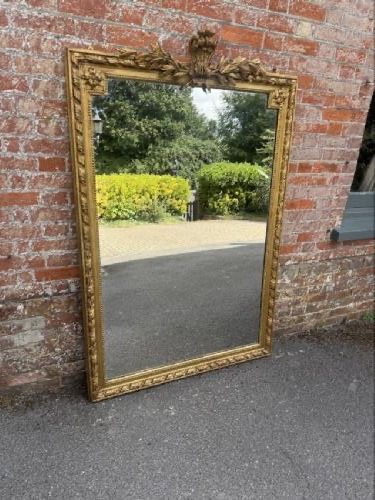
When searching for a vintage decorative wall mirror, collectors encounter an array of wall mirrors, girandoles, and overmantel mirrors spanning the nineteenth and early twentieth centuries. These pieces reflect diverse historical influences, including Victorian, Rococo Revival, and French Chateau styles.
How they were made
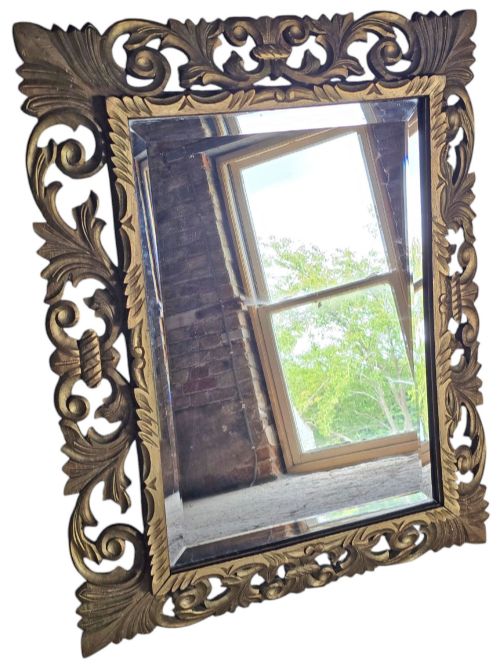
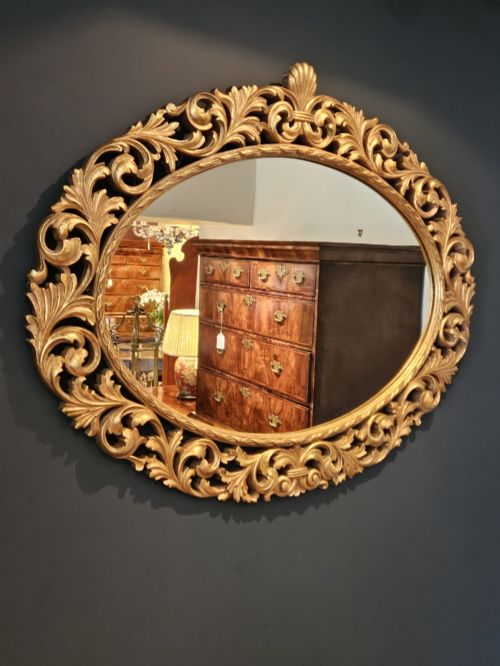
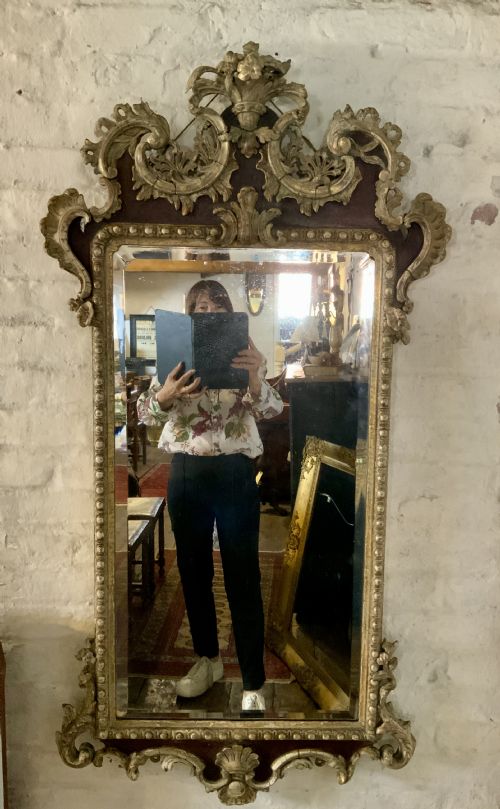
Maker workshops utilised carved wood, gesso, and timber foundations, frequently applying gold leaf, paint, or parcel-gilt finishes to the moulded frames. Giltwood and gesso techniques allowed artisans to build up high-relief floral motifs, scrollwork, and crests.
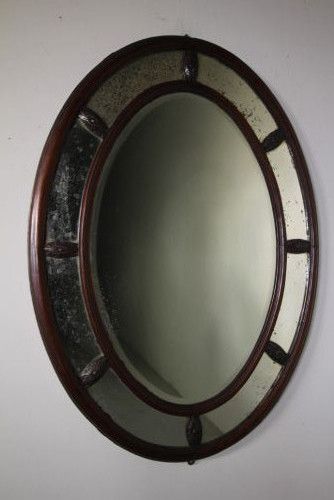
Mirrored glass plates are set within these frames, sometimes featuring engraved details, bevelled edges, or convex forms such as porthole mirrors. Structural materials like oak, mahogany, walnut, and brass provide the sturdy backing for these heavy wall-hanging objects.
Vintage Decorative Wall Mirror Retail Price Guide 2026
Typical asking prices for vintage decorative wall mirror among the pieces listed under this phrase on Sellingantiques today, from the lower quarter to the upper quarter. They describe what is for sale here now, not the wider market.
Listings feature periods spanning the 18th Century through to the Art Deco era, utilising materials like giltwood, gesso, oak, mahogany, and brass.
What varies in quality
Quality separates simple production items from exceptional works through the depth and crispness of the hand-carved ornament on the timber or gesso frame. Superior examples display intricate detailing in the floral and scroll elements without losing definition beneath layers of gilding.
The integrity of the original glass plate and the weight of the underlying timber structure distinguish finer items. Pieces retaining their early gilt surfaces and period glass plates hold greater authenticity than those with extensive later interventions.
The Vintage Decorative Wall Mirror Glossary
- Giltwood
- Timber that has been coated with gold leaf or a gold-coloured metallic finish. This technique creates a luminous, reflective surface popular in formal nineteenth-century interiors.
- Gesso
- A plaster-like mixture applied to wood frames before gilding or painting. It provides a smooth base that artisans can easily carve into intricate relief patterns.
- Girandole
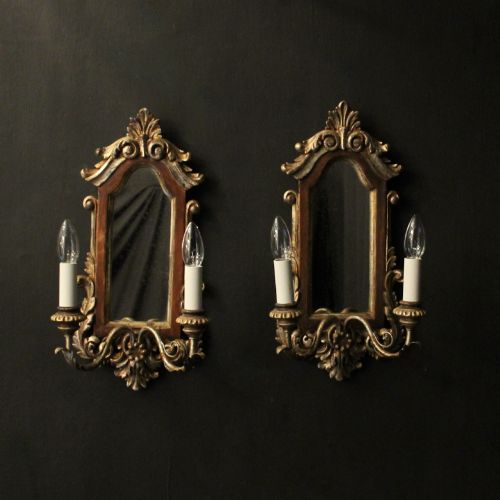
- A decorative wall mirror featuring attached candle sconces or arms branching from the frame. These fixtures reflect candlelight to brighten period rooms.
- Overmantel Mirror
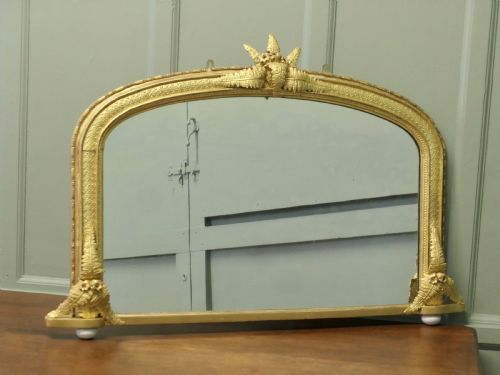
- A large mirror designed to hang specifically above a fireplace mantelpiece. They often feature elongated horizontal or arched formats to fill the chimney breast.
- Parcel-gilt
- Woodwork partially decorated with gold leaf while other areas reveal painted or polished wood. This creates a contrasting two-tone visual effect.
Vintage Decorative Wall Mirror: Frequently Asked Questions
How do I hang a heavy mirror safely?
Heavy antique mirrors require robust fixings attached directly into structural wall studs or masonry rather than standard plasterboard hooks. Ensuring the hanging wire or integrated brackets match the substantial weight of timber and glass frames prevents accidental slips.
Professional mirror installers use weight-rated mirror plates screwed securely into the frame backing. This distributes the load evenly across the wall surface.
What is an overmantel mirror?
An overmantel mirror is a large wall mirror traditionally scaled to sit above a fireplace opening. These pieces often feature arched tops or wide horizontal formats designed to reflect light across the room from a central hearth position.
Victorian and Georgian homes utilised these fixtures to create an illusion of greater architectural space. Today they function equally well on standard walls as statement focal points.
How do I clean antique glass?
Cleaning antique mirror glass requires gentle maintenance using a soft microfibre cloth and mild, non-ammonia cleaning solution. Spraying the liquid onto the cloth rather than directly onto the glass prevents moisture seeping behind the silvering.
Older mirrors often feature delicate silver backing or foxing that can be damaged by harsh chemical cleaners. Careful wiping preserves the historic patina of the reflective surface.
How do I date a frame style?
Dating a mirror frame involves examining the construction materials, joinery techniques, and ornamental vocabulary characteristic of specific periods. For instance, heavy gesso scrollwork often points to Victorian production, while clean geometric lines suggest later Art Deco origins.
Backboards, fixing screws, and the composition of the glass plate provide additional clues regarding age. Comparing these elements against known stylistic markers helps establish the manufacturing era.