

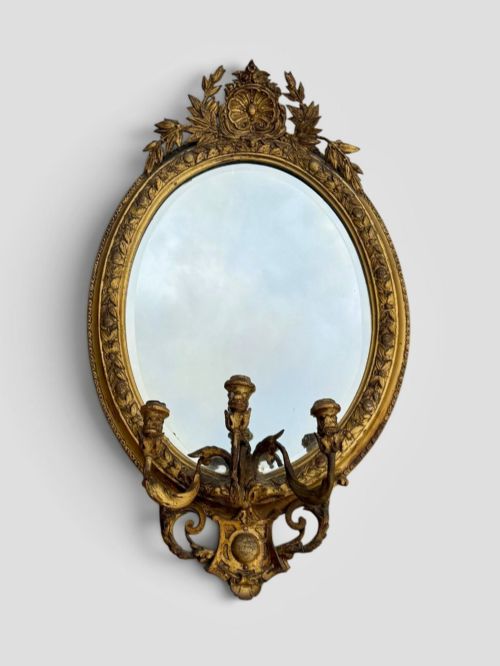
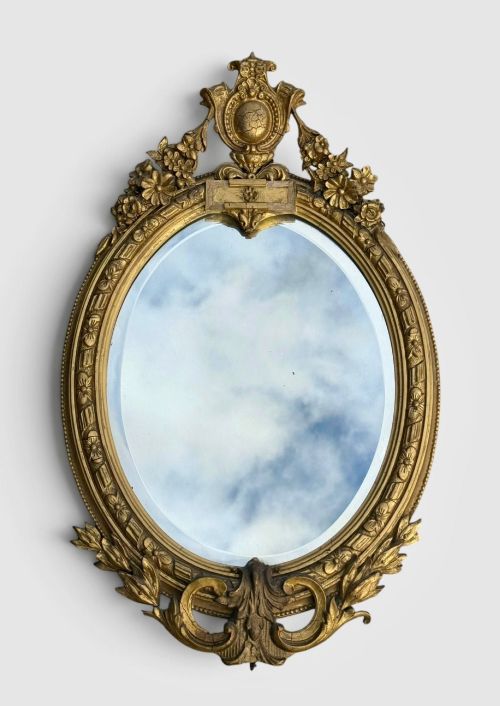
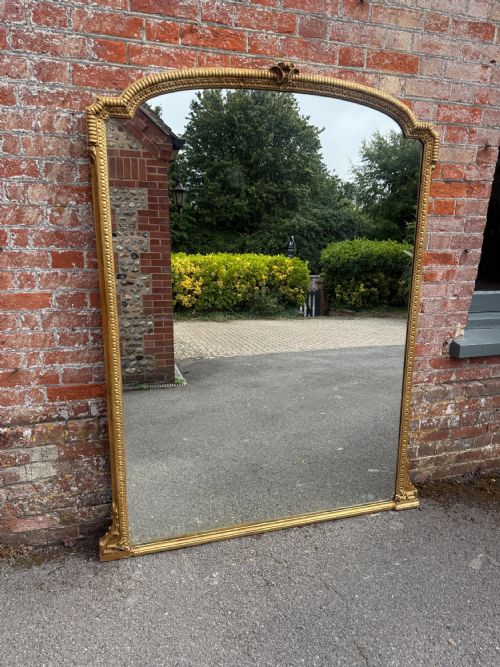
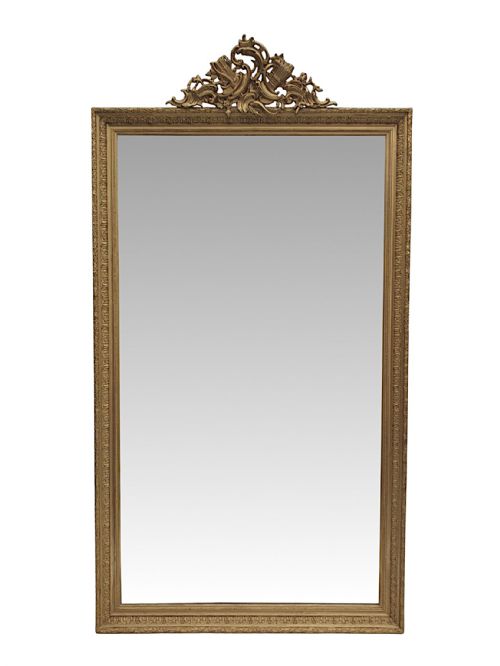

French Gesso Mirror
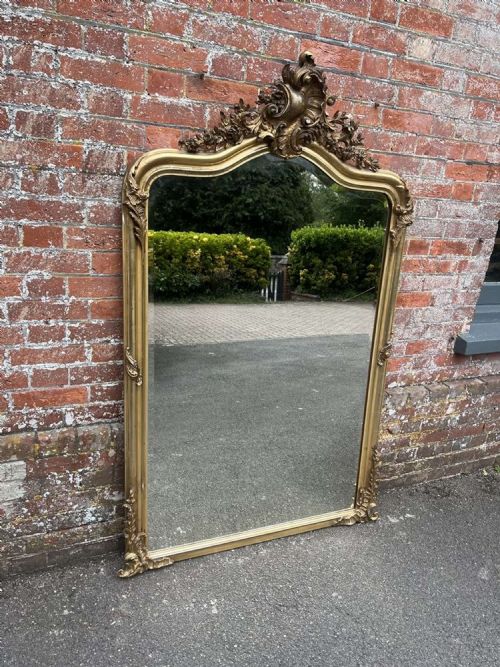
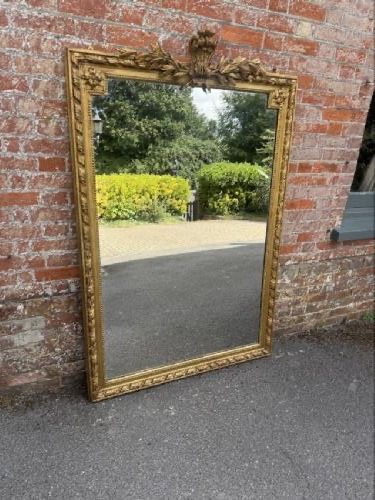
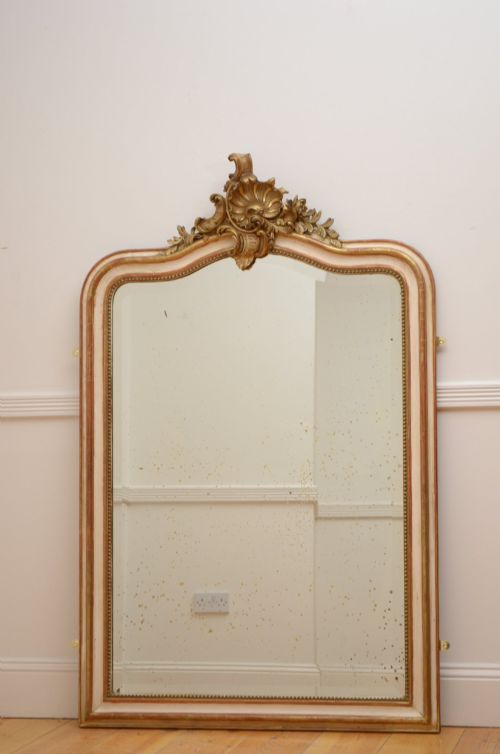
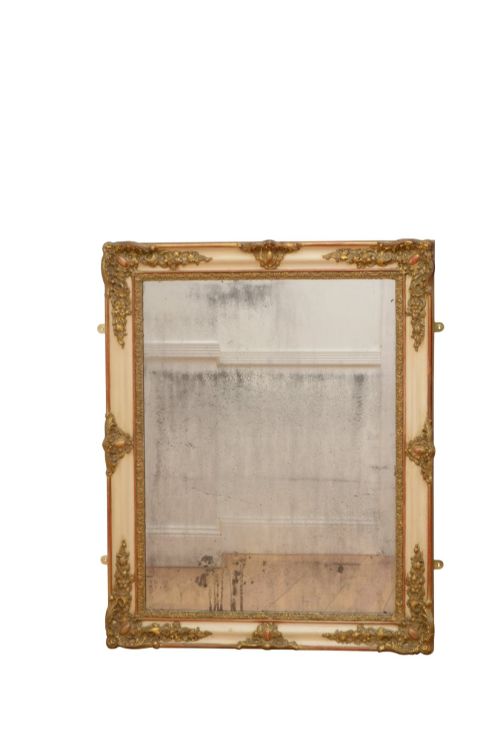
A french gesso mirror delivers commanding reflective presence and ornate decorative relief, transforming a room through period craftsmanship and light.
French Gesso Mirror
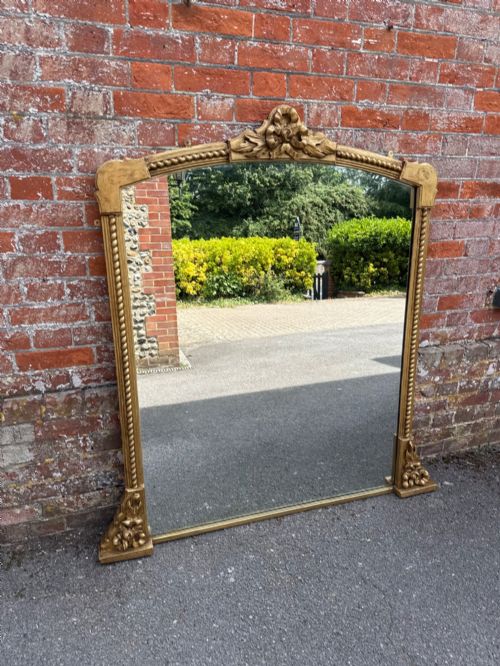
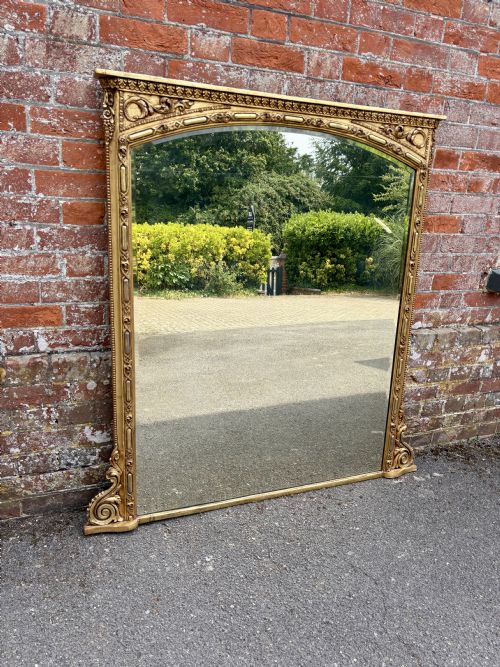
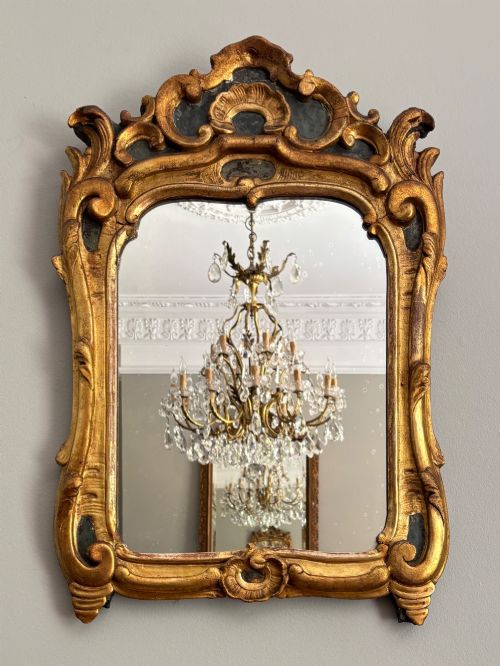
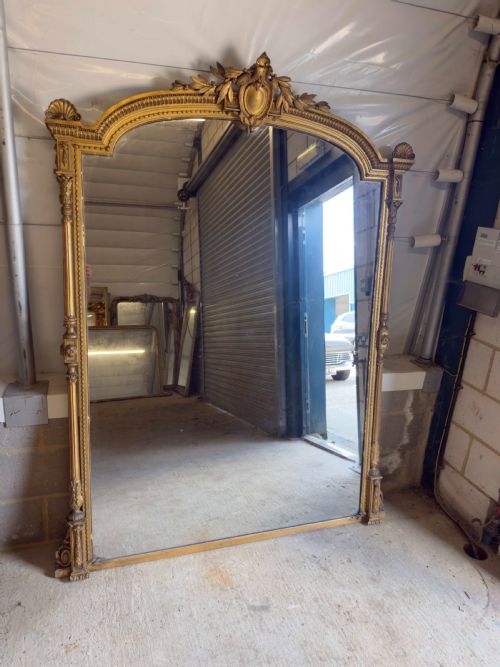
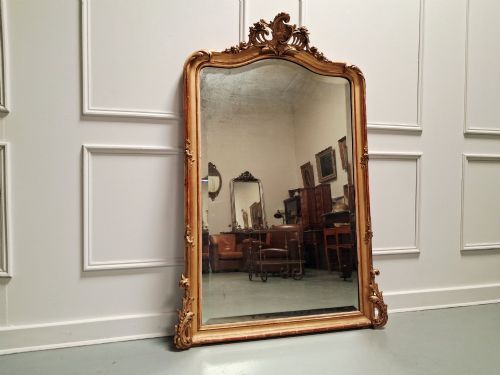
A french gesso mirror bridges architectural decoration and domestic utility, utilising substantial wooden frames built to hold heavy glass plates. When searching for a french gesso mirror, buyers encounter grand overmantels, pier glasses designed for console placement, and refined wall mirrors spanning several centuries of production.
Beyond grand wall-hanging formats, smaller toilet mirrors, table mirrors, and cushion frames appear within the historical record. These variations provide options ranging from imposing mantel centrepieces to intimate dressing table accessories.
How They Were Made
The construction of these pieces relies upon a wooden carcase, often carved from pine or oak, which serves as the structural foundation for the decorative surface. Artisans then applied multiple layers of gesso - a mixture of chalk and binder - directly onto the carved wood to build up sculptural depth and crisp relief detail.
Once dry and smoothed, the gesso layer received applications of gold leaf, silvered metal, or paint to achieve the final lustrous or distressed finish. Original mercury glass plates frequently feature within the older frames, secured behind the moulded rebate with traditional wooden backing boards.
Listings feature pieces spanning the eighteenth, nineteenth, and early twentieth centuries, constructed in wood, gesso, glass, and gold leaf.
What Varies In Quality
The refinement of the carved wood and gesso ornamentation dictates the primary tier of distinction among examples. Deeply undercut foliage, crisp moulding profiles, and hand-tooled details separate superior workshops from mass-produced commercial alternatives.
The integrity of the original surface finish heavily influences the standing of a piece. Surviving gold leaf or untouched bare gesso retaining its historic patination commands greater appreciation than later repainted or heavily restored surfaces.
The French Gesso Mirror Glossary
- Gesso
- A plaster-like preparation mixture consisting of a binder mixed with chalk, applied to wood to create a smooth surface for gilding or painting. This material captures fine ornamental detail with exceptional precision.
- Giltwood
- Wood that has been covered with a thin layer of gold leaf or gold paint. It provides a rich, reflective metallic sheen across the carved frame.
- Overmantel Mirror
- A large mirror specifically proportioned to hang above a fireplace mantel. These expansive plates were frequently designed with arched tops to match architectural chimney breasts.
- Louis Philippe
- A mid-nineteenth-century French style characterised by restrained classical proportions, gentle rounded upper corners, and subtle beaded or leaf moulding. It balances understated elegance with practical domestic scale.
- Pier Mirror
- A tall, narrow mirror historically positioned on the wall space between two windows, often mounted directly above a matching console table. They maximise natural light within period reception rooms.
- Mercury Glass
- An early type of mirror glass produced by pouring a mercury and tin amalgam behind double-walled blown glass. It creates a characteristically mottled, soft reflection.
French Gesso Mirror: Frequently Asked Questions
How do I hang a heavy antique mirror safely?
Substantial frames require heavy-duty wall fixings anchored directly into structural masonry or studwork rather than plaster alone. Professional mirror hangers utilise weight-rated brackets distributed evenly across the wooden carcase.
Position the piece at a height that complements surrounding furniture proportions while keeping the hanging hardware entirely concealed behind the frame.
What is the difference between an overmantel and a pier mirror?
Overmantel mirrors are traditionally built wide and substantial to anchor the horizontal space above a fireplace opening. They frequently incorporate arched tops or landscape orientations suitable for mantel placement.
Pier mirrors utilise a taller, narrower vertical format designed to occupy specific wall piers between architectural windows, often pairing with narrow console tables.
How do I identify a Louis Philippe frame?
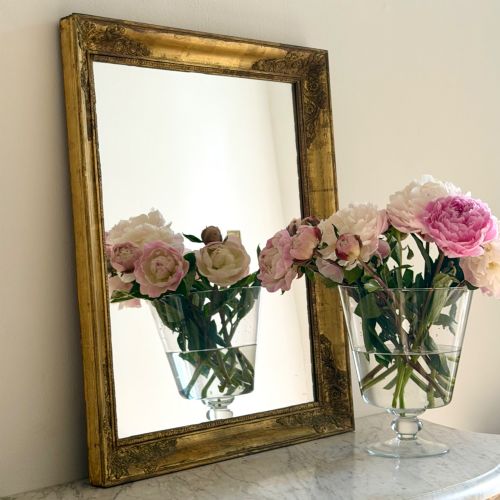
Louis Philippe mirrors are easily recognised by their distinctive arched shoulders that curve inward at the top corners before meeting a smooth horizontal or arched crest. The moulding remains relatively restrained compared to flamboyant Rococo Revival alternatives.
These pieces typically date from the mid-nineteenth century and offer a clean, versatile silhouette suited to both traditional and modern interiors.