


Carved Gesso Frame
A carved gesso frame delivers grand architectural presence and intricate surface detail to an interior, transforming a simple wall into a focal point.
Carved Gesso Frame
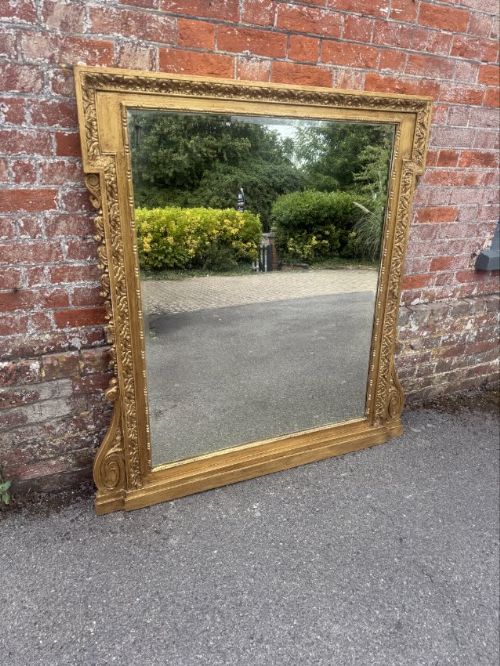
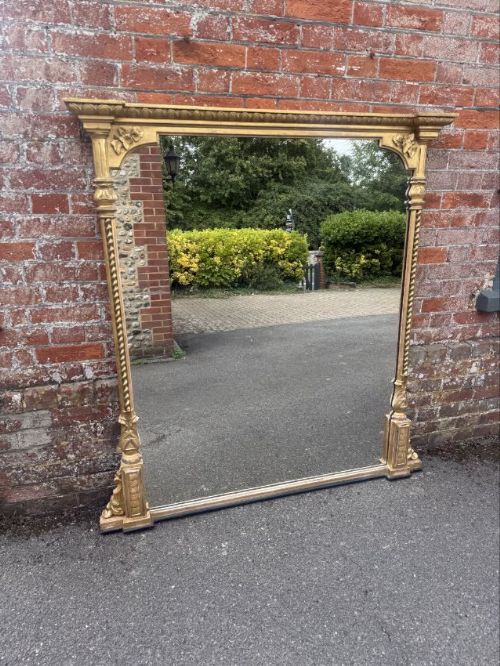
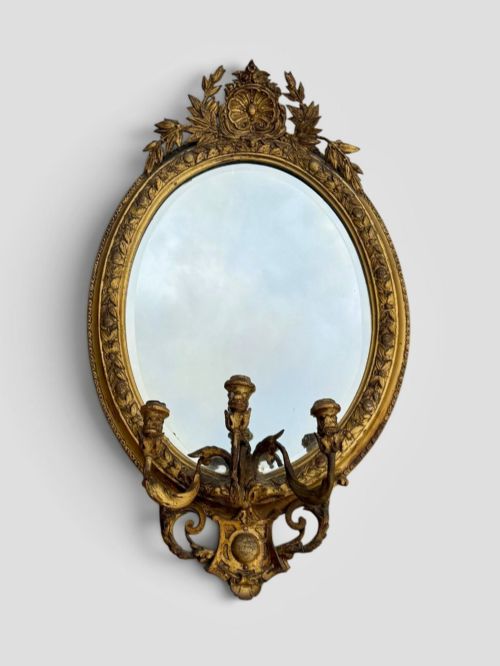
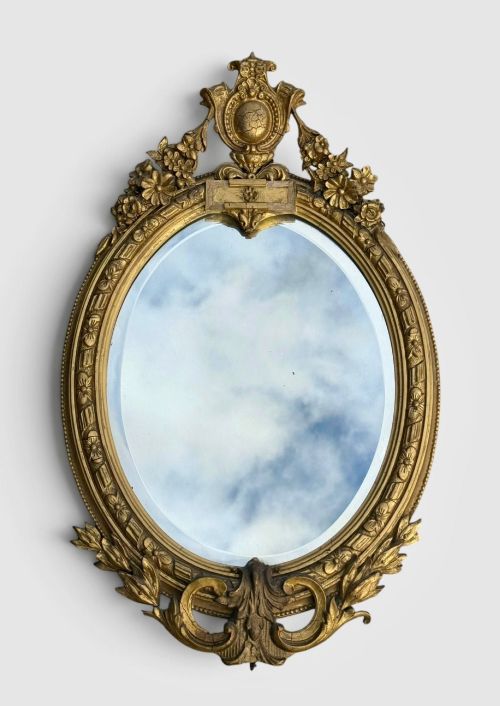
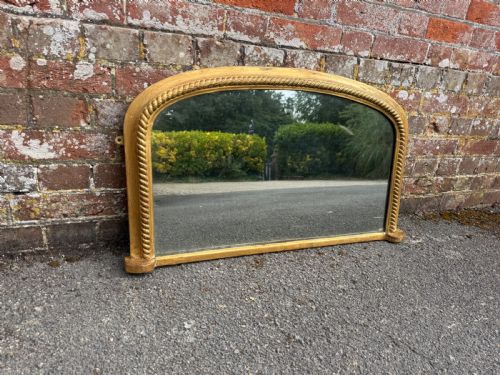
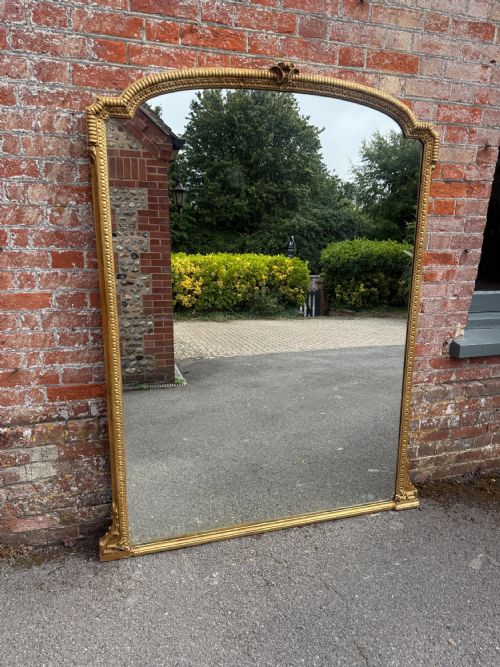
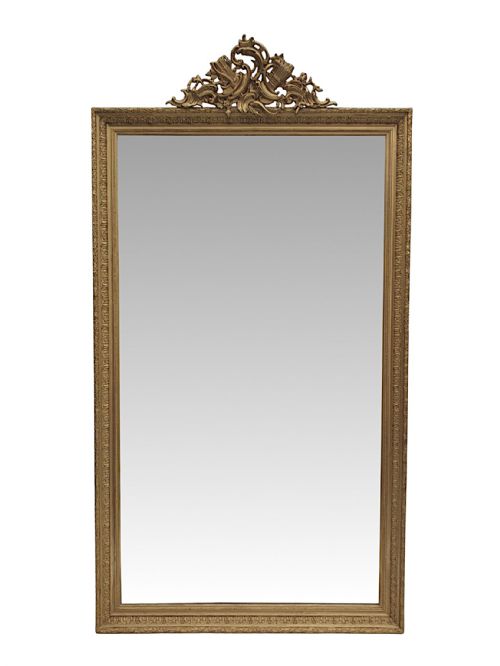
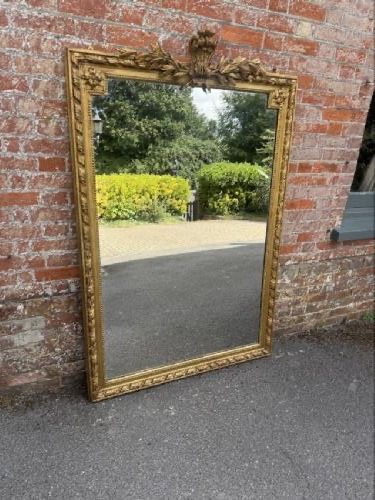
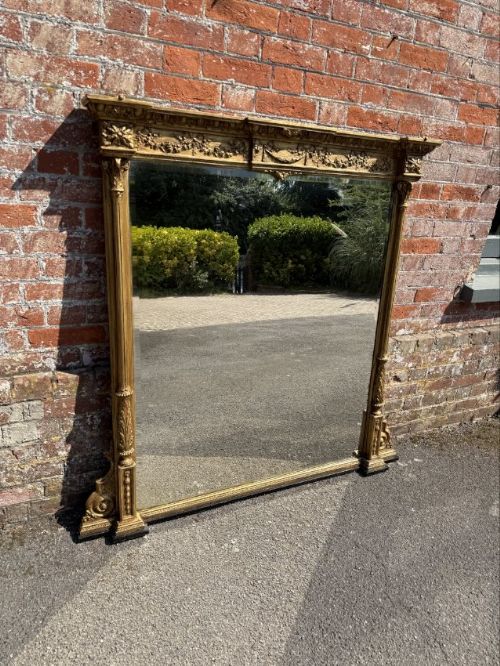
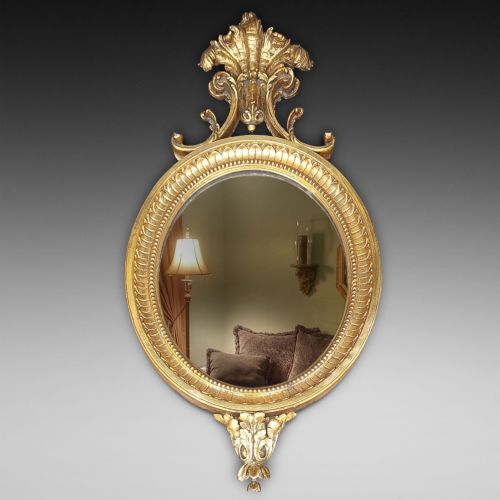
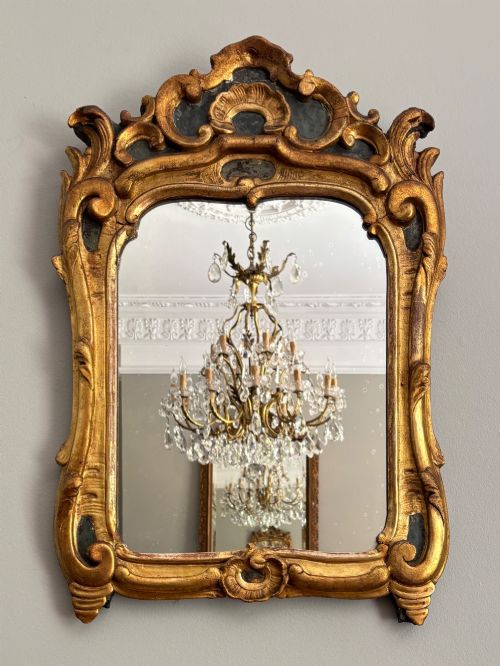
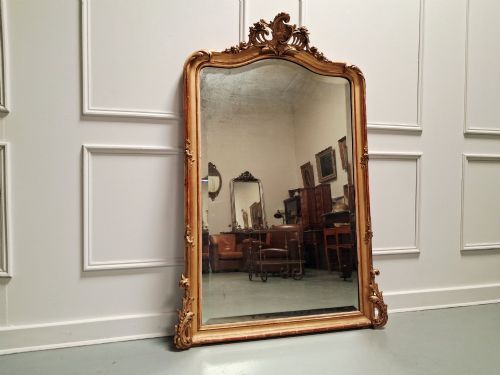
When searching for a carved gesso frame, buyers encounter a wide selection of mirrors and picture frames built on wooden foundations. The majority of pieces on this page originate from the nineteenth century, encompassing English and French overmantel mirrors alongside decorative wall variations.
Common configurations feature arched tops, rope twist borders, and ornate moulded decorations applied over carved wooden structures. These items served traditionally as principal overmantel furnishings above drawing room fireplaces or as expansive pier mirrors positioned between windows.
How they were made
Craftsmen built these objects using a carved wood base coated in gesso, a plaster-like mixture of chalk and binder that accepted deep relief moulding. Artisans then applied layers of gold leaf or silver leaf, alongside painted finishes, to achieve a reflective metallic sheen.
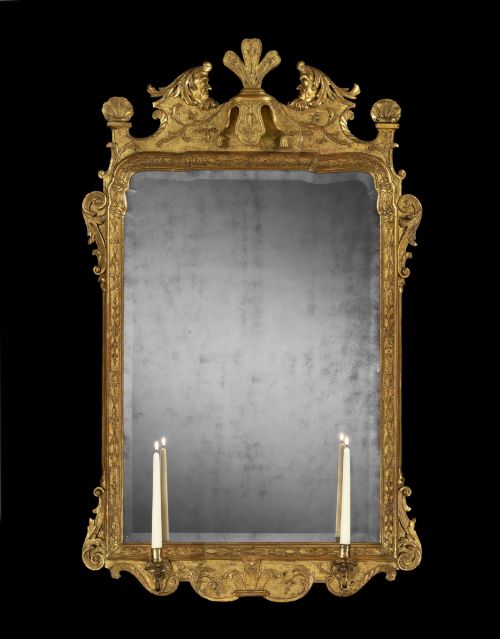
Mirrors frequently incorporated original glass plates, including mercury plate and foxed glass, secured within shaped wooden rebates. Structural joinery and delicate surface ornaments relied entirely on manual dexterity, utilising specialised carving tools and liquid sizing techniques.
Carved Gesso Frame Retail Price Guide 2026
Typical asking prices for carved gesso frame among the pieces listed under this phrase on Sellingantiques today, from the lower quarter to the upper quarter. They describe what is for sale here now, not the wider market.
Materials recorded across the inventory include giltwood, silver leaf, mirror glass, and carved wood combined with gesso.
What varies in quality
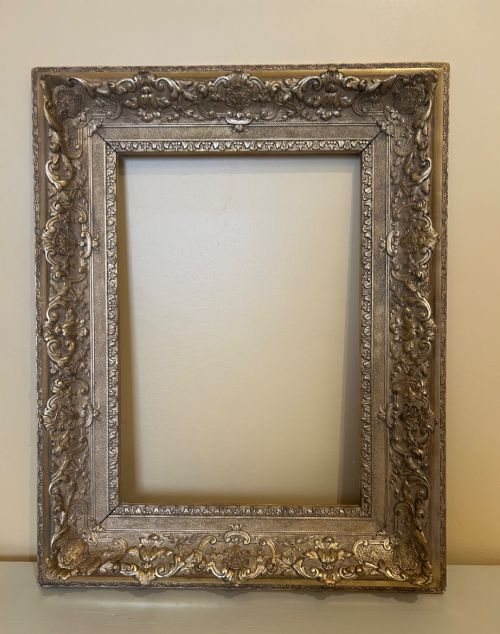
Quality differences emerge in the crispness of the moulded relief and the depth of the underlying wood carving beneath the gesso layer. Superior examples maintain intact surface detailing where delicate floral motifs, rope twists, and columns remain sharp and well-defined.
The integrity of the original gilding and mirror plate also dictates the tier of the piece, with undisturbed gold leaf and authentic aged glass indicating higher craftsmanship. Lesser examples exhibit heavy overpainting or obscured details resulting from multiple restoration cycles.
John Belchier
The Carved Gesso Frame Glossary
- Gesso
- A plaster mixture composed of chalk, gypsum, and glue applied to a wooden base to create a smooth surface for carving and gilding. This compound allowed makers to achieve intricate relief details before applying gold leaf.
- Overmantel Mirror
- A large horizontal mirror designed specifically to hang on the wall directly above a fireplace mantelpiece. These pieces frequently feature arched tops and substantial proportions.
- Giltwood
- Wood that has been coated with a thin layer of gold leaf or gold paint across its visible surfaces. It provides a luminous finish that catches ambient room light.
- Foxed Mirror
- Mirror glass that displays characteristic dark spots and oxidation resulting from age and the breakdown of the backing material. Collectors prize this authentic deterioration for its historical appearance.
- Rope Twist
- A carved decorative moulding resembling the helical strands of a twisted rope. This motif appears frequently along the inner borders of nineteenth-century frames.
Carved Gesso Frame: Frequently Asked Questions
Where should I hang an overmantel mirror?
These large mirrors traditionally anchor the space directly above a drawing room fireplace, reflecting light and filling vertical wall areas. They also function effectively as pier mirrors positioned between large windows.
Ensure the wall structure supports the substantial weight of the carved wood and gesso construction before mounting. Professional fixings matching the period weight are strongly recommended for secure installation.
How do I care for antique gilt gesso?
Dust surfaces gently using a soft, dry brush to prevent damage to the delicate gesso relief and metallic leaf layers. Avoid liquid cleaners and chemical solvents entirely, as moisture strips historical finishes.
Keep pieces away from direct sunlight and fluctuating humidity to protect the underlying wooden substrate and prevent cracking. Gentle handling preserves the integrity of the original surface over generations of use.
What is mercury glass?
Mercury glass refers to historical mirror plates created by pouring a liquid amalgam behind the glass sheet. This technique produces a warm, uneven reflection distinct from modern manufacturing processes.
Over time, this material develops characteristic foxing and dark spots that confirm the age of the plate. Authentic antique plates add considerable historical interest to any frame.
How can I tell a Victorian frame from an 18th-century piece?
Eighteenth-century examples often display restrained proportions and specific regional carving traits associated with Georgian or Rococo designs. Nineteenth-century Victorian iterations tend toward heavier ornamentation, incorporating robust rope twists and expansive arched crests.
Examining the construction methods, backing boards, and glass fixings provides further clues regarding the manufacturing date. Comparing stylistic details against documented period forms helps clarify the exact era of origin.