

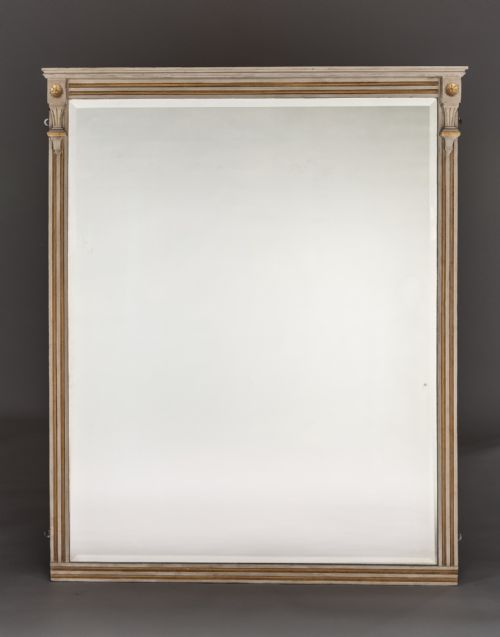


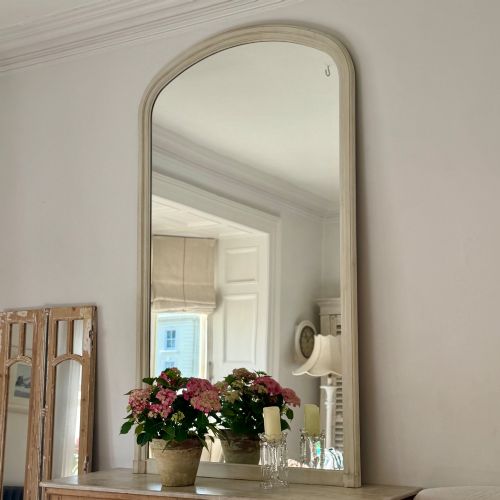


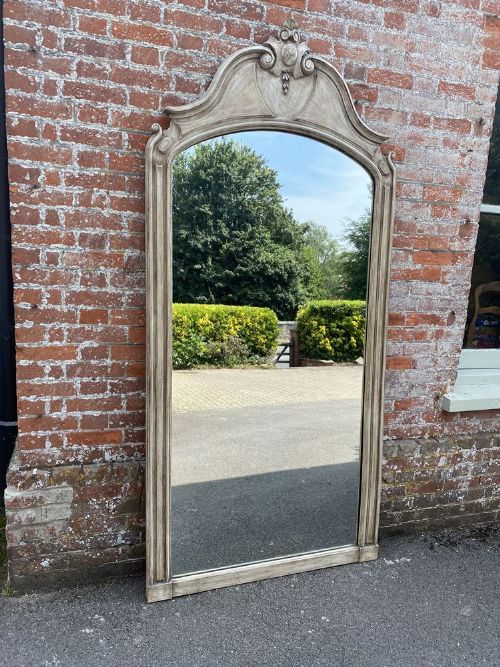


Off White Wall Mirror
An off white wall mirror brings light and period character into a room, spanning styles from Victorian overmantels to French chateau designs.
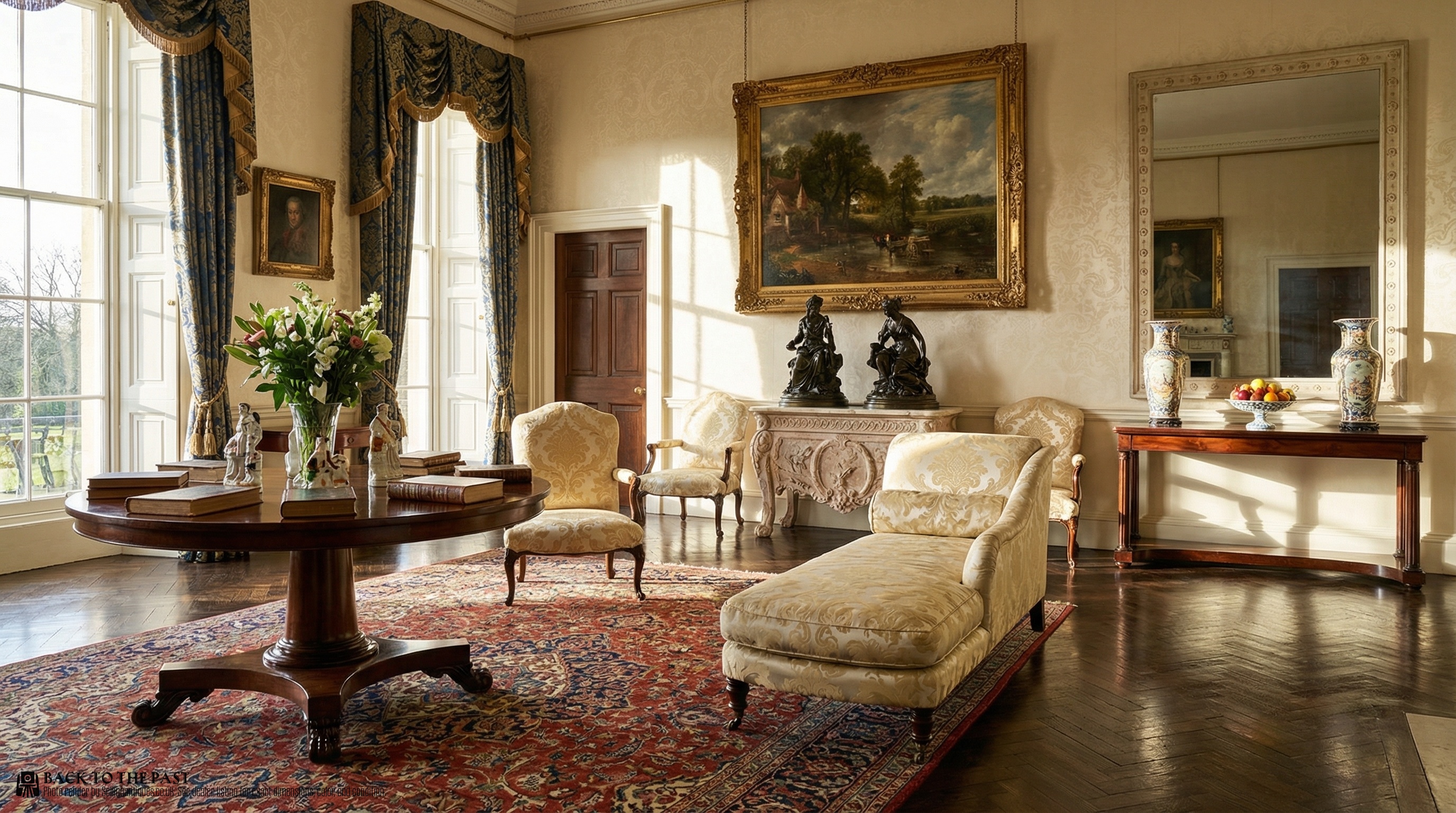
Off White Wall Mirror
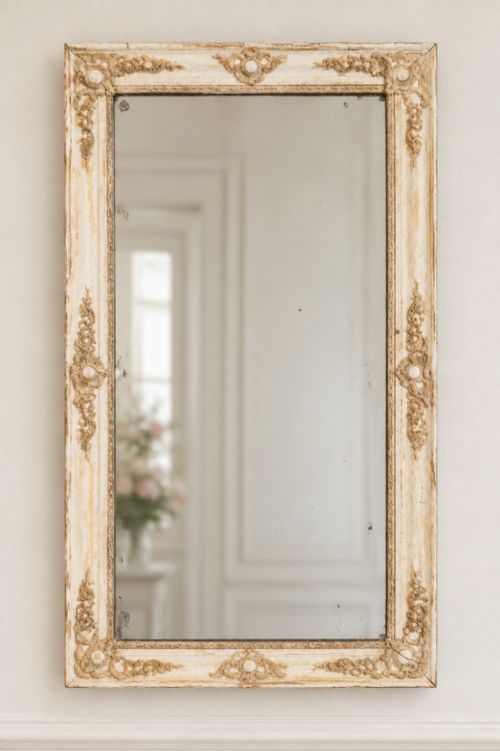
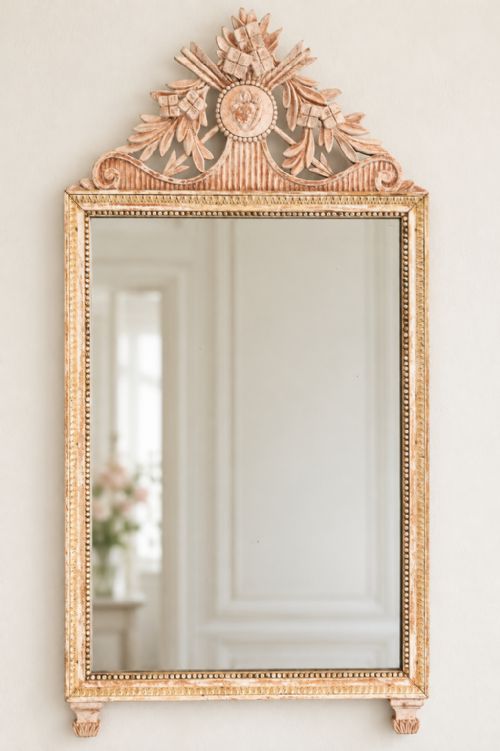
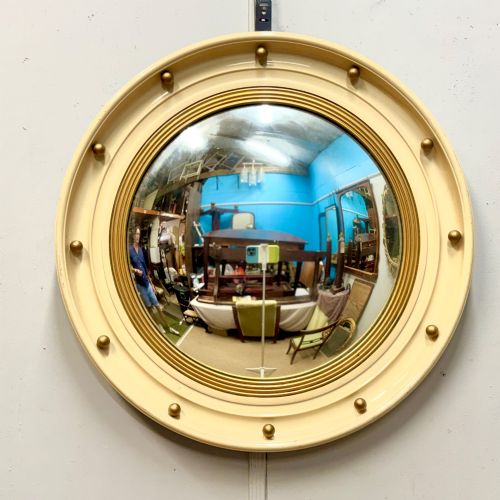
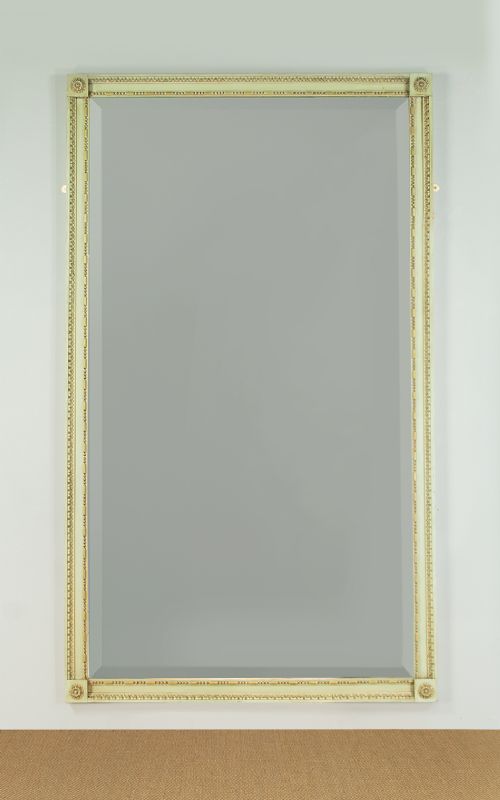
An off white wall mirror encompasses pieces shaped by centuries of decorative design, ranging from grand overmantels to round convex forms. Buyers seeking an off white wall mirror often encounter large architectural frames, arched top profiles, and smaller hall mirrors.
The selection draws on periods such as the eighteenth century, nineteenth century, and early twentieth century, taking shape as French provincial, Italian rococo, Georgian, and Regency styles. These objects function primarily as wall mirrors, overmantels, and trumeau mirrors designed to anchor a room.
Most examples found here present painted finishes, parcel gilt highlights, or carved wood and gesso surfaces. The variety spans simple rectangular shapes to elaborate shaped tops, rounded frames, and marginal mirror plates.
Materials and construction
Frames are constructed from wood, then coated with gesso and paint to create the desired off white finish. Many pieces incorporate gold leaf or gilt details alongside the painted surfaces to accent carved elements.
The glass used includes standard mirror glass and convex glass plates set within hand-carved wooden structures. Artisans built these frames during the eighteenth, nineteenth, and early twentieth centuries using traditional joinery and plaster work.
Off White Wall Mirror Retail Price Guide 2026
Typical asking prices for off white wall mirror among the pieces listed under this phrase on Sellingantiques today, from the lower quarter to the upper quarter. They describe what is for sale here now, not the wider market.
Listings span the eighteenth, nineteenth, and early twentieth centuries, featuring wood, gesso, paint, and gilt materials.
Distinguishing quality across the range
Quality shows in the depth and sharpness of the hand-carved wood and gesso ornament beneath the paint layers. Superior pieces retain crisp detail in floral, architectural, or scroll motifs rather than softened contours.
The integrity of the original mirror glass and the handling of the painted and parcel gilt surfaces dictate the standing of an individual piece. Finer examples display harmonious ageing across the paint and gilt, integrating the frame and plate.
The Off White Wall Mirror Glossary
- Overmantel mirror
- A large mirror designed to hang specifically above a fireplace mantelpiece. These often feature expansive horizontal proportions.
- Gesso
- A plaster-like mixture applied to wood frames to create a smooth surface for carving and painting. Artisans mould this material into intricate decorative reliefs.
- Parcel-gilt
- A decorating technique where portions of an object are highlighted with gold leaf while the rest is painted. This creates contrast against the surrounding paint.
- Convex glass
- A curved mirror glass that bulges outward, providing a wide-angle reflection of the room. These are typically mounted in round frames.
- Trumeau mirror
- An architectural mirror often integrated into wood panelling or placed above a pier table. Eighteenth-century examples frequently combine painted panels with mirror glass.
Off White Wall Mirror: Frequently Asked Questions
Where should I hang an overmantel mirror?
These large mirrors are traditionally mounted on the chimney breast directly above a fireplace. Their generous proportions help reflect light across the main living space.
They also suit placement above large sideboards or low console tables in reception rooms where a strong focal point is needed.
How do I identify a French chateau style mirror?
French chateau style pieces often feature arched tops, carved wood and gesso frames, and graceful proportions. They lean towards decorative crests and painted or parcel gilt finishes.
Looking closely at the gesso work and the style of the carved motifs helps distinguish these from English Victorian equivalents.
What is the difference between a hall mirror and a wall mirror?
Hall mirrors are generally more compact formats intended for smaller transit spaces like corridors or entranceways. Standard wall mirrors cover a broader range of sizes and heavier architectural overmantel forms.
Both serve functional and decorative purposes but occupy different scales within a domestic interior.
How do I care for antique mirror glass?
Clean the glass gently using a soft cloth and minimal moisture to protect the surrounding painted wood and gesso frame. Avoid getting cleaning solutions on the exposed edges of the mirror plate.
Inspect the hanging hardware periodically to ensure the weight of large wooden frames is supported securely.