

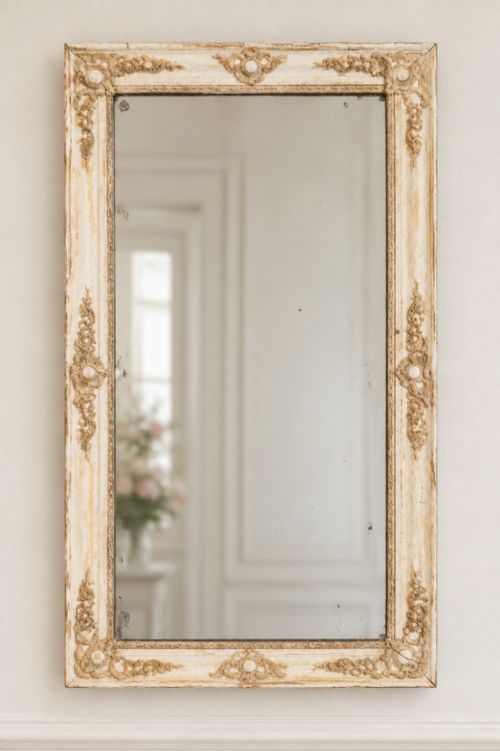
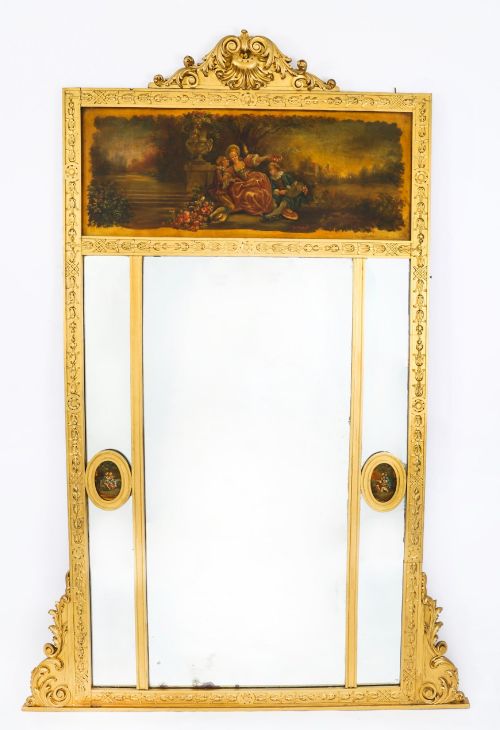
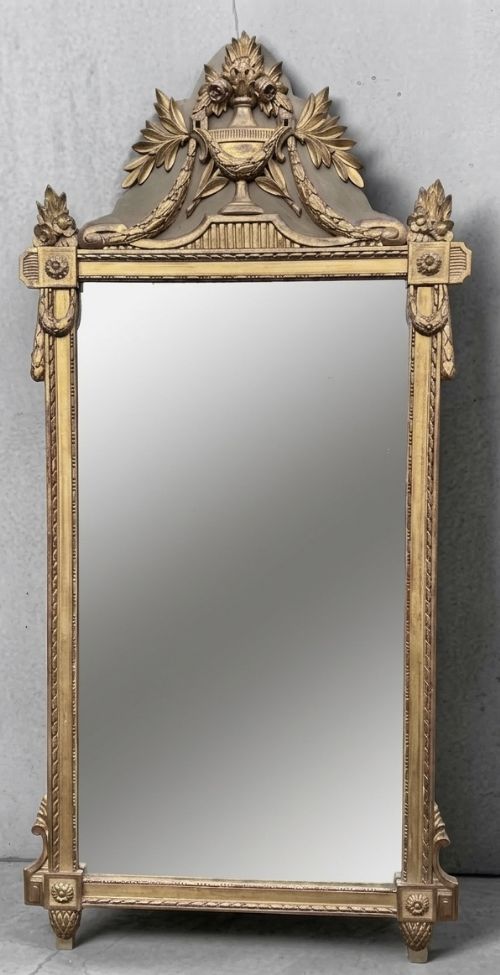
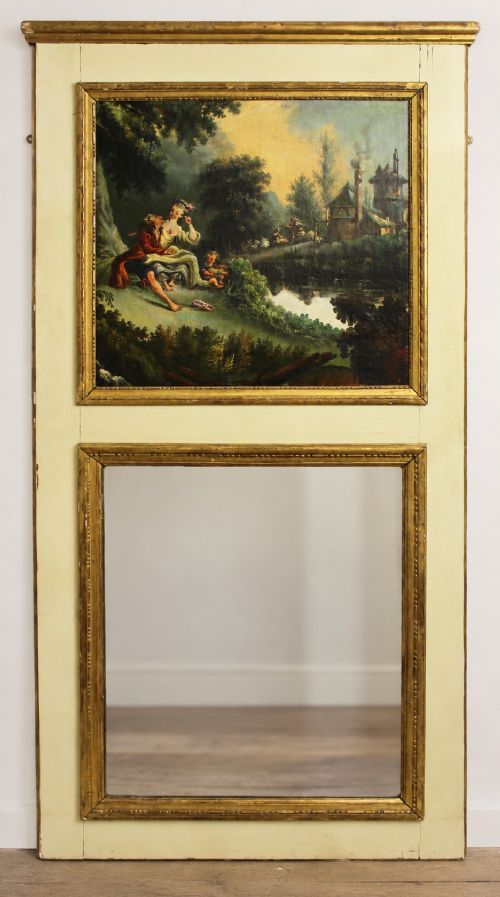
Large Painted Wall Mirror
A large painted wall mirror brings scale, light, and architectural presence to a room, spanning grand French trumeaus and ornate Victorian overmantles.
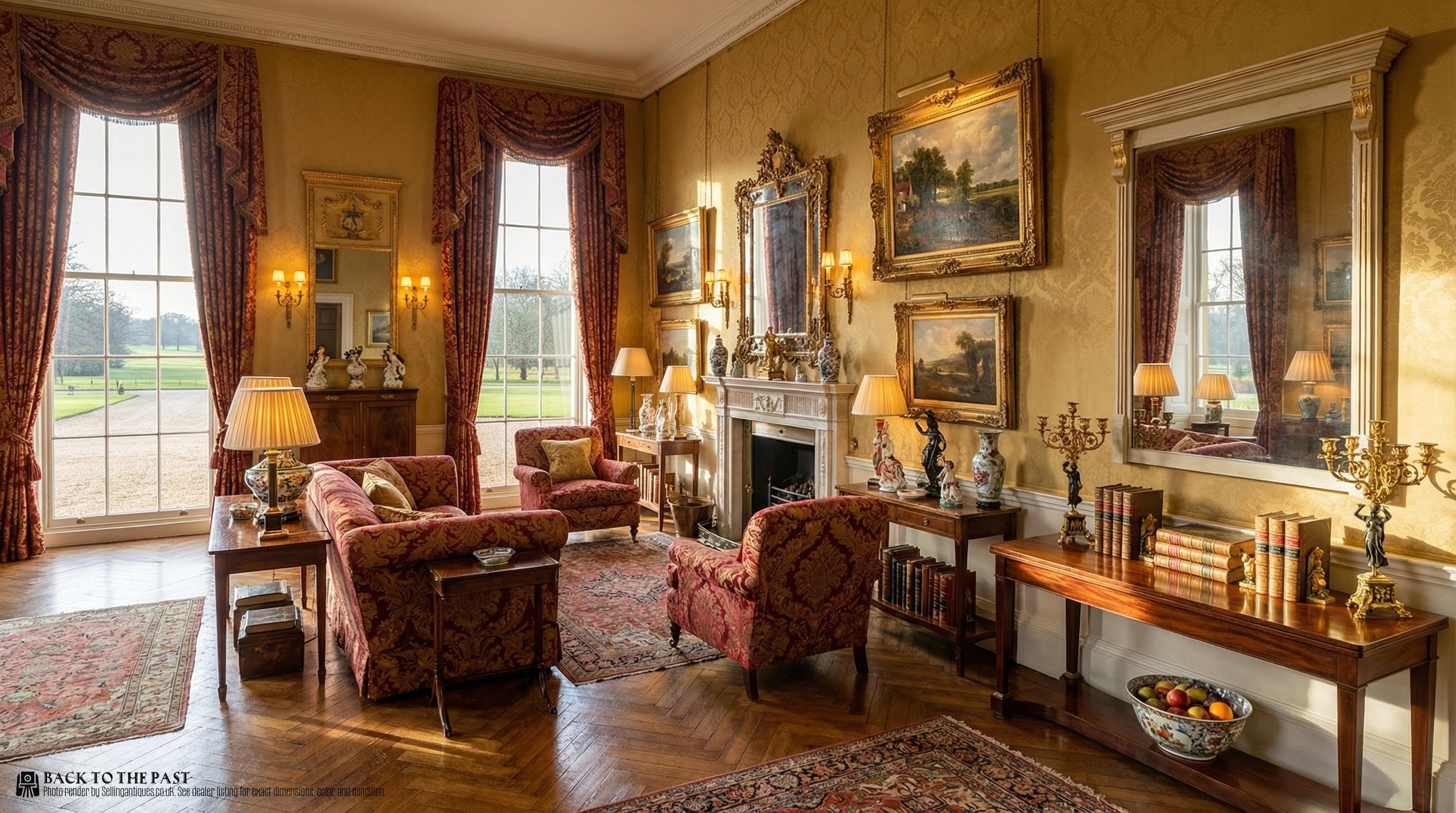
Large Painted Wall Mirror
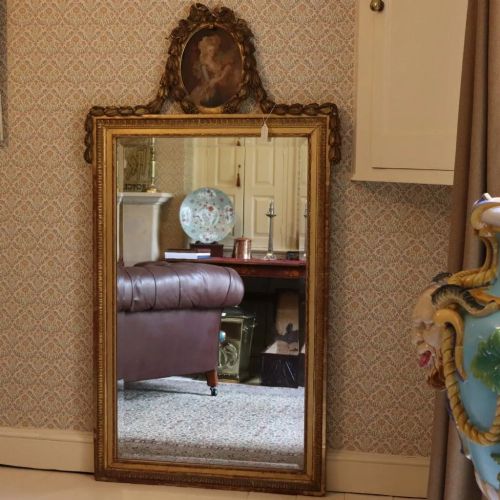
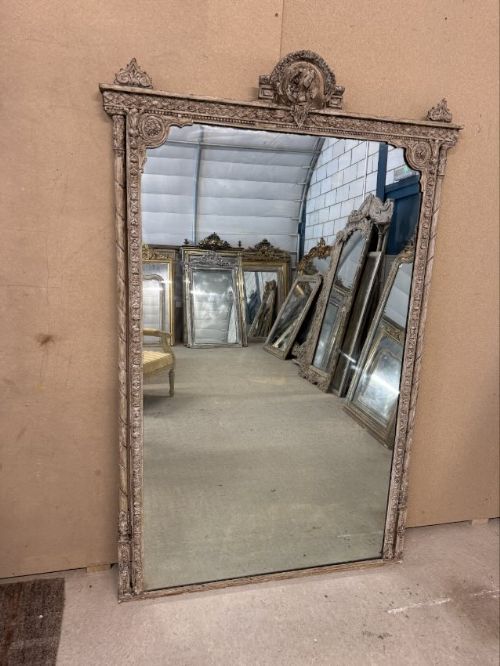
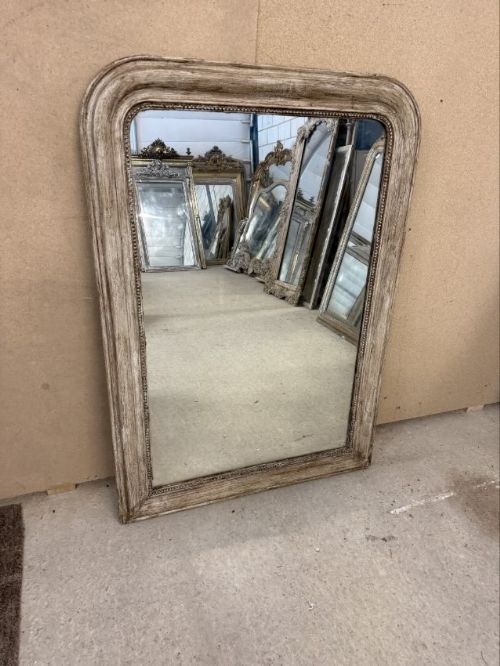
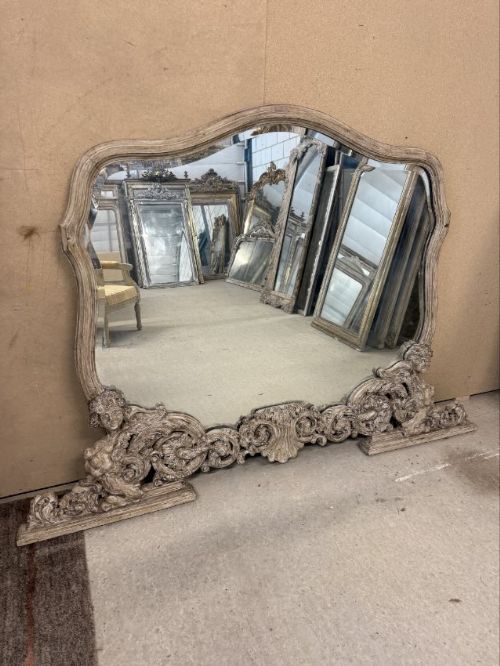
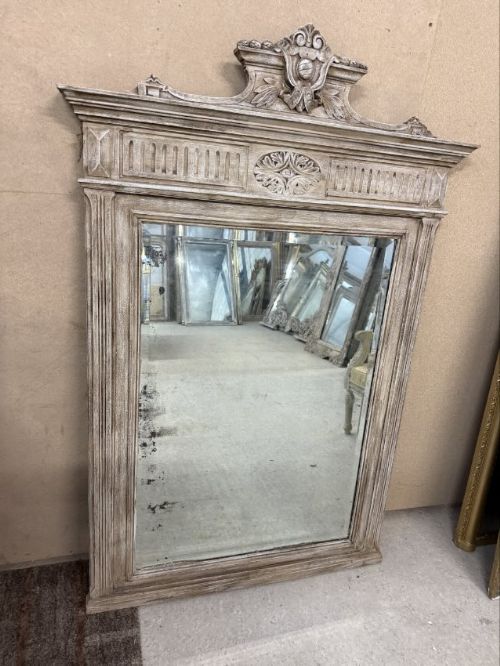
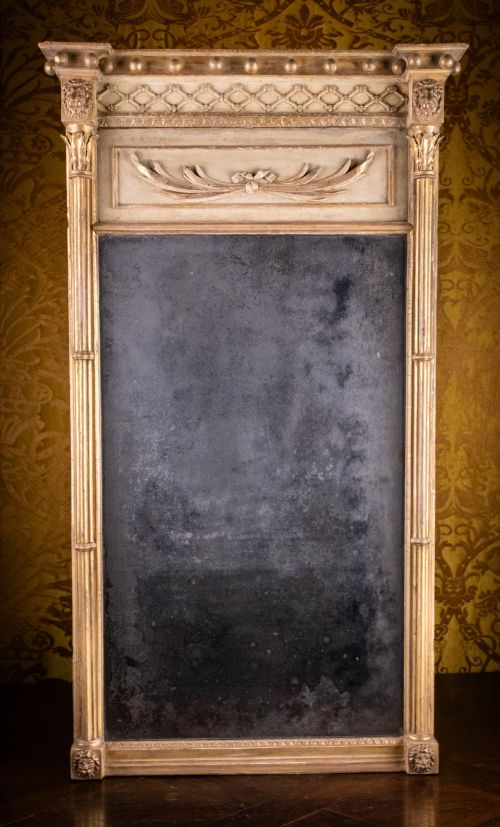
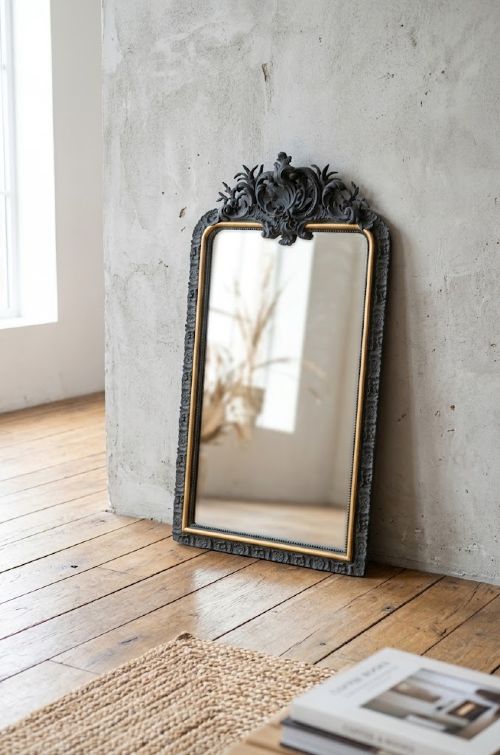
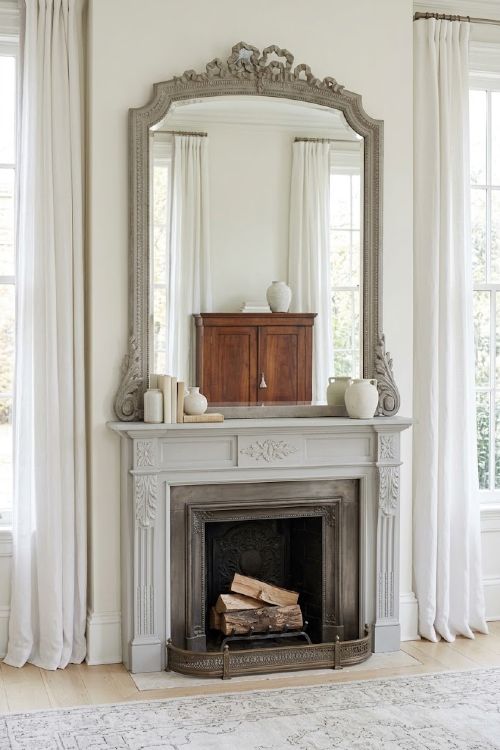
A large painted wall mirror serves as a dominant architectural element, frequently positioned above fireplace mantels or spanning full wall heights. Buyers encounter substantial overmantles, pier mirrors, and tall trumeau frames originating from the nineteenth century onwards.
French and English workshops dominate the selection, spanning styles from Regency and Victorian to Aesthetic Movement and Belle Époque. Pieces often incorporate carved wooden crests, classical motifs, or integrated pastoral oil paintings.
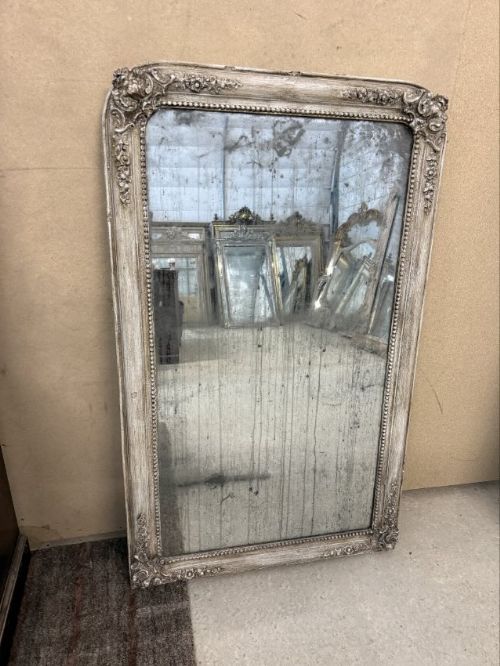
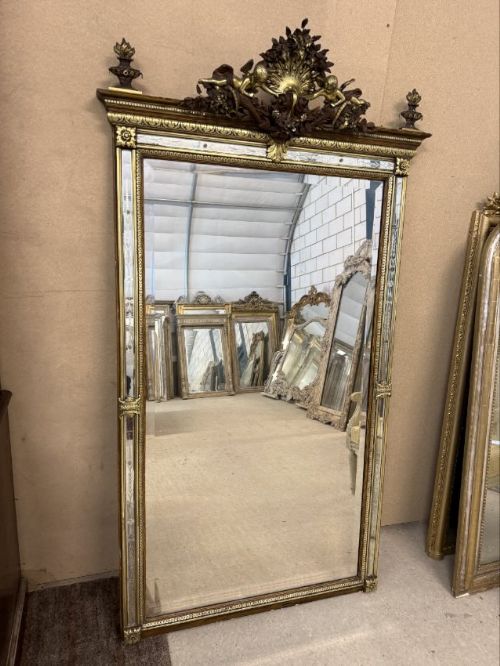
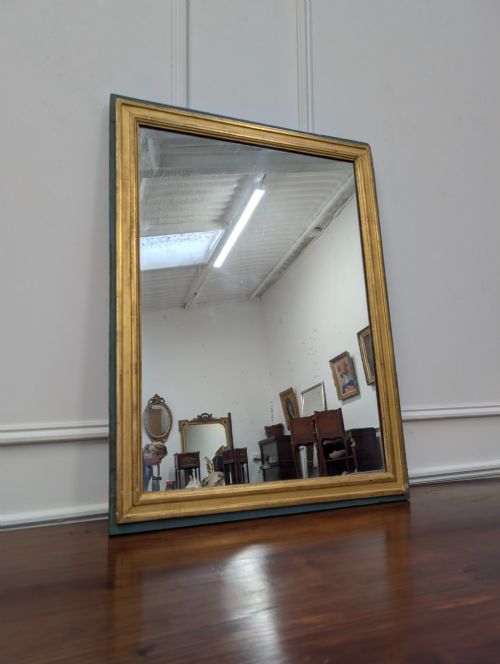
The category encompasses both restrained painted finishes and complex parcel-gilt constructions designed to reflect interior light. Scale remains a defining characteristic, with many formats exceeding standard domestic mirror dimensions.
Materials and construction
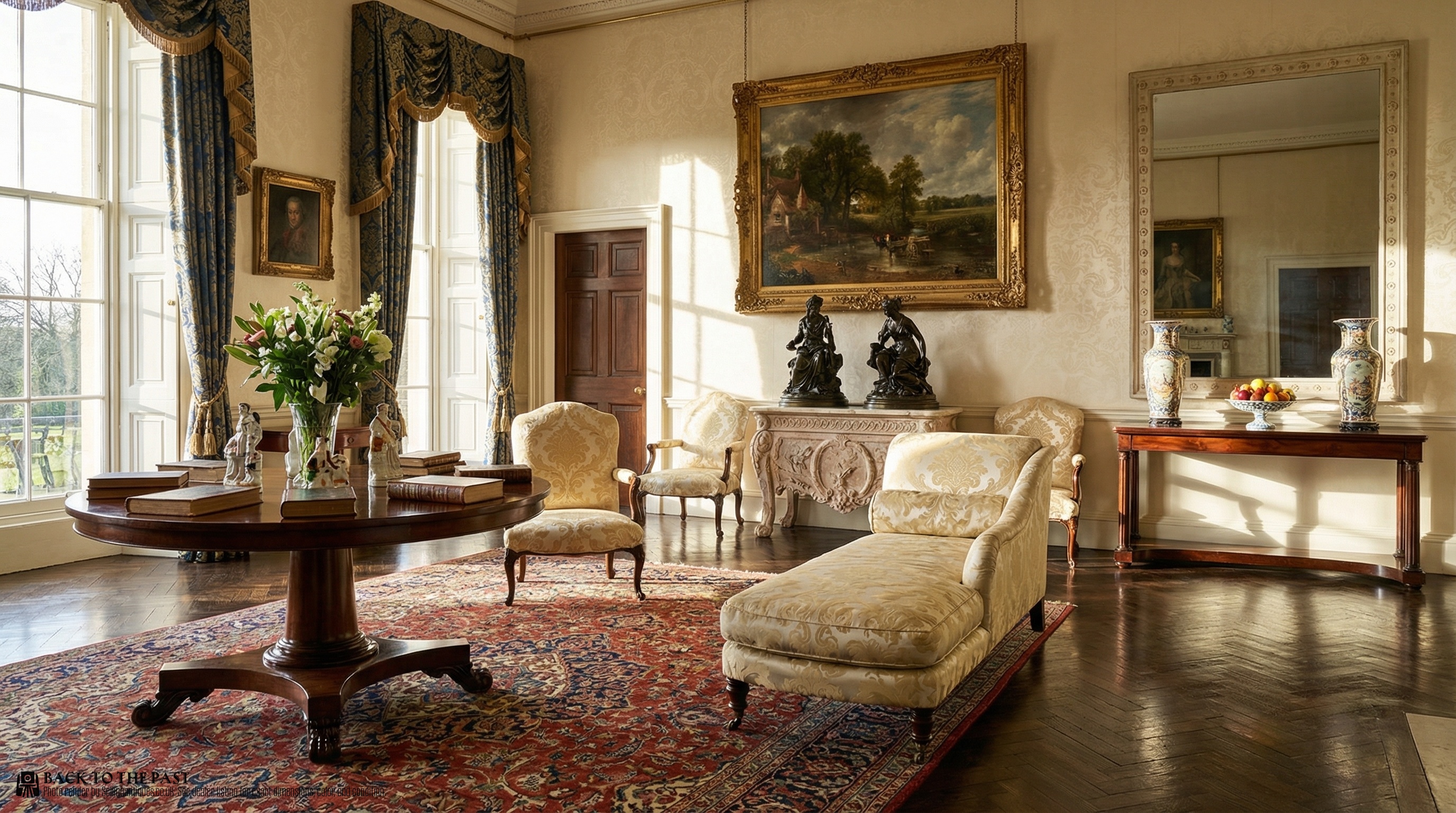
Craftsmen constructed heavy wooden foundational frames from pine, oak, or carved timber, often applying layers of gesso to build up intricate surface ornamentation. Gilding with gold leaf or metallic paint highlighted specific architectural details such as ribbing, crests, and leaf motifs.
Surfaces received decorative coats of paint, ranging from flat monochrome tones and ebonised finishes to faux marble effects and distressed patinas. Early mirror plates consisted of mercury glass or silvered glass held within substantial Rebated frames.
Large Painted Wall Mirror Retail Price Guide 2026
Typical asking prices for large painted wall mirror among the pieces listed under this phrase on Sellingantiques today, from the lower quarter to the upper quarter. They describe what is for sale here now, not the wider market.
Listings feature eighteenth and nineteenth-century pieces incorporating gesso, carved wood, and original mercury glass plates.
Distinctions in manufacture
Depth and complexity of the carved wood and gesso ornamentation separate standard frames from exceptional examples. Superior items feature crisp relief work on cartouches, lion masks, and ribbon crests rather than flat, simplified moulding.
The integrity of the original painted surface and gilding determines the visual weight of the piece. Surviving mercury glass plates with authentic foxing display greater historical depth than later replacements.
The Large Painted Wall Mirror Glossary
- Gesso
- A plaster-like mixture applied to wooden frames as a base for carving and gilding. Artisans modelled this compound into elaborate floral and architectural reliefs before applying paint.
- Trumeau
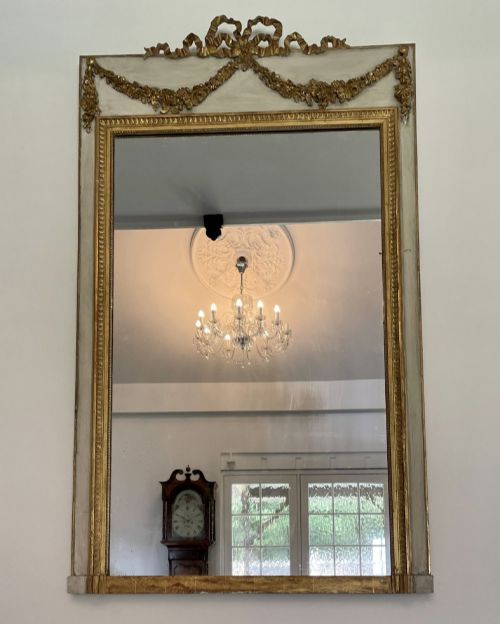
- A decorative wall mirror featuring an upper panel containing an oil painting or carved motif. This French form integrates artwork directly into the mirrored architectural scheme.
- Overmantel
- A large mirror specifically proportioned to hang above a fireplace mantel. These horizontal formats frequently incorporate shaped or arched tops to match interior chimneypieces.
- Pier mirror
- A tall vertical mirror designed to fit the wall space between windows. These pieces often feature narrow proportions to maximise natural light reflection.
- Parcel-gilt
- A decorative technique where specific areas of a painted frame receive partial application of gold leaf. This method highlights raised carvings against a contrasting dark or light background.
Large Painted Wall Mirror: Frequently Asked Questions
Where should I hang a large painted wall mirror?
These pieces function best anchored securely above a fireplace mantel or mounted centrally on a primary reception room wall to draw the eye upwards. Their substantial scale requires solid masonry or reinforced wall fixings.
Positioning the frame opposite a window maximises natural light distribution across the interior space. Consideration must be given to the ceiling height to ensure the architectural proportions align correctly.
How do I identify a nineteenth-century French trumeau mirror?
French trumeau frames are characterised by a vertical wooden panel divided into a lower mirror plate and an upper section containing a pastoral oil painting or carved wooden cartouche. The frames frequently display gesso ornamentation and painted finishes.
Many examples originate from the Victorian or Belle Époque periods, exhibiting neoclassical motifs and ribbon crests. Examining the backboards and construction joints helps confirm the period origin.
What is mercury glass in antique mirrors?
Mercury glass refers to early mirror plates manufactured using a tin and mercury amalgam poured behind the glass sheet. This process creates a distinctive, deep reflective quality with characteristic dark spots known as foxing.
As production methods shifted later in the nineteenth century, silver nitrate replaced mercury in mirror silvering. Surviving mercury plates provide a subtle indicator of early manufacture.
How do I care for an antique painted and gilt frame?
Maintenance requires gentle dusting with a dry, soft cloth to prevent particulate accumulation on delicate gesso and painted surfaces. Moisture and chemical cleaning agents should remain entirely away from the historic finish.
Stable indoor temperatures protect the wooden core and prevent the gesso from cracking or separating from the frame. Regular checks of the hanging wire and wall brackets ensure the heavy assembly remains secure.