

Antique Painted Mirror
When you want an antique painted mirror, you are looking for surfaces where brushwork and silvered glass meet across centuries of French and English rooms.
Antique Painted Mirror
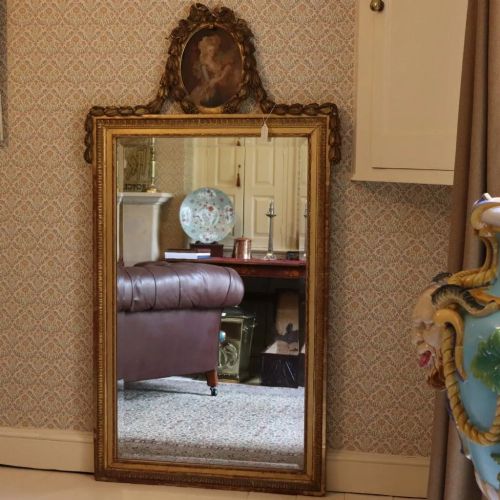
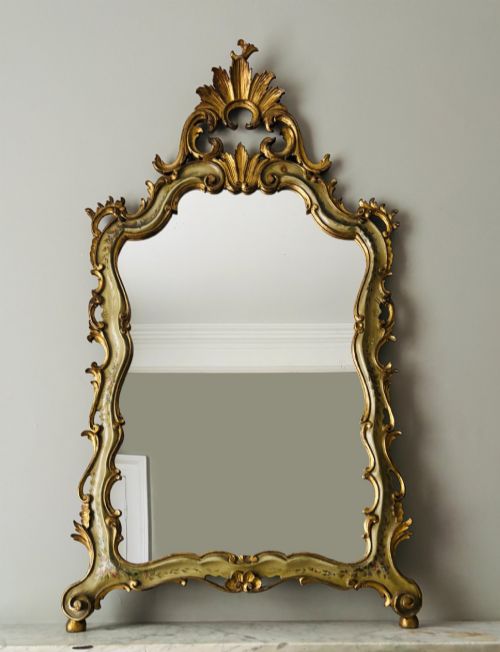
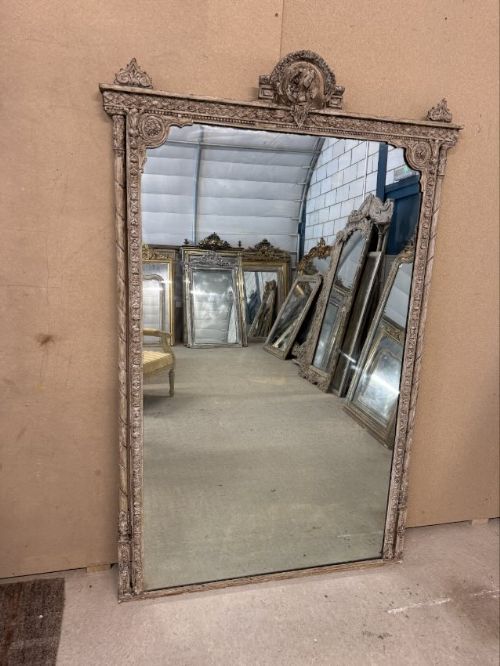
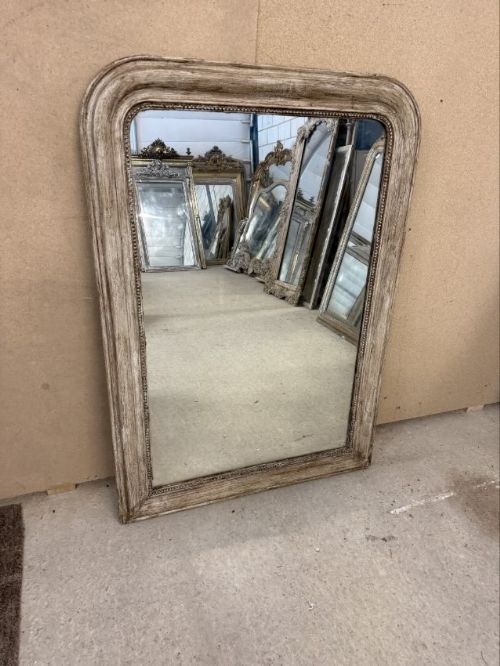
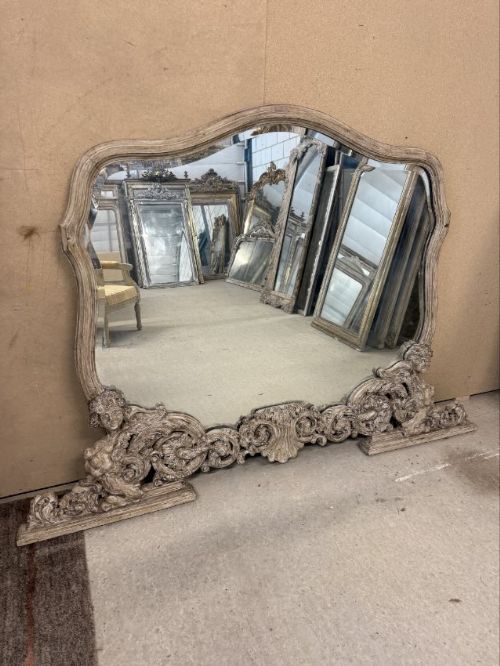
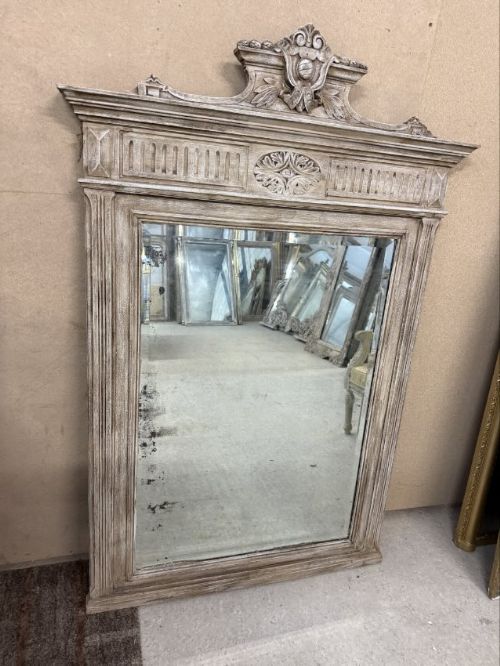
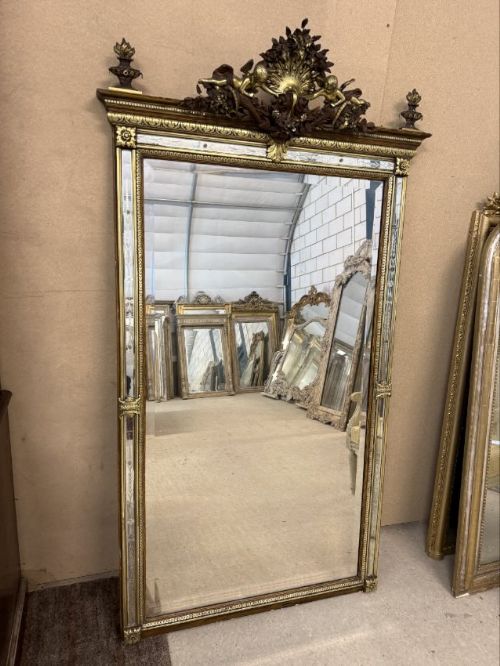
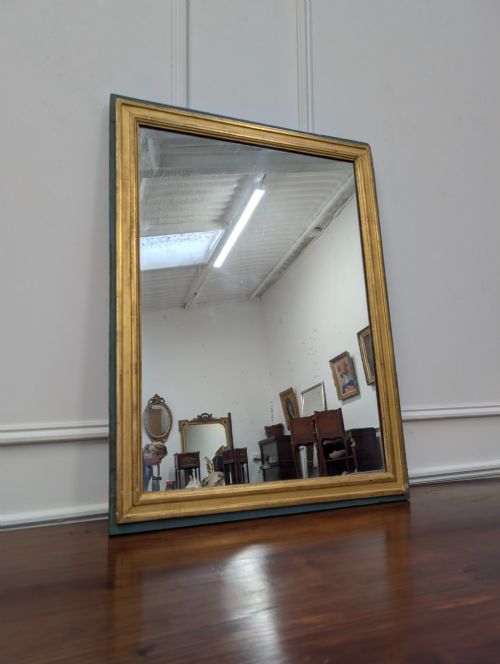
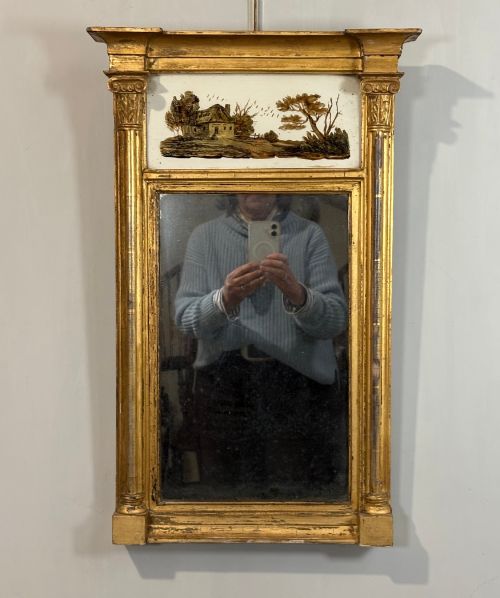
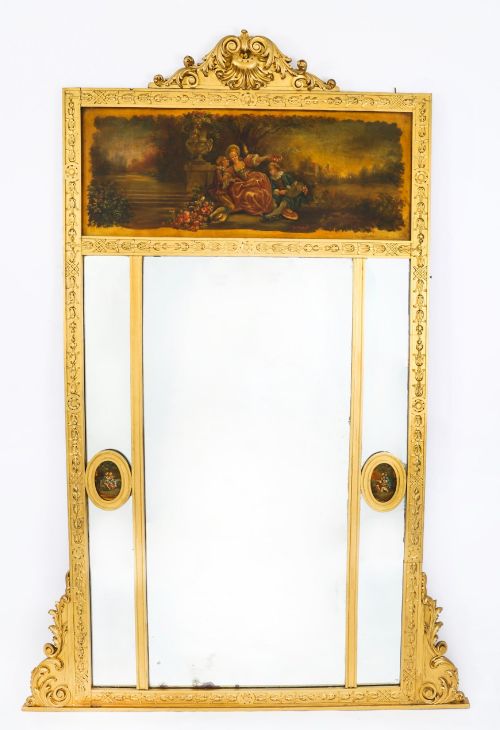
An antique painted mirror takes many forms across the evidence, appearing most frequently as large overmantle pieces, tall trumeau panels, and wall-hanging mirrors intended for principal reception rooms. These objects span the nineteenth century into the Edwardian era, incorporating regional French country pieces, ornate giltwood frames, and Chinoiserie decoration.
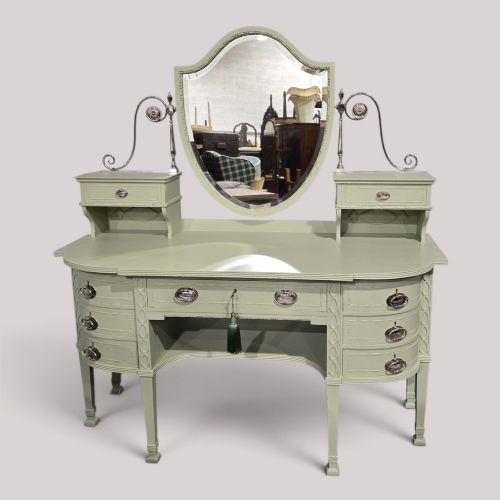
The phrase also captures dressing table mirrors, cheval glasses, and smaller decorative wall items, occasionally extending to integrated furniture such as wardrobes and compactums. Wall mirrors and pier glasses dominate the selection, often carrying pastoral oil paintings or carved ribbon crests at their apex.
Origin points divide largely between English workshops and continental centres, particularly French chateaux and provincial towns. Makers utilised pine, gesso, and exotic hardwoods beneath layers of polychrome paint, gilt, and faux finishes.
How They Were Made
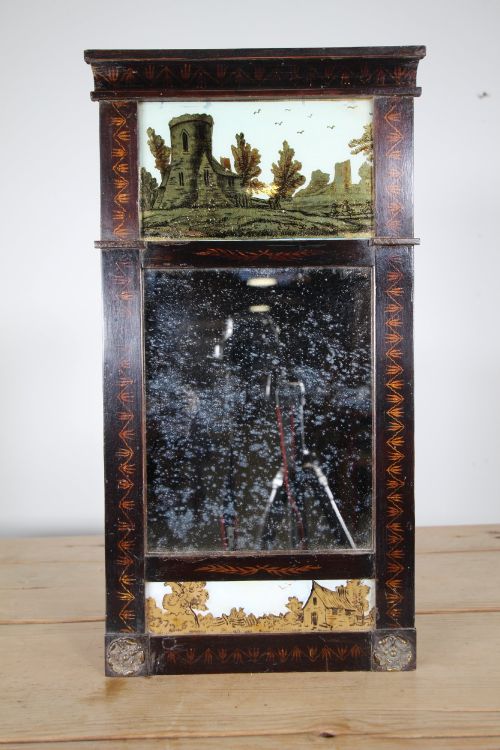
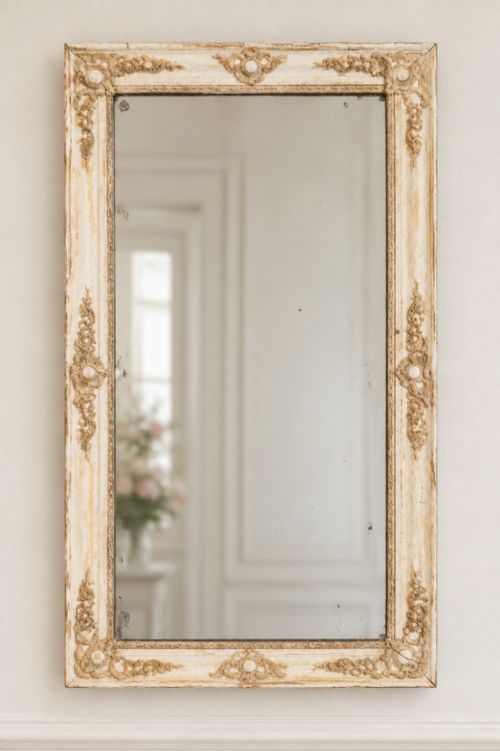
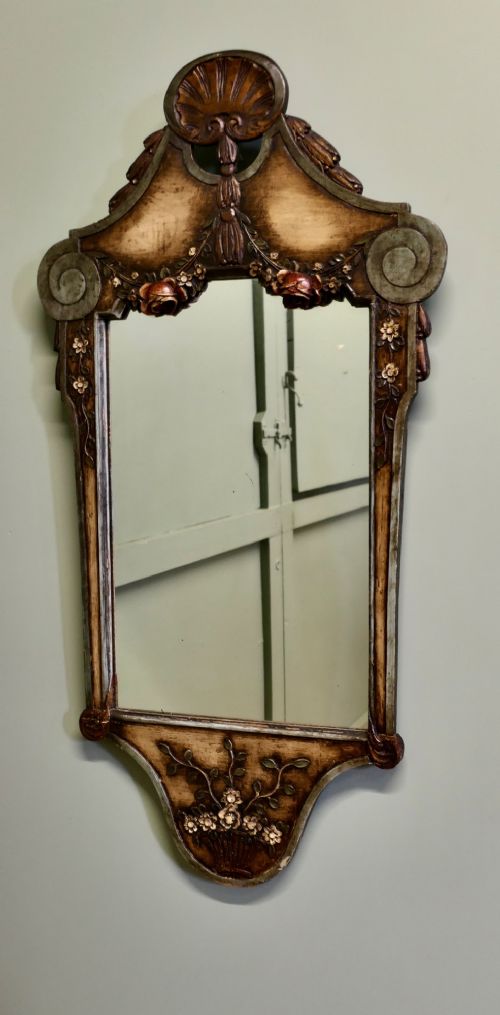
Carved wood and gesso formed the foundation for many frames, building up intricate relief work around the glass before painters applied layered pigments, gilding, or parcel-gilt accents. Trumeau panels incorporated oil paintings directly into the wooden structure above the glass plate.
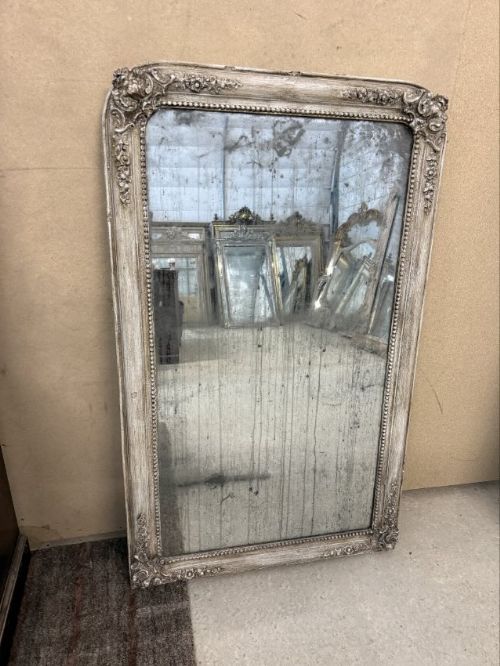
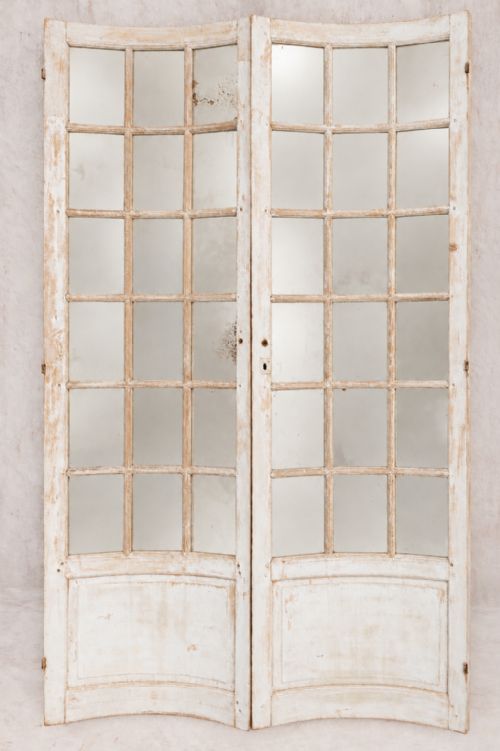
Glass production relied on older techniques, evidenced by mercury glass and triple plate constructions that produce characteristic foxing and crackle finishes over time. Frames were finished with hand-mixed paints, sometimes simulating faux bamboo, faux maple, or marble.
Joinery involved traditional corner bracing and pegged joints suited to heavy overmantle proportions, while decorative motifs like lion masks and ribbons were carved separately and pinned to the main structure.
Antique Painted Mirror Retail Price Guide 2026
Typical asking prices for painted mirror among the pieces listed under this phrase on Sellingantiques today, from the lower quarter to the upper quarter. They describe what is for sale here now, not the wider market.
Maritime scenes of galleons battling high seas occupy the wooden panels above quiet morning reflections.
What Varies In Quality
The distinction between standard domestic mirrors and exceptional pieces lies in the depth of the gesso carving and the integrity of the original paint surface. Surviving untouched pigment with authentic craquelure commands greater regard than later repainting.
The quality of the incorporated artwork matters immensely in trumeau mirrors, where an original pastoral or maritime oil painting elevates the piece beyond a simple frame. Glass condition, particularly the presence of genuine mercury backing without excessive modern silvering replacement, alters the character of the reflection.
Subtlety in proportion and restraint in the application of parcel-gilt highlight the hand of skilled makers such as Gillows or Maples, separating workshop output from mass production.
Maples of London and Paris·Gillows Of Lancaster
The Antique Painted Mirror Glossary
- Trumeau
- A decorative wall mirror featuring an oil painting or panel set into the upper portion of the wooden frame above the glass plate.
- Gesso
- A plaster-like mixture applied to wood frames to create a smooth surface for intricate carving, gilding, and painting.
- Pier glass
- A tall mirror specifically designed to hang on the narrow wall space between windows.
- Mercury glass
- An early form of double-walled glass blown with a silvering mixture inserted between the layers, creating a characteristic mottled reflection.
- Verre eglomise
- A cold decoration technique where designs are applied to the reverse of glass using gold or silver leaf and pigment.
Antique Painted Mirror: Frequently Asked Questions
What is a trumeau mirror?
A trumeau mirror combines a vertical looking glass with an oil painting set into the wooden panel above it. These pieces were designed to hang between windows or above mantelpieces in grand reception rooms.
The painted panels often depict pastoral scenes, seascapes with galleons, or floral arrangements, matching the decorative scheme of the room they inhabited.
How do I identify mercury glass?
Mercury glass displays a deep, warm reflection with characteristic dark spots, clouding, and uneven silvering behind the plate. It lacks the stark, uniform perfection of modern vacuum-deposited silver.
This old backing technique creates a soft, gentle image rather than a sharp, bright mirror reflection.
Where should I hang a large overmantle mirror?
Overmantle mirrors were built to rest directly upon a fireplace mantel or to be secured to the wall immediately above it. Their broad proportions balance the horizontal weight of the fireplace hearth.
Ensure the wall fixings engage directly with structural studs or brickwork, as carved wood and gesso frames carry considerable weight.
Are painted mirrors difficult to clean?
Painted and gilded frames require gentle dusting with a soft, dry brush rather than liquid cleaning products. Moisture can lift old gesso and crack fragile nineteenth-century paint layers.
Glass plates can be wiped with a slightly dampened cloth, taking care that moisture does not seep behind the frame rebate into the original backing.