

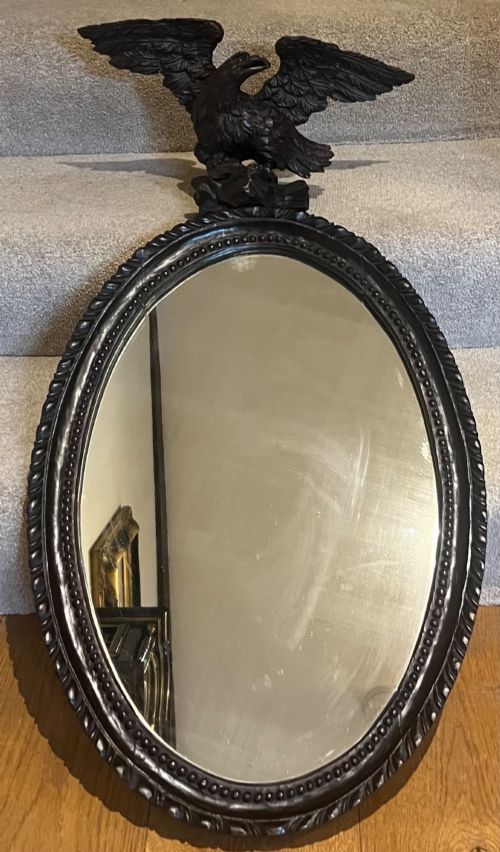
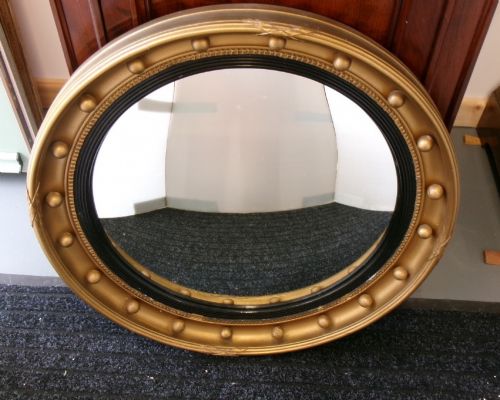


Ebonised Wood Mirror
An ebonised wood mirror brings dark, striking contrast to a room, offering deep polished frames that catch the light.
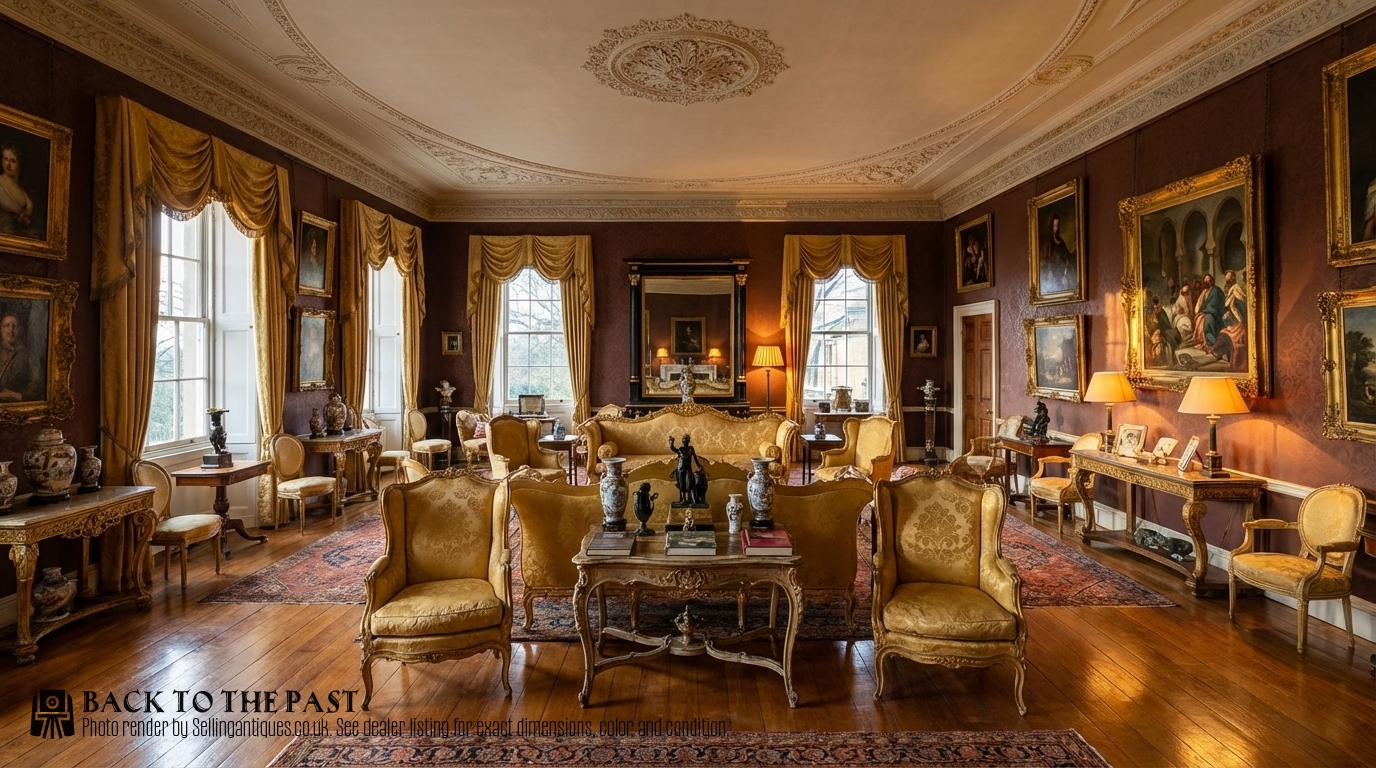
Ebonised Wood Mirror
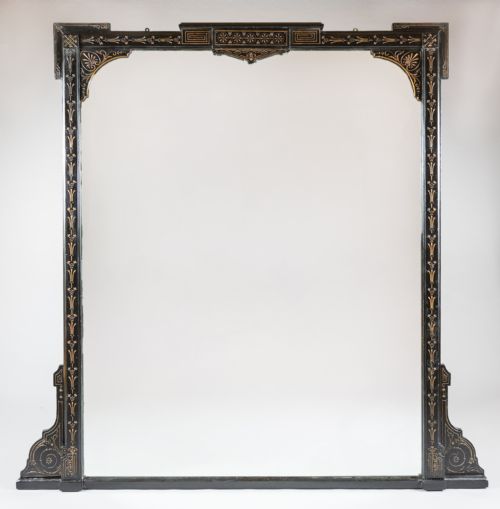
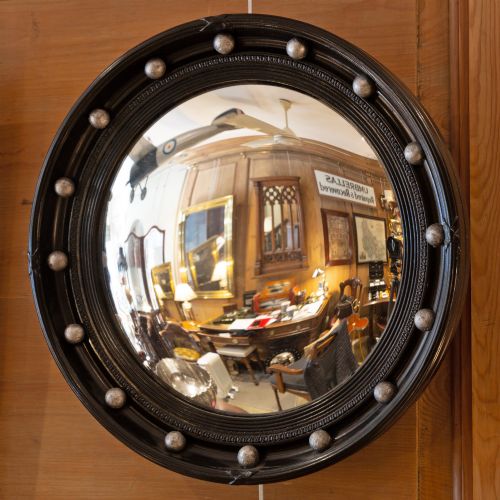
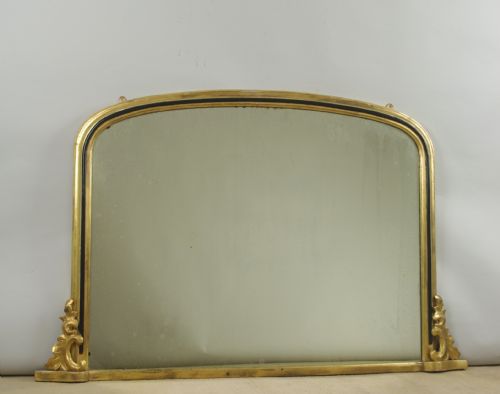
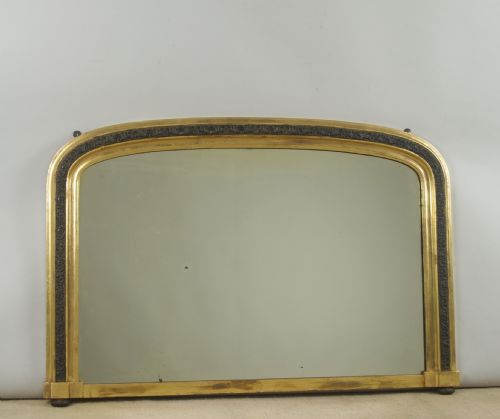
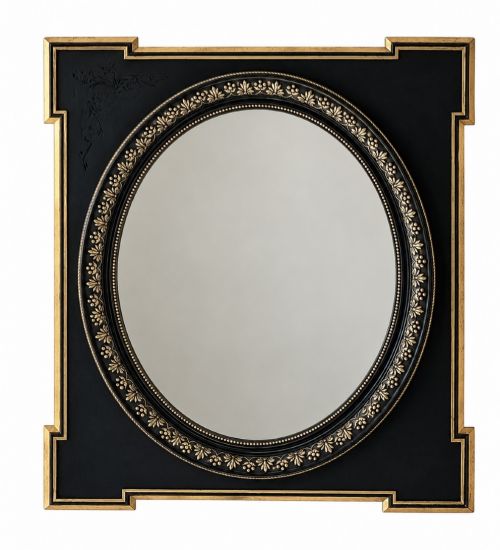
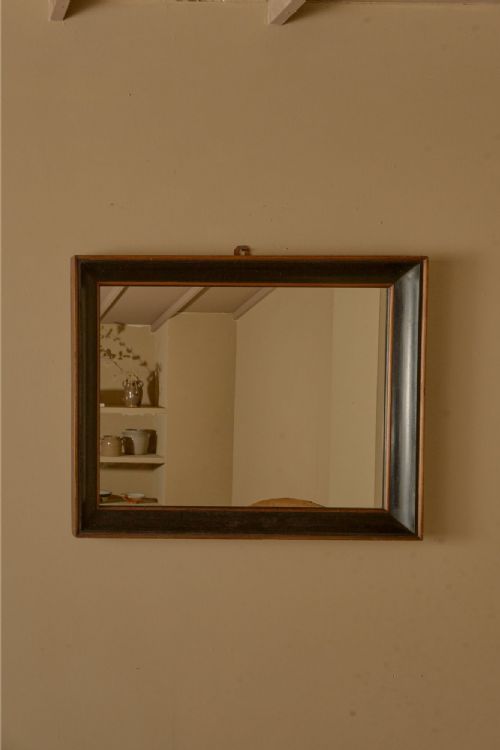
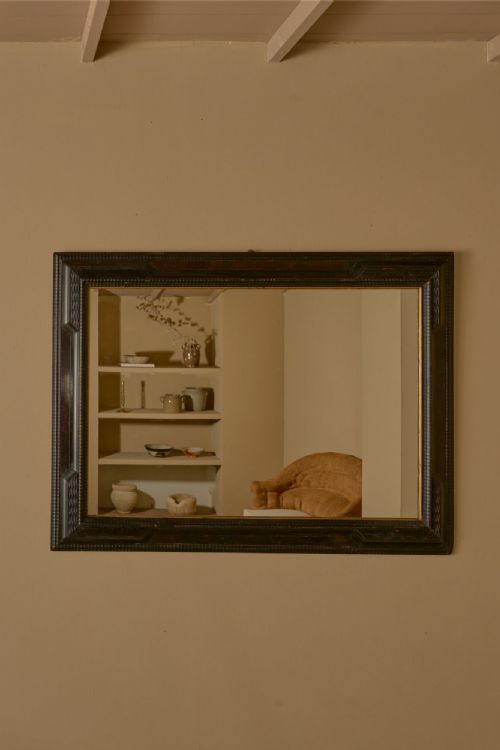
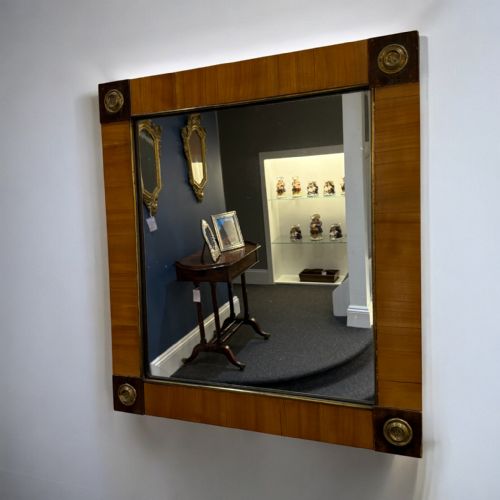
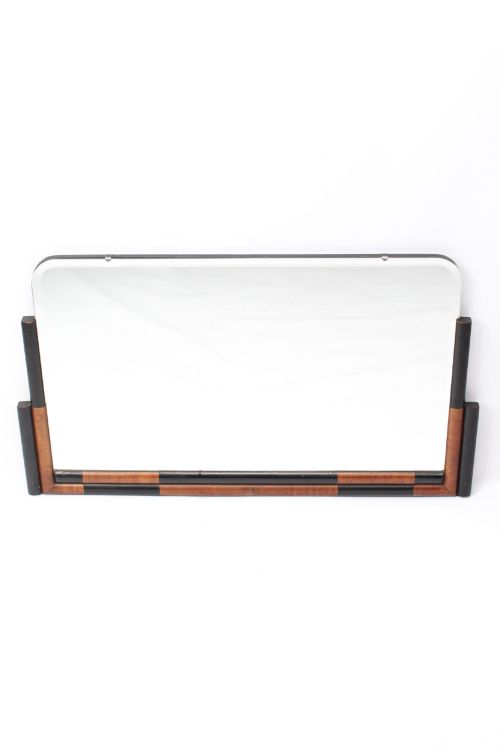
When you search for an ebonised wood mirror, you encounter pieces designed to create dramatic visual contrast through darkened timber frames. These objects appear primarily in forms ranging from compact wall pieces to grand overmantels and cushion frames. The selection spans the nineteenth century, including Regency and Victorian examples, alongside twentieth-century iterations.
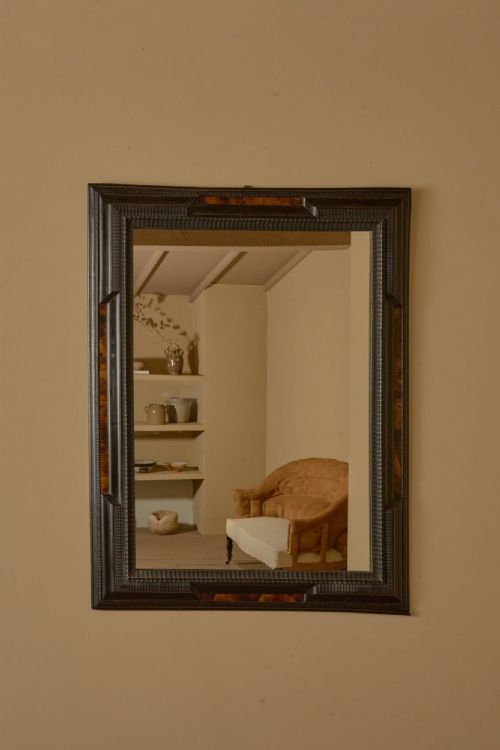
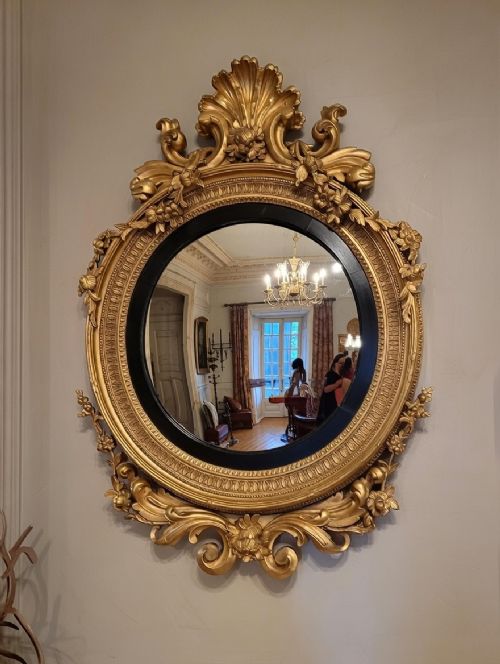
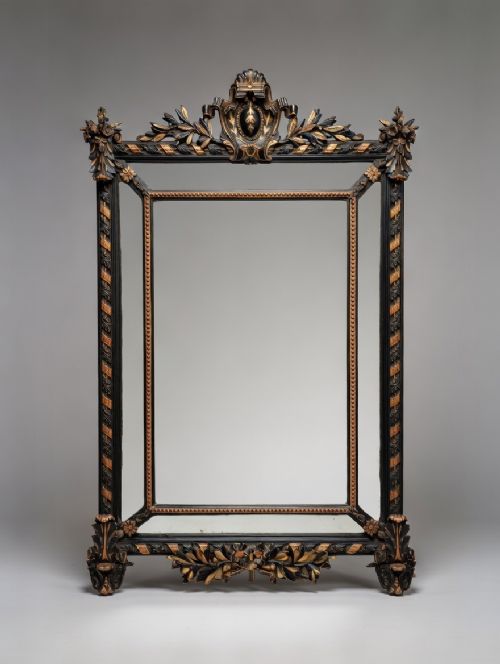
The version most commonly met on this page combines blackened wood with parcel-gilt details, gesso, or faux tortoiseshell finishes. Makers of the nineteenth century utilised these dark surfaces to emulate more costly exotic hardwoods. Such pieces often reflect the tastes of the Aesthetic Movement and later revivals, bringing heavy architectural presence to interior spaces.
Materials and Construction Techniques
The creation of these objects relies on timber treated with dark stain, paint, or black polish to achieve the dense, ebonised finish. Artisans frequently combined this blackened wood with gesso layers carved and finished in gold leaf or parcel-gilt. Mirror glass within these frames is often original, displaying the subtle distortions and foxing characteristic of earlier production methods.
Structural elements frequently incorporate carved wood, brass accents, and secondary timbers beneath the ebonised surface. Elaborate overmantel and wall mirrors employ moulded gesso over wooden carcases to hold intricate decorative motifs. Faux finishes, such as simulated tortoiseshell or silvering, appear alongside straightforward black polish to add surface depth.
Ebonised Wood Mirror Retail Price Guide 2026
Typical asking prices for ebonised wood mirror among the pieces listed under this phrase on Sellingantiques today, from the lower quarter to the upper quarter. They describe what is for sale here now, not the wider market.
Listings feature ebonised wood mirrors spanning the seventeenth century through to the 1930s, incorporating brass, gesso, and gold leaf.
Distinctions in Quality
Quality in these pieces rests upon the crispness of the carved detail and the depth of the ebonised finish. Superior examples display sharply defined mouldings in the gesso and precise application of parcel-gilt or contrasting metal leaf. The retention of original mirror plates and stable joinery distinguishes finer items from later adaptations.
The hand of the maker dictates the nuance found in decorative elements such as faux tortoiseshell or stencilled decoration. Greater care in smoothing the timber beneath the black finish produces a superior tactile and visual result. Balance in proportion, particularly in larger overmantel and cushion formats, elevates the status of a piece within its period.
Cottier and Co.·Rowley Gallery
The Ebonised Wood Mirror Glossary
- Ebonised
- Timber treated to resemble ebony by staining, painting, or polishing it black. This finish became particularly popular during the nineteenth century to create stark contrast.
- Gesso
- A plaster-like mixture applied to wood frames to create a smooth surface for carving or gilding. It allows for intricate relief ornamentation.
- Parcel-Gilt
- Partially gilded with gold leaf, leaving areas of the underlying wood or ebonised surface exposed. This technique highlights specific carved details on the frame.
- Cushion Frame
- A broad, convex frame profile that swells outwards from the wall towards the glass. It creates a bold, sculptural border around the mirror plate.
- Overmantel Mirror
- A large mirror designed specifically to be hung above a fireplace mantel. These pieces often span significant horizontal proportions to reflect the room.
Ebonised Wood Mirror: Frequently Asked Questions
How do I date an ebonised wood mirror?
Dating relies on examining the construction methods, backboards, and framing styles characteristic of specific periods like the Regency or Victorian eras. Secondary woods and the nature of the glass plate also provide strong chronological indicators.
Finer details such as gesso composition and gilding techniques help differentiate nineteenth-century production from later revivals or twentieth-century pieces.
Where should I hang an overmantel mirror?
These large mirrors are traditionally positioned directly above a fireplace mantel to anchor the room's main focal point. Their scale allows them to reflect light and expand the visual space of an interior.
Ensure the wall structure and fixings can support the substantial weight typical of carved wood and gesso frames from this period.
How do I care for ebonised wood and gilt?
Maintain the dark finish and delicate gilding by dusting gently with a soft, dry cloth without chemical polishes. Avoid placing the mirror in direct sunlight or areas of high humidity to protect the wood and gesso.
Original mirror glass benefits from careful cleaning with a dry or barely damp microfiber cloth applied strictly to the glass surface.