

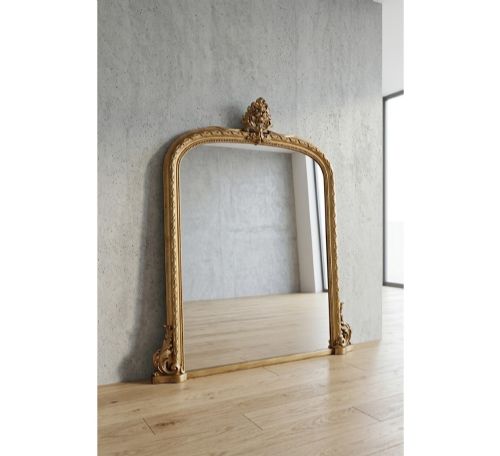
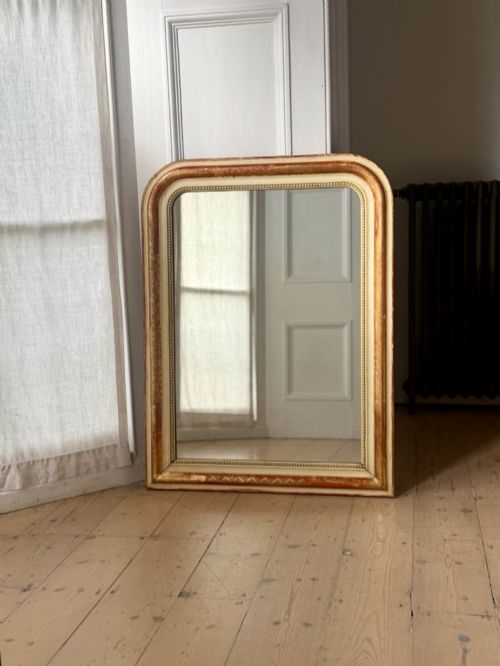
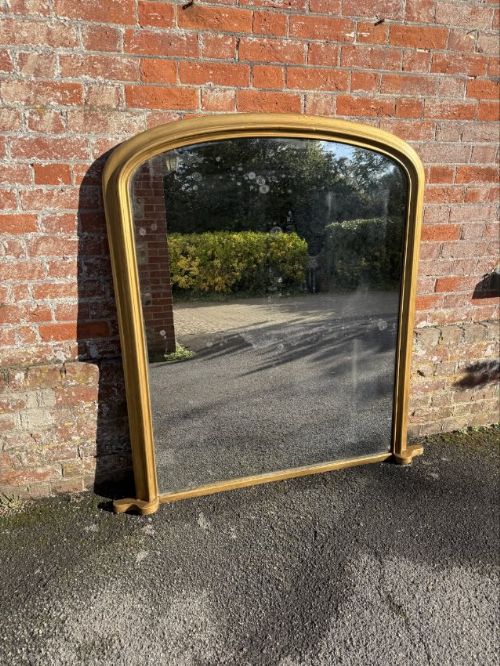

Traditional Overmantel Mirror
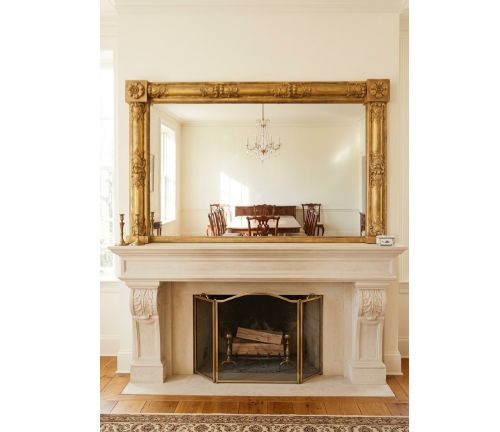
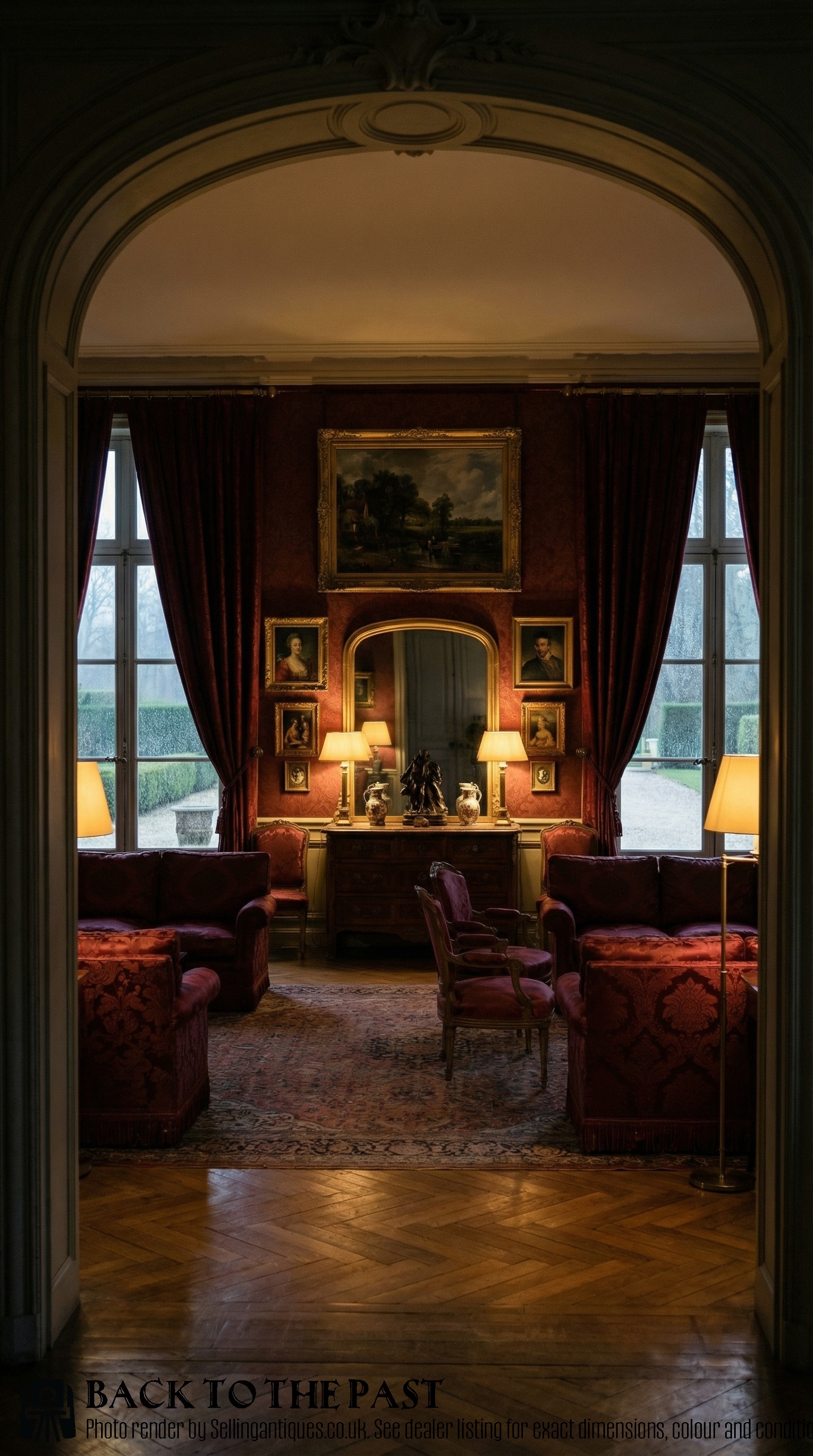
Traditional overmantel mirror selections bring substantial architectural presence to a room, designed to sit neatly above a fireplace mantel.
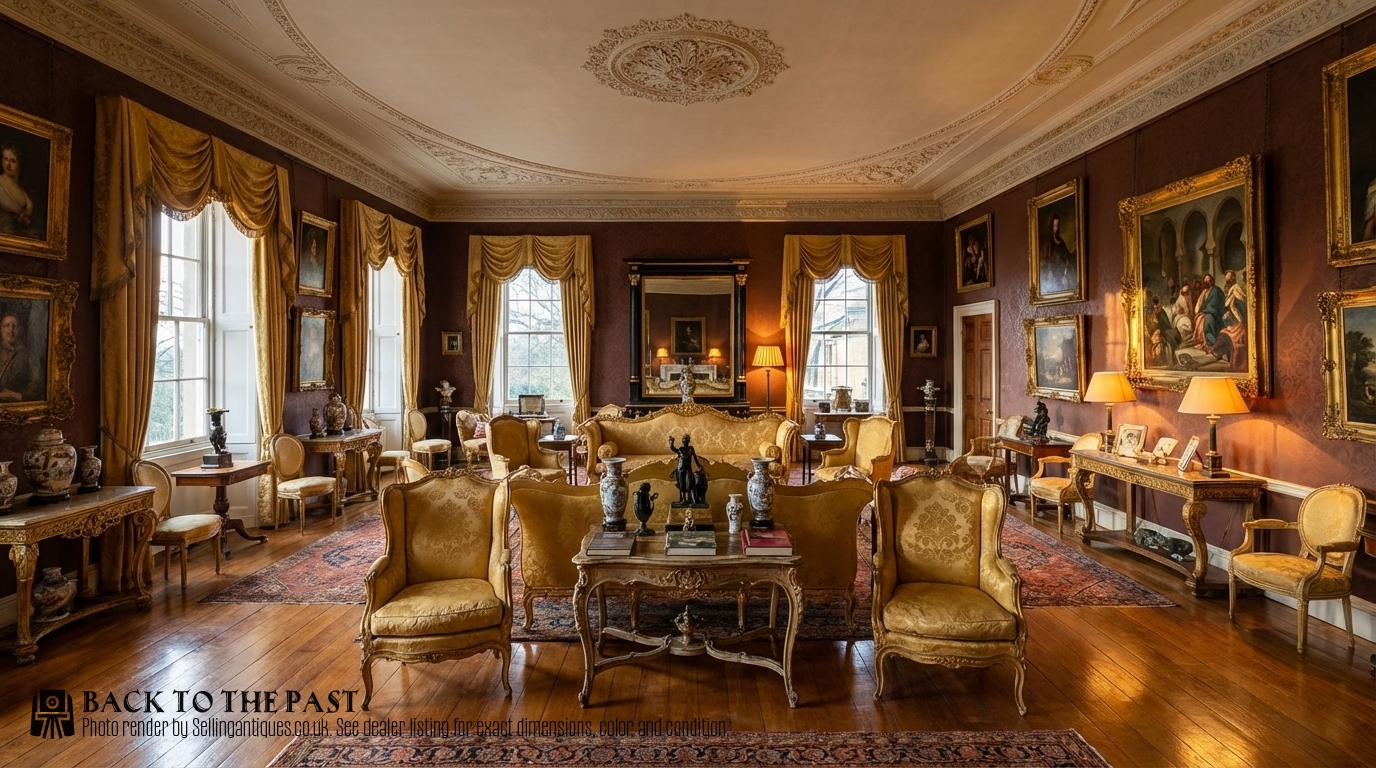
Traditional Overmantel Mirror
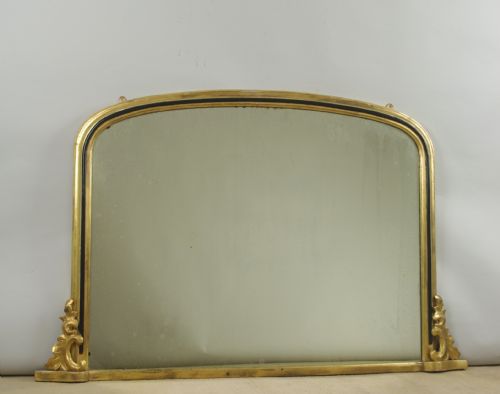
A traditional overmantel mirror sits directly above a mantelpiece, designed to reflect light and anchor the hearth within a room. The examples found here span the Victorian, Regency, and Edwardian periods, stretching from the mid-nineteenth century into the early twentieth century.
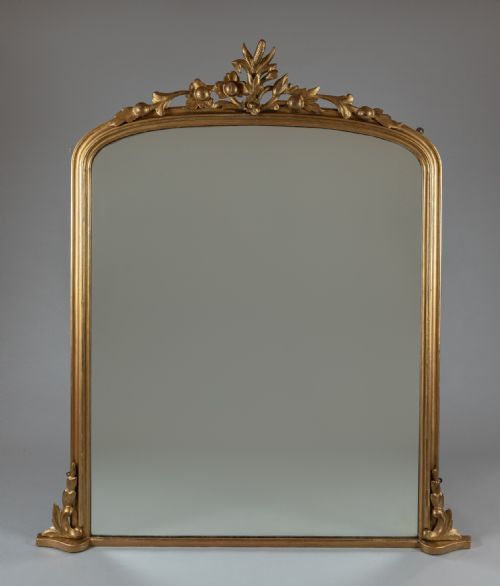
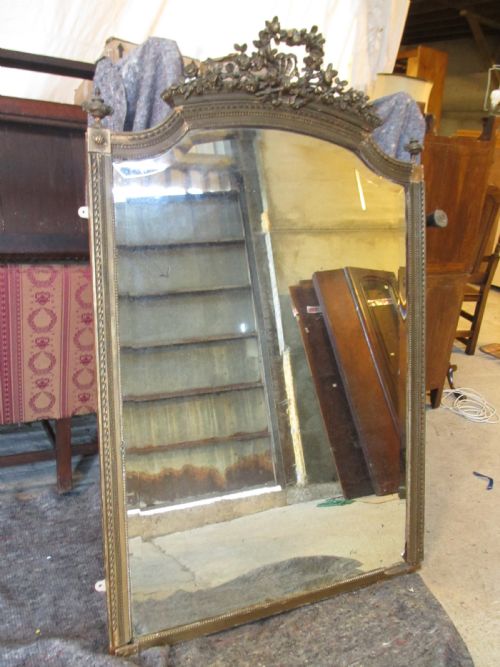
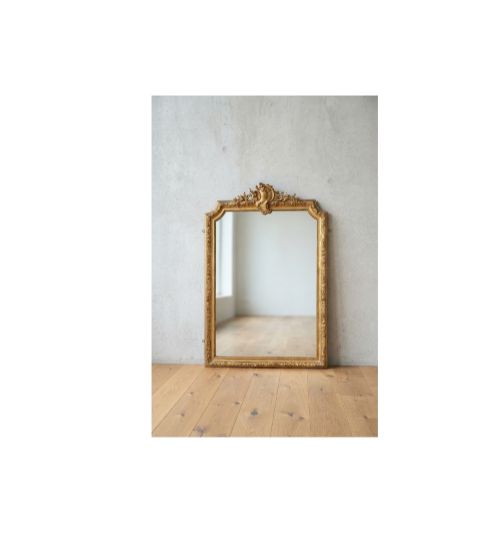
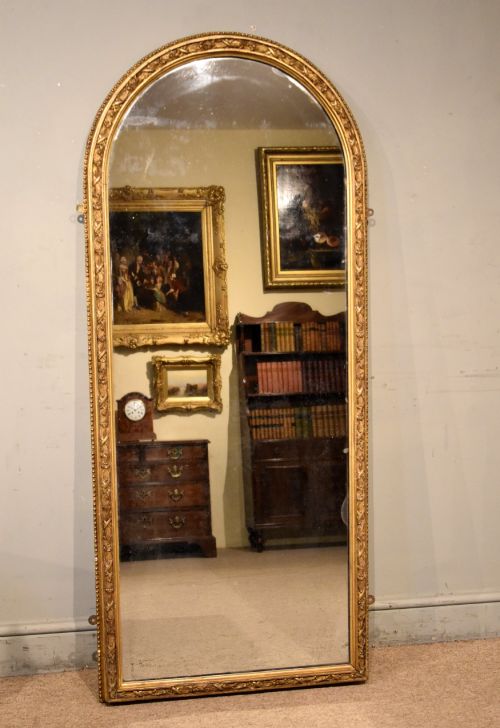
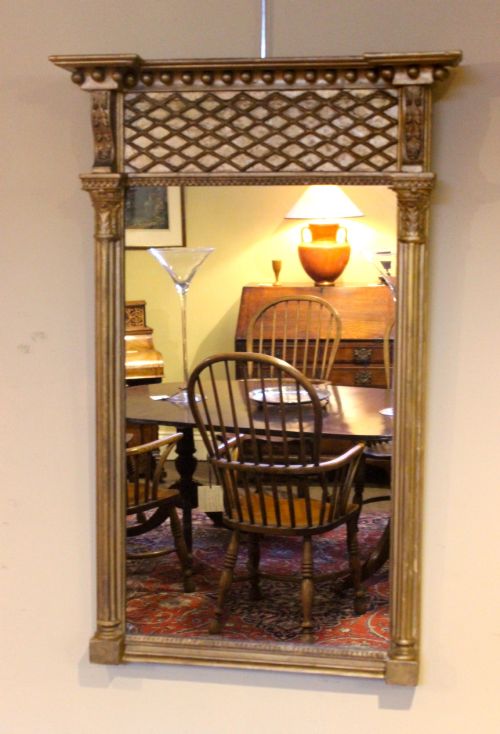
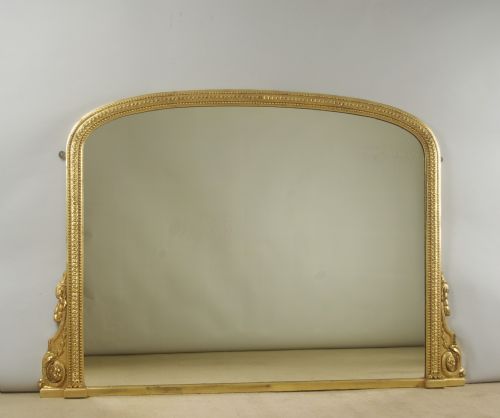
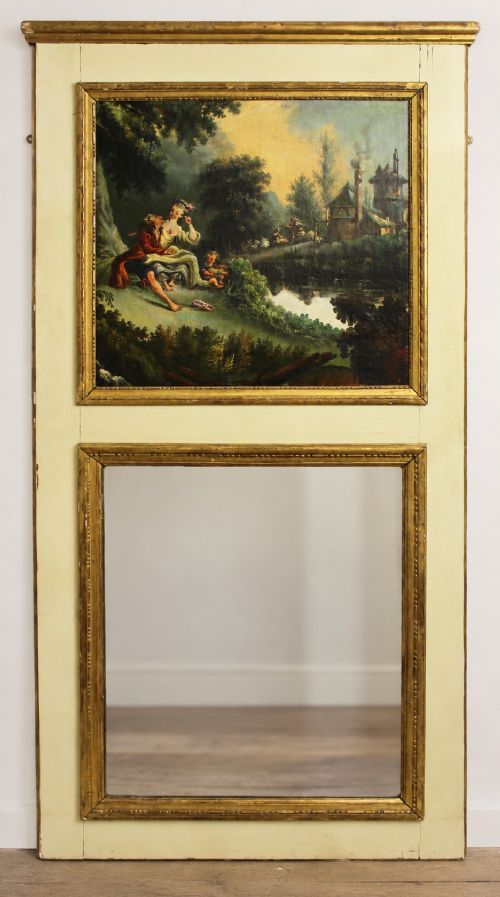
Most pieces encountered on this page display arched tops, often framed in carved wood and gesso with gilded finishes. Alongside these large Victorian and nineteenth-century English pieces, buyers will find occasional French styles, walnut frames, and mahogany structures.
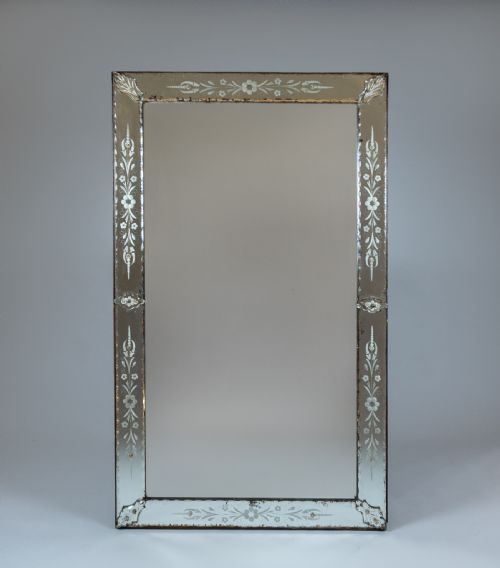
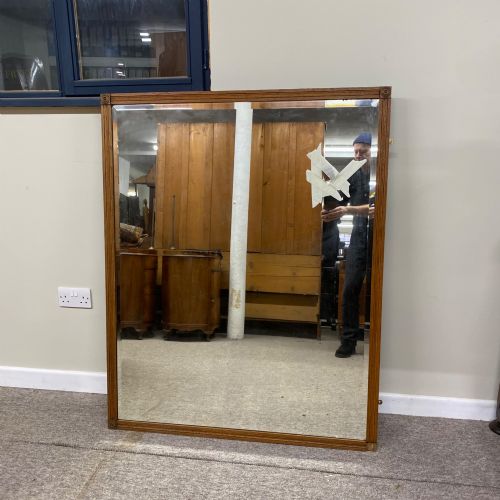
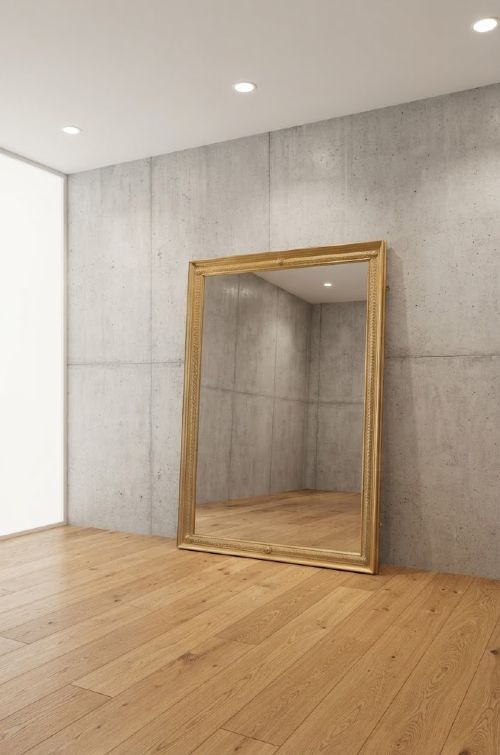
The assortment includes both grand, decorative items meant for principal reception rooms and simpler designs from the twentieth century. Variants encompass rectangular formats, shaped tops, and columns framing the glass plate.
Materials and construction
Makers utilised wood as the foundational structure, frequently employing carved timber or mahogany and oak for the primary frame. Over this base, artisans applied layers of gesso to build up intricate decorative motifs and mouldings before gilding the surface.
Gold leaf and composition ornaments provided the characteristic metallic sheen seen on nineteenth-century pieces, while paint and parcel-silvering appear on alternative designs. Mirror glass forms the reflective centre, often showing foxing developed over decades of age.
Traditional Overmantel Mirror Retail Price Guide 2026
Typical asking prices for traditional overmantel mirror among the pieces listed under this phrase on Sellingantiques today, from the lower quarter to the upper quarter. They describe what is for sale here now, not the wider market.
Some nineteenth-century mirrors retain nautical rope twist frames, bringing a subtle maritime touch to grand Victorian overmantels.
Determining quality
Quality rests upon the crispness of the carved wood and gesso ornamentation, where deep, hand-finished detailing distinguishes finer pieces from heavier, less defined mouldings. The depth and integrity of the gilding further separate superior examples from standard production.
The preservation of the original mirror glass plate contributes significantly to a piece's character, particularly when light foxing registers genuine age. Construction integrity within the wooden frame ensures the heavy glass remains secure over time.
The Traditional Overmantel Mirror Glossary
- Overmantel
- A large mirror specifically designed to hang on the wall directly above a fireplace mantelpiece. They often share proportions that match the width of the fireplace below.
- Gesso
- A plaster-like mixture applied to wood frames and carved or moulded into decorative reliefs before gilding. It provides a smooth base for gold leaf and paint.
- Giltwood
- Timber that has been coated with gold leaf or gilt paint to give a metallic gold appearance. This finish was widely applied to nineteenth-century reception room mirrors.
- Foxed glass
- Mirror glass displaying dark spots or patches caused by the degradation of the backing over time. This natural ageing process is valued by collectors for authenticity.
Traditional Overmantel Mirror: Frequently Asked Questions
Where should an overmantel mirror be hung?
These mirrors traditionally hang centrally on the chimney breast directly above the fireplace mantel. The lower edge usually rests slightly above the mantel shelf to anchor the visual weight of the hearth.
While designed for fireplaces, they function equally well mounted above low sideboards or large console tables in high-ceilinged reception rooms.
How do I date a traditional overmantel mirror?
Dating relies on examining the frame construction, the style of the wood carving, and the characteristics of the glass plate. Victorian pieces often feature heavy gesso ornamentation and arched tops, whilst Regency examples display cleaner architectural lines.
Secondary clues include the type of wood used in the backboards and the nature of any fixings or labels attached to the structure.
What is foxed glass on a mirror?
Foxed glass refers to the speckled or mottled appearance that develops on older mirror plates as the reflective backing deteriorates. This process occurs naturally over long periods due to atmospheric exposure.
Many collectors appreciate foxed glass because it confirms the antiquity of the mirror plate rather than indicating a modern replacement.
Are these mirrors heavy to hang?
Large nineteenth-century pieces possess considerable weight due to the combination of timber frames, thick gesso, and substantial glass plates. Secure installation requires fixing directly into wall studs or using heavy-duty masonry anchors suited to the specific wall type.
Professional hanging is recommended to safely support the substantial load of antique giltwood frames.