

Decorative Gilt Mirror
A decorative gilt mirror brings immediate light and scale to a room, anchored by centuries of carved wood and reflective glass.
What They Are
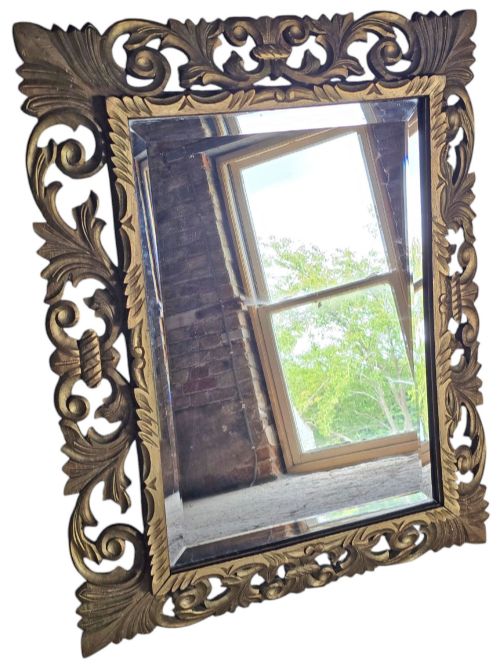
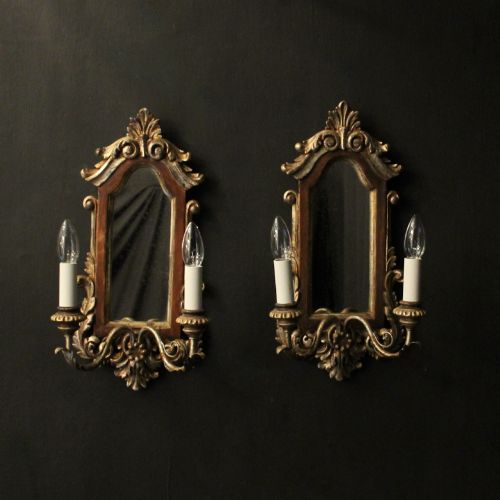
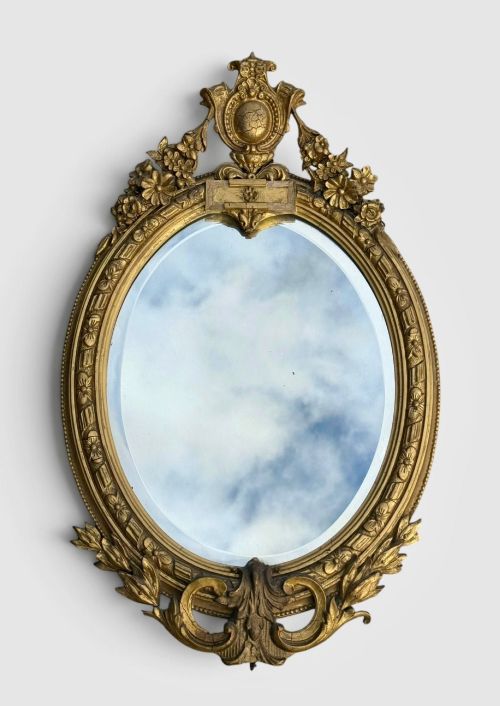
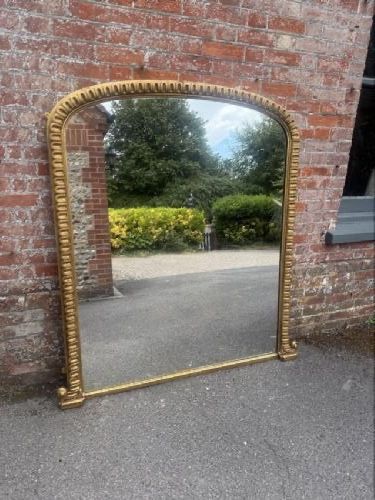
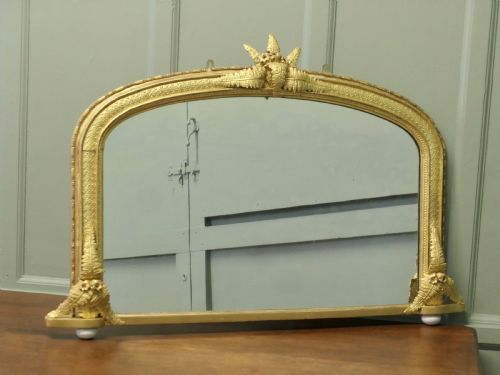
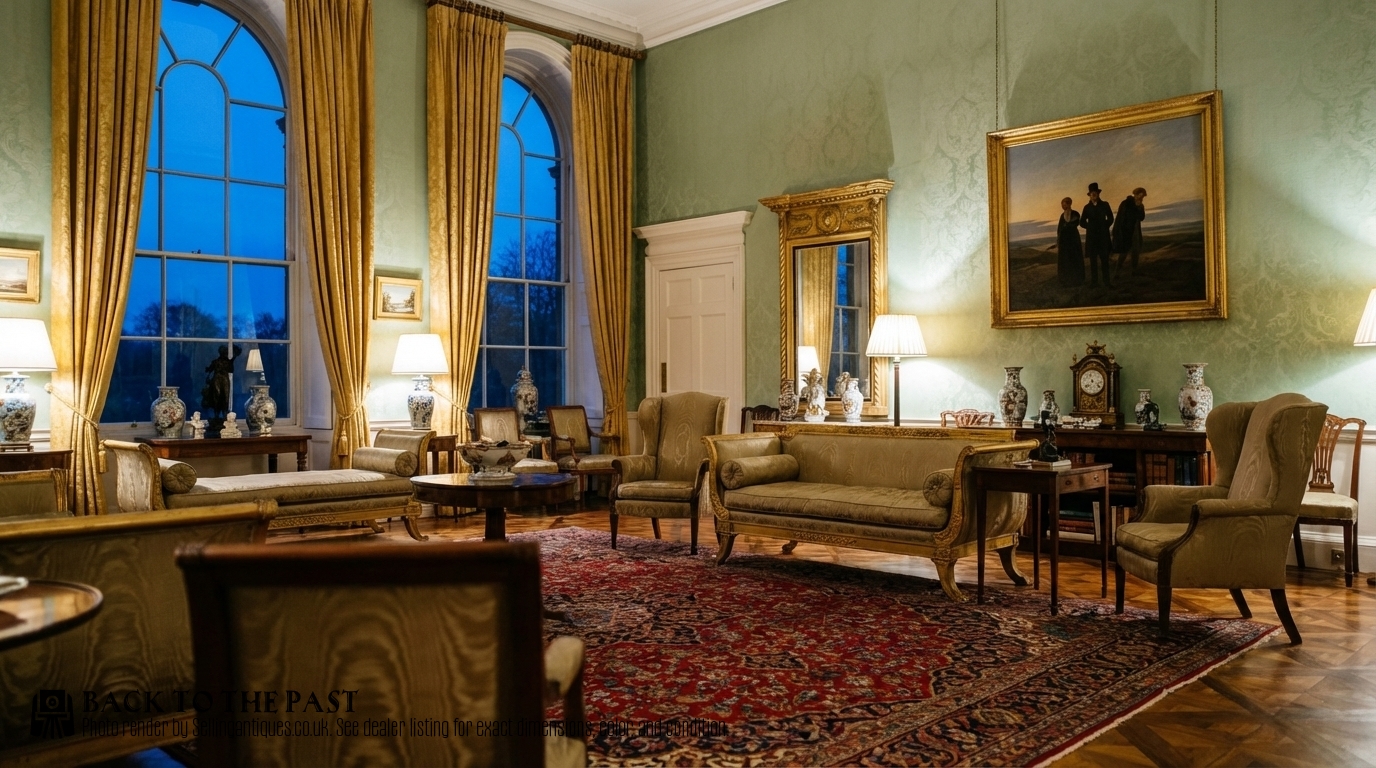
A decorative gilt mirror draws the eye through proportion and surface, functioning as both a practical looking glass and a central architectural feature in a room. These pieces range from large overmantels designed for fireplaces to smaller pier mirrors and hanging wall alternatives.
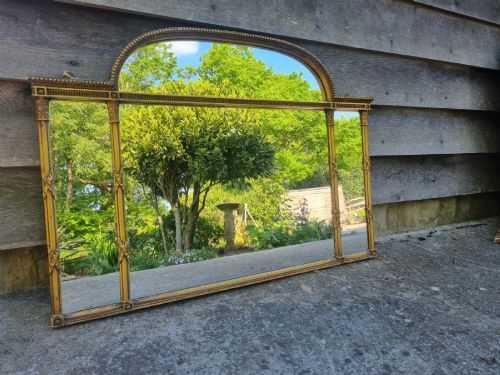
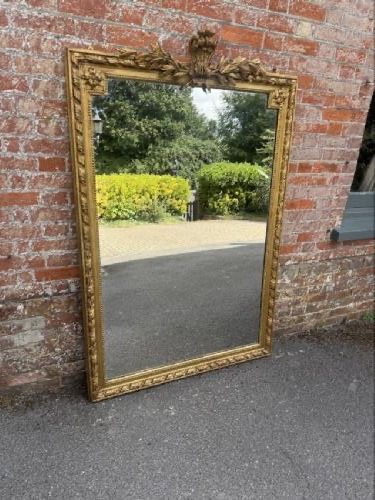
The decorative gilt mirror most frequently encountered on this page spans the nineteenth century, including distinct Regency examples alongside later Victorian and Edwardian interpretations. Makers deployed these across various domestic spaces, from grand reception rooms to smaller hallways.
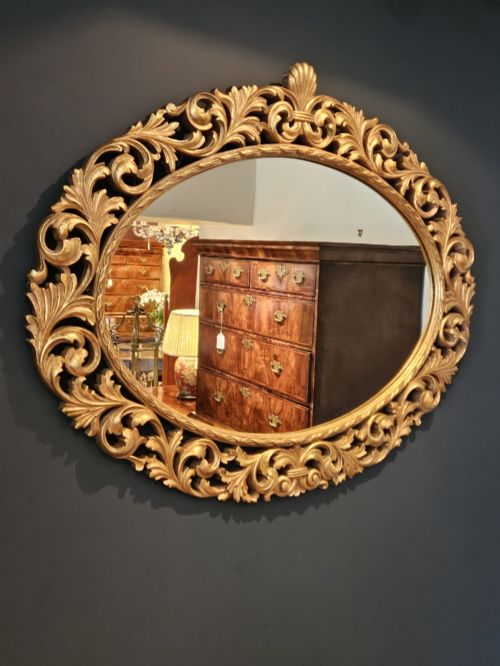
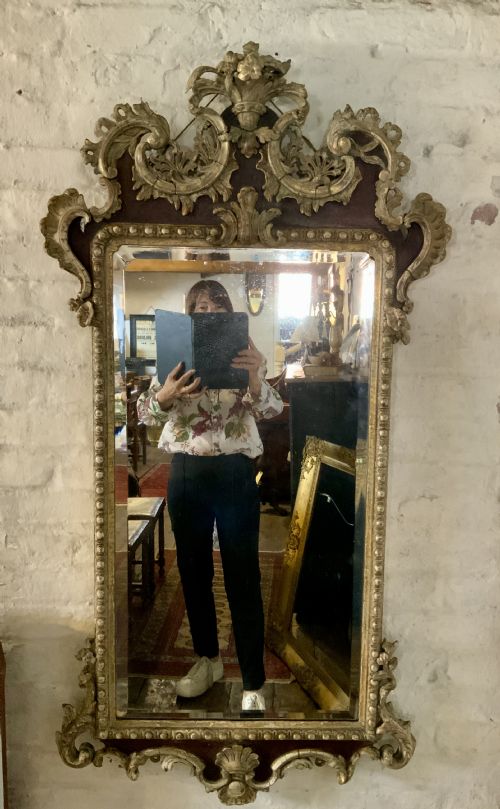
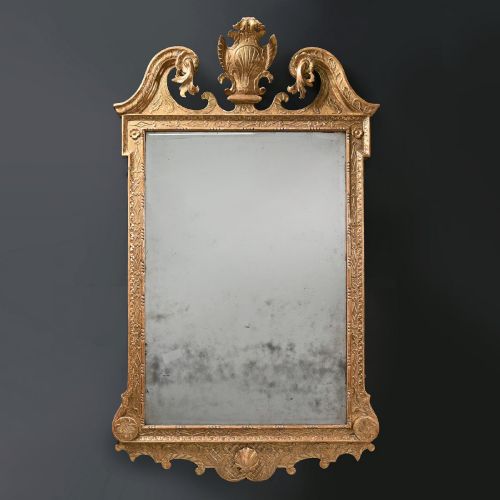
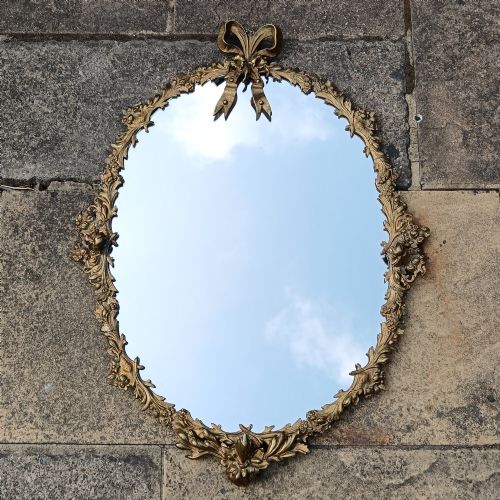
Forms shift between rectangular overmantels, tall pier mirrors, and circular or oval frames. French and English aesthetics dominate the record, utilising styles that span from Rococo revival curves to strict Regency geometry and later Art Deco framing.
How They Were Made
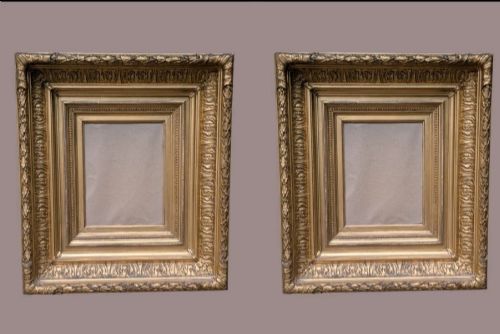
Artisans constructed the foundation of each decorative gilt mirror using carved wood, frequently applying layers of gesso to build intricate surface relief before gilding. Gold leaf or applied gilt metal then provided the luminous finish that defines the category.
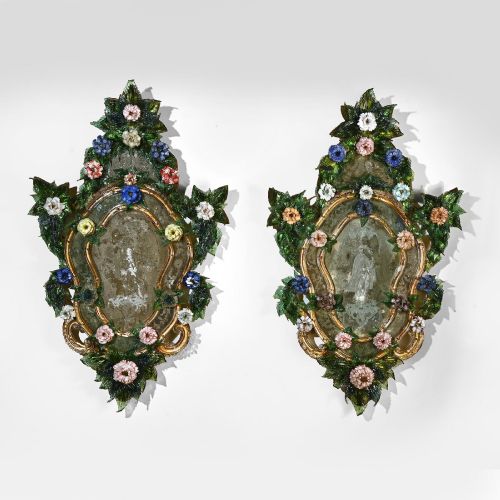
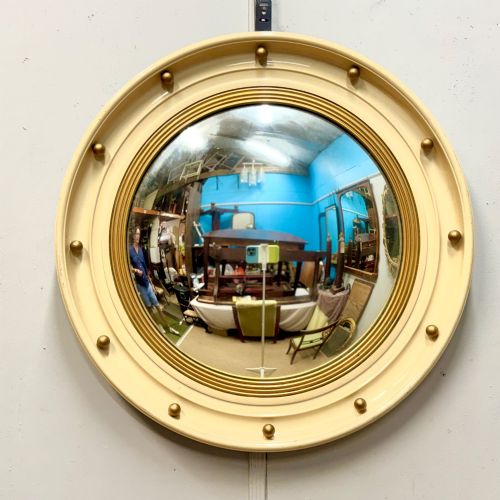
Certain examples incorporate alternative media alongside the wooden frame, utilising canvas, tapestry, glass panels, or painted details to enrich the visual depth. Frames range from simple moulded profiles to deeply carved motifs involving floral rosettes, gadrooned edges, and convex glass.
Retail Price Guide 2026
Typical UK retail prices for decorative gilt mirror, calculated from the Sellingantiques database of over a million retail prices indexed since 2003. This retail price guide relies exclusively on Sellingantiques data; no external sources or auction records are used, so the figures do not describe the wider market.
Listings feature periods from the Regency era through to Art Deco, utilising materials including gesso, giltwood, canvas, and tapestry.
What Varies in Quality
Quality in a decorative gilt mirror rests upon the crispness of the original carving and the integrity of the gilding over the gesso substrate. Superior examples retain their original gold leaf surfaces without heavy later interventions, allowing the underlying detail of the wood to remain sharp.
The complexity of the frame construction also separates standard production from finer work, seen in deep moulding profiles, hand-tooled ornament, and well-proportioned mirror plates. Proportion and balance dictate the architectural success of the piece within an interior.
The Decorative Gilt Mirror Glossary
- Giltwood
- Wood that has been coated with gold leaf or a gold-coloured substance. This material provides the warm, reflective surface characteristic of antique frames.
- Gesso
- A plaster-like mixture applied to wood frames to create a smooth surface for carving and gilding. Artisans used this substance to build up high-relief decorative details.
- Overmantel Mirror
- A large mirror designed specifically to hang above a fireplace mantelpiece. These pieces frequently span significant wall areas to reflect light across a principal room.
- Pier Mirror
- A tall, narrow mirror traditionally hung on the wall space between two windows. Their vertical proportions suited specific architectural locations in period houses.
- Convex Mirror
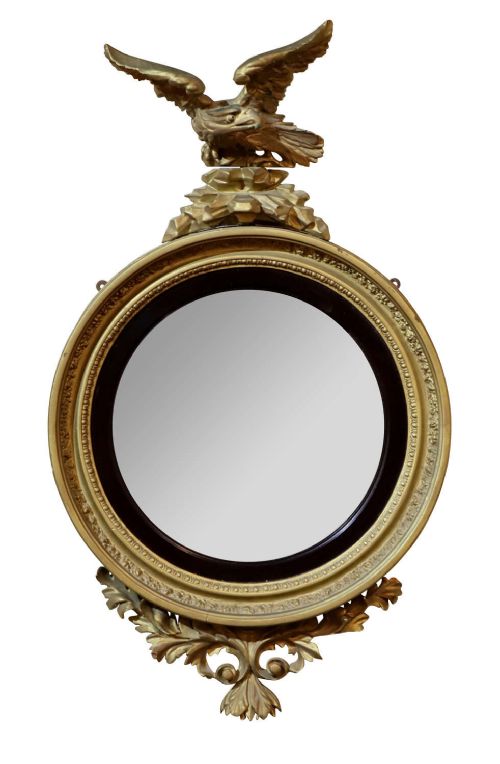
- A circular glass mirror with a curved outward surface that distorts reflections into a wide-angle view. These pieces often feature decorative frames with eagle surmounts or ball details.
Frequently Asked Questions
Where should I hang a large overmantel mirror?
These large pieces traditionally anchor the space directly above a fireplace mantelpiece, where their scale reflects interior light across the room.
Alternatively, position them against a main living room wall to act as a principal focal point.
How do I identify a Regency period mirror?
Regency pieces often display classical architectural motifs, such as reeded columns, ball appliques, and strict geometric proportions dating from the early nineteenth century.
They reflect the neoclassical tastes popular during that specific era.
Are these mirrors suitable for hallways?
Smaller wall mirrors and narrow pier mirrors fit comfortably into entrance halls, adding practical reflective glass to compact circulation spaces.
Their decorative frames introduce period character right at the entrance of a home.
What is a convex wall mirror used for?
Convex mirrors provide a wide-angle, fish-eye reflection of an entire interior space, historically serving both decorative and practical monitoring purposes in a room.
Their circular frames often feature distinct moulded balls or convex surrounds.