

Edwardian Hanging Mirror
An edwardian hanging mirror brings light and period character to a hallway or bedroom, combining practical reflection with fine craftsmanship.
Edwardian Hanging Mirror
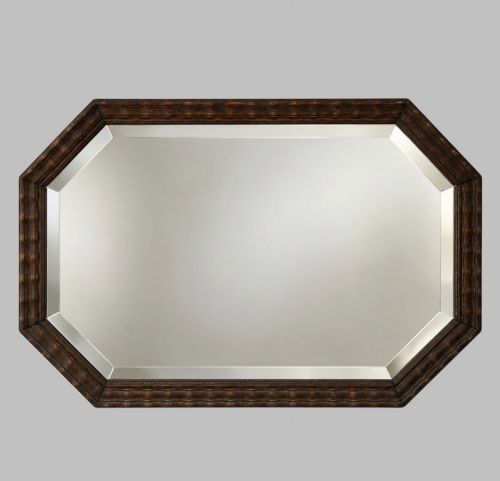
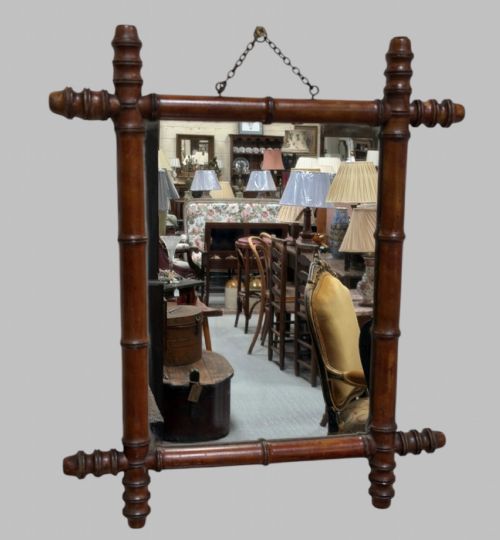
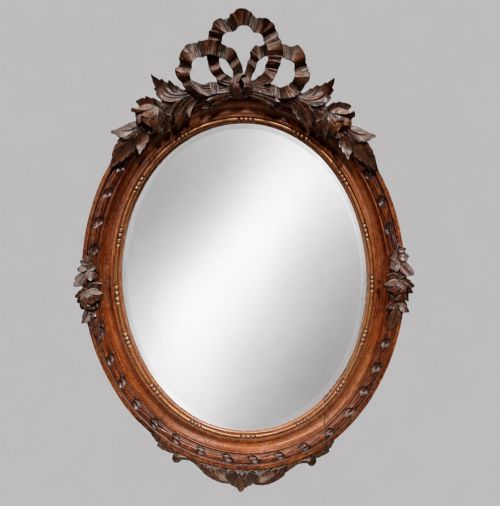
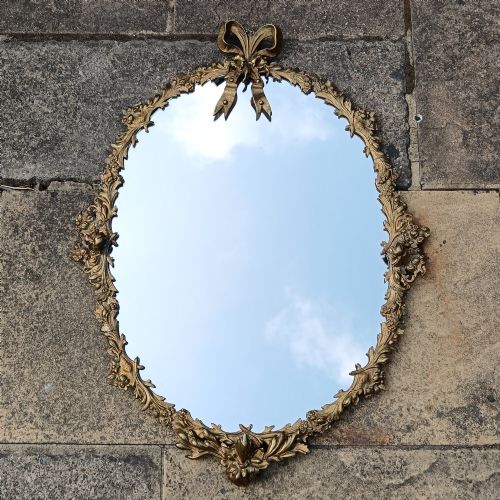
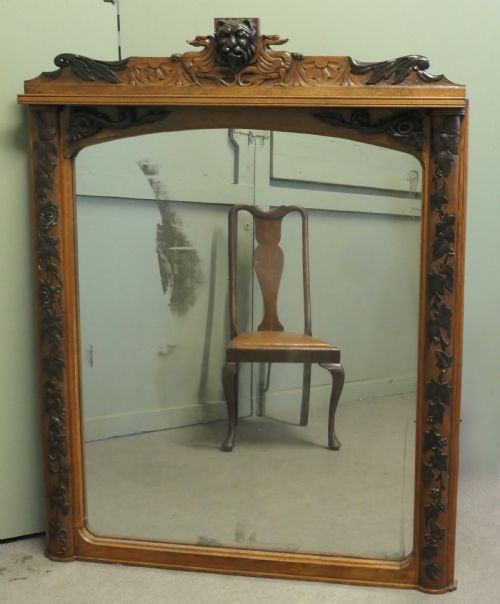
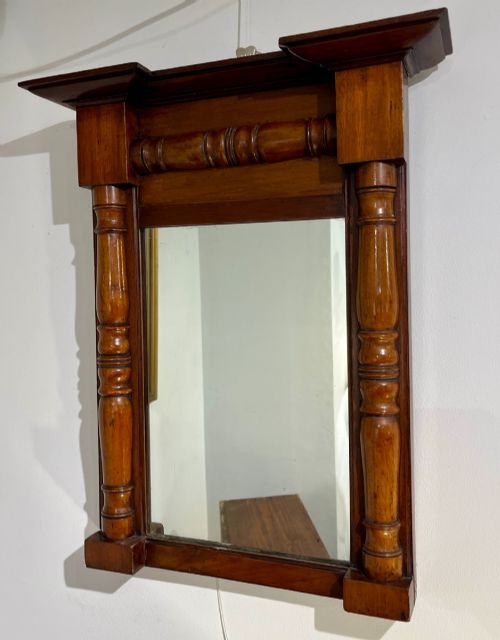
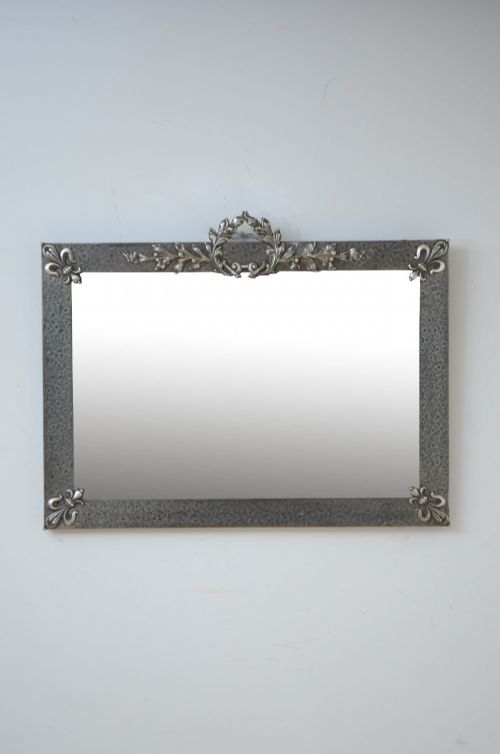
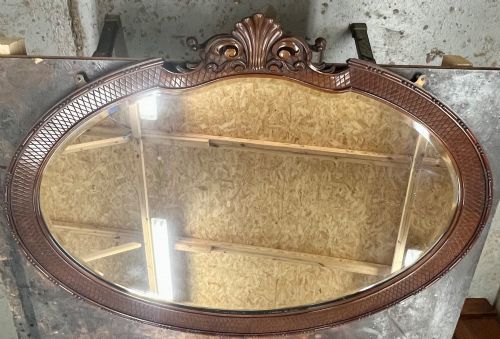
An edwardian hanging mirror is a wall-mounted glass panel set within a timber or gilded frame, designed to hang securely in domestic interiors. The pieces seen here span the turn of the twentieth century, with many examples originating directly from the Edwardian era alongside late Victorian and early twentieth-century survivals.
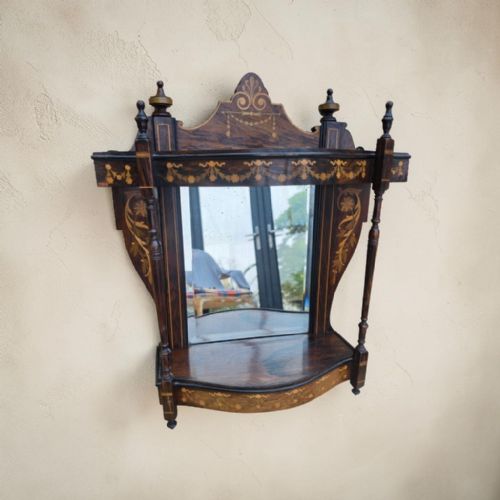
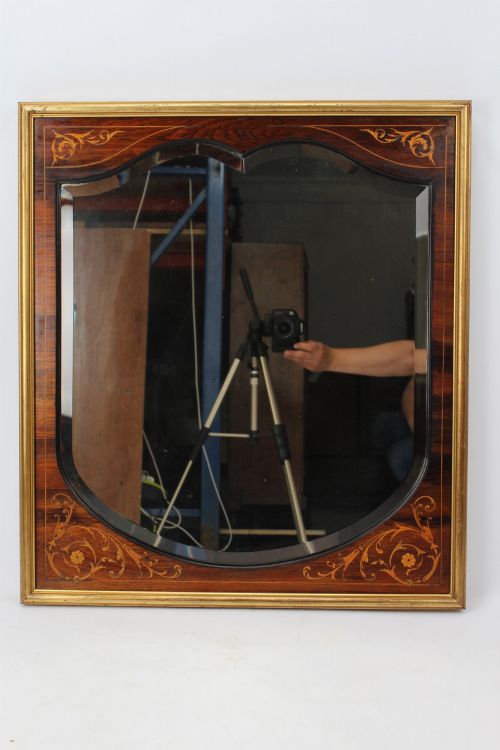
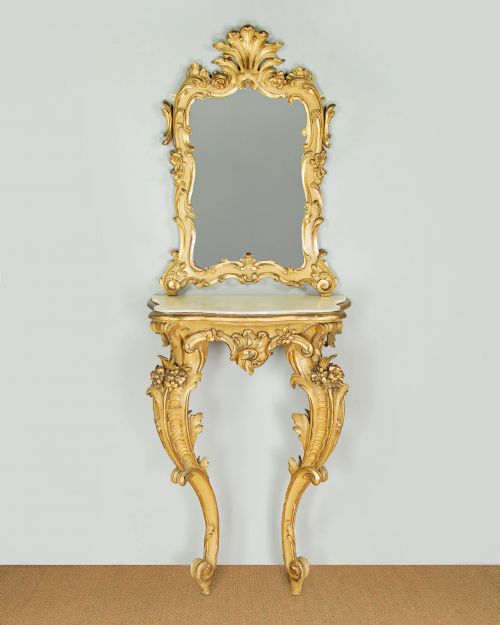
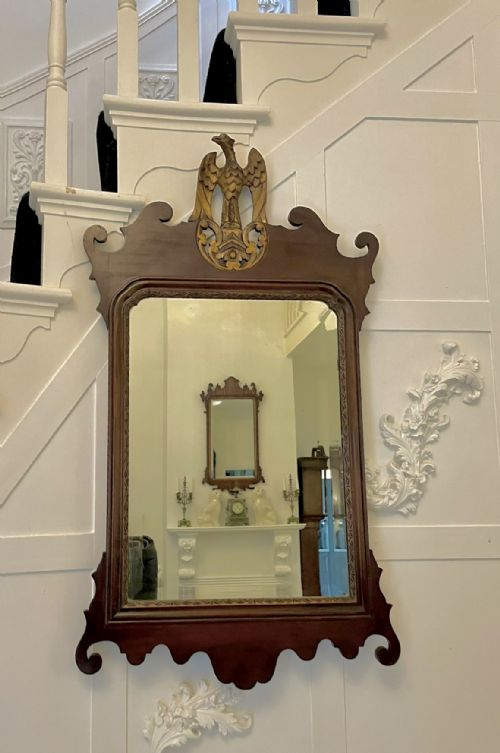
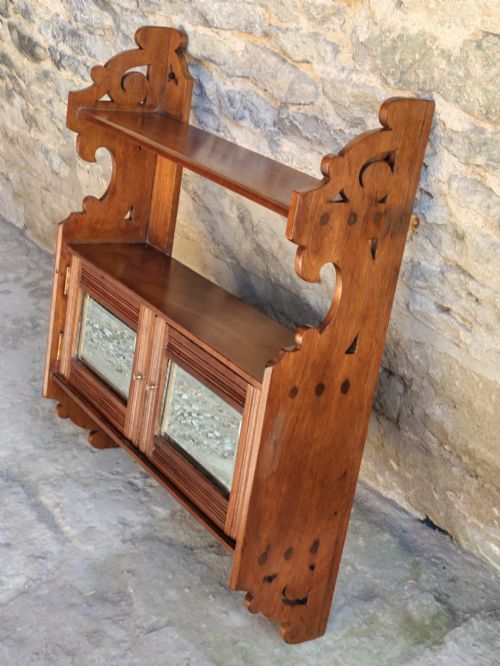
Forms vary from oval and rectangular wall mirrors to smaller hall or shaving mirrors fitted with tiny shelves for convenience. Mahogany and oak dominate the wooden frames, often enhanced by decorative inlay or fretwork, while revival styles look back to earlier classical and rococo designs.
Most pieces on this page are domestic wall mirrors intended for everyday rooms, reflecting the tastes of households seeking elegance and utility. They bridge the gap between functional household objects and decorative works of art.
How They Were Made
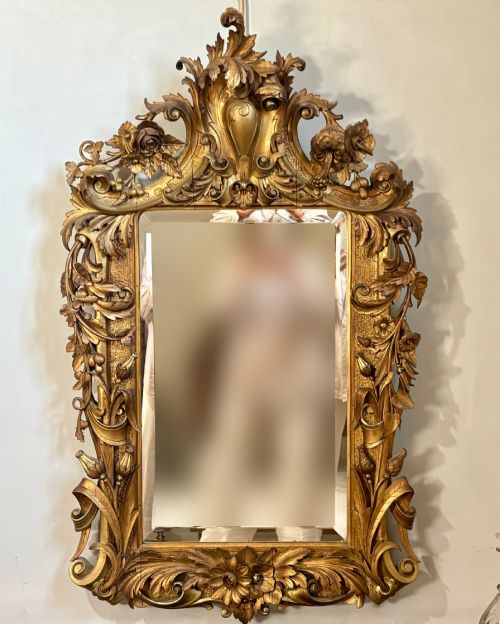
Makers constructed these frames using dense hardwoods like mahogany and oak, frequently employing delicate stringing and marquetry inlay to pattern the timber. Giltwood and gesso were also applied to carved wooden bases to create brilliant, reflective surfaces influenced by classical revivals.
Glass plates were silvered and often given a bevelled edge, set securely into rebated wooden frames or held behind metalwork mounts. Arts and Crafts pieces introduced hammered copper and brass details, demonstrating hand-worked metal techniques alongside traditional cabinetmaking.
Listings feature mahogany, oak, giltwood, and brass alongside Arts and Crafts and Chinoiserie styles.
What Varies in Quality
Quality rests upon the crispness of the carving, the precision of the wood inlay, and the depth of the finish applied to the frame. Superior examples display carefully selected timber veneers and clean joinery that remain tight after a century of hanging.
The clarity and condition of the mirror plate itself set finer pieces apart, particularly where bevels are cleanly ground or glass panels retain original mercury plates. Elaborate fretwork and well-preserved gilding also indicate higher workshop standards.
Waring And Gillow·Maple And Company
The Edwardian Hanging Mirror Glossary
- Bevel
- A slanted edge ground around the perimeter of a mirror glass. This technique catches the light and adds depth to the reflection.
- Fretwork
- Openwork ornamentation carved or cut out from a thin board of wood. It is commonly found on the crests of Edwardian and Chippendale revival frames.
- Inlay
- Pieces of contrasting timber, shell, or metal fitted into depressions in the wood surface to form a decorative pattern. Edwardian makers utilised this extensively on mahogany.
- Gesso
- A plaster-like mixture applied to wood frames as a smooth base for gilding. It allows for intricate, moulded relief decoration.
- Pier glass
- A tall mirror designed to hang on the wall between two windows, often placed above a small console table.
Edwardian Hanging Mirror: Frequently Asked Questions
Where should I hang an edwardian hanging mirror?
These mirrors suit hallways, bedrooms, and living rooms where they bounce light around the space and create a sense of depth. Placing one above a mantelpiece or console table provides a balanced focal point in a room.
Ensure the wall fixings match the weight of the frame, particularly for larger mahogany and giltwood examples. Using a sturdy wall plug and screw supports the original hanging loops safely.
How do I tell an Edwardian mirror from a Victorian one?
Edwardian frames tend to feature lighter timbers, simpler inlaid patterns, and a brighter aesthetic compared to the darker, heavier woods favoured by Victorian makers. Revivals of earlier styles overlap across both periods, making timber choice and decorative restraint useful indicators.
Looking at the construction of the backboards and fixings also helps determine the age. Original brass rings and screws offer reliable clues to the period of manufacture.
Are these mirrors heavy to hang?
Weight varies considerably depending on the materials used, ranging from light ash or mahogany frames to heavy oak and giltwood pieces. Solid timber frames with thick glass plates require secure anchorage into brick or studwork.
Check the back of the frame to ensure the original hanging wire or brackets remain strong. Replacing old cord with modern picture wire ensures safe wall mounting.
How do I clean an antique mirror glass?
Wipe the glass gently with a soft microfibre cloth slightly dampened with water or a mild glass cleaner. Avoid spraying liquid directly onto the glass, as moisture can seep behind the plate and damage the silver backing.
Keep cleaning solutions away from the wooden frame or gilt surfaces to protect the original finish. Old gilding is particularly sensitive to moisture and harsh chemicals.