

Classical Gilt Wall Mirror
A classical gilt wall mirror brings architectural symmetry and warm reflected light to an interior.
Classical Gilt Wall Mirror
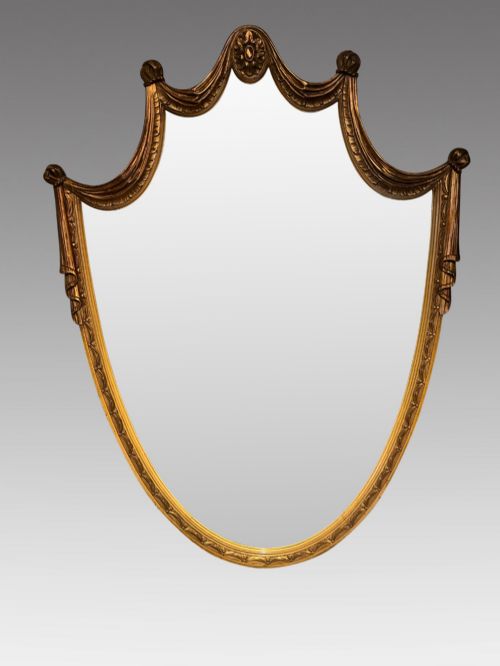
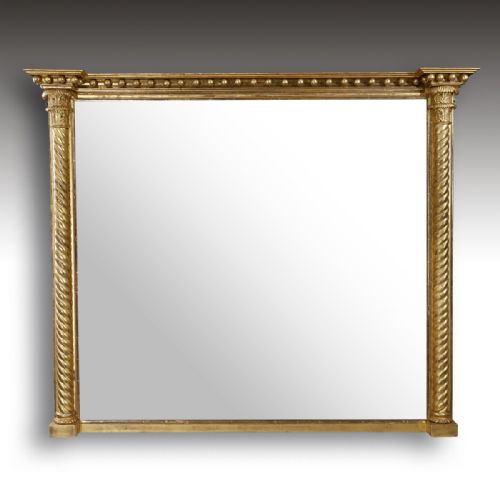
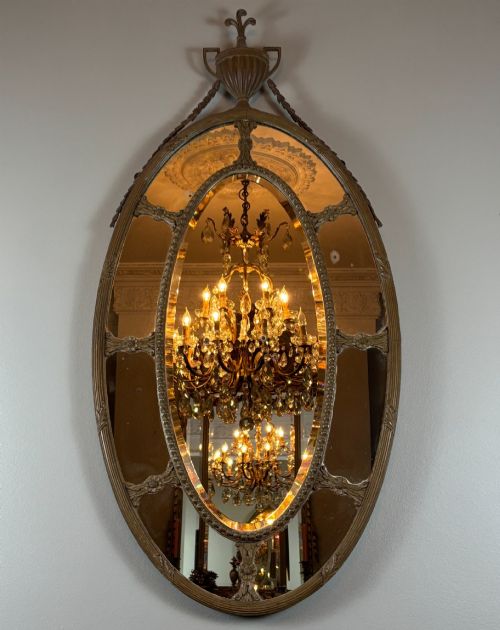
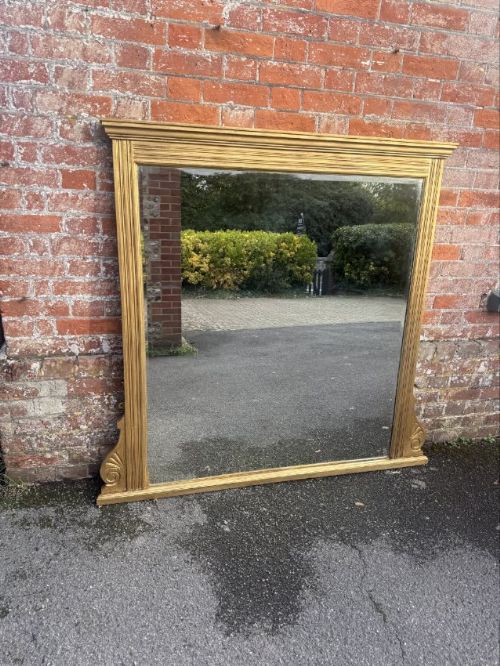
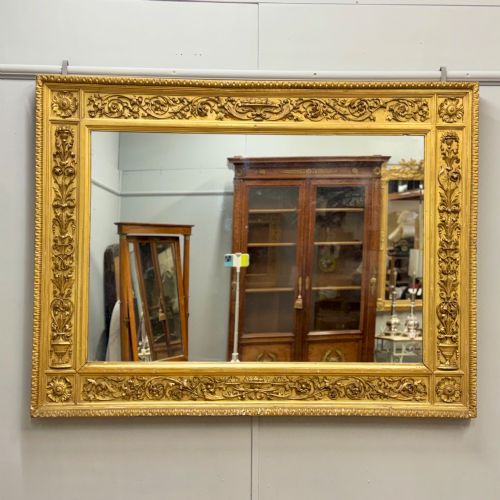
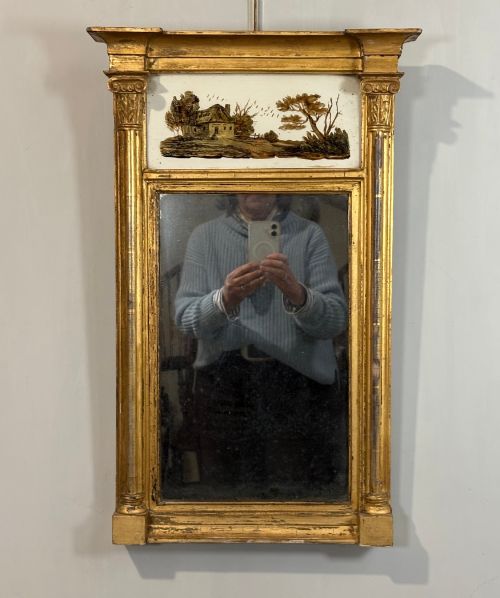
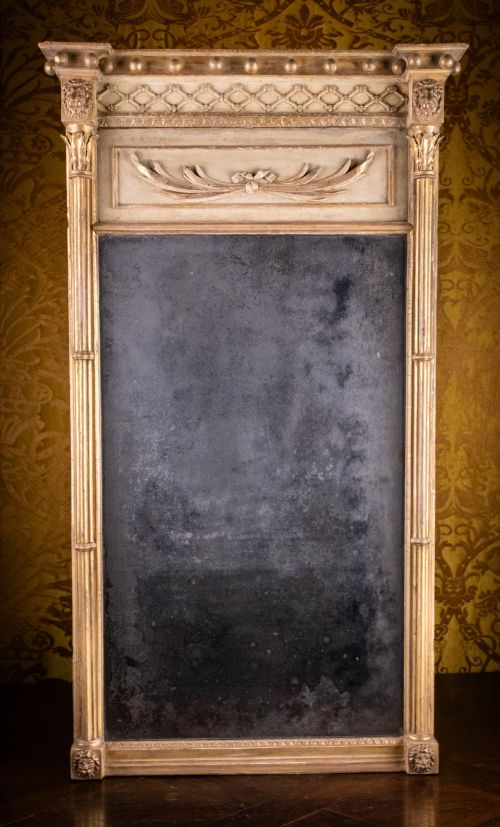
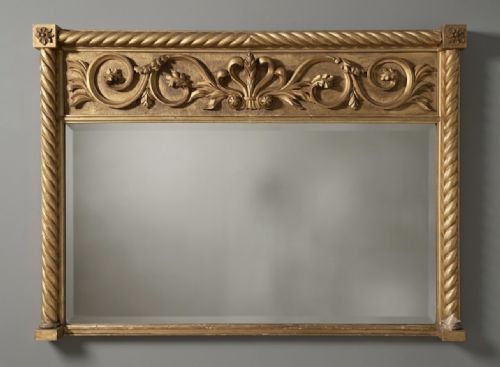
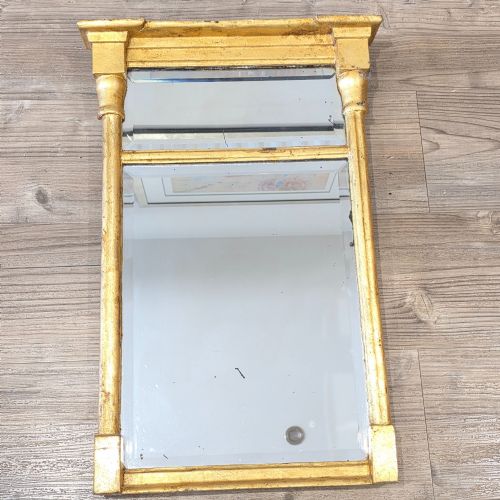
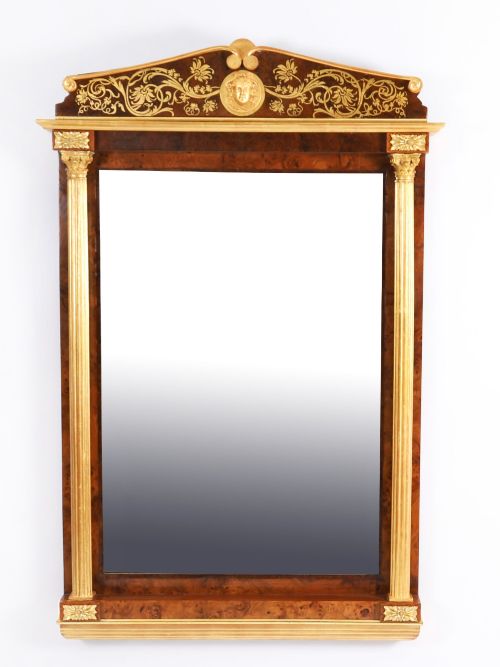
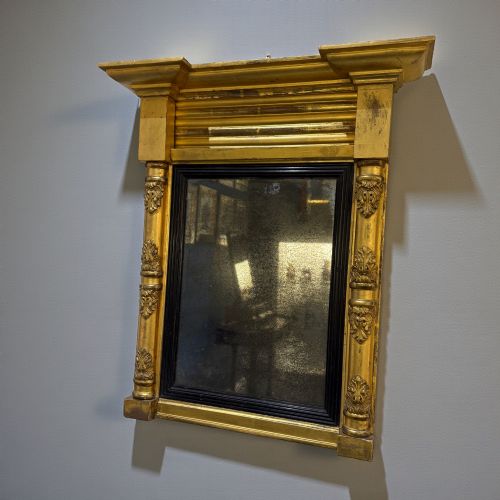
A classical gilt wall mirror is a framed looking glass designed to hang on a room's wall, drawing upon historical design vocabularies like Georgian, Regency, and Neo-Classical styles. These pieces function as both practical reflectors of light and substantial decorative focal points within a traditional interior.
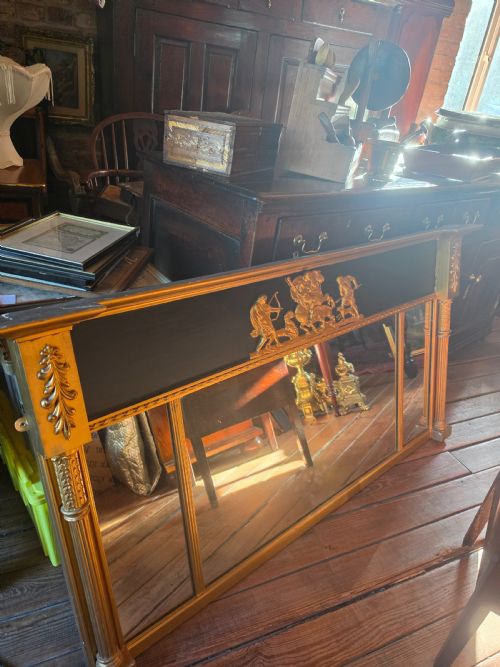
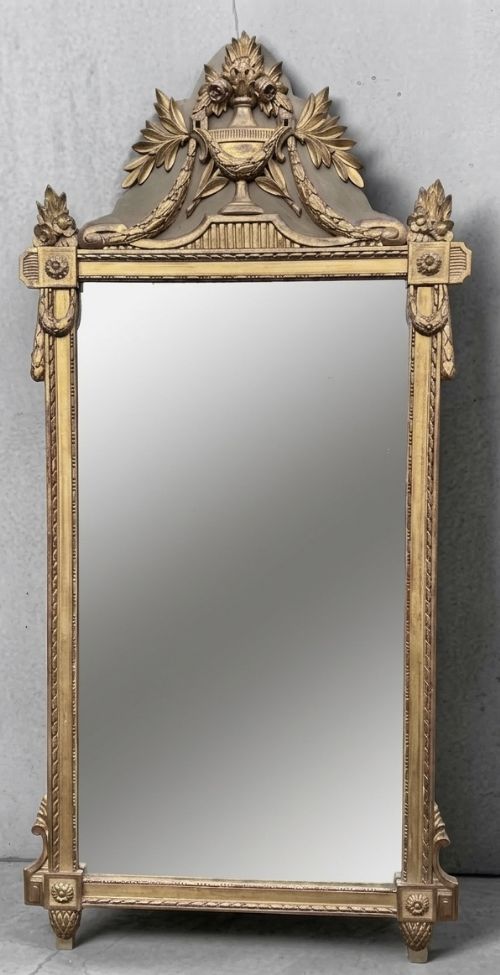
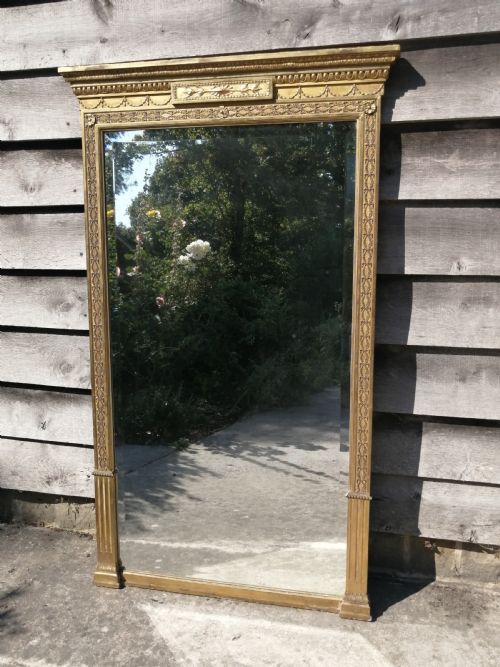
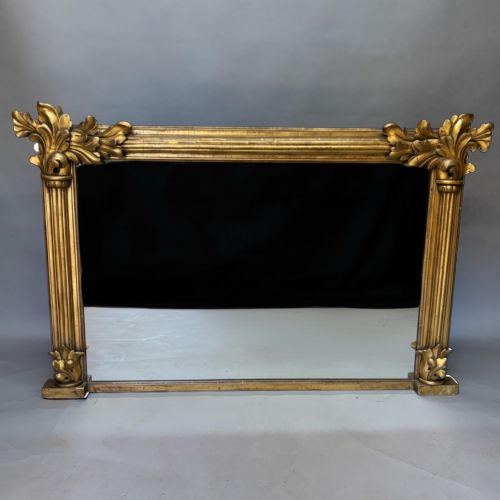
Buyers browsing this selection will encounter formats ranging from substantial overmantel mirrors and tall pier glasses to smaller oval and rectangular wall mirrors. The evidence shows origins spanning the eighteenth, nineteenth, and early twentieth centuries, including English, French, and Italian examples.
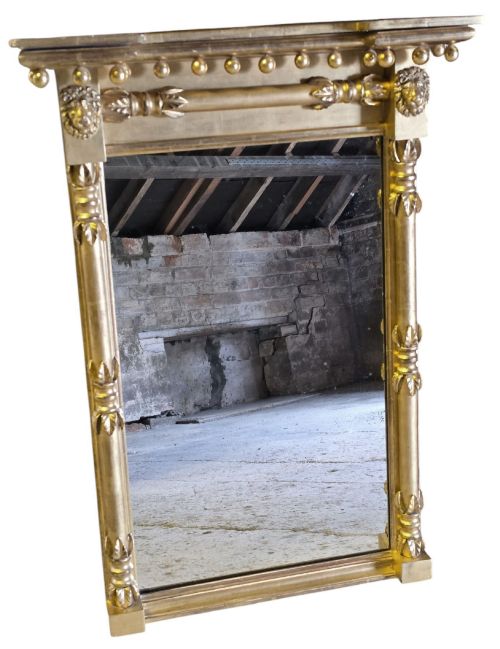
The decorative language relies heavily on classical motifs, with carved woodwork, gesso ornamentation, and floral or mythological details appearing frequently across the inventory. Whether selected as a grand overmantel piece or a compact wall hanging, each mirror carries the distinct stylistic markers of its period.
How they were made
Makers constructed the primary frames using timbers such as wood, upon which they applied layers of gesso to build up intricate relief ornaments and mouldings. Giltwood and parcel-gilt finishes were achieved through the application of gold leaf or metallic paint over the prepared surfaces.
The reflective surfaces consist of traditional mirror plate and glass, fitted securely behind the carved wooden and gesso frames. Many frames feature detailed mythological, floral, or classical carvings executed by hand before the final gilding process took place.
Classical Gilt Wall Mirror Retail Price Guide 2026
Typical asking prices for classical gilt wall mirror among the pieces listed under this phrase on Sellingantiques today, from the lower quarter to the upper quarter. They describe what is for sale here now, not the wider market.
French workshops occasionally added mythological carvings to their mirrors, ensuring your reflection comes with a side of ancient drama.
What varies in quality
The crispness of the carved details and the depth of the gesso relief ornamentation distinguish finer examples from simpler production. Superior pieces demonstrate precise execution in their classical motifs and floral carvings, whereas lower tiers show softer lines and heavier, less articulate moulding.
The integrity of the original gilt surface and the preservation of the antique mirror plate significantly influence the character of the piece. Surviving frames with untouched gilding and period glass possess a visual depth that later restorations or replacements cannot replicate.
The Classical Gilt Wall Mirror Glossary
- Giltwood
- Timber that has been coated with gold leaf. This finish gives the frame its characteristic metallic brilliance and warmth.
- Gesso
- A plaster-like mixture applied to wooden frames and carved to create raised ornament. It provides a smooth base for subsequent gilding.
- Overmantel mirror
- A large mirror designed to hang specifically above a fireplace mantel. These pieces often span significant horizontal proportions.
- Pier glass
- A tall, narrow mirror traditionally hung on the pier of wall between two windows. They reflect natural light deep into the room.
- Neo-Classical
- A style reviving the classical art and architecture of ancient Greece and Rome. It informs the symmetry and decorative vocabulary of many frames here.
Classical Gilt Wall Mirror: Frequently Asked Questions
How do I clean a gilt mirror?
Dust the carved frame gently with a soft, dry brush to protect the delicate gesso and gold leaf layers. Avoid using chemical sprays or moisture directly on the gilt surfaces.
Clean the mirror glass itself sparingly using a slightly damp cloth, taking care that no liquid seeps behind the frame edges where it might damage the backing.
Where should I hang an overmantel mirror?
An overmantel mirror traditionally hangs centrally above a fireplace, anchoring the decorative arrangement of the room. It reflects the opposite space and draws natural light upward.
Ensure the wall fixings are robust enough to support the substantial weight of these large wooden and gesso frames safely.
How do I identify a Georgian mirror?
Georgian mirrors typically exhibit precise classical proportions, carved wooden frames, and traditional gesso work reflecting eighteenth-century design standards. Look for hallmarks of the period such as symmetrical Neo-Classical motifs or George III styling.
Construction details, timber ageing, and the characteristics of the mirror plate help confirm the historical period of manufacture.
What is the difference between giltwood and gesso?
Giltwood refers to solid or constructed wood that has been directly gilded with gold leaf, showcasing the underlying wooden substrate or fine joinery. Gesso is the applied plaster compound used on wooden frames to sculpt raised details before gilding takes place.
Many antique frames utilise a combination of both materials, employing carved wood for structural integrity and gesso for intricate relief ornament.