
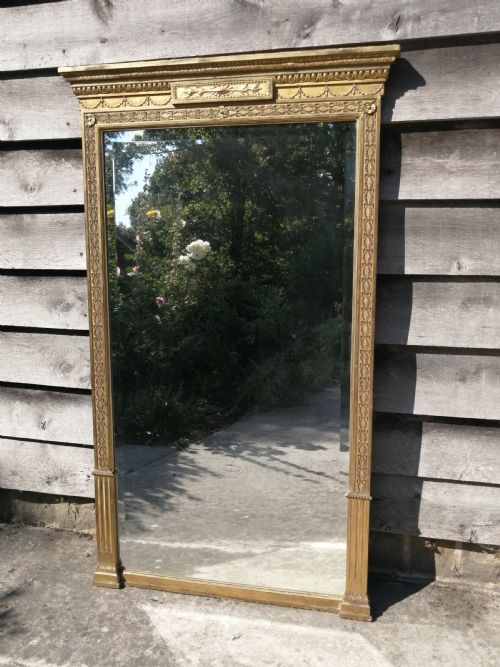
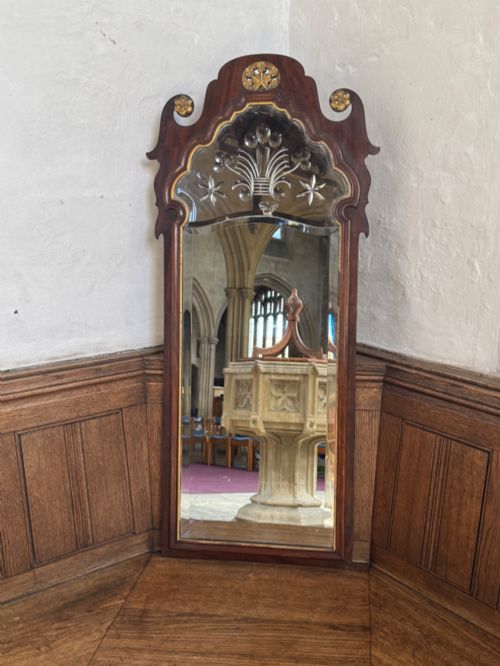
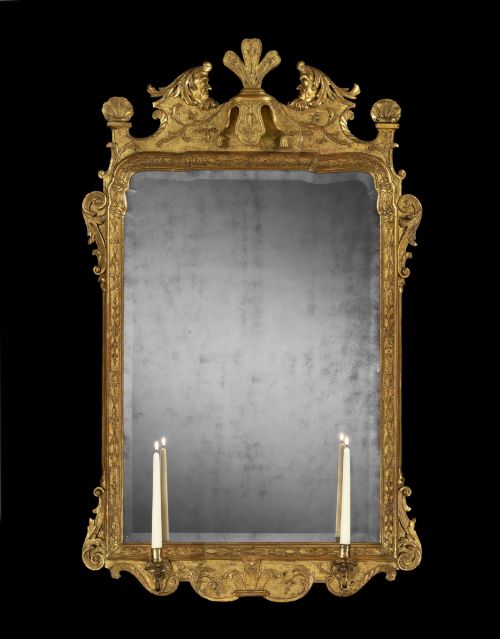
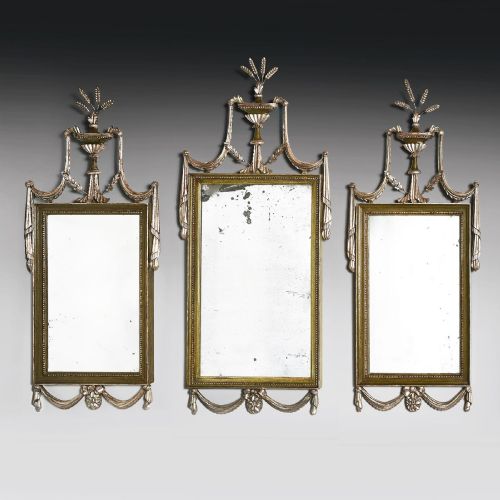
Georgian Pier Glass Mirror
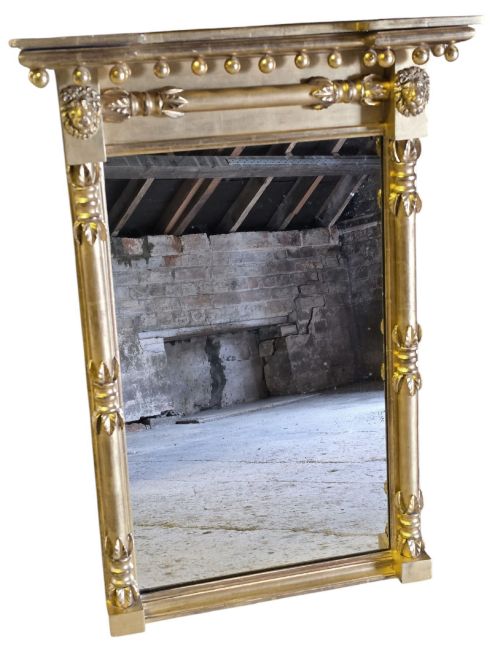
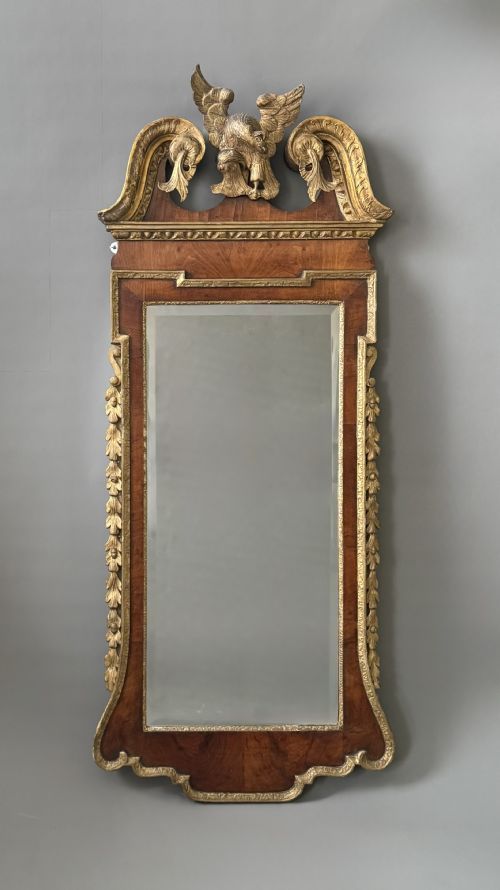
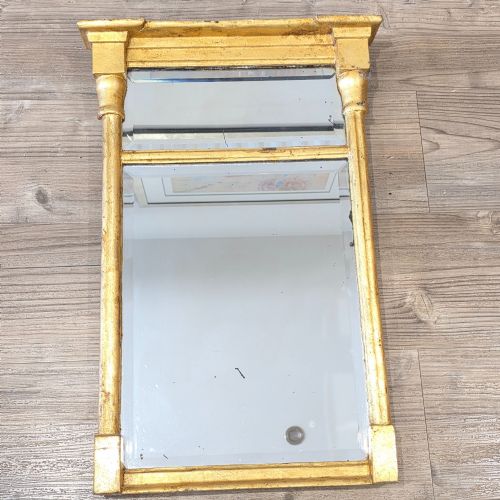
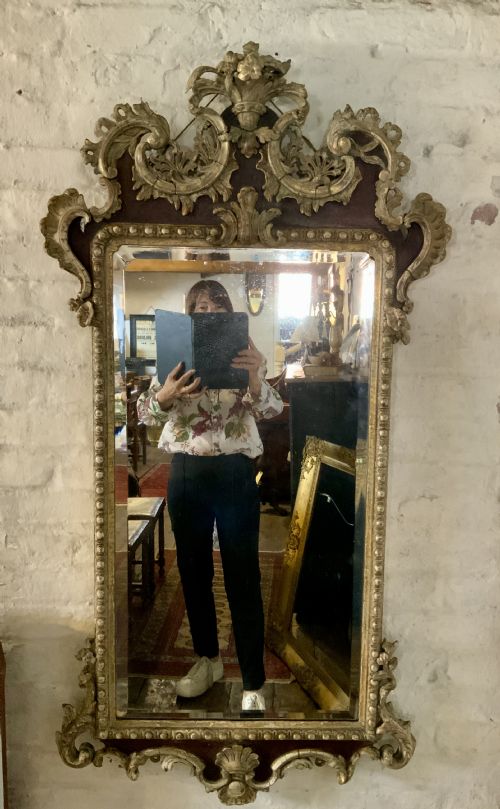
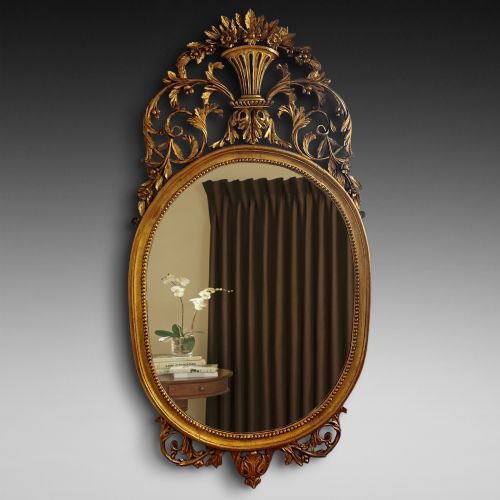
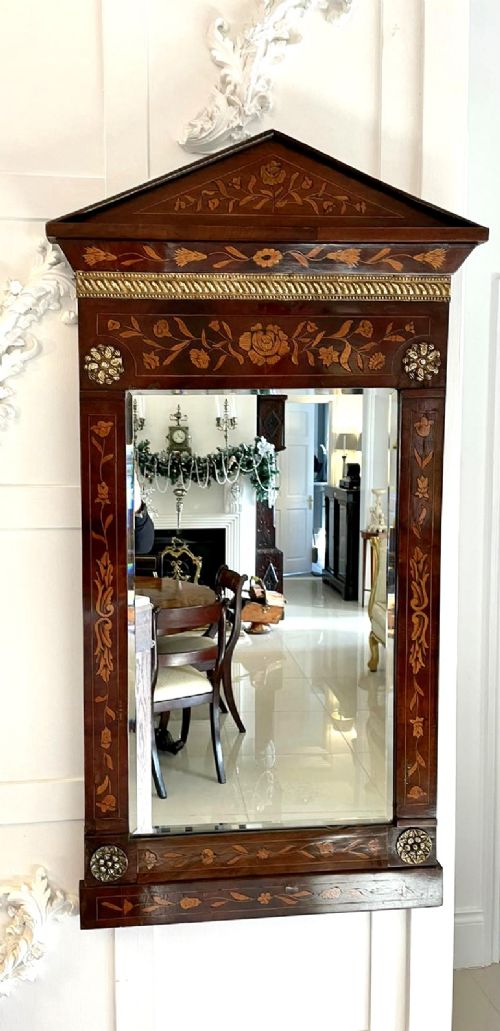
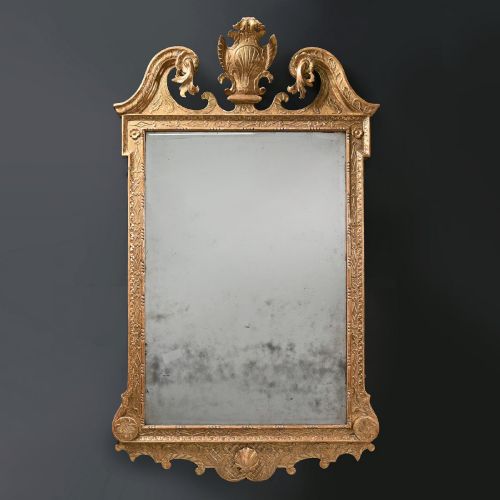
When you search for a georgian pier glass mirror, you are looking at tall, narrow wall-hanging plates designed historically to hang on the narrow wall space between two windows.
Georgian Pier Glass Mirror
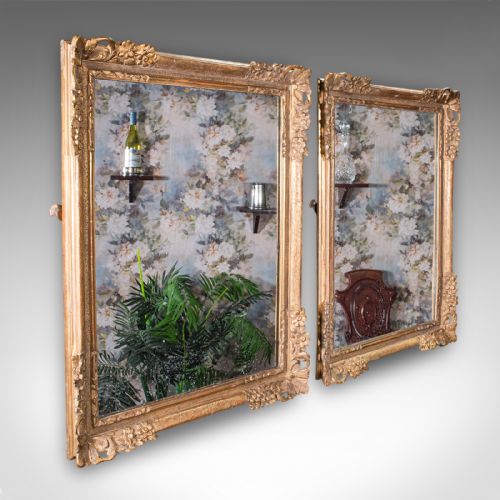
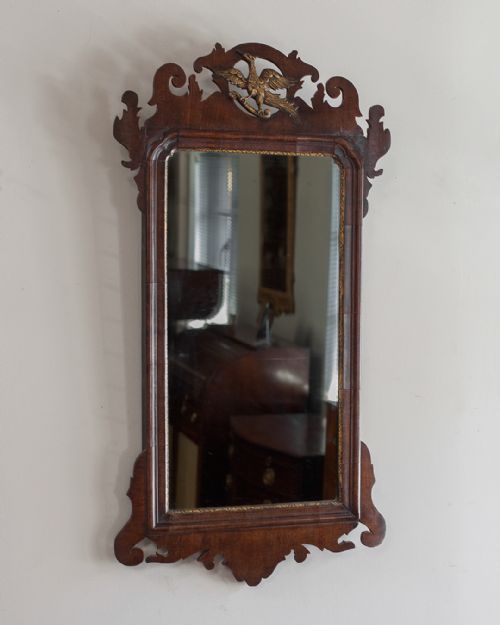
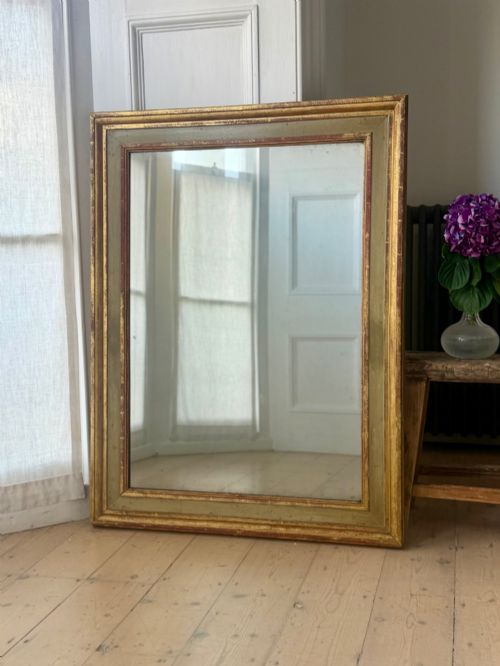
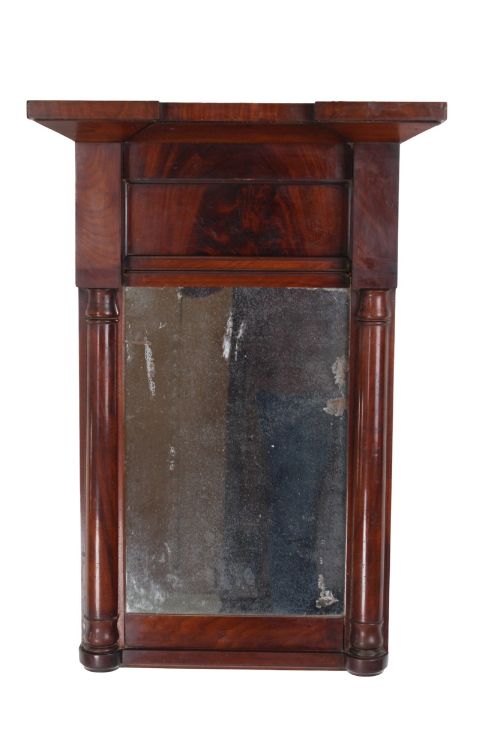
A georgian pier glass mirror functions as both a functional looking glass and a grand architectural element designed for the narrow expanse of wall situated between windows. These pieces span centuries of production, appearing in authentic 18th-century forms alongside later revival iterations influenced by George II, George III, and Regency tastes.
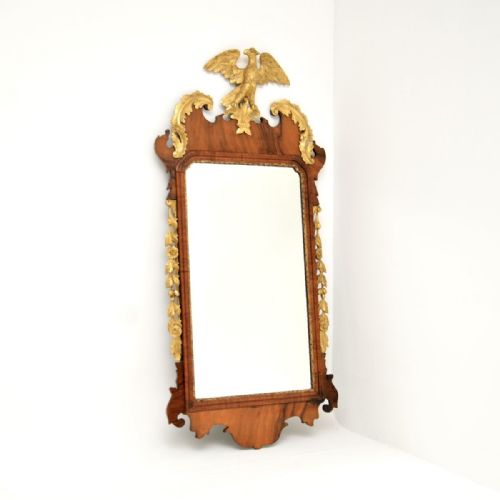
The selection ranges from elaborate carved giltwood and gesso frames to understated mahogany, walnut, and parcel-gilt constructions. Buyers frequently encounter formats incorporating decorative verre églomisé panels, reverse-cut plates, or fretwork fret-cut silhouettes derived from Chippendale design vocabulary.
How they were made
Craftsmen built timber frames primarily using dense native hardwoods such as mahogany and walnut, frequently applying fine veneers, burr walnut grains, or applied parcel-gilt accents to catch the candlelight. Structural details often involved fretwork piercing and intricate fret-cut profiles.
Gilded examples relied on layers of gesso applied over a wood base, then painstakingly covered in gold leaf to achieve a brilliant reflective surface. Many period survivors retain their original mirror plates, including mercury glass or silvered surfaces.
Georgian Pier Glass Mirror Retail Price Guide 2026
Typical asking prices for georgian pier glass mirror among the pieces listed under this phrase on Sellingantiques today, from the lower quarter to the upper quarter. They describe what is for sale here now, not the wider market.
The inventory includes Neoclassical, Adam Revival, and Chinoiserie styles alongside traditional wall and pier mirror forms.
What varies in quality
The degree of crispness in the carved gesso and giltwood ornamentation dictates much of the visual hierarchy, where sharply defined foliage and drapery distinguish superior workshops from softer, later recutings. Hand-carved fretwork depth and the harmonious proportion of the frame to the glass plate also separate standard examples from masterworks.
Originality of components plays a central role, as pieces retaining their original mirror glass plates, backboards, and slip mouldings hold greater integrity than those altered or married over subsequent centuries.
Gillows Of Lancaster·William Kent·John Belchier
The Georgian Pier Glass Mirror Glossary
- Pier glass
- A tall mirror designed specifically for the narrow section of wall between two windows. These mirrors often sat above low console tables or pier tables.
- Gesso
- A plaster-like mixture applied to a wooden frame to create a smooth surface for gilding. Artisans carved intricate relief details directly into this dried preparation.
- Verre églomisé
- A process of applying gold or silver leaf to glass and then engraving or painting a design upon it. This technique frequently filled the upper compartment of Regency pier glasses.
- Parcel-gilt
- Partially gilded woodwork where gold leaf highlights specific carved motifs while leaving the underlying mahogany, walnut, or painted surface exposed.
- Fretwork
- Openwork ornamentation cut from thin boards using a fretsaw, commonly found on the scrolled ears and crestings of 18th-century frames.
Georgian Pier Glass Mirror: Frequently Asked Questions
Where did these hang originally?
These mirrors were historically positioned on the solid pier of wall situated directly between two adjacent windows in a principal reception room. This placement maximised the available daylight by reflecting it back into the interior space.
They frequently hung above matching pier tables or console cabinets, creating a unified decorative scheme across the lower wall surface.
What is verre églomisé?
Verre églomisé is a decorative glass-working technique where artists apply precious metal leaf to the reverse side of a glass panel before etching or painting a detailed motif. In pier mirrors, this method usually created a dark, ornate upper panel separated from the main reflective glass.
This upper section added vertical height and visual interest to the composition without interfering with the functional reflection of the lower plate.
How do I spot a revival piece?
Revival mirrors often exhibit mechanical precision in their carving and brighter, more uniform gilding compared to the softer, hand-wrought surfaces of 18th-century originals. Timber selection, secondary woods on the reverse, and modern screw fixings also help distinguish 19th or 20th-century interpretations from Georgian exemplars.
Examining the ageing patterns within the mirror plate itself provides further clues regarding whether the glass is original to the frame's stated period.
Can these hang safely?
Due to their substantial weight and height, these frames require professional hanging using appropriate wall anchors secured directly into masonry or secure studs. Heavy giltwood and glass assemblies place considerable downward tension on their hanging rings.
Checking the structural stability of the wooden joints and the attachment of the backboards ensures the mirror remains secure once mounted on the wall.