
Regency Giltwood Wall Mirror
A regency giltwood wall mirror brings unmistakable warmth and reflective depth to a room through carved surfaces and gilded finishes.
What They Are
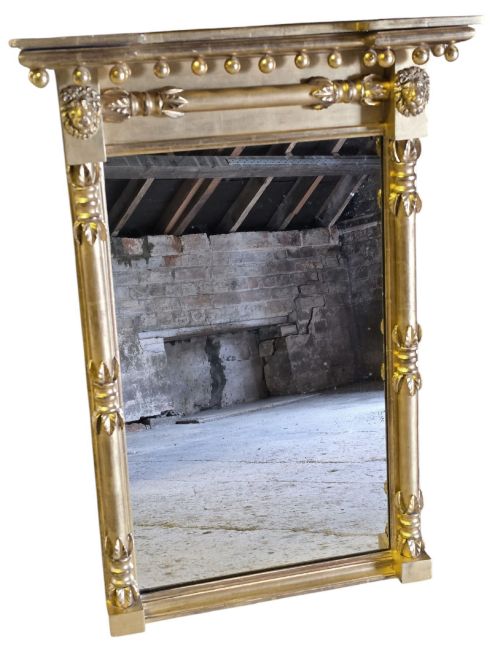
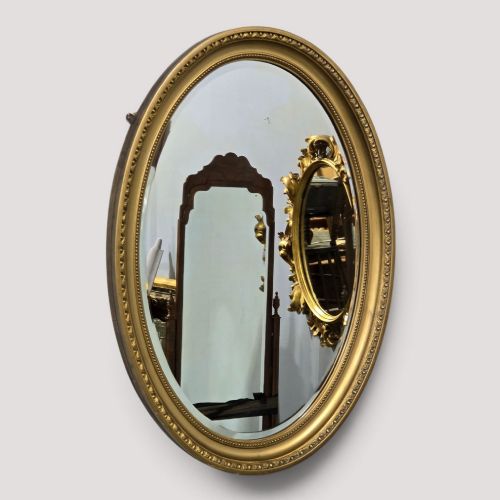
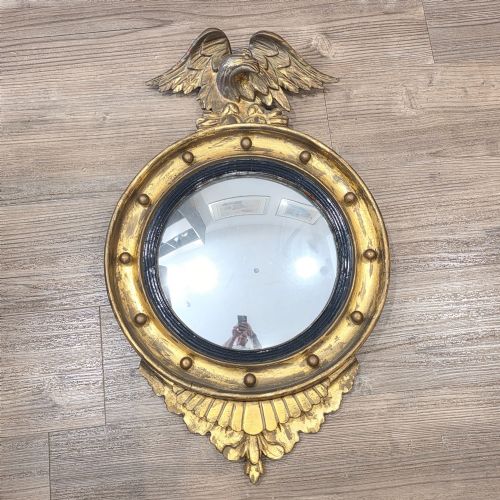
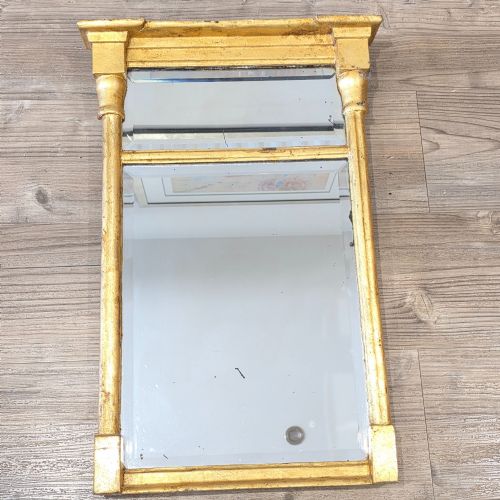
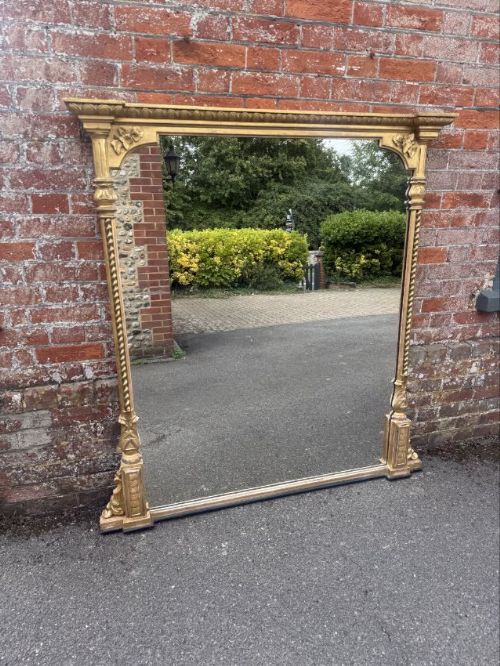
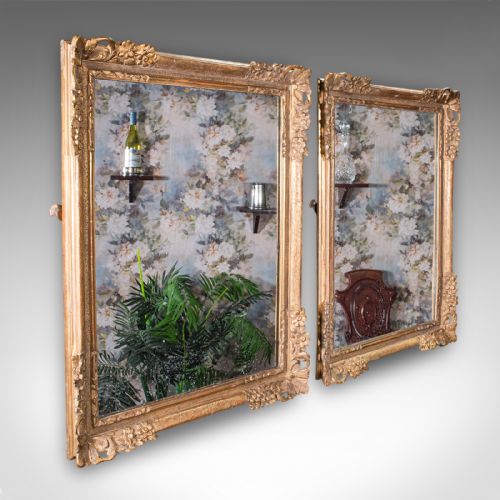
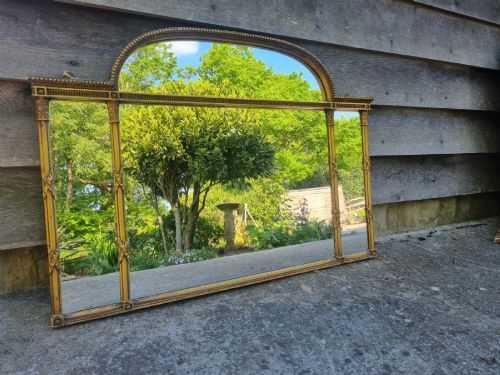
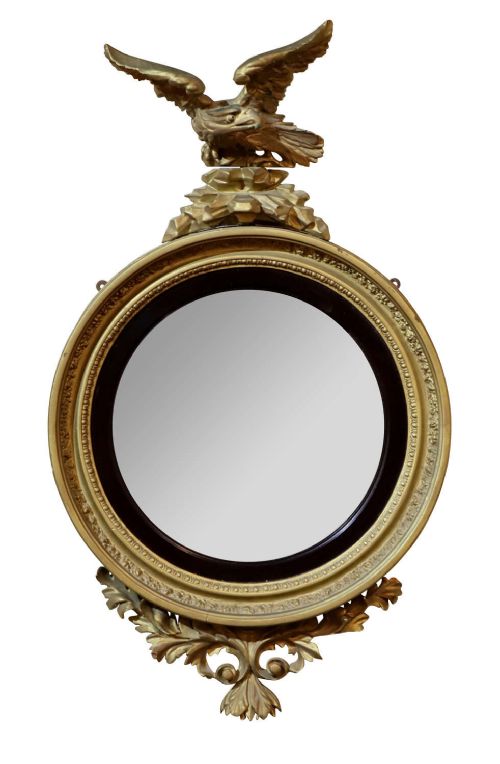
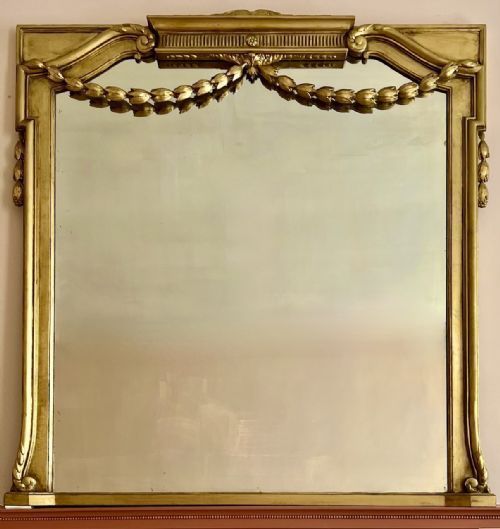
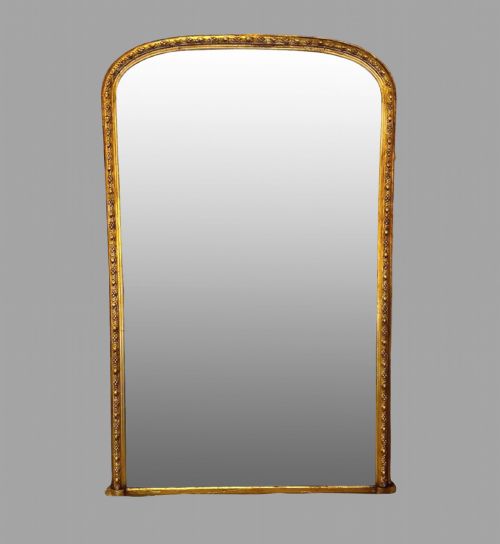
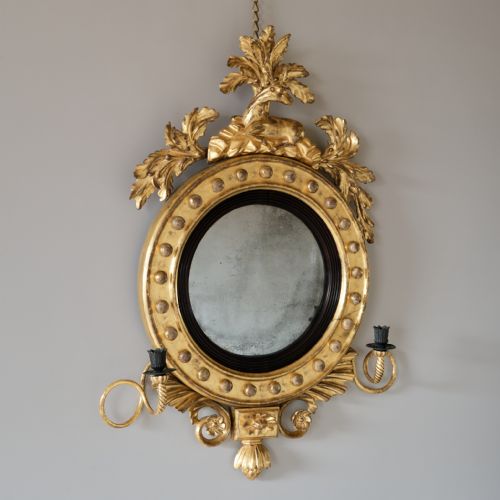
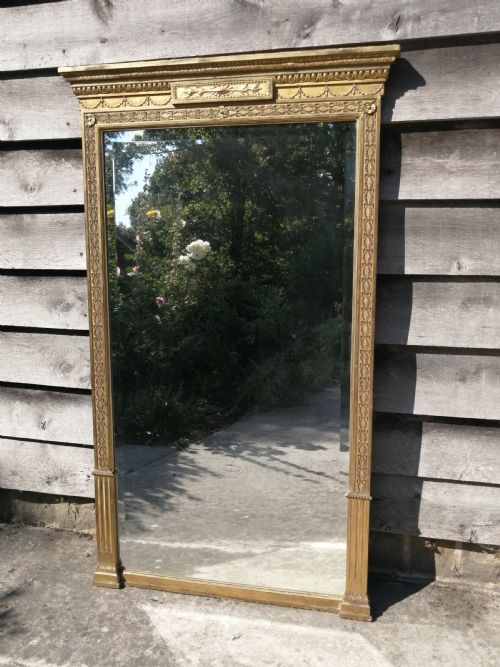
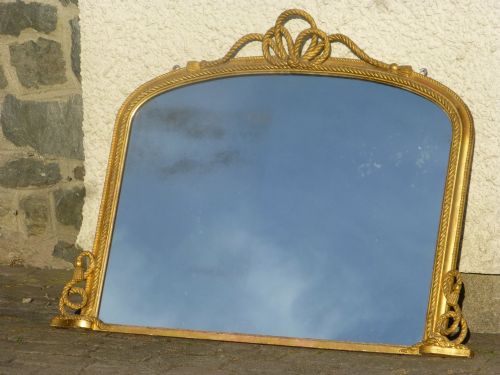
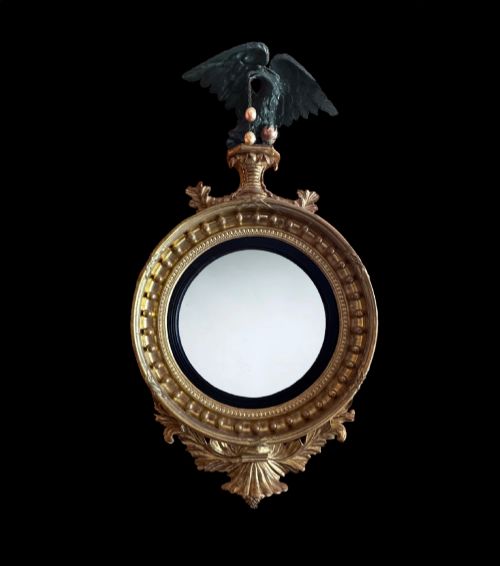
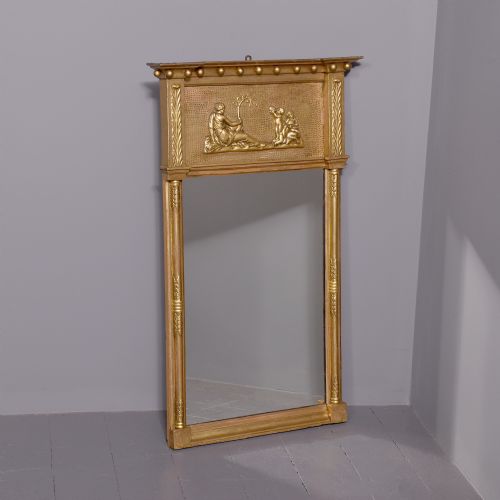
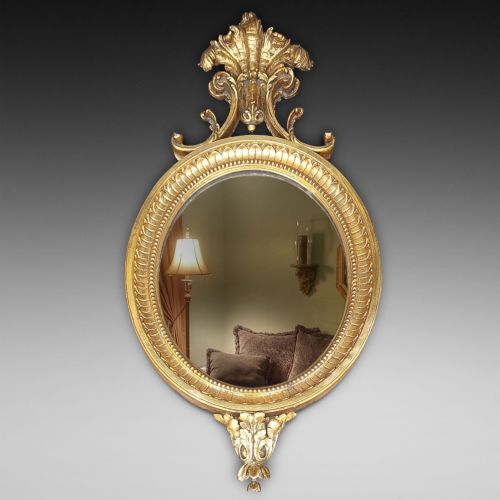
A regency giltwood wall mirror captures the refined aesthetic of the early nineteenth century through formal architectural lines and decorative motifs. These pieces appear in several distinct formats, ranging from large rectangular pier glasses to grand circular convex frames.
Originating predominantly from the Regency, George IV, and French Restauration periods, these mirrors reflect the neoclassical tastes of the era. Makers utilised formats such as the trumeau and the overmantel to transform domestic interiors.
How They Were Made
Craftsmen built the underlying carcase from timber before applying layers of gesso to form intricate low-relief carvings. Artisans then laid fine gold leaf over the prepared ground to achieve the characteristic luminous finish.
Certain examples integrate ebonised wood details alongside the gilding, creating sharp visual contrast within the frame. Glass plates were silvered by hand, while specialised pieces incorporated reverse-painted glass panels or oil paintings.
Retail Price Guide 2026
Typical UK retail prices for regency giltwood wall mirror, calculated from the Sellingantiques database of over a million retail prices indexed since 2003. This retail price guide relies exclusively on Sellingantiques data; no external sources or auction records are used, so the figures do not describe the wider market.
Listings feature periods from the Regency to the broader nineteenth century, utilising materials including giltwood, gesso, ebonised wood, and verre eglomise.
What Varies in Quality
The refinement of the hand-carved gesso ornament determines the visual hierarchy among these mirrors, distinguishing delicate floral and neoclassical motifs from simpler mouldings. Crisp definition in the carved elements separates standard production from exceptional examples.
The preservation of the original gold leaf and the clarity of the antique glass plate influence the character of each piece. Surviving ebonised details and untouched painted panels add considerable depth to the construction.
The Regency Giltwood Wall Mirror Glossary
- Giltwood
- Wood decorated with thin leaves of gold applied over a prepared gesso ground. This technique creates a rich surface that catches candlelight and natural illumination.
- Verre eglomise
- A process involving cold painting and gilding on the reverse side of glass. It appears frequently in the upper sections of pier mirrors.
- Convex mirror
- A round looking glass featuring a curved surface that reflects a wide-angle view of the interior. These pieces often feature spherical candle sconces.
- Pier glass
- A tall mirror designed specifically for placement on the wall space between two windows. They frequently incorporate decorative upper panels.
- Trumeau
- A decorative wall mirror combined with an oil painting or panel above the glass. This French form became popular during the early nineteenth century.
- Gesso
- A plaster-like material applied to wood frames to provide a smooth base for carving and gilding. It allows for intricate relief ornamentation.
Frequently Asked Questions
Where should I hang a convex mirror?
Convex mirrors suit principal reception rooms or hallways where their wide-angle reflection can capture the entire space. Hanging them at eye level allows the decorative frame to serve as a focal point.
Because these mirrors gather light from across the room, positioning them opposite a window maximises their brightness. Their compact circular forms also fit comfortably into narrower wall spaces.
What is a pier mirror used for?
Pier mirrors were originally designed to hang on the narrow wall between two windows, reflecting light back into the interior. Their tall vertical proportions make them ideal for positioning above console tables or mantelpieces.
In modern settings, they function effectively to elongate wall heights and brighten darker corners. The lower glass plate provides a full reflection while upper panels offer decorative interest.
How do I identify a Regency mirror?
Regency mirrors typically display neoclassical motifs such as reeded columns, ball details, and carved foliage. The proportions tend to be formal and architectural, reflecting the design vocabulary of the early nineteenth century.
Materials such as gessoed giltwood and original hand-silvered glass provide further clues to period authenticity. Construction techniques visible on the reverse also help confirm the age of the timber carcase.
Can I place these mirrors over a fireplace?
Overmantel mirrors are specifically proportioned to sit above mantelpieces, echoing the horizontal lines of the fireplace surround. Their scale helps anchor the hearth within the broader decorative scheme of the room.
When hanging an overmantel piece, ensure the wall fixings safely support the weight of the timber and gesso frame. This placement creates a traditional focal point that balances the room's proportions.