
Antique Painted Glass Mirror
An antique painted glass mirror brings decorative painted panels, pastoral oils and verre eglomise together with historic frames for interior walls.
Antique Painted Glass Mirror
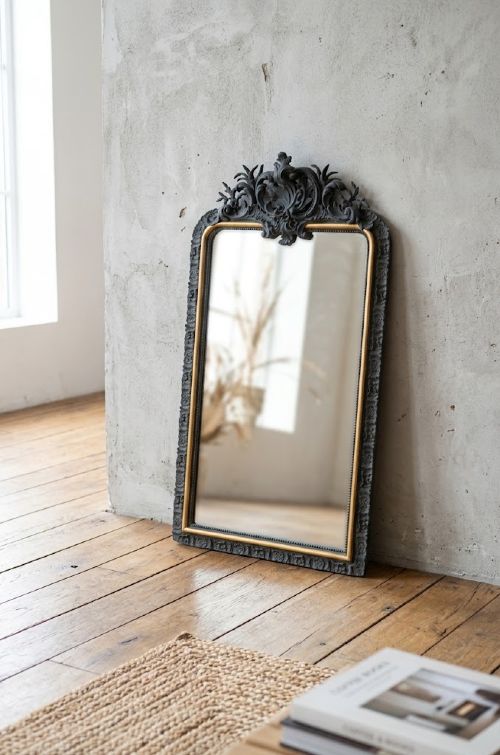
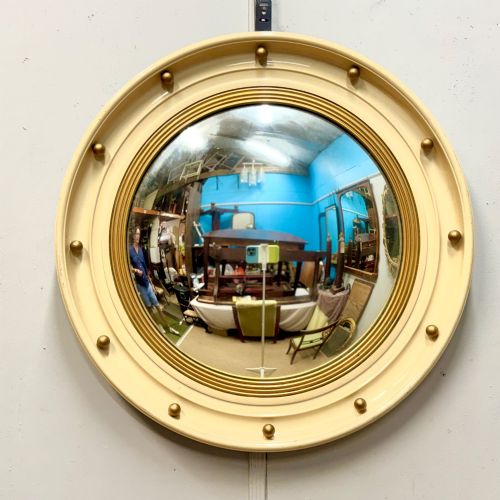
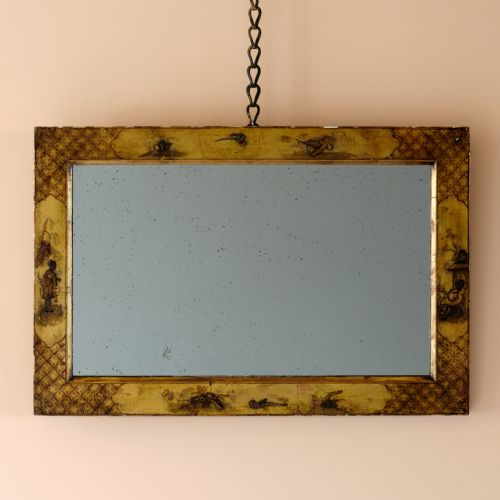
When searching for an antique painted glass mirror, buyers encounter a variety of forms including tall trumeau panels, pier glasses, and overmantels designed for nineteenth-century reception rooms. These pieces frequently incorporate oil paintings, reverse glass painting, or decorative painted woodwork within Regency, Victorian, and French frameworks.
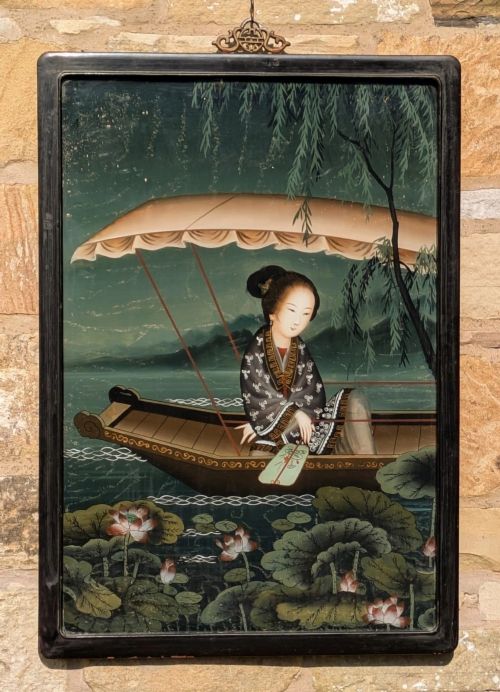
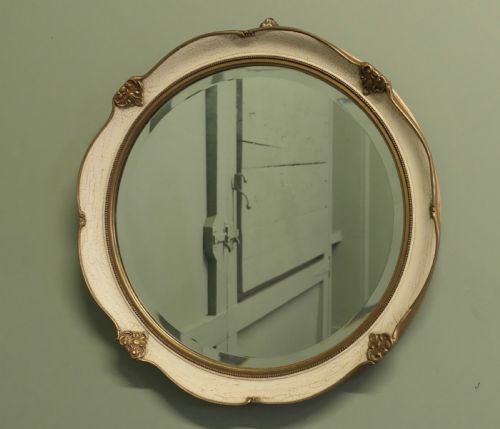
The selection ranges from grand giltwood and painted architectural overmantels to smaller French and Chinese wall-hanging examples. Many incorporate specific decorative techniques such as verre eglomise or pastoral scenes set above the main looking glass plate.
Materials and construction methods
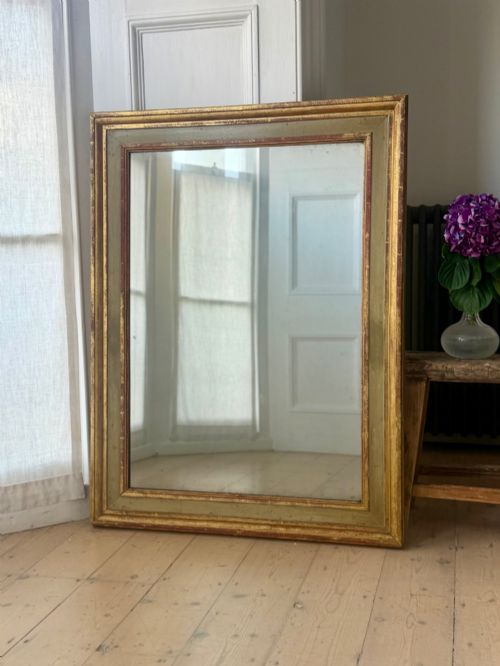
Makers constructed these frames using wood, gesso, and carved elements finished with gold leaf, paint, or parcel-gilt details. Glass plates frequently include mercury backing or early mirror glass that exhibits natural ageing.
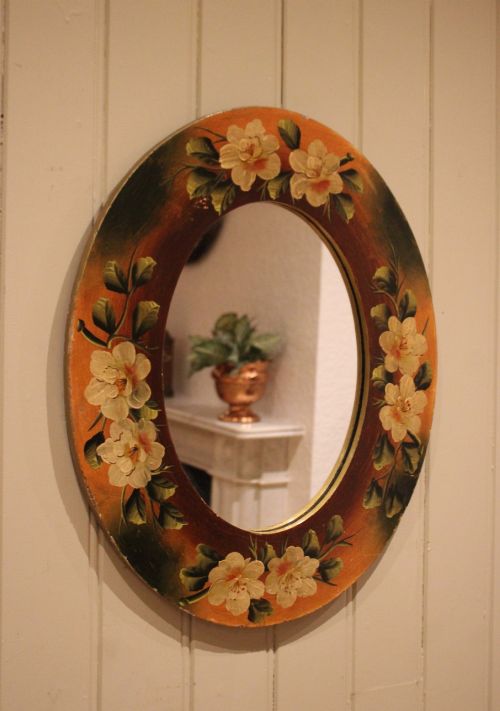
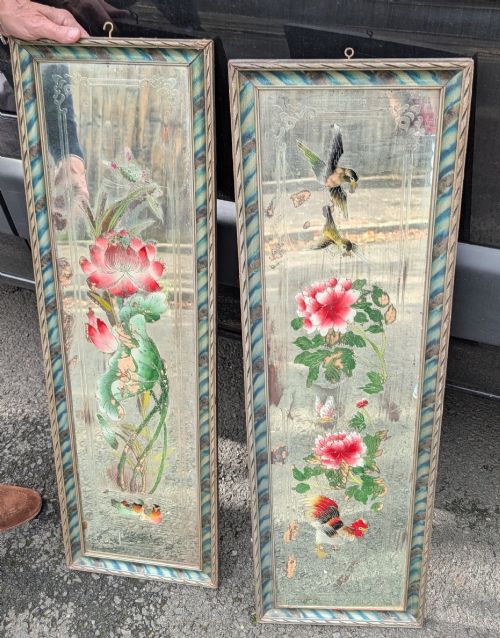
Painted decoration takes the form of direct brushwork on wood, oil paintings on canvas inset into trumeau frames, and reverse painting on glass panels.
Listings feature eighteenth and nineteenth century periods, with French Empire, Regency, and Victorian styles dominating the wood, gesso, and painted glass inventory.
Factors influencing quality
Quality separates pieces through the crispness of carved wood and gesso ornamentation, and the artistic merit of integrated oil paintings or reverse glass panels. Finer examples retain original mercury glass plates and coherent painted surfaces that match the period of the frame.
Proportion and scale dictate the visual impact of overmantels and pier mirrors, where balanced architectural elements and well-executed decorative paintwork elevate the piece.
Gillows Of Lancaster
The Antique Painted Glass Mirror Glossary
- Trumeau
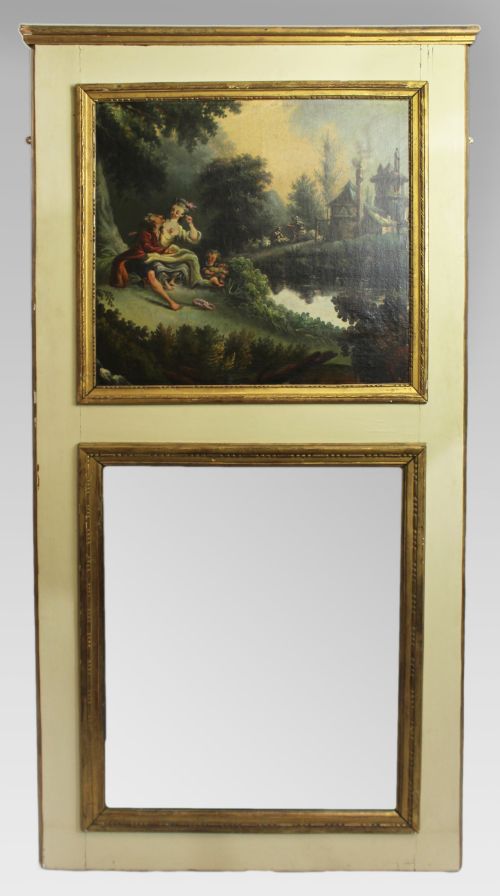
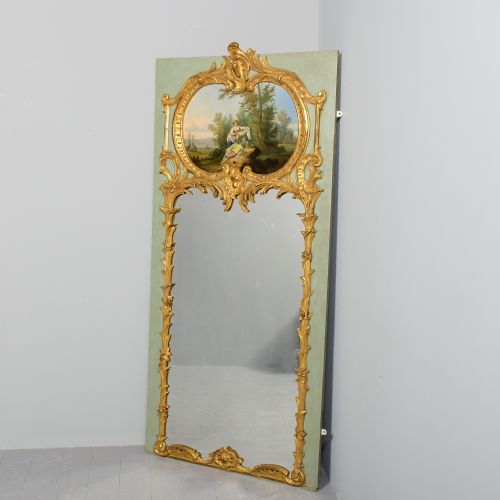
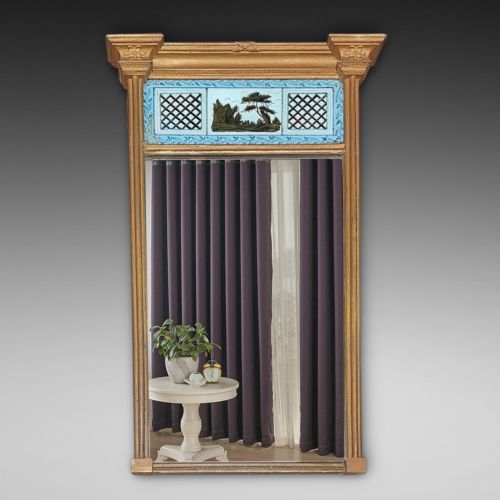
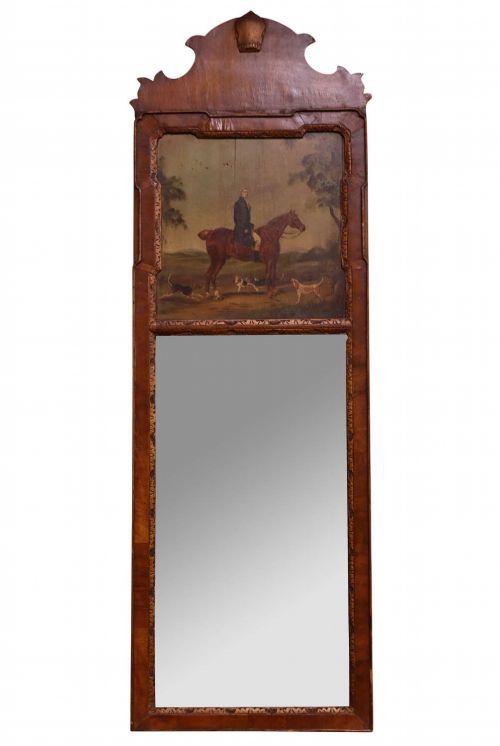
- A decorative wall mirror featuring an integrated oil painting or painted panel above the glass plate. These French pieces frequently decorated nineteenth-century drawing rooms.
- Verre eglomise
- A cold decoration technique involving the application of gold or silver leaf and paint to the reverse of glass. It produces a reflective, metallic panel often seen in Regency pier glasses.
- Pier mirror
- A tall vertical glass designed to hang on the wall space between windows. They often sit above console tables or small side tables.
- Overmantel mirror
- A wide looking glass created to hang directly above a fireplace mantelpiece. Nineteenth-century examples often combine painted wood and parcel-gilt moulding.
- Mercury glass
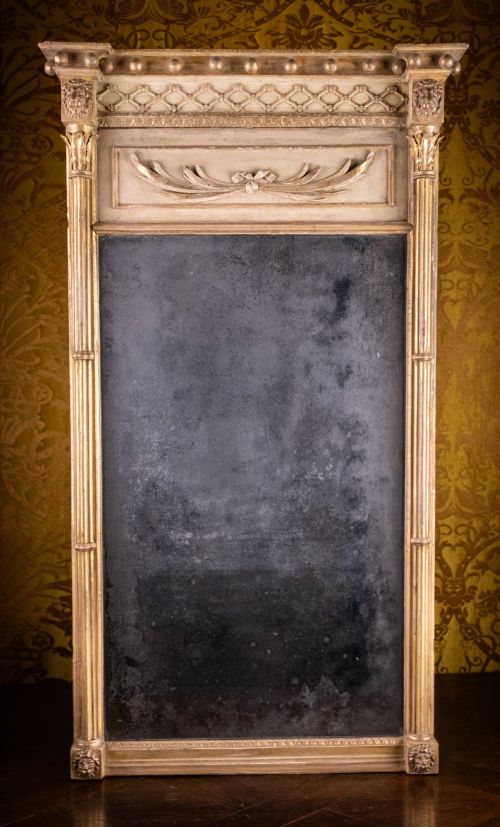
- An early mirror-making medium created by pouring a liquid tin-mercury amalgam behind glass. It produces a characteristic mottled reflectivity.
Antique Painted Glass Mirror: Frequently Asked Questions
What is a trumeau mirror?
A trumeau mirror is a wall glass that incorporates a painted panel or oil painting directly into the upper section of the wooden frame. These pieces originated in eighteenth and nineteenth-century French interior design.
They functioned as architectural wall art, combining functional reflection with pastoral scenes or decorative motifs within a single unified frame.
How do I identify mercury glass?
Mercury glass displays a deep, soft reflection with dark speckles and a slightly uneven silvering behind the plate. This historic manufacturing method uses a tin and mercury amalgam.
Modern mirror glass appears uniform and bright, whereas genuine mercury plates show characteristic foxing and age spots.
Where should I hang a pier mirror?
Pier mirrors work best on narrow wall spaces, traditionally between two windows or above a console table. Their tall, vertical proportions draw the eye upward and amplify natural light.
Ensure the wall construction supports the weight of carved wood, gesso, and heavy glass frames before hanging.
What is verre eglomise?
Verre eglomise is a decorative technique where artists apply gold leaf, silver leaf, and pigment to the reverse side of glass panels. This creates a lustrous, pictorial surface protected by the glass itself.
In antiques, these panels appear as decorative borders or upper sections within Regency pier glasses.