
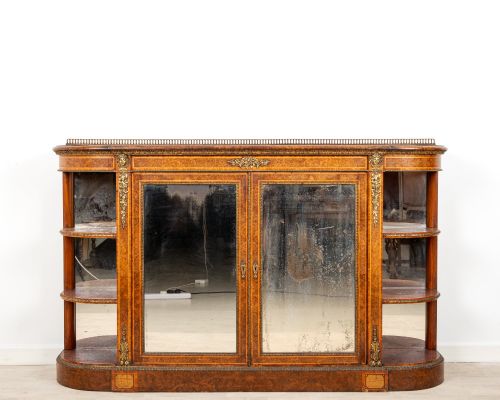
Nineteenth Century Gilt Mirror
A nineteenth century gilt mirror brings golden warmth and a sense of scale to a room, reflecting light through deeply carved and burnished frames.
Nineteenth Century Gilt Mirror Forms and Origins
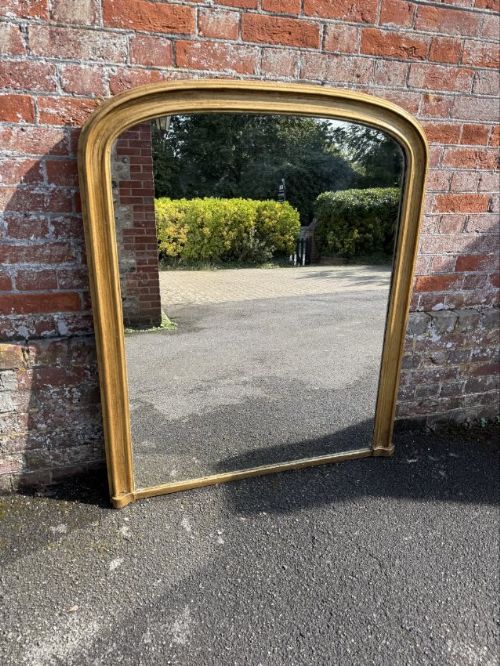
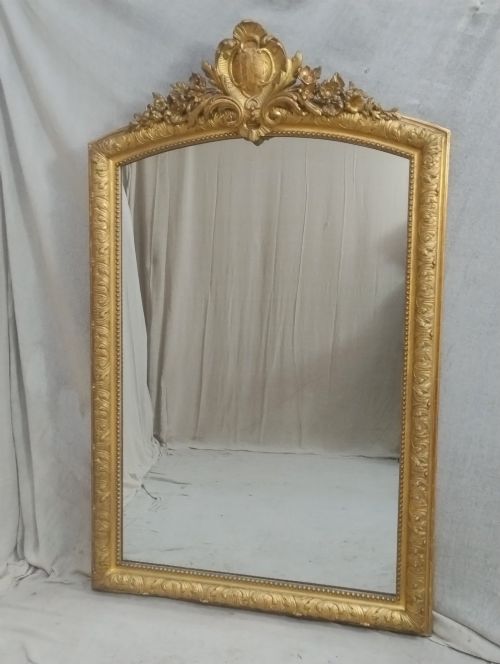
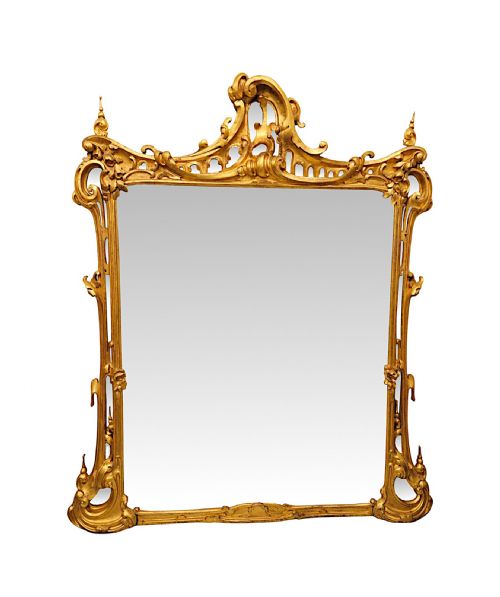
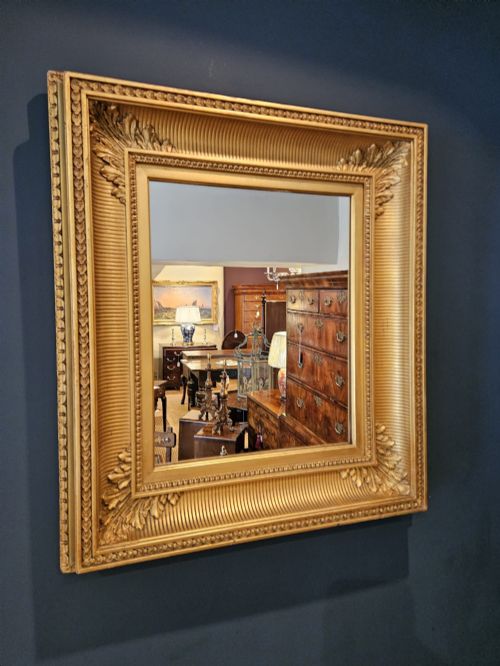
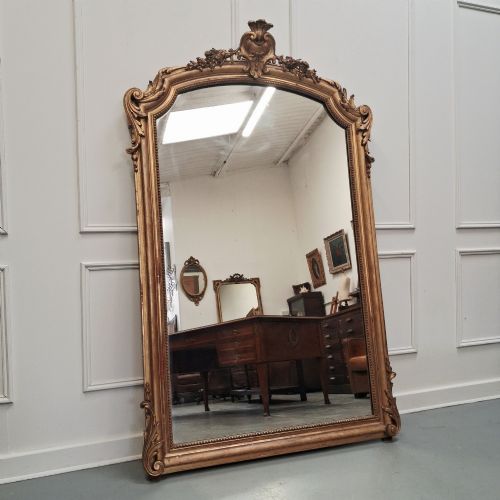
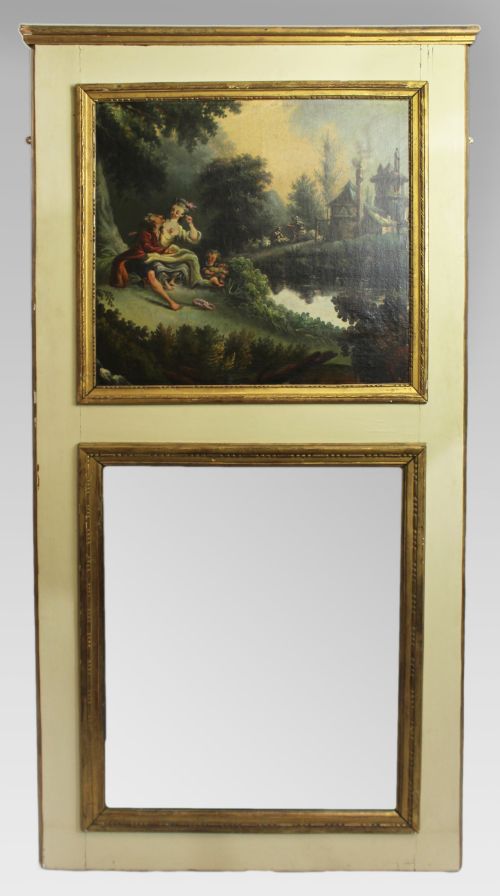
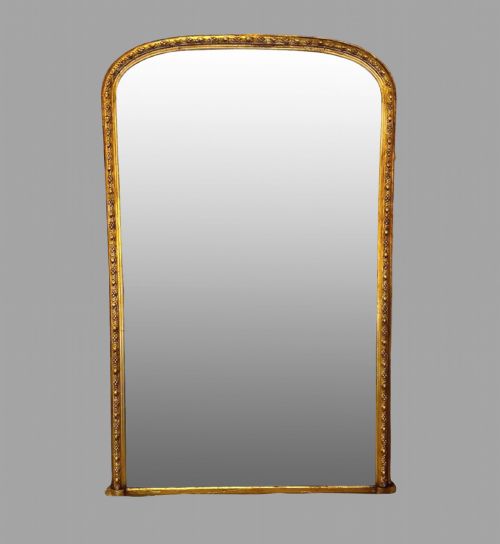
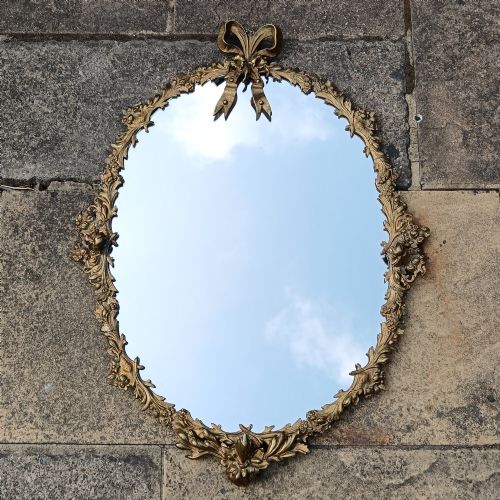
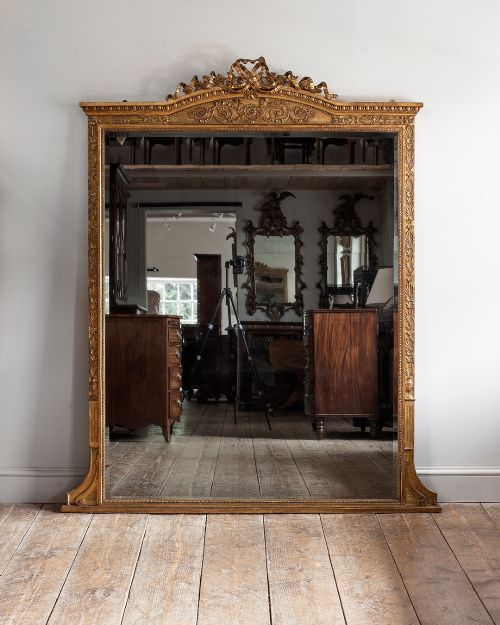
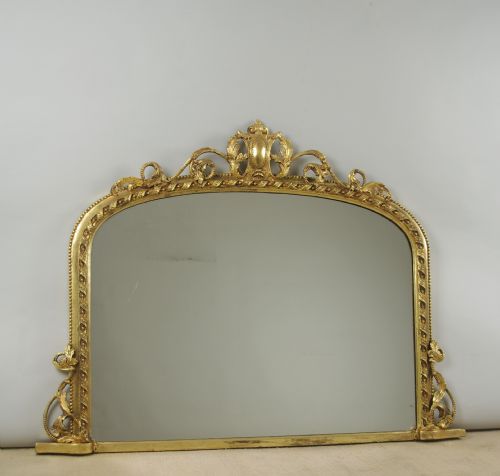
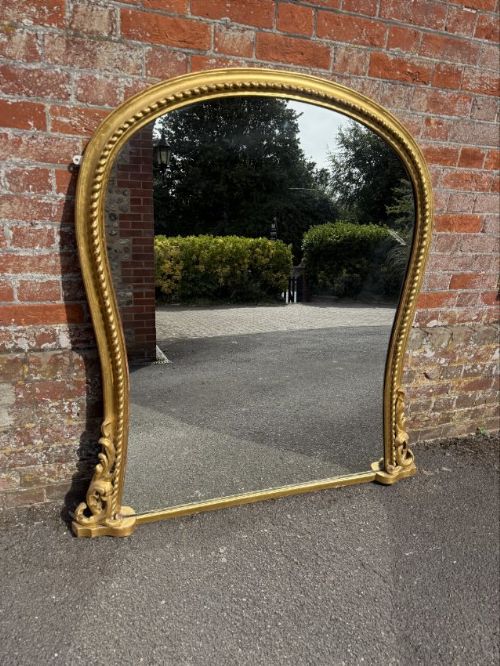
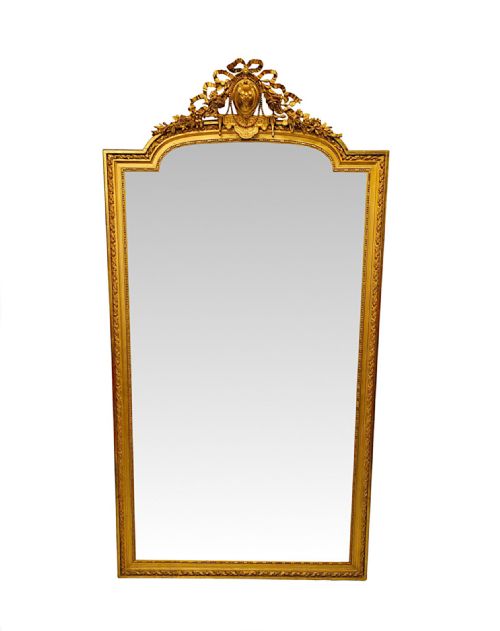
A nineteenth century gilt mirror encompasses grand overmantels, tall pier glasses, and smaller convex or oval wall pieces designed to dominate a room's interior scheme. The listings show a strong French influence alongside Victorian and Regency pieces, with French Second Empire, Rococo Revival, and Chateau styles appearing frequently.
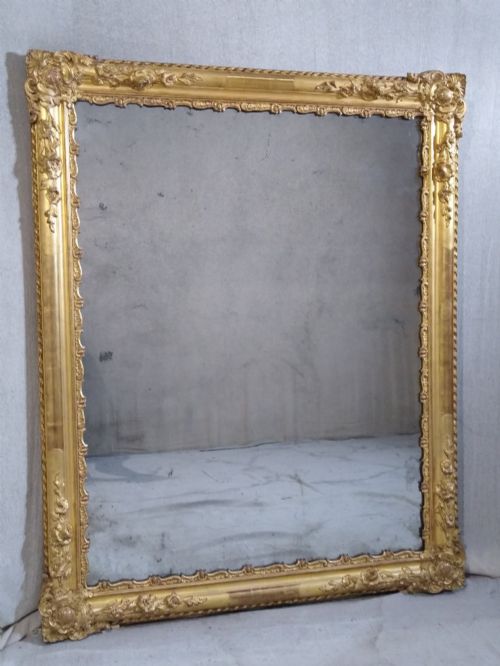
Overmantel mirrors dominate the scale, often designed to sit above a fireplace with substantial proportions in rectangular or arched formats. Pier mirrors offer a vertical presence, traditionally hung between windows to bounce natural light deep into the floor plan.
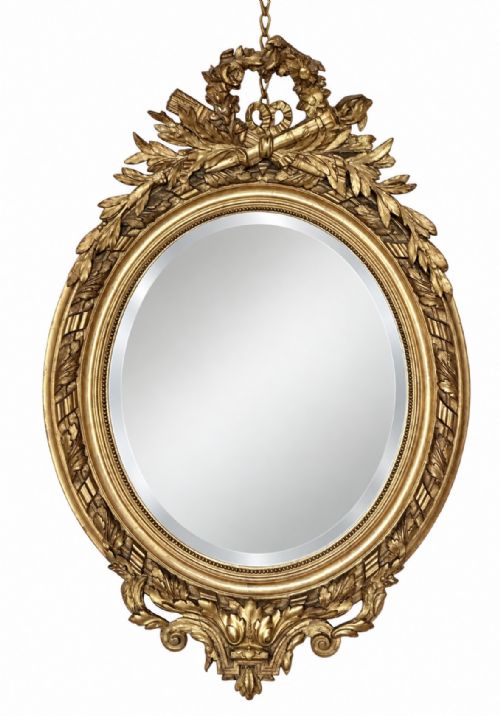
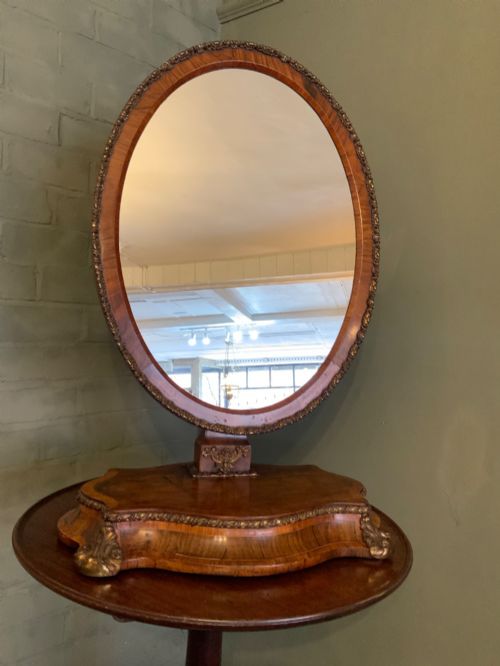
Circular convex mirrors and small oval wall pieces provide alternative focal points, sometimes incorporating candle sconces or verre eglomise panels. Buyers encounter everything from simple architectural frames to heavily carved giltwood and gesso constructions.
Materials and Construction
Makers built these frames using timber cores of carved giltwood or painted wood, layered with gesso to create crisp, raised ornamental detail. Gilding applied over these surfaces catches the light through varied matte and burnished finishes.
The glazing relies on traditional mirror glass, occasionally incorporating bevelled edges or specialised decorative glass techniques like verre eglomise. Large plates required careful handling and framing to support the considerable weight of the overmantel and pier formats.
Retail Price Guide 2026
Typical UK retail prices for nineteenth century gilt mirror, calculated from the Sellingantiques database of over a million retail prices indexed since 2003. This retail price guide relies exclusively on Sellingantiques data; no external sources or auction records are used, so the figures do not describe the wider market.
Some nineteenth century mirrors include original candle sconces, designed to double the flicker of evening candlelight across the room.
Assessing Quality and Execution
Depth and crispness of the carving distinguish finer pieces, where gesso ornaments retain sharp relief rather than softened contours. The quality of the gilding itself matters greatly, particularly where burnished highlights contrast against matte grounds.
The condition and integrity of the original mirror glass contribute to the character and worth of the piece. Proportion and structural soundness in large frames dictate how well the piece survives centuries of hanging.
The Nineteenth Century Gilt Mirror Glossary
- Giltwood
- Timber carved and coated in gold leaf or gold paint. This material forms the primary structure of the finest decorative frames.
- Gesso
- A plaster mixture applied to wood frames to create a smooth surface for carving and gilding. It allows for intricate relief ornamentation.
- Verre eglomise
- A cold decoration technique where design elements are applied to the reverse of glass using gold or silver leaf. It appears in Regency and nineteenth century mirror panels.
- Overmantel
- A large mirror specifically proportioned to hang above a fireplace mantelpiece. These pieces often anchor the decorative scheme of a formal room.
- Pier mirror
- A tall, narrow mirror designed to fit on the wall space between windows. They maximise available daylight in nineteenth century interiors.
Frequently Asked Questions
Where should I hang a large overmantel mirror?
These large pieces sit naturally above a fireplace mantelpiece, where their scale balances the hearth below.
Alternatively, hanging them on a main wall creates a focal point and opens up smaller spaces by reflecting natural light.
How do I clean an antique gilt mirror?
Dust the carved frame gently with a soft, dry brush to protect the delicate gesso and gold leaf layers.
Clean the glass with a cloth dampened slightly with water or a mild glass cleaner, taking care not to let moisture touch the frame.
What is the difference between a pier mirror and an overmantel?
Pier mirrors feature a tall, vertical format built to fit the narrow wall space between windows.
Overmantels are wider horizontal pieces engineered to rest safely above fireplace openings.
How do I date a nineteenth century gilt mirror?
Examine the style clues, such as French Second Empire or Regency motifs, alongside the construction materials like gesso and giltwood.
The backing boards, fixing methods, and the characteristics of the mirror glass itself provide further chronological context.