

Large Decorative Wall Mirror
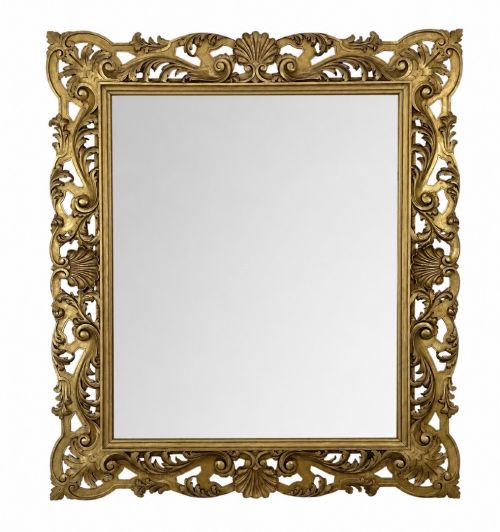
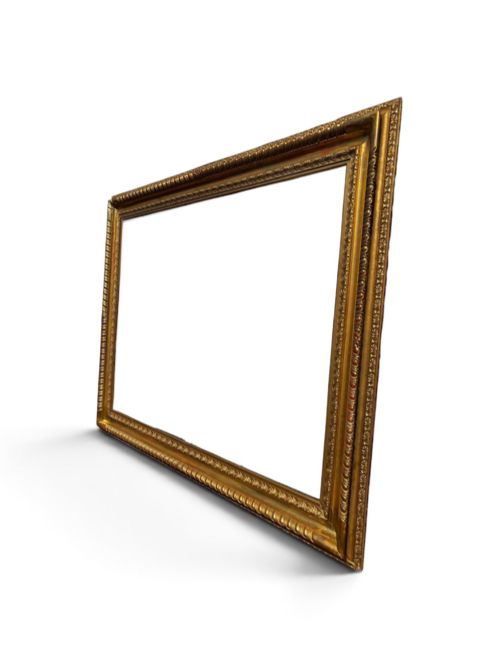
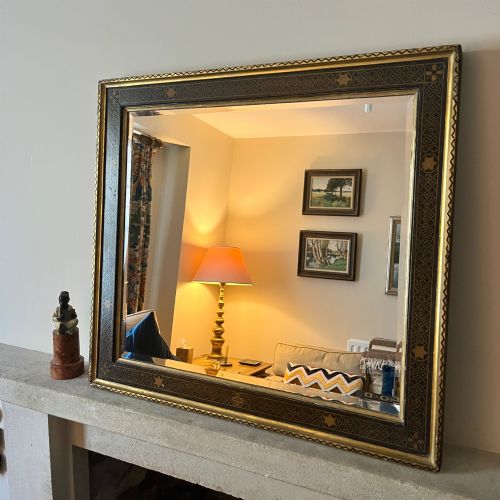
When you search for large decorative wall mirror, you encounter imposing glass plates framed in gold, carved timber, and gesso from the nineteenth and early twentieth centuries.
Large Decorative Wall Mirror
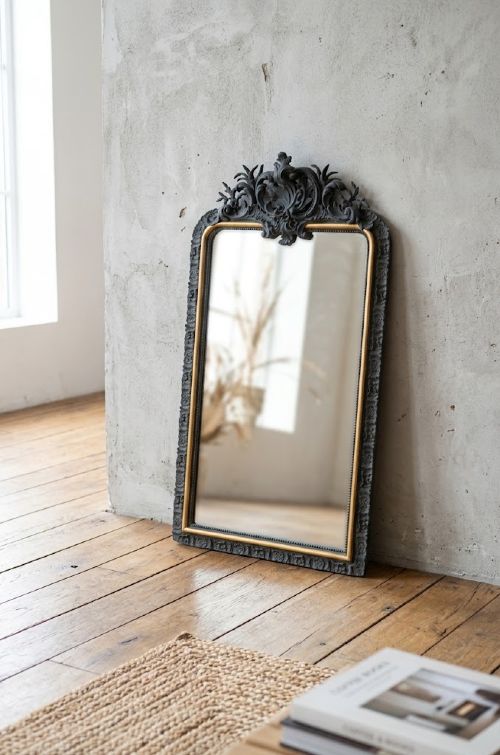
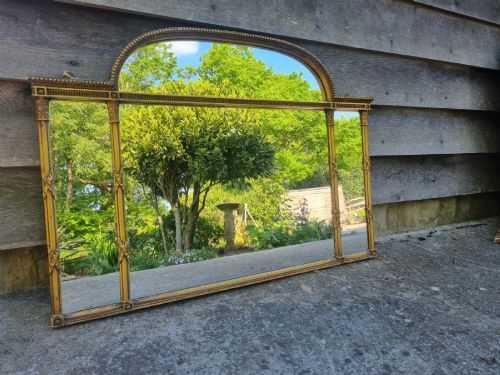
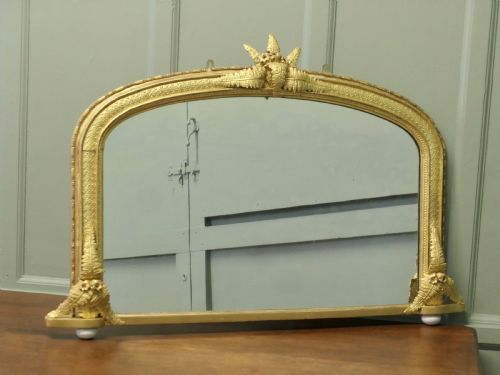
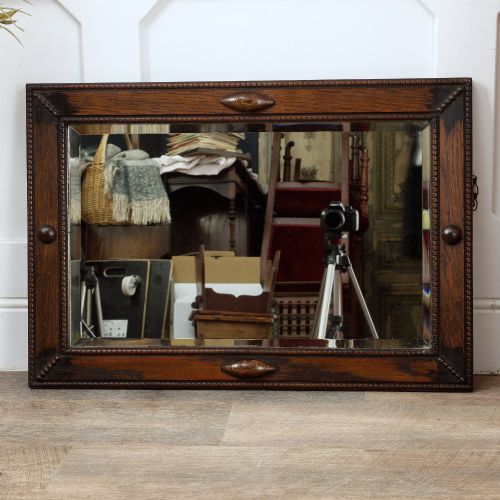
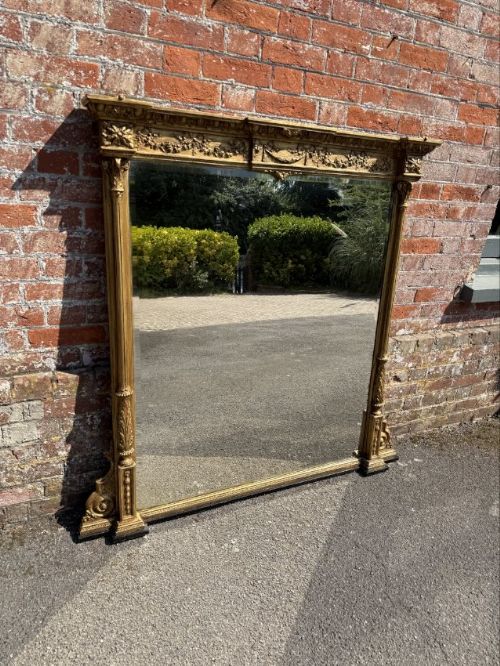
A large decorative wall mirror serves as a dominant architectural element within a room, designed to capture light and create an illusion of greater spatial depth. The pieces available span the nineteenth century through the 1920s, encompassing substantial overmantel formats intended for placement above a fireplace alongside vertical pier mirrors designed for narrow wall spaces between windows.
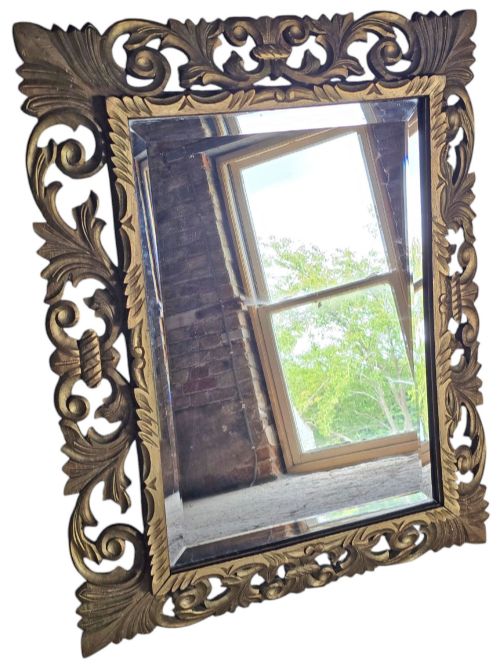
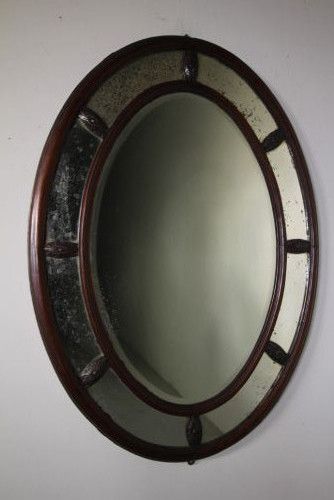
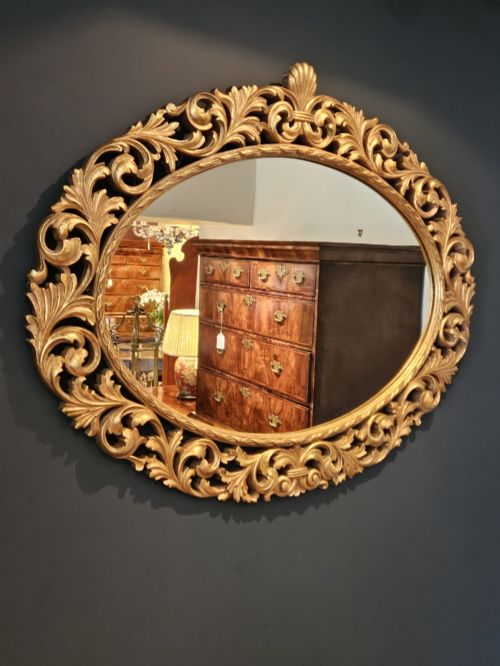
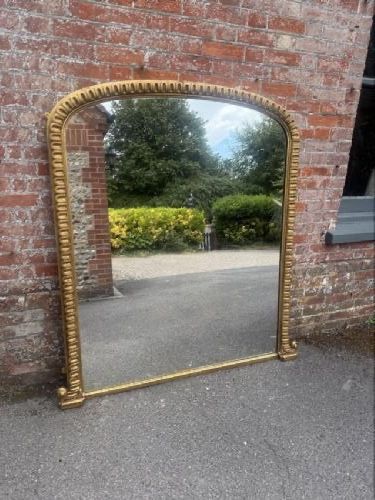
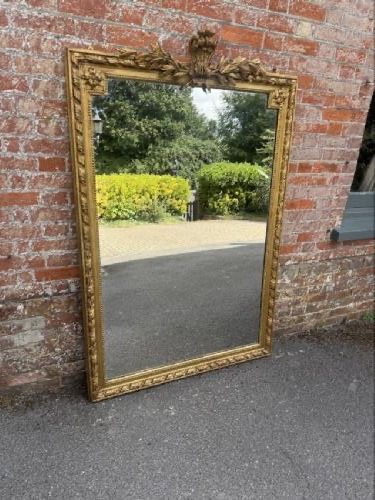
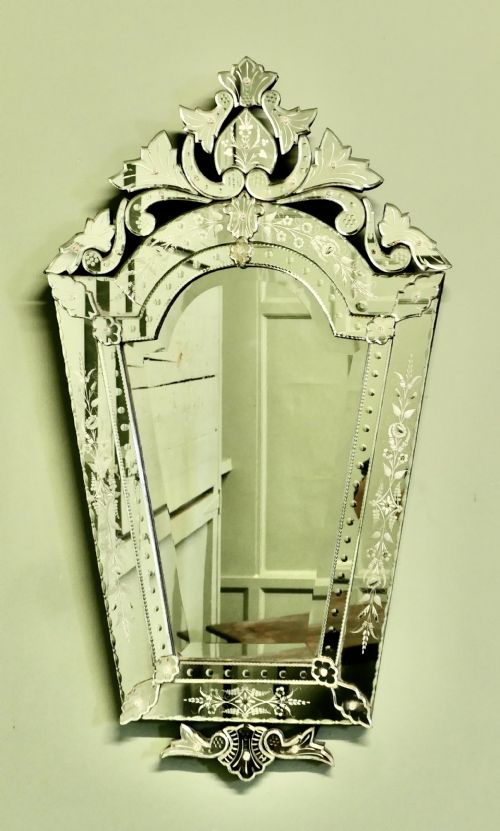
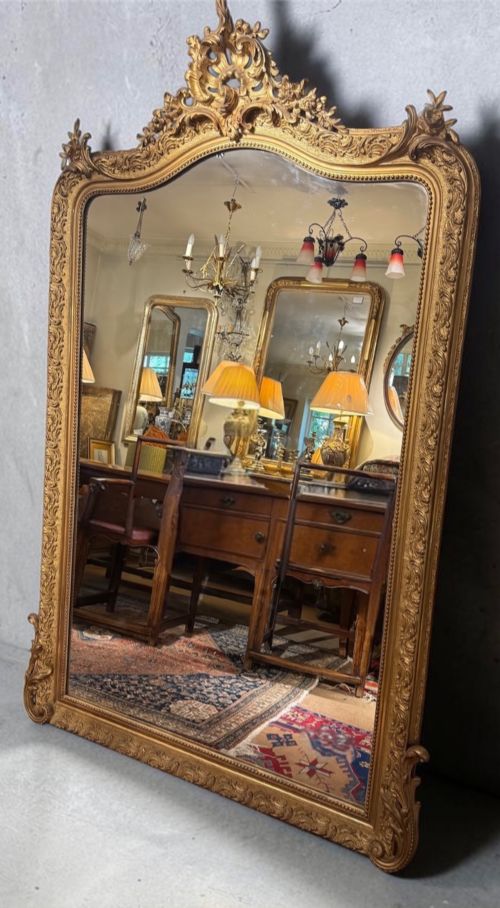
The aesthetic vocabulary leans heavily towards continental and domestic revivals, with French Chateau, Rococo, Regency, and Victorian expressions appearing regularly. Buyers encounter rectangular, arched, oval, and cushion-moulded profiles, often decorated with carved ornamentation such as floral motifs, rope twists, cartouches, and urns with swags.
Originating predominantly from English and French workshops, alongside Italian carving centres, these objects range from restrained mahogany country house frames to heavily gilded and painted statement pieces. Overmantel variations frequently display tripartite or wide horizontal proportions built to anchor principal reception rooms.
How they were made
Traditional construction relies on solid timber carcases - frequently pine, oak, or mahogany - forming the structural support for elaborate surface ornamentation. Carvers applied layers of gesso, a fine plaster mixture, directly to the wood substrate in order to build up deep relief details before applying gold leaf or paint finishes.
Gilding techniques involved laying thin sheets of gold leaf over bole onto the prepared gesso ground, which allowed artisans to burnish specific areas to a high sheen while leaving others matte. Pierced wooden elements and applied composition ornaments provided the intricate scrolling foliage and cartouches characteristic of French and Victorian revival aesthetics.
Large Decorative Wall Mirror Retail Price Guide 2026
Typical asking prices for large decorative wall mirror among the pieces listed under this phrase on Sellingantiques today, from the lower quarter to the upper quarter. They describe what is for sale here now, not the wider market.
Several pieces incorporate charming carved dolphins and dragons, proving that nineteenth-century artisans enjoyed occasional marine adventures.
What varies in quality
Depth and crispness of the hand-carved detail distinguish finer examples from standard production, as skilled carvers achieved fluid, undercut foliage rather than shallow, uniform moulding. The integration of the frame corners and the complexity of applied gesso enrichment demonstrate the original artisan's capability.
Condition and originality of the surface finishes also set pieces apart, particularly where original gilding, parcel-gilt highlights, or painted decoration survive intact beneath patination. Furthermore, the presence of original silvered glass plates showing characteristic light foxing provides historical integrity compared to later replacement mirrors.
The Large Decorative Wall Mirror Glossary
- Overmantel mirror
- A wide horizontal mirror specifically proportioned to hang on the wall directly above a fireplace mantelpiece. These often feature substantial classical or revival framing designed to reflect the hearth.
- Gesso
- A traditional mixture of plaster of Paris and glue binder applied to wood frames to create a smooth surface for carving or gilding. Skilled artisans built up this layer to execute deep relief ornamentation.
- Trumeau mirror
- A decorative mirror integrated into a painted or carved wooden panel designed to fit a specific architectural wall space. French examples frequently incorporate an upper oil painting or carved cartouche.
- Foxing
- The natural ageing process in mirror glass where the silver backing oxidises over time, producing small dark spots or a cloudy haze. This optical change confirms the considerable age of the glass plate.
- Pier mirror
- A tall, narrow mirror designed to hang on the expanse of wall between two windows. They frequently matched console tables placed below them in nineteenth-century interiors.
Large Decorative Wall Mirror: Frequently Asked Questions
How do I hang a heavy overmantel mirror?
Due to their substantial weight, large antique mirrors require robust fixings secured directly into masonry walls or heavy timber studs. Professional installation utilising appropriate wall brackets ensures the frame is safely supported without placing undue stress on the antique structure.
Positioning the piece at the correct height above a mantelpiece or console table allows it to reflect light effectively while maintaining visual balance within the room's proportions.
How can I tell a French mirror from an English one?
French mirrors from the nineteenth century often display pronounced Rococo or Empire characteristics, featuring crests with elaborate cartouches, cherubs, and scrolling gesso ornament. The framing tends to prioritise flowing, organic curves and painted or parcel-gilt finishes.
English equivalents frequently exhibit slightly more architectural restraint, drawing on Regency or Victorian traditions with column frames, rope twists, and deeper mahogany or giltwood mouldings designed for formal domestic interiors.
What is foxed glass and should I replace it?
Foxing refers to the natural degradation of the silver backing on older mirror glass, creating charming mottled patches and characteristic dark speckles. This patination offers visual proof of historical authenticity and age.
Replacing the original glass plate generally diminishes the antique character and integrity of the piece, so most collectors prefer to keep the aged surface intact provided it remains stable.
Where should I place a large wall mirror?
Placing a large decorative mirror opposite a window maximises natural daylight and opens up darker corners of a reception room or hallway. Positioning an overmantel mirror above a fireplace creates a traditional focal point that anchors the room's decorative scheme.
Ensure the surrounding wall space allows the frame's specific proportions - whether vertical pier or horizontal overmantel - to breathe without feeling overcrowded by nearby furniture.