


French Pier Glass
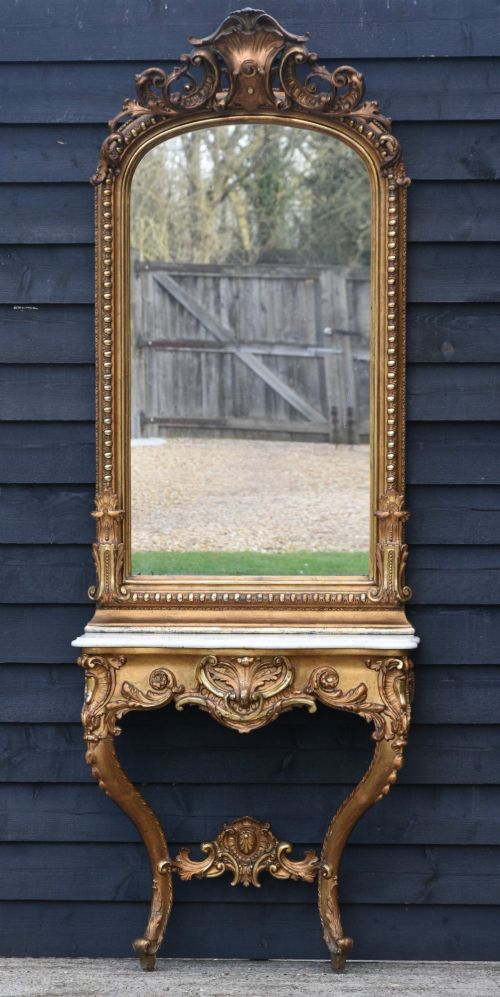
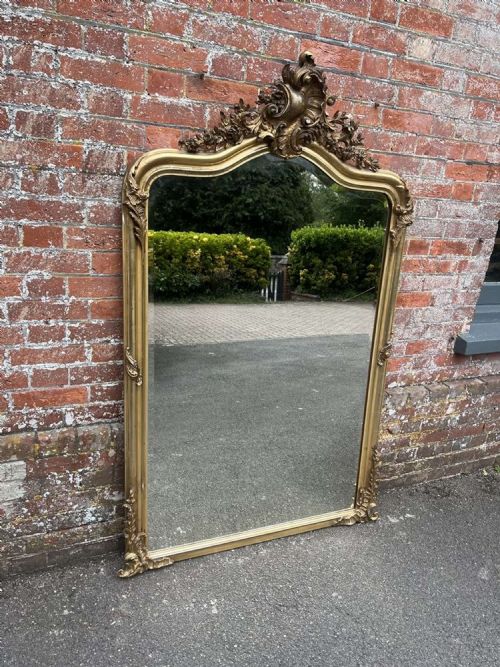
A french pier glass brings architectural rhythm and bright reflection to a room, fitting neatly between tall windows.
French Pier Glass
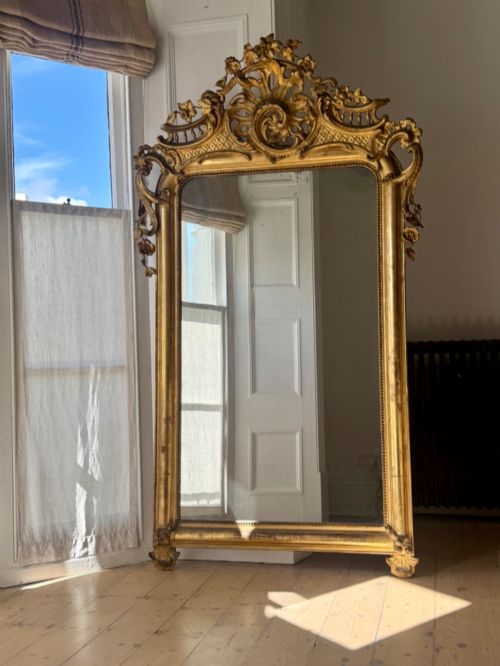
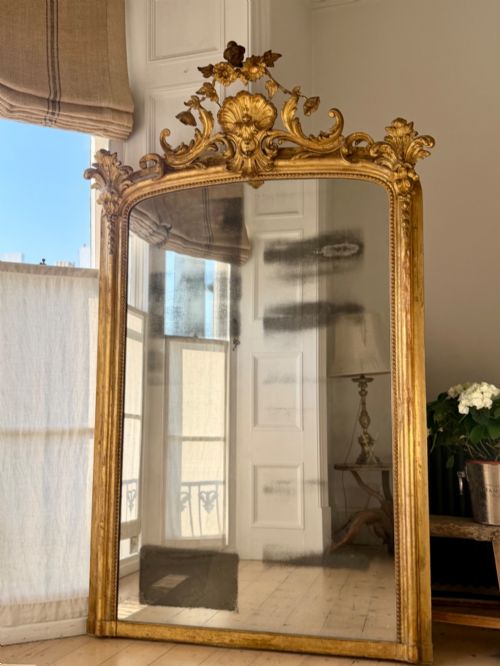
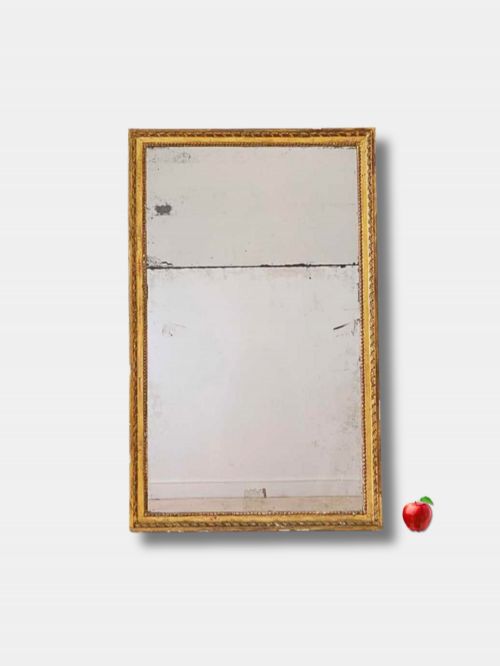
A french pier glass sits between windows to bounce light deep into a room, often matched with a console table or standing as a tall wall mirror. The pieces here span the nineteenth century, including specific dates around eighteen hundred, eighteen sixty, eighteen ninety, and nineteen ten.
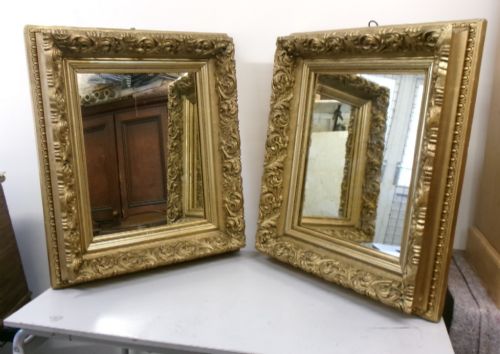
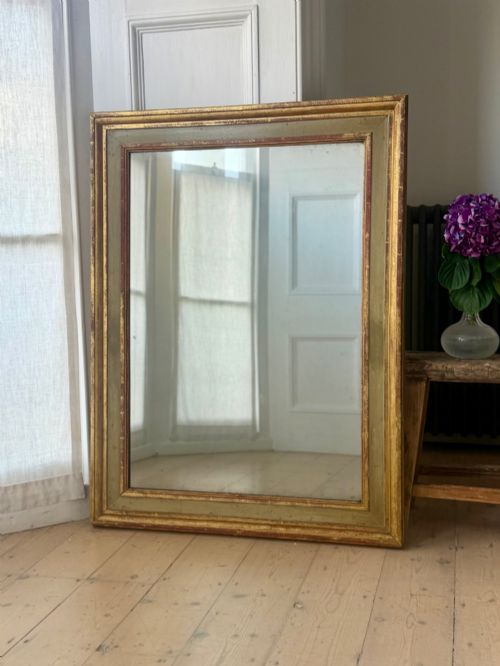
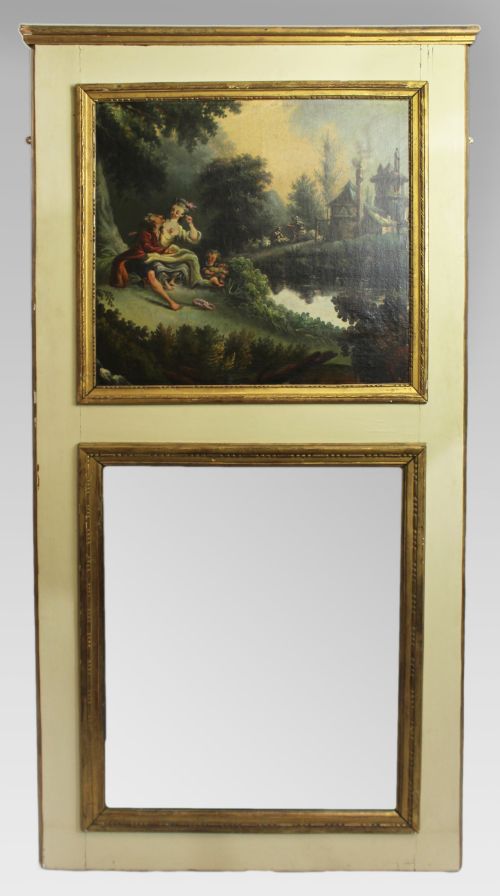
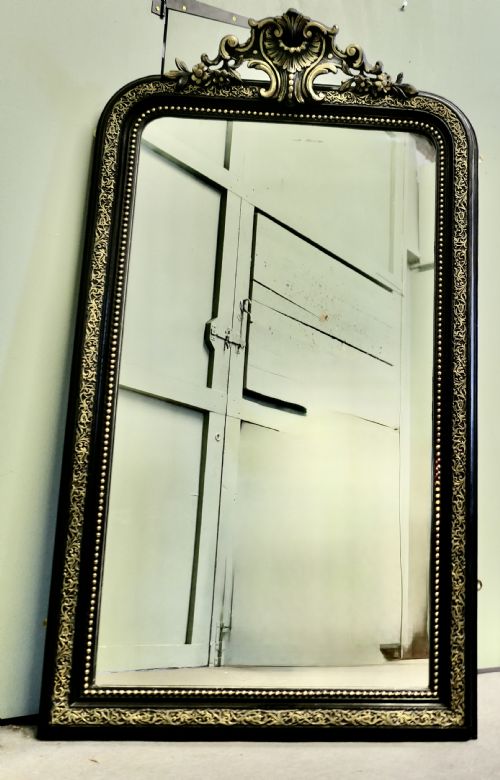
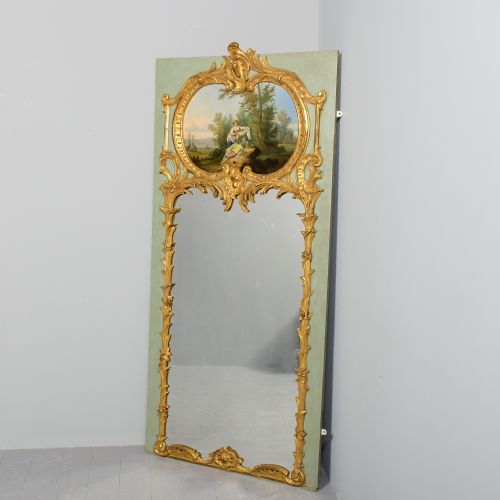
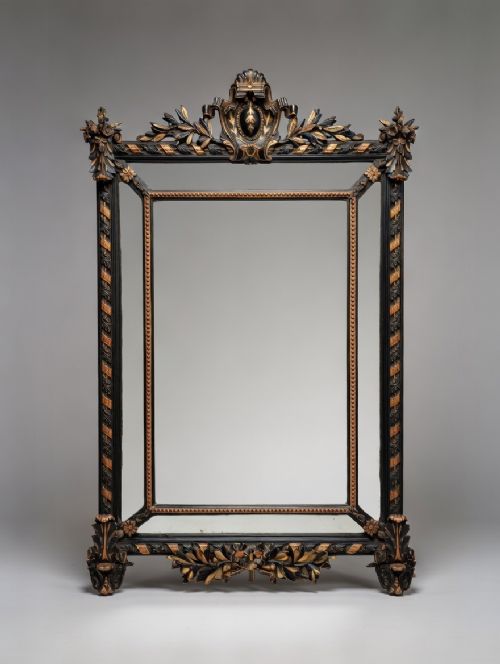
Most examples lean towards revival aesthetics such as French Neoclassical, Louis XVI, and Rococo, alongside chateau styles. You will find both simple frames and highly ornate decorative formats, sometimes paired with pastoral oil paintings in the trumeau tradition.
Materials and Construction
Makers built these frames using carved wood, gesso, and painted wood, finishing them with giltwood, gilded wood, or original paint. The reflective surfaces utilise glass, mirror glass, and mercury glass.
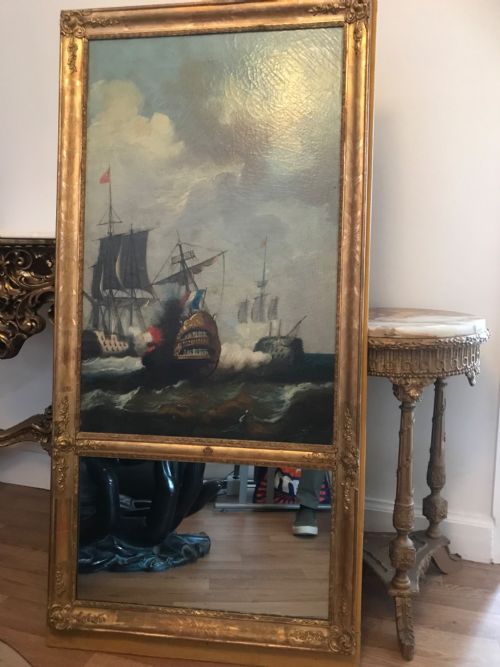
Some configurations incorporate oil on canvas panels above the glass plate, uniting mirror and painting within a single architectural panel.
Retail Price Guide 2026
Typical UK retail prices for french pier glass, calculated from the Sellingantiques database of over a million retail prices indexed since 2003. This retail price guide relies exclusively on Sellingantiques data; no external sources or auction records are used, so the figures do not describe the wider market.
The listings show periods ranging from eighteen hundred through the nineteenth century and into nineteen ten, using giltwood, gesso, and oil on canvas.
Judging Quality
The finesse of the carved gesso decoration separates standard frames from exceptional ones, particularly where crisp relief work defines the classical motifs and scrollwork. Original surfaces, whether gilded or painted, hold greater appeal than later resprays.
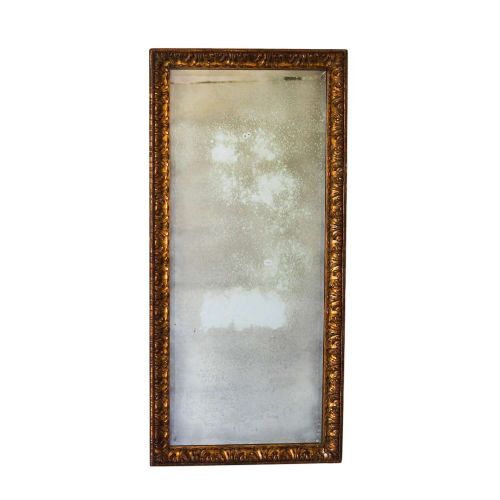
The integrity of the glass plate matters greatly, with original mercury or bevelled glass showing distinct depth compared to modern replacements. Complete survival of integrated elements, such as matching console tables or upper oil paintings, elevates an individual piece.
Pierre D'Avesn
The French Pier Glass Glossary
- Pier glass
- A tall mirror designed to hang on the narrow wall space between two windows. It often stands above a matching console table.
- Trumeau
- A decorative wall panel that combines a mirror plate with an oil painting or carved wooden motif. It forms an integrated architectural feature.
- Gesso
- A plaster-like mixture applied to wood frames and carved into intricate details before gilding. It provides the crisp edge for decorative motifs.
- Mercury glass
- An older silvering technique creating a warm, mottled reflection with characteristic depth. It differs significantly from modern flat mirror silvering.
- Giltwood
- Timber coated with a thin layer of gold leaf over a prepared base. It captures light differently than modern metallic paint.
Frequently Asked Questions
What is a pier glass?
A pier glass is a tall mirror specifically designed for the wall space between windows. It fills the dark gap to reflect natural light.
Historically, these mirrors often stood directly above a matching console table to create a unified architectural furnishing.
Where should I hang one?
These mirrors suit narrow wall spaces, hallways, or living rooms with high ceilings. Their vertical proportions draw the eye upward.
Ensure the wall construction supports the substantial weight of carved wood and gesso frames.
How do I date a mirror?
Dating relies on stylistic clues like Neoclassical or Rococo revival motifs, alongside construction methods in the wood and gesso. Material signs such as original mercury glass also help.
Maker details or specific period traits recorded in the archive provide further reference points.
What is a trumeau mirror?
A trumeau mirror incorporates an oil painting or decorative panel directly above the glass plate. The entire assembly forms a single wall panel.
Pastoral scenes are common subjects for the upper painted section in nineteenth-century examples.