






Fluted Column Mirror
A fluted column mirror brings classical architecture indoors, framing reflection with architectural precision to draw the eye and anchor a room.
Fluted Column Mirror
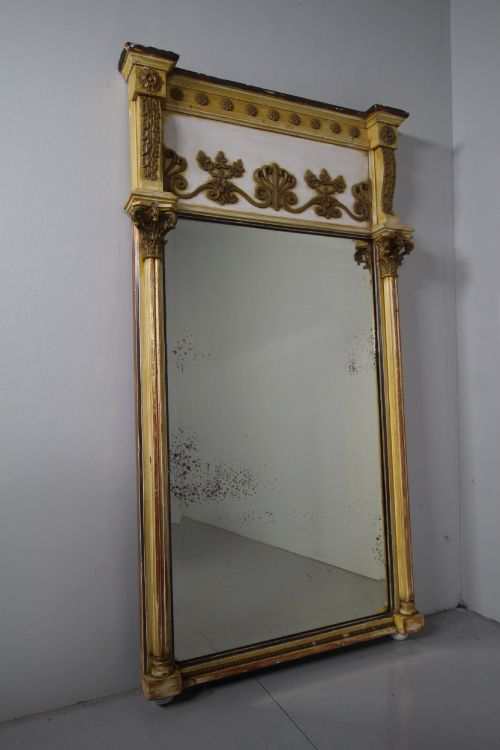
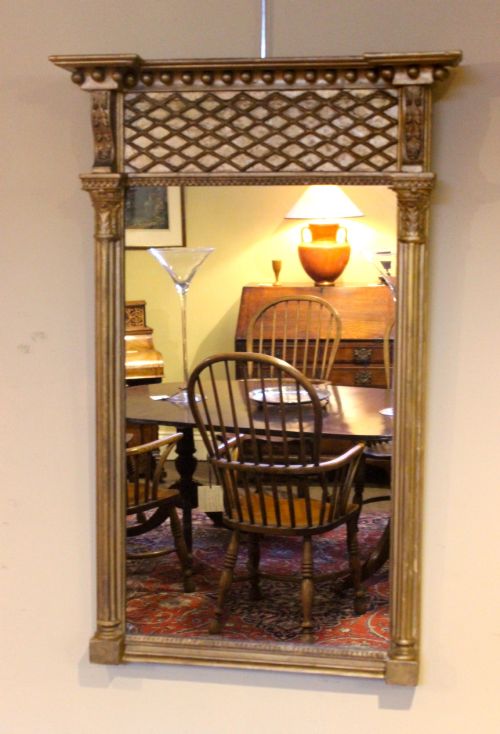
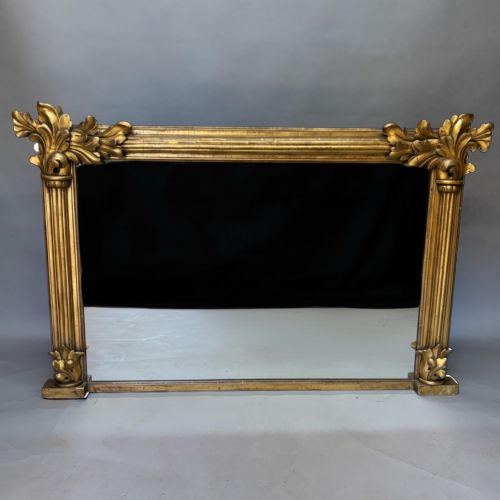
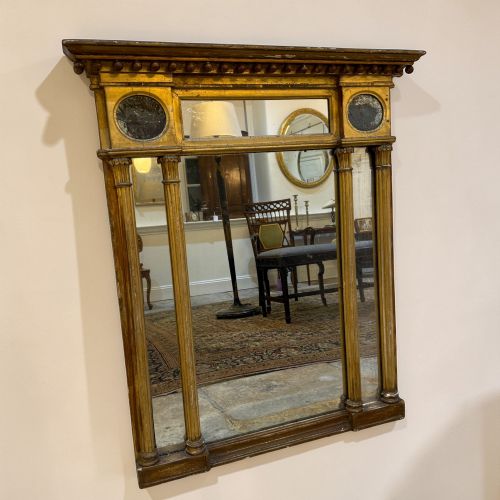
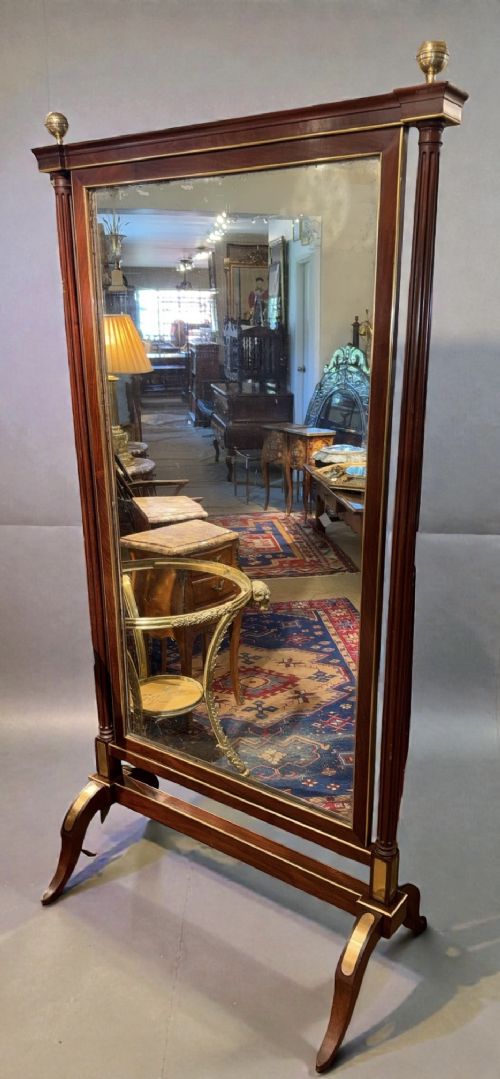
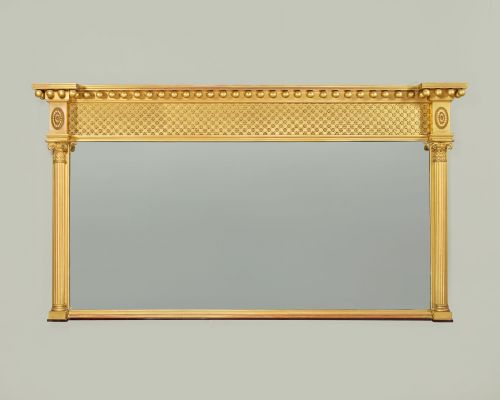
A fluted column mirror is an architectural looking glass defined by vertical channels carved into its side framing, taking the form of wall mirrors, pier glasses, and overmantels. Buyers searching for a fluted column mirror most frequently encounter pieces finished in giltwood, gesso, or paint, dating from the Regency and nineteenth-century periods.
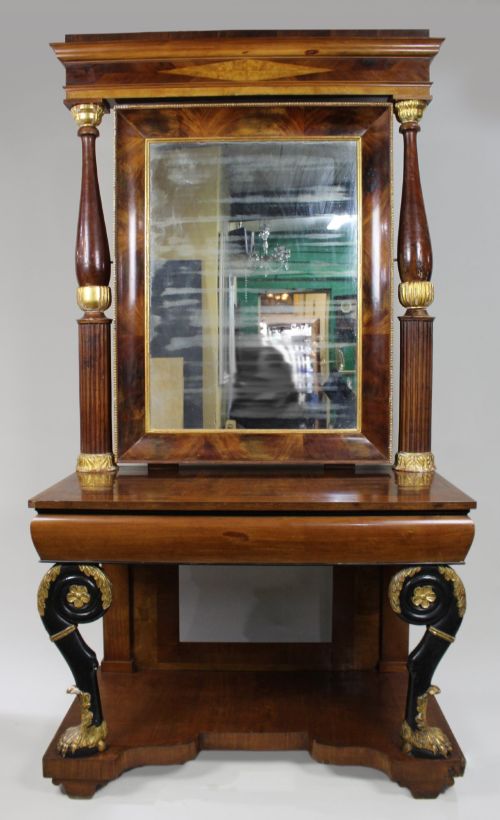
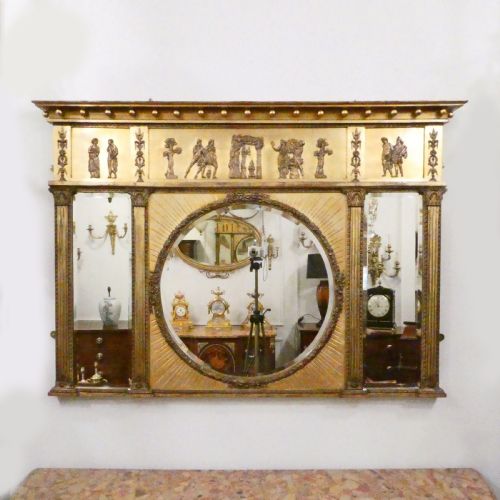
The architectural vocabulary of these pieces draws heavily on Neoclassical and Regency styles, occasionally incorporating panels above the glass or resting atop console tables. Such mirrors were designed to hang between windows or command the chimney breast, reflecting light deep into drawing rooms and parlours.
Materials and Construction
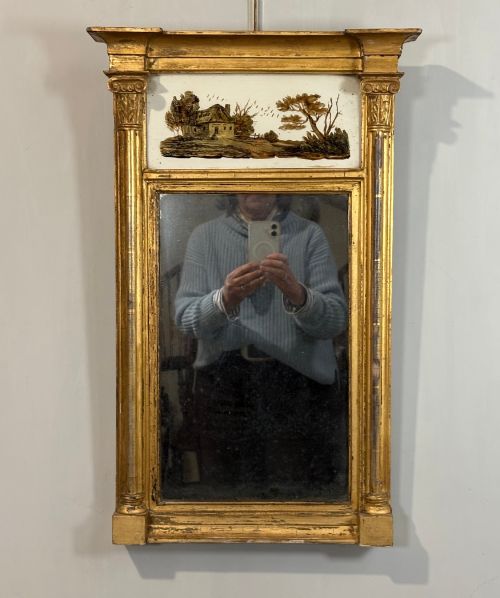
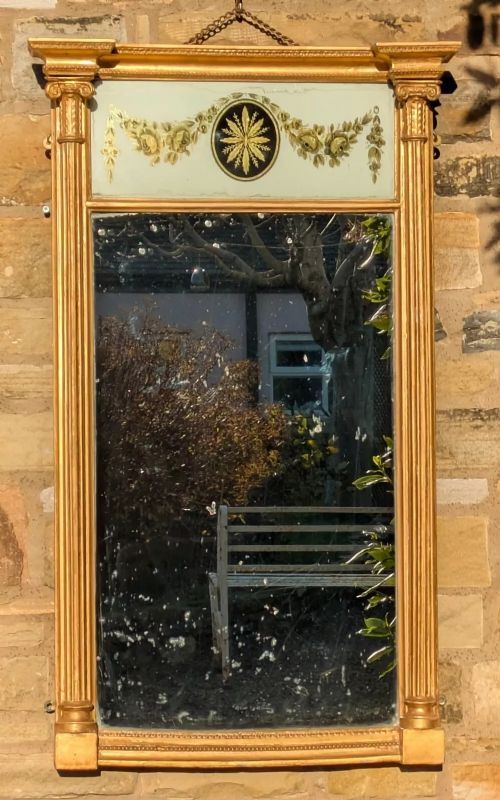
Makers constructed these frames from carved wood, oak, mahogany, or pollard oak, applying a layer of gesso to accept intricate surface detail and gilding. Gold leaf and paint finish the exteriors, while brass mounts or verre eglomise panels frequently augment the primary column structure.
The flutes themselves require precise chiselling down the length of the wooden pilasters, creating rhythm and shadow beside the reflective glass plate. Frames combine structural joinery with applied decorative mouldings to support heavy glass securely.
Fluted Column Mirror Retail Price Guide 2026
Typical asking prices for fluted column mirror among the pieces listed under this phrase on Sellingantiques today, from the lower quarter to the upper quarter. They describe what is for sale here now, not the wider market.
Lion masks peer from the corners of grand Regency pier mirrors, keeping a silent watch over centuries of reflected rooms.
Proportion and Finish
Quality rests in the crispness of the carved fluting and the integrity of the original giltwood or gesso surface, where hand-applied gold leaf retains its warmth and depth. Finer examples display balanced proportions between the vertical columns and the central glass plate, avoiding heavy-handed restoration.
The choice of secondary woods, such as figured mahogany or solid oak, alongside specialised components like verre eglomise panels or lion masks, distinguishes standard utility pieces from masterworks of the period.
The Fluted Column Mirror Glossary
- Fluting
- Vertical parallel grooves carved into the surface of a column or pilaster. This decorative technique creates alternating lines of light and shadow.
- Pier glass
- A tall mirror designed specifically to hang on the wall space between two windows. They often sat above matching console tables.
- Verre eglomise
- A cold decoration technique where design and gilding are applied to the reverse side of glass. It appears frequently in upper frieze panels.
- Gesso
- A plaster mixture applied to wood frames to provide a smooth surface for gilding. Its preservation indicates how well a mirror has survived.
- Giltwood
- Timber coated with gold leaf or gold paint. The underlying preparation layers contribute to the eventual patina.
Fluted Column Mirror: Frequently Asked Questions
Where should I hang a fluted column mirror?
These pieces suit positions above mantelpieces, drawing room sideboards, or narrow wall spaces between windows where their vertical lines create height.
Ensure the wall fixings match the weight of the timber and glass assembly, particularly for larger nineteenth-century overmantel versions.
How do I identify a Regency period mirror?
Look for Neoclassical design influences, giltwood finishes, ebonised details, and specific architectural motifs like columns or pilasters.
Construction methods, timber types, and backboards help confirm the age of the piece against known nineteenth-century standards.
What is a verre eglomise panel?
It is a decorative glass panel featuring painted and gilded scenes on the reverse side, positioned above the main mirror plate.
This technique adds a contrasting horizontal element to the strong vertical thrust of the fluted columns.
Are these mirrors heavy?
Solid wood construction, gesso layers, and thick glass plates contribute substantial weight to wall-mounted and overmantel formats.
Professional hanging using appropriate wall brackets is essential for safe installation in domestic settings.