

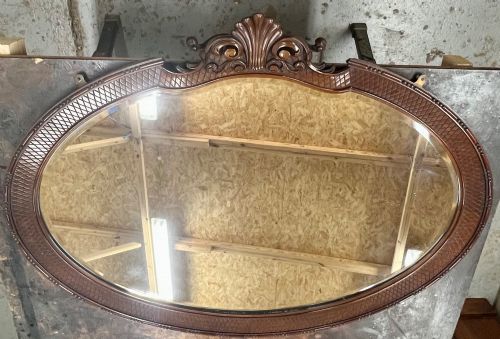
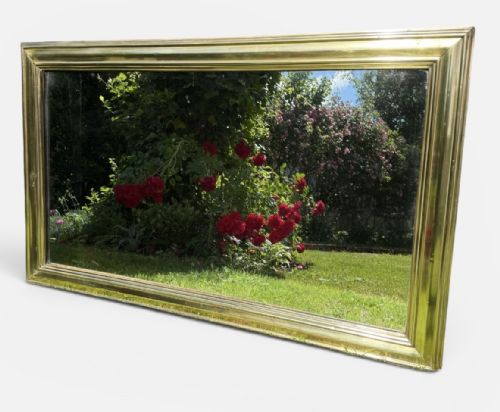


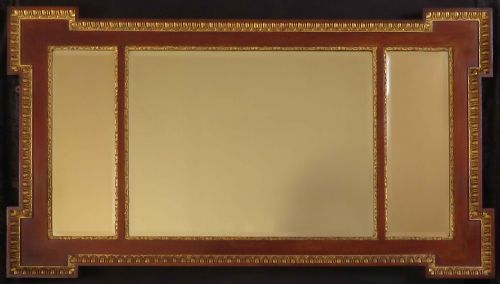
Large Horizontal Mirror
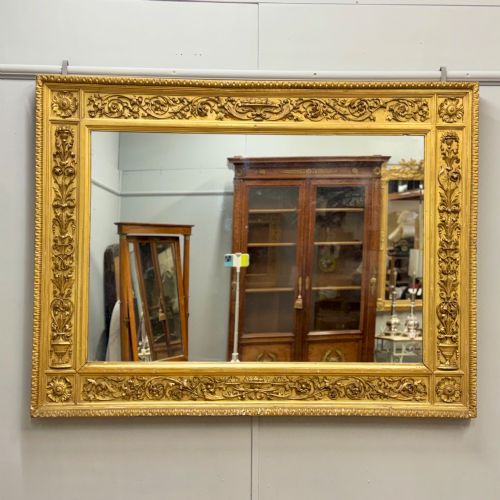
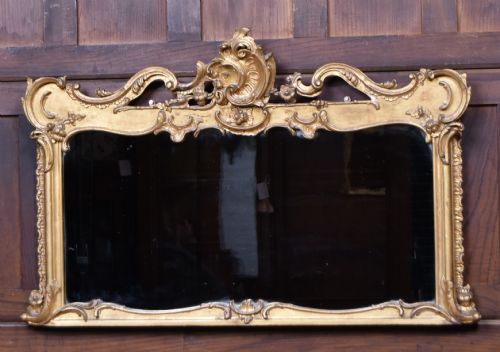
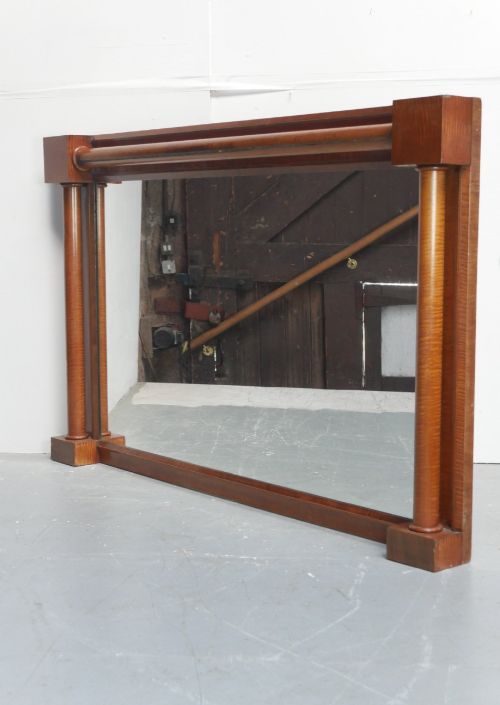
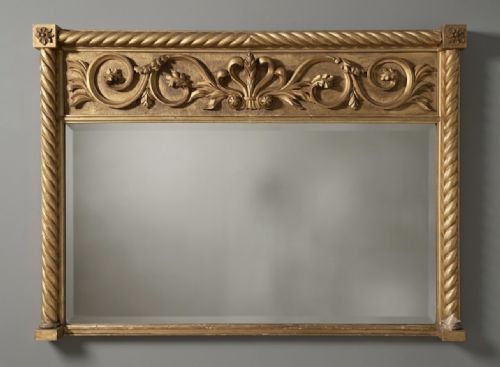
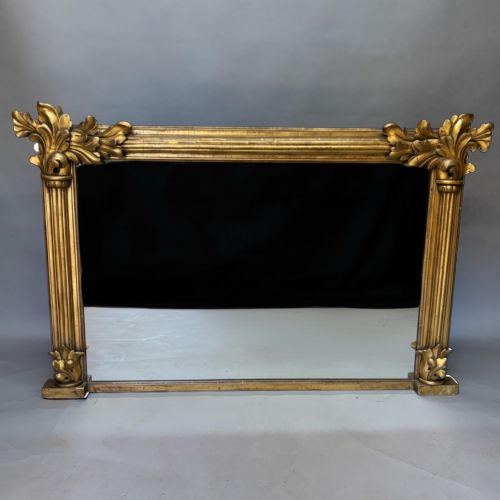
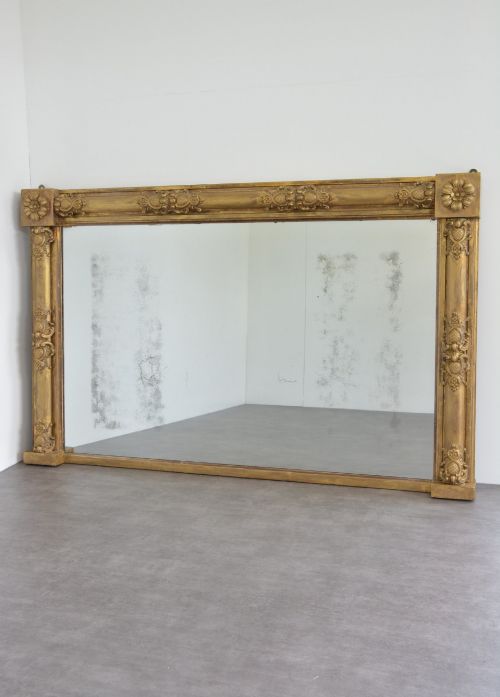
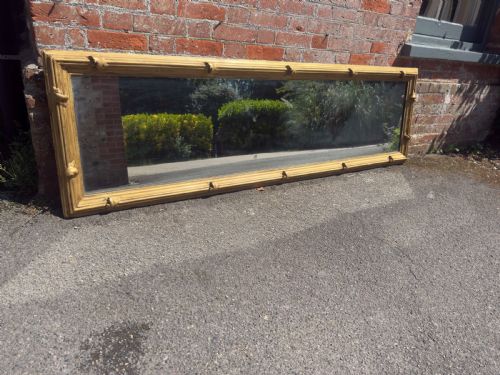
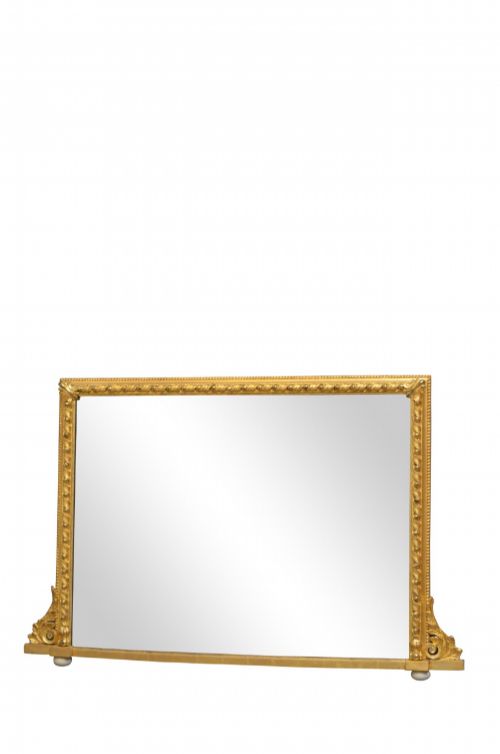
A large horizontal mirror opens up a room by bouncing light across the walls, taking the form of an overmantel, pier, or wall glass.
Large Horizontal Mirror
When you search for a large horizontal mirror, you encounter substantial overmantel and wall glass designed to command a principal room. These pieces originate across the nineteenth century, spanning Regency, Victorian, and Edwardian periods.
The format most frequently met on this page is the overmantel mirror, created to sit above a fireplace and expand the visual space of a chamber. Frames span various forms, including giltwood, carved oak, rosewood, walnut, and painted French bistro styles.
How they were made
Maker construction relies on carved wood and gesso finished with gold leaf, composition, or paint. Frames take shape from sturdy timbers such as oak, mahogany, walnut, and rosewood.
Mirrors utilise glass plates that occasionally display foxing over time. Gilding techniques apply gold leaf and composition over gesso grounds to achieve rich decorative surfaces.
Large Horizontal Mirror Retail Price Guide 2026
Typical asking prices for large horizontal mirror among the pieces listed under this phrase on Sellingantiques today, from the lower quarter to the upper quarter. They describe what is for sale here now, not the wider market.
Listings feature pieces spanning the nineteenth century, Regency, Victorian, and Edwardian periods, constructed in giltwood, oak, rosewood, walnut, and mahogany.
What varies in quality
Quality rests in the crispness of the carved wood and gesso ornamentation and the preservation of the original gilt or paint surfaces. Finer examples display meticulous hand-carving and well-proportioned framing.
The condition of the glass plate also distinguishes pieces, with original or lightly foxed glass adding character. Substantial timber construction like rosewood or mahogany elevates the standing of the work.
The Large Horizontal Mirror Glossary
- Overmantel mirror
- A wide mirror specifically designed to hang on the wall directly above a fireplace mantelpiece. These pieces often feature horizontal proportions to match the width of the hearth below.
- Gesso
- A plaster-like mixture applied to wood frames as a smooth base before gilding or painting. Artisans carve intricate decorative details directly into this hardened layer.
- Giltwood
- Timber that has been covered with a thin layer of gold leaf. This finish provides a bright, reflective surface characteristic of formal period frames.
- Foxing
- Age-related spots and discoloration appearing within the mirror glass itself. This natural oxidation process occurs as the backing degrades over decades.
- Pier mirror
- A tall or wide mirror traditionally hung on the section of wall between two windows. These pieces reflect additional light into darker architectural spaces.
Large Horizontal Mirror: Frequently Asked Questions
Where should I hang a large horizontal mirror?
These pieces traditionally anchor themselves above a fireplace mantelpiece where their width balances the hearth. They also function effectively along a primary living room wall to reflect opposing windows.
Ensure the wall structure securely supports the considerable weight of timber and glass frames. Positioning the glass at eye level maximises both room illumination and practical reflection.
How do I clean an antique mirror frame?
Dust giltwood and carved surfaces gently with a soft, dry brush to protect delicate gesso and gold leaf. Avoid liquid cleaners or harsh chemicals that strip historic finishes.
Clean the glass plate sparingly using a mild glass cleaner applied to a cloth rather than sprayed directly. This prevents moisture from seeping behind the frame edges and damaging the backing.
What is foxed glass?
Foxed glass refers to the small dark spots and mottled patches that develop on antique mirrors as the silver backing oxidises. This natural ageing process creates a characteristic hazy appearance.
Many collectors prize light foxing because it confirms the age and authenticity of the mirror plate. It softens the reflection without obscuring the overall image.
How do I date these mirrors?
Dating relies on stylistic clues, frame materials, and construction techniques evident in the woodwork. Regency pieces display neoclassical motifs, while Victorian examples often embrace heavier carved ornamentation.
Examine the backboards, fixings, and glass characteristics for period-appropriate manufacturing methods. The presence of original gilt or paint finishes also assists in placing the piece within its historical decade.