




Empire Style Mirror
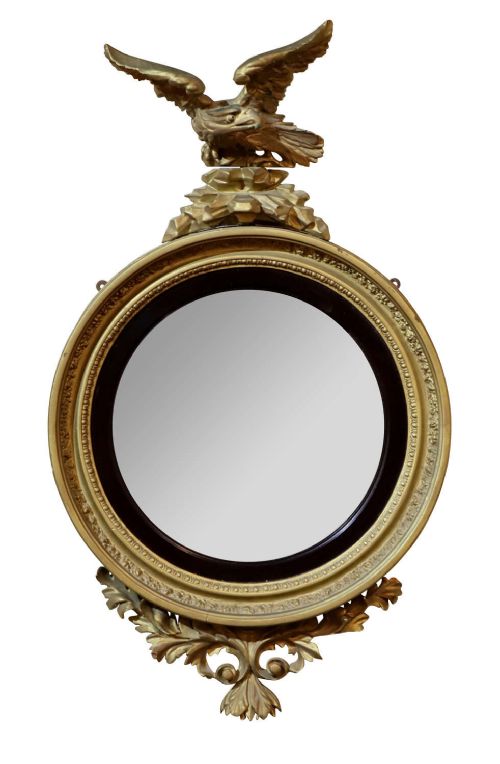
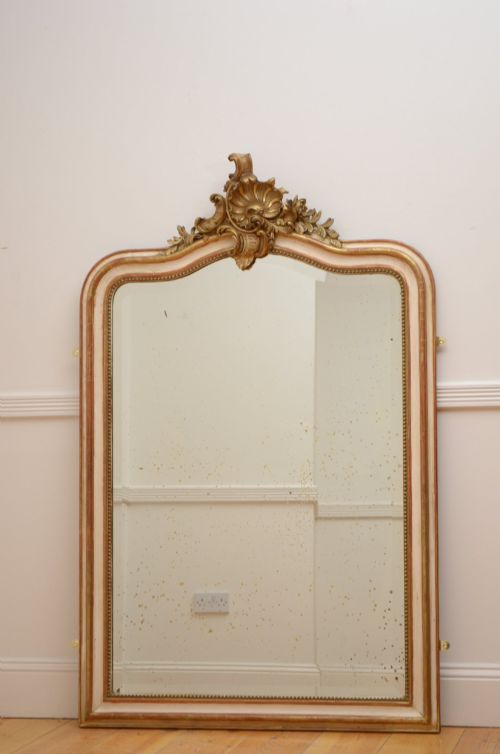
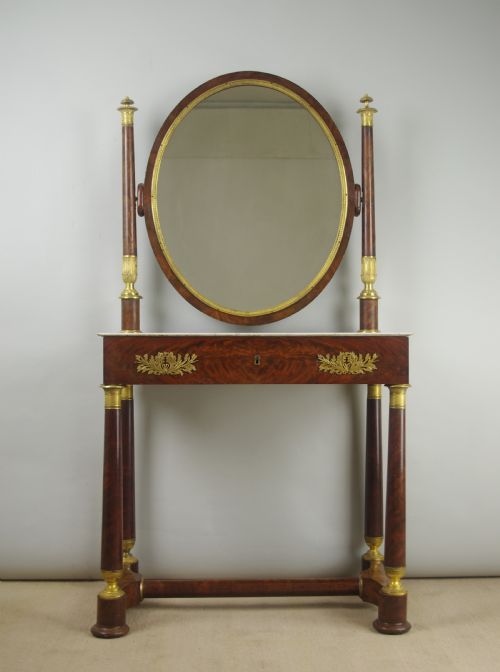
An empire style mirror brings neoclassical grandeur to a room through architectural timber frames and gleaming ormolu mounts.
Empire Style Mirror
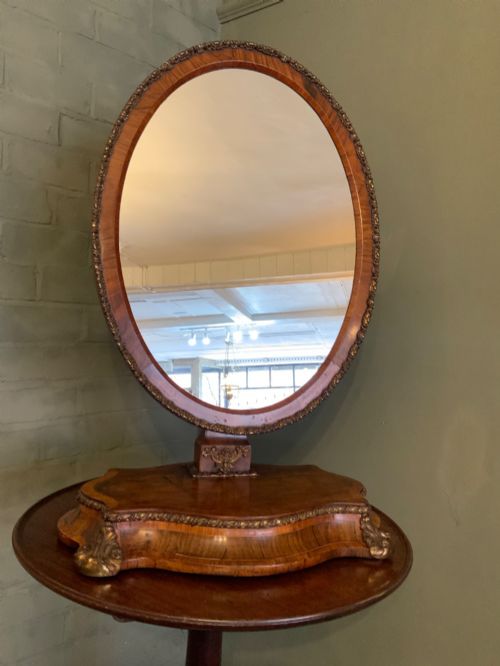
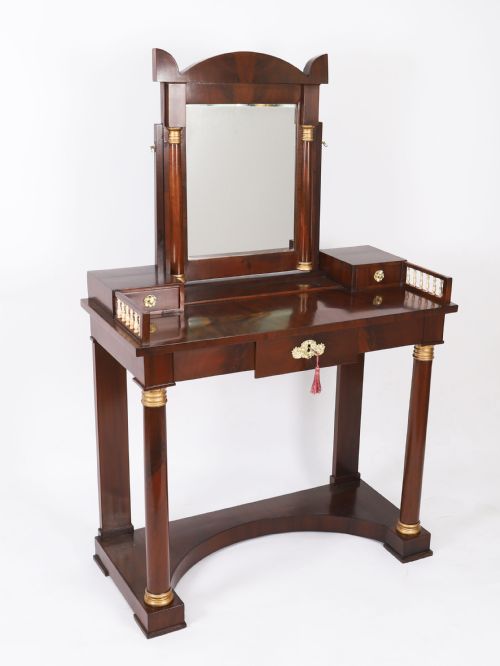
An empire style mirror draws on classical motifs from the nineteenth century, encompassing wall mirrors, overmantels, and dressing tables.
Pieces on this page range from French Empire originals to later revival items, frequently incorporating mahogany, giltwood, and brass.
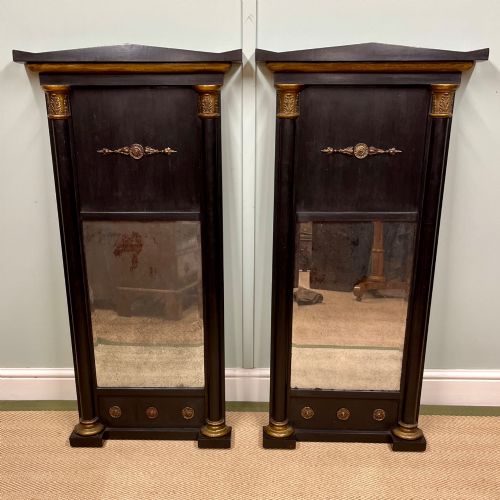
Buyers encounter formats varying from tall cheval glasses to pier mirrors designed to sit between windows.
How they were made
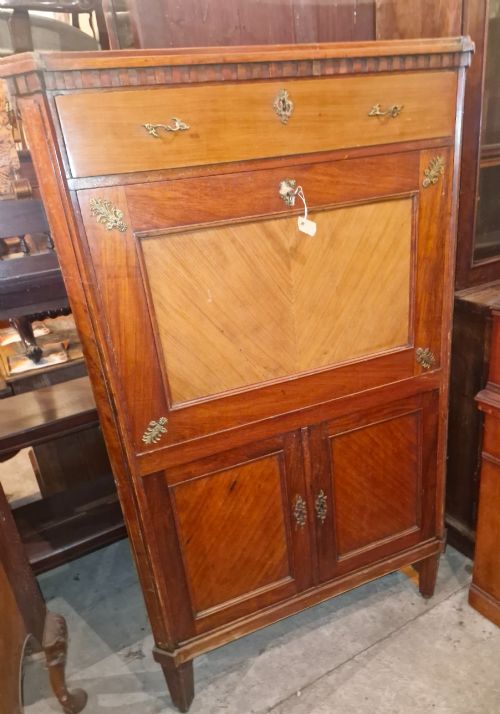
Cabinetmakers utilised dense timbers like mahogany and walnut for the foundational frames, often applying flame veneers for rich grain patterns.
Giltwood and gesso surfaces received layers of gold leaf or metallic paint, while cast ormolu and brass mounts provided classical contrast.
Empire Style Mirror Retail Price Guide 2026
Typical asking prices for empire style mirror among the pieces listed under this phrase on Sellingantiques today, from the lower quarter to the upper quarter. They describe what is for sale here now, not the wider market.
Keep an eye out for General Meigs' personal cheval mirror making an unexpected appearance among the transatlantic arrivals.
What varies in quality
The crispness of the cast bronze or ormolu mounts distinguishes finer examples from simpler production, alongside the depth of the hand-carved gesso relief.
Timber selection dictates overall resonance, where figured flame mahogany or fire-gilded surfaces outrank plain secondary woods and modern paint.
The Empire Style Mirror Glossary
- Ormolu
- Gilded bronze mounts applied to furniture and mirror frames. This technique involves mercury amalgamation on cast brass or bronze.
- Gesso
- A plaster mixture spread over wood and carved before gilding. It provides the crisp relief work seen on classical frames.
- Trumeau
- An architectural mirror incorporating a painted or carved panel above the glass. These were designed to hang between windows.
- Pier mirror
- A tall glass made to fit the wall space between two windows. They often sat above matching console tables.
- Cheval glass
- A full-length mirror hung on a swivel frame within vertical supports. It allowed users to view their entire outfit.
Empire Style Mirror: Frequently Asked Questions
Where should I hang an empire style mirror?
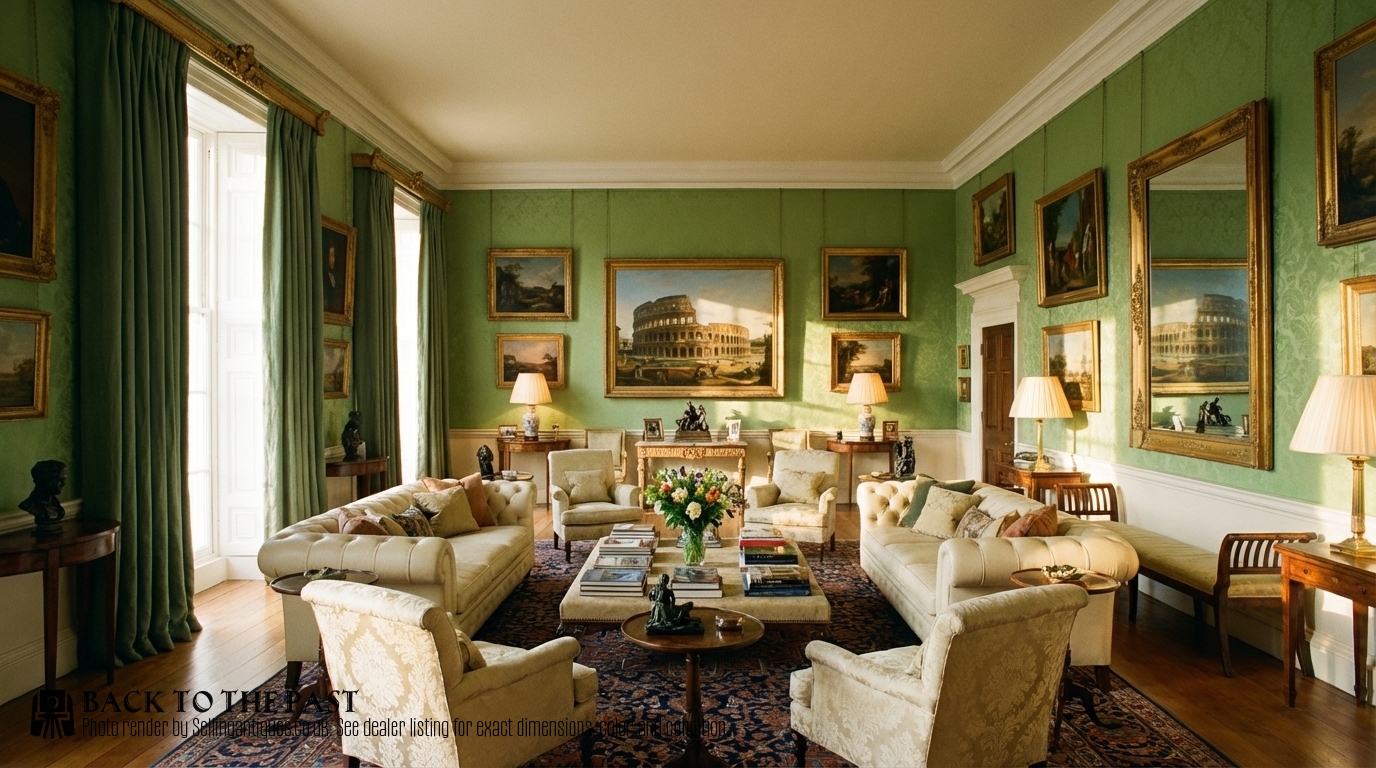
These pieces suit principal reception rooms or hallways where their classical proportions can anchor the space.
Overmantels sit naturally above fireplaces, while tall pier glasses work well on blank wall spans.
How do I identify a revival piece?
Revival items often date from the late nineteenth or early twentieth century, reflecting earlier neoclassical tastes.
Secondary woods, machine-cut screws, and cleaner mirror plates usually point towards these later manufacturing dates.
What woods were used for frames?
Mahogany and walnut form the structural core of most examples, frequently finished with striking flame veneers.
Giltwood, ebonised timber, and maple also appear across French and Swedish pieces.
How do I care for the gilded surfaces?
Dust the giltwood and ormolu gently with a dry, soft brush to protect the delicate metallic leaf.
Avoid commercial cleaning fluids, as moisture and chemicals damage historical gilding and antique mirror silvering.