

Regency Pier Glass
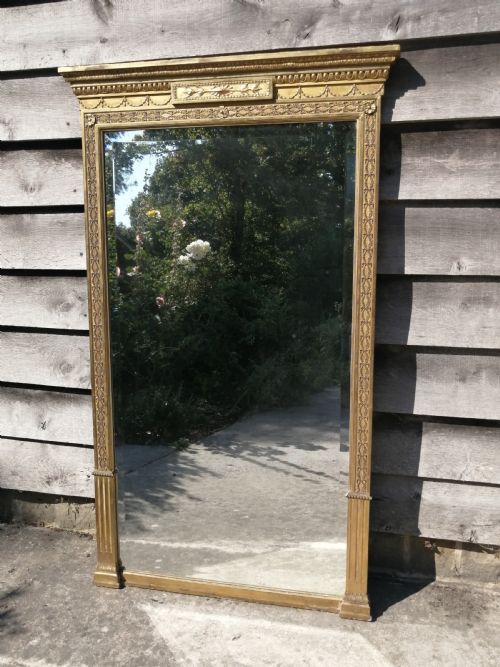
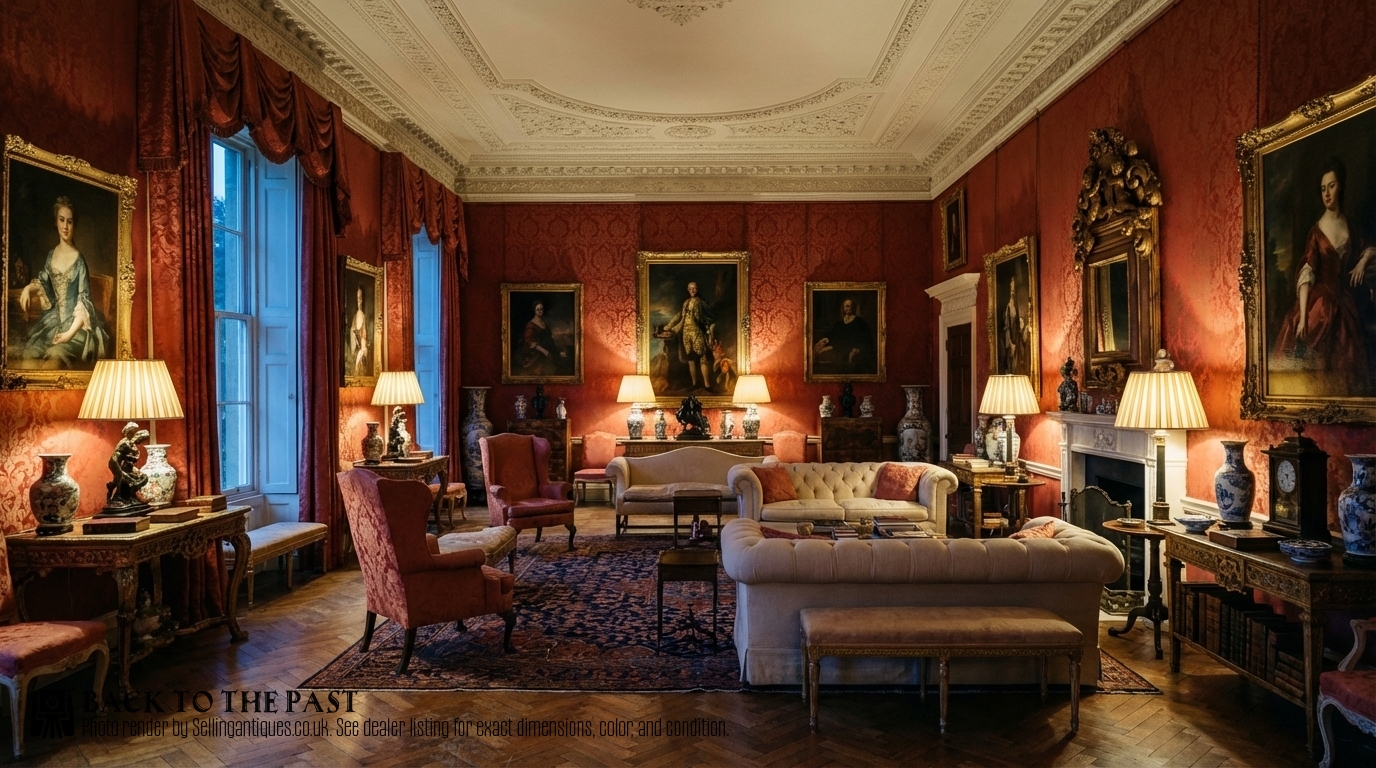
A regency pier glass brings architectural rhythm to a room, hanging tall and narrow between windows to bounce daylight across the floorboards.
Regency Pier Glass
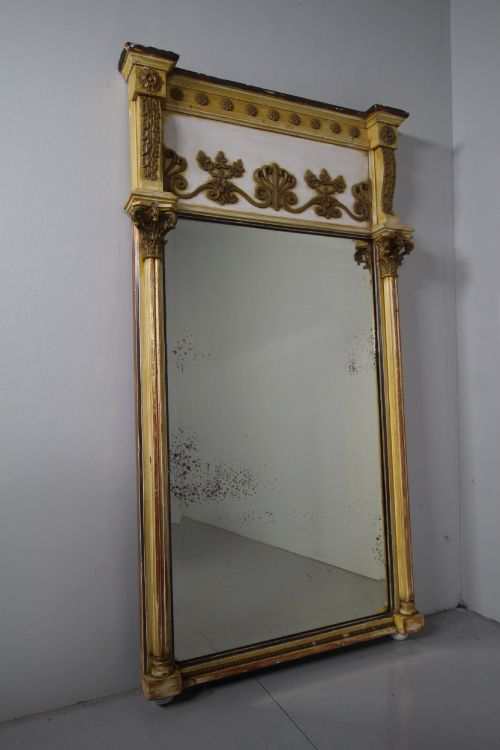
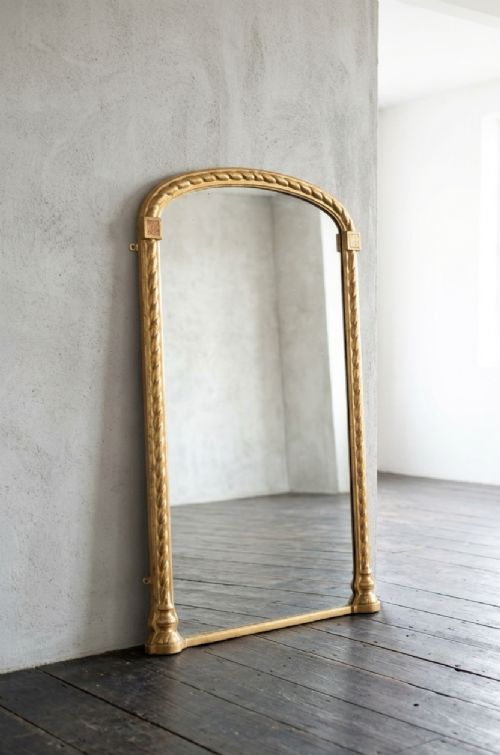
A regency pier glass is a tall, vertical wall mirror designed specifically to hang on the narrow wall space between windows, known as the pier. The form emerged strongly during the early nineteenth century, combining architectural presence with functional light reflection.
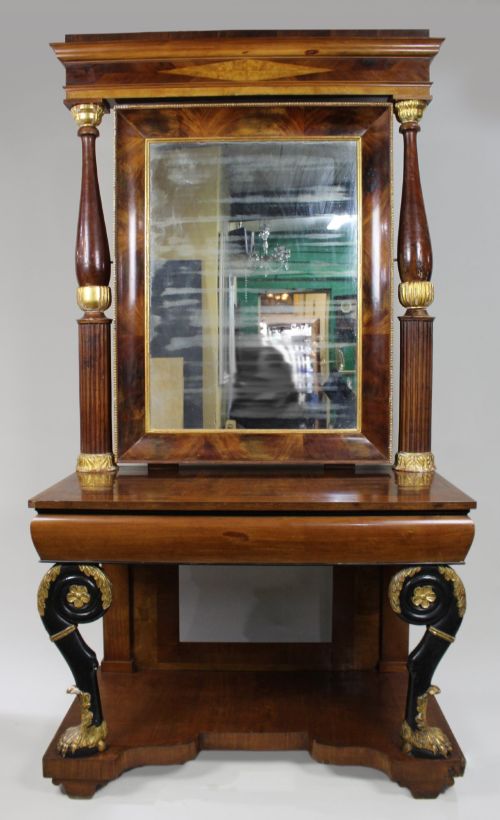
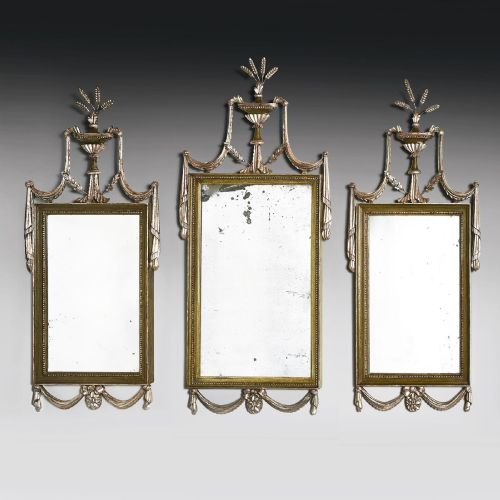
Most examples encountered on this page date from the nineteenth century and the wider Regency period, executed in formats that range from neat, modest frames to grand, imposing proportions. Makers of the era frequently paired these glasses with console tables or incorporated decorative upper panels.
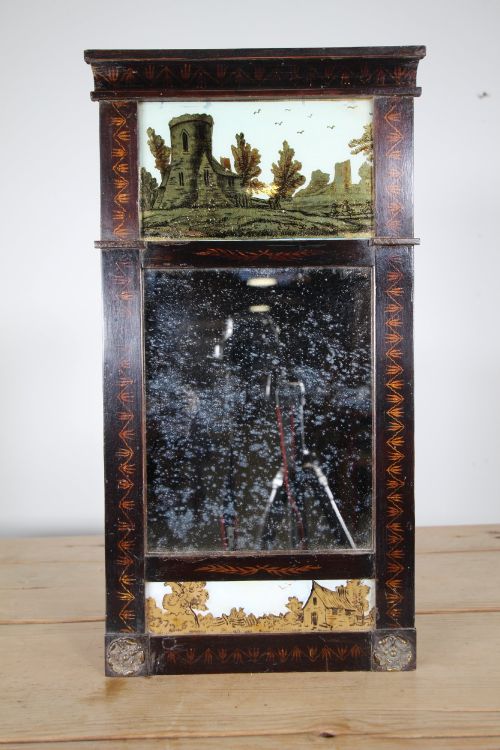
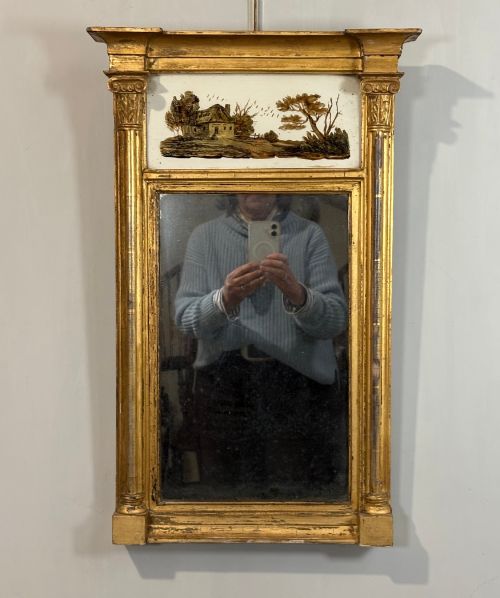
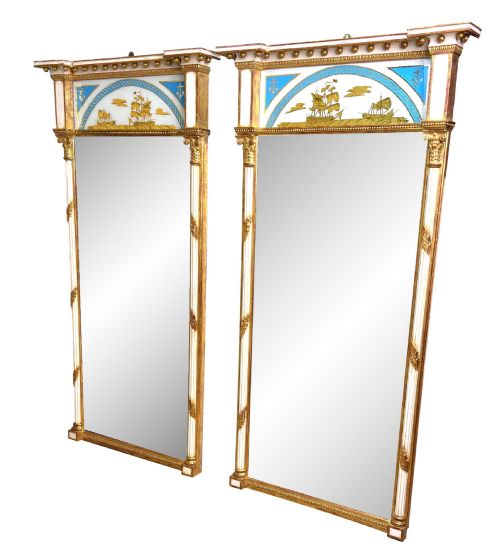
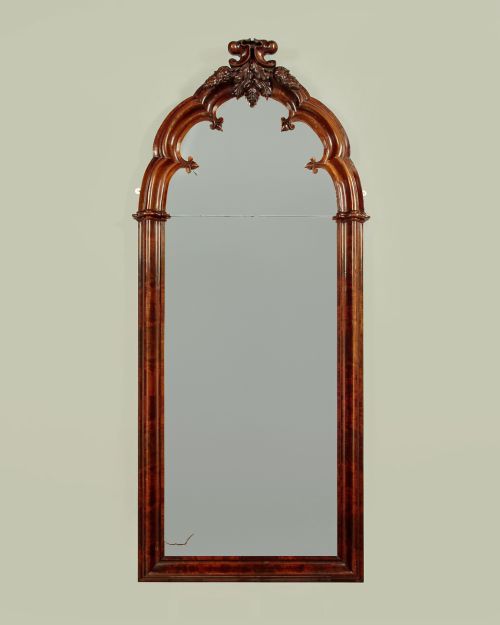
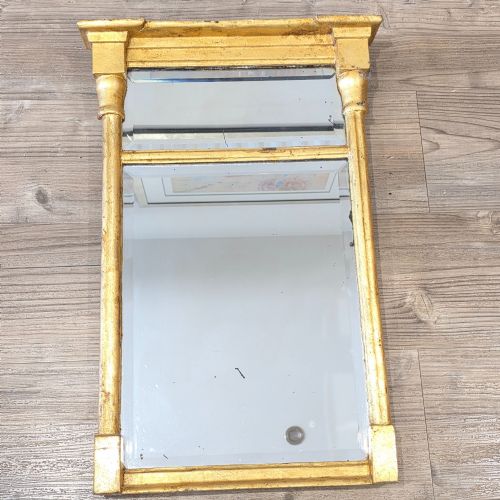
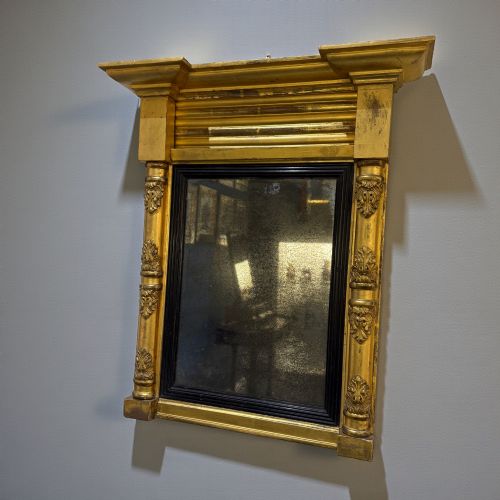
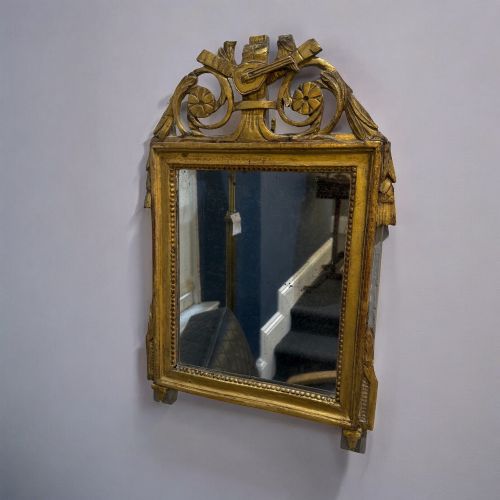
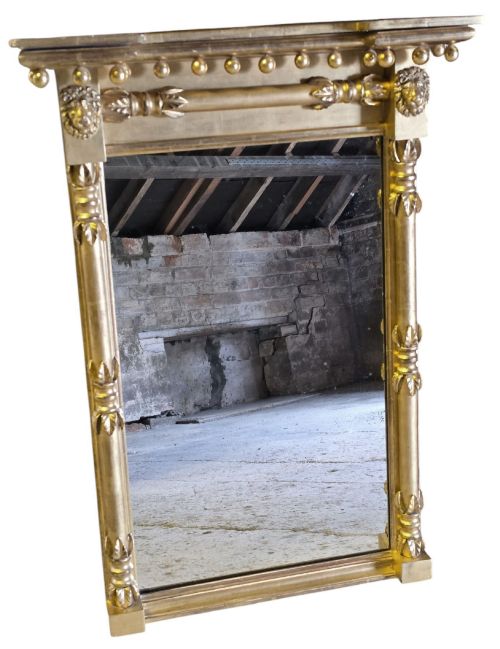
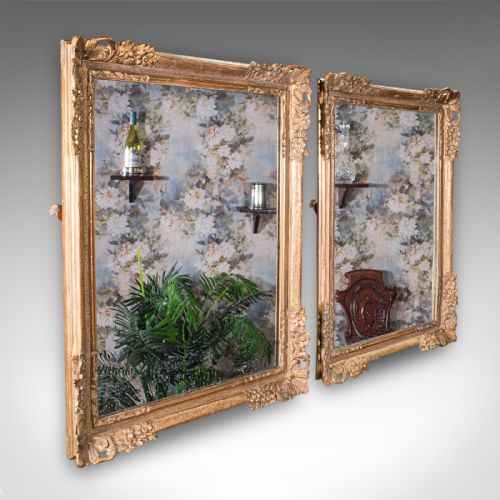
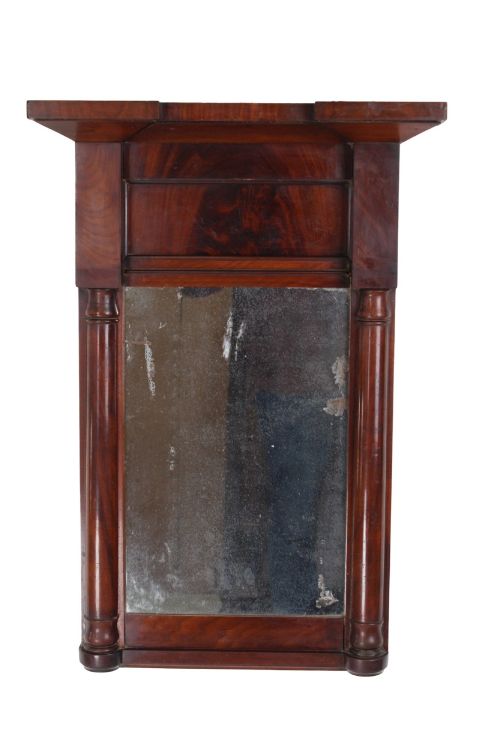
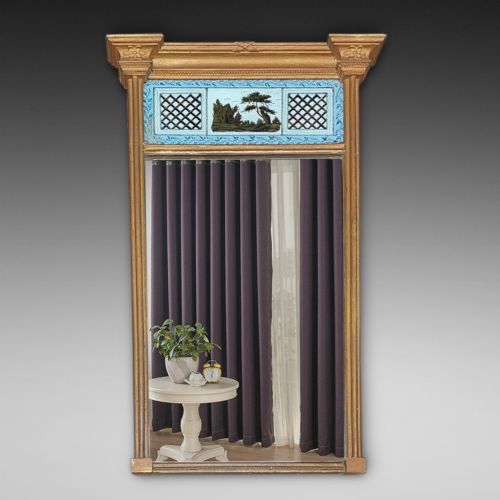
The surviving inventory shows distinct variations in execution, including mahogany frames with parcel gilt details, painted finishes with lion masks, and elaborate giltwood structures featuring verre eglomise panels.
Assessing the Standard
Quality in a regency pier glass rests on the crispness of the carved ornament, the integrity of the original gilding, and the depth of the timber grain. Finer examples display hand-modelled gesso work and well-proportioned architectural framing rather than mechanical repetition.
The preservation of original components, such as early mercury mirror plates and reverse painted glass panels, elevates an example significantly. Superior frames maintain their structural joinery intact, allowing the decorative motifs and gilded surfaces to age with an undisturbed patina.
Regency Pier Glass Retail Price Guide 2026
Typical asking prices for regency pier glass among the pieces listed under this phrase on Sellingantiques today, from the lower quarter to the upper quarter. They describe what is for sale here now, not the wider market.
Listings feature nineteen-century wall mirrors utilising materials such as ebonised wood, mahogany, giltwood, and composition.
Gillows Of Lancaster·Thomas Fentham of London
The Regency Pier Glass Glossary
- Verre eglomise
- A cold decoration technique involving gilding and painting on the reverse side of glass panels. This process creates a dark, reflective backdrop often placed above the main mirror plate.
- Gesso
- A plaster-like mixture applied to wooden frame foundations to provide a smooth surface for subsequent carving and gilding. Skilled artisans shaped this material to form intricate neoclassical reliefs.
- Parcel gilt
- A finish where selected portions of a wooden or painted surface are highlighted with gold leaf. This technique accentuates specific carved details against a contrasting background.
- Pier glass
- A tall mirror intended specifically for the wall space between two windows. The design maximises natural light within nineteenth-century domestic interiors.
- Overmantle
- A large horizontal or vertical mirror designed to hang above a fireplace mantelpiece. These pieces share stylistic vocabulary with pier glasses but serve a different architectural function.
Regency Pier Glass: Frequently Asked Questions
Where should I hang a pier glass?
These mirrors suit narrow wall spaces, particularly between tall windows where they can amplify natural light. Placing one above a matching console table creates a traditional arrangement.
Ensure the wall fixings safely support the weight of a heavy timber and glass frame. Positioning the mirror at eye level maximises its decorative impact in a hallway or principal room.
How do I care for antique mirror glass?
Clean the glass surface gently using a soft, dry cloth without harsh chemical sprays. Avoid letting moisture seep behind the frame edges where the historical silvering or mercury plate meets the wood.
Keep the mirror away from direct, prolonged sunlight and damp environments to protect the fragile giltwood and gesso surfaces.
What defines the Regency style?
The Regency style draws heavily on neoclassical motifs, incorporating clean architectural lines, Egyptian revival details, and classical symmetry. Gilding, reeded columns, and verre eglomise panels frequently feature in this design vocabulary.
Proportions remain balanced and elegant, reflecting an aesthetic shaped by early nineteenth-century taste and archaeological discoveries.
Are these mirrors heavy?
Many examples possess substantial weight due to dense hardwoods, thick glass plates, and heavy plaster gesso decorations. Proper wall anchoring into studs or masonry is essential for secure installation.
Professional hanging ensures the structural integrity of the antique frame remains protected over time.