
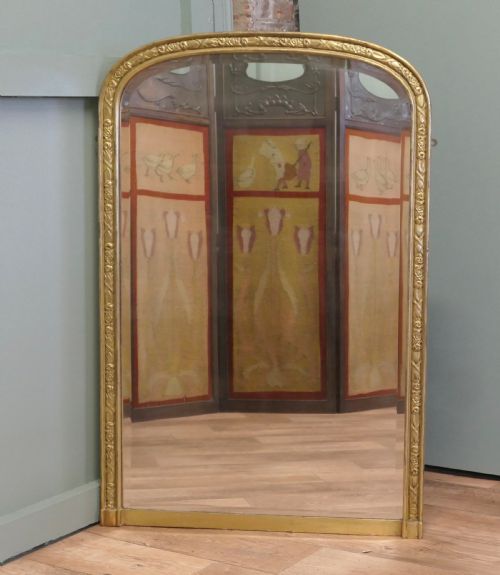
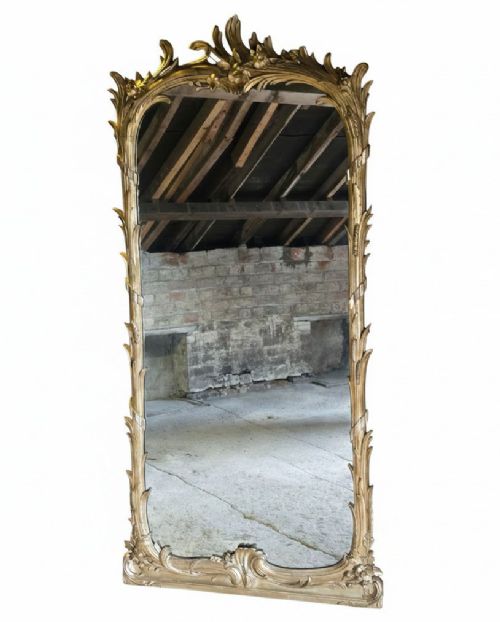
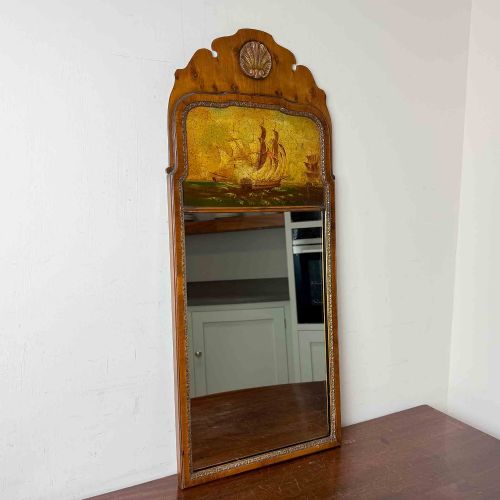
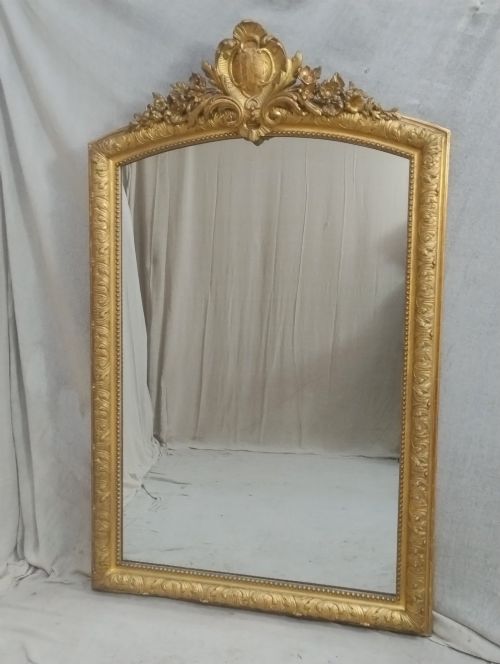
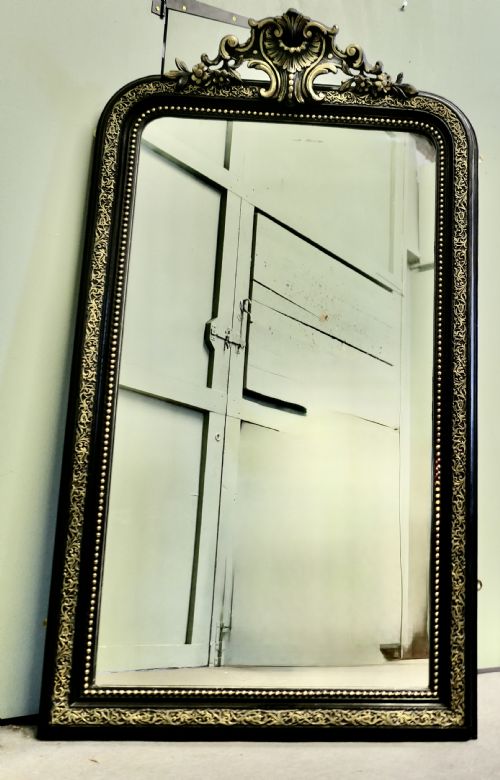
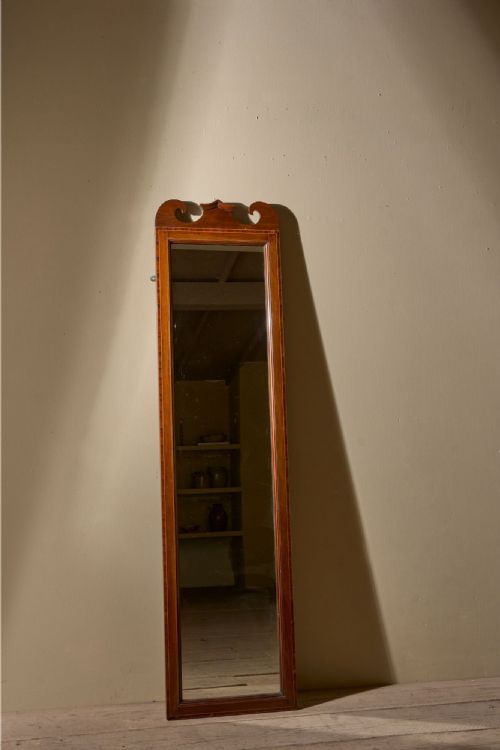
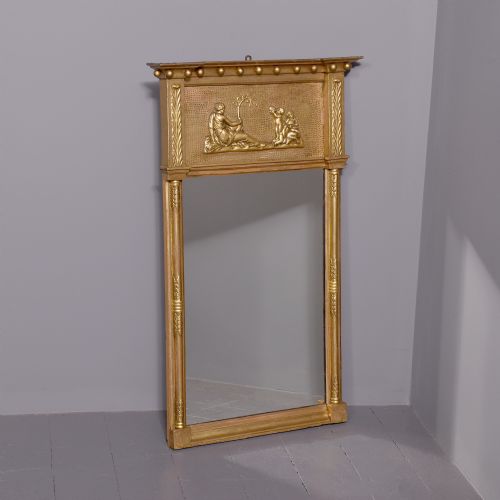
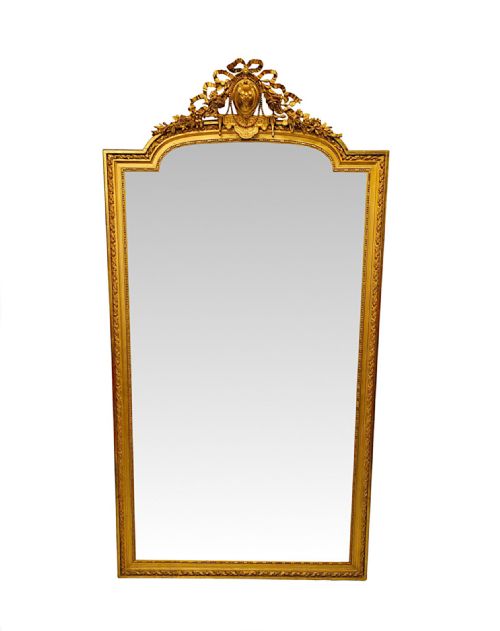
Tall Wall Mirror
These tall wall mirror pieces bring vertical scale and reflected light into a room, drawing the eye upward.
What they are
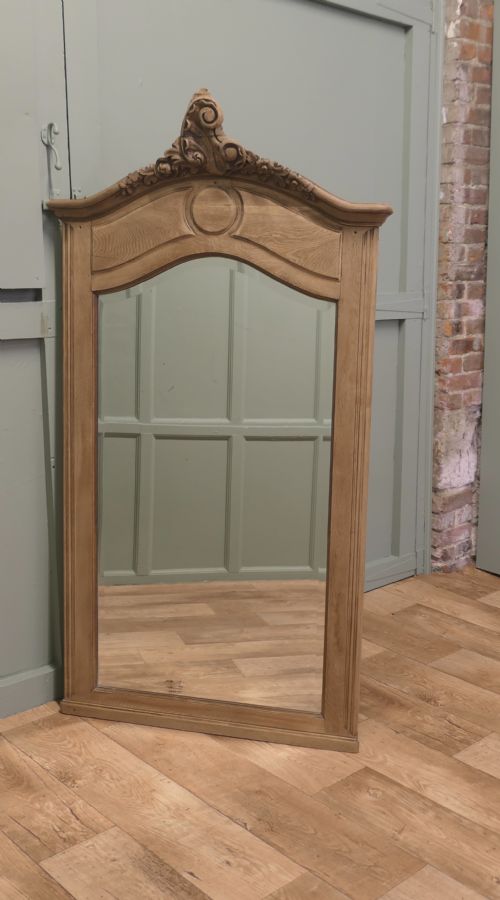
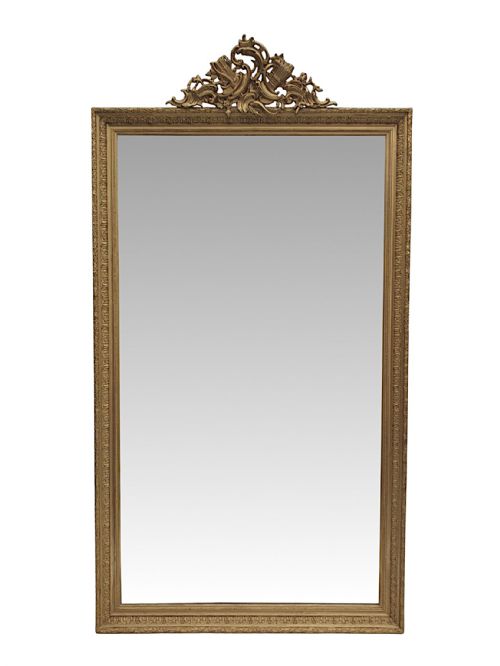
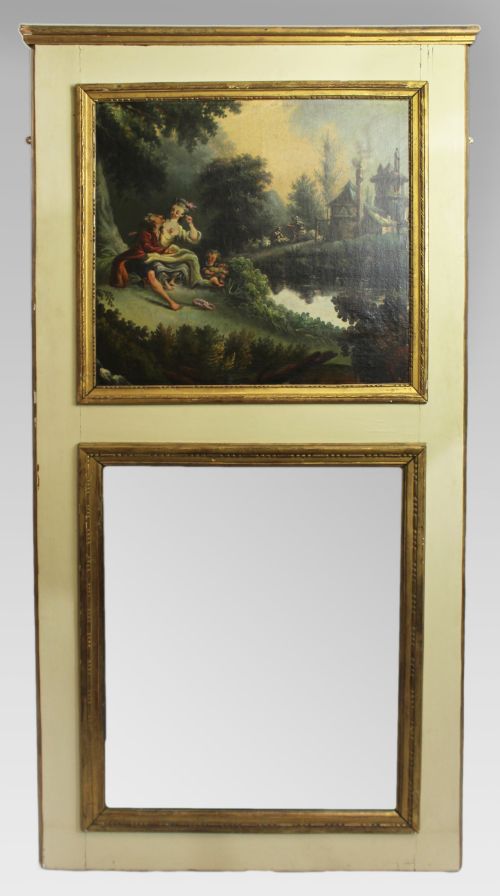
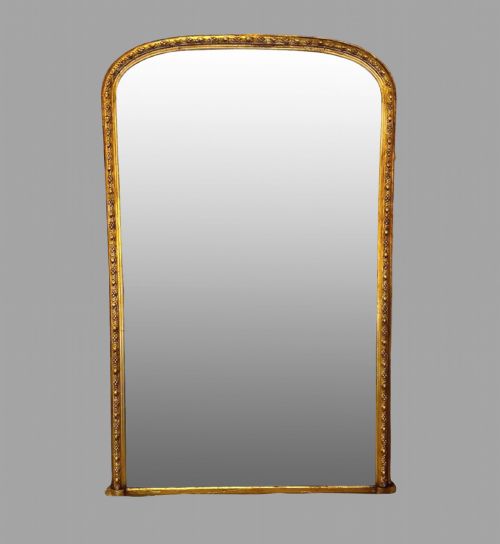
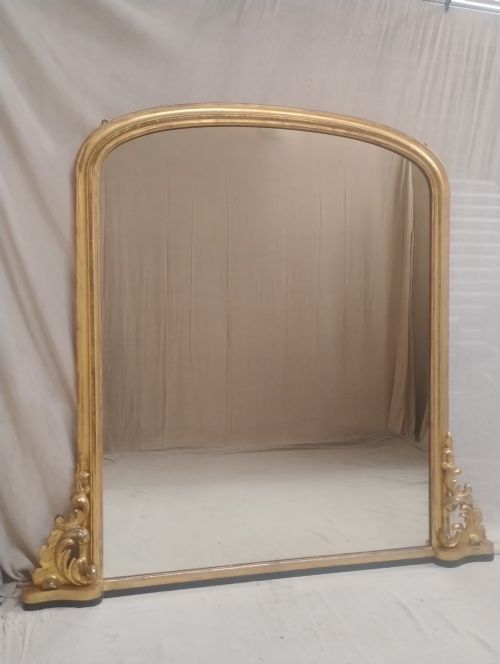
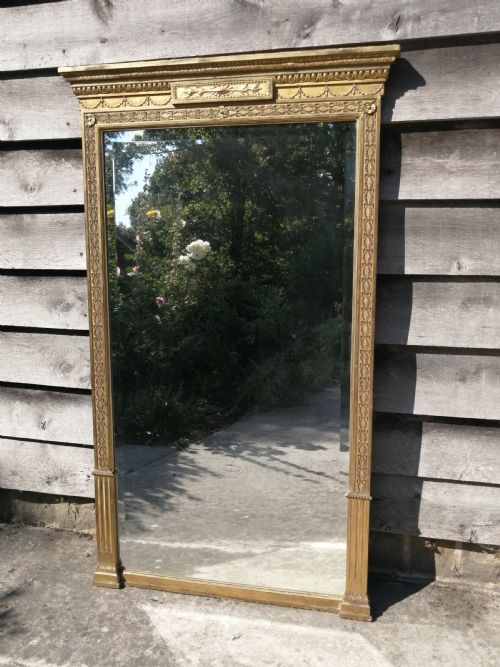
A tall wall mirror commands a room by stretching vertical space, frequently taking the form of a pier mirror, an overmantle, or a leaner mirror. You will encounter nineteenth-century English and French examples, alongside earlier Georgian and Victorian interpretations.
The evidence shows these pieces functioning across domestic and commercial settings, from hallway wall installations to dressing mirrors and shop fittings. Formats range from narrow console mirrors to substantial architectural frames reaching several feet in height.
How they were made
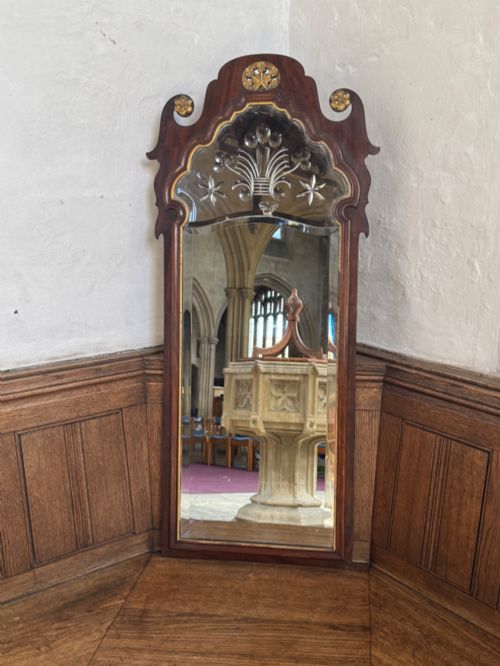
Frames rely upon traditional cabinet timbers such as mahogany, oak, walnut, and burr walnut, often paired with structural wood veneer. Workshops also employed gesso applied over timber bases to build up relief ornamentation before gilding.
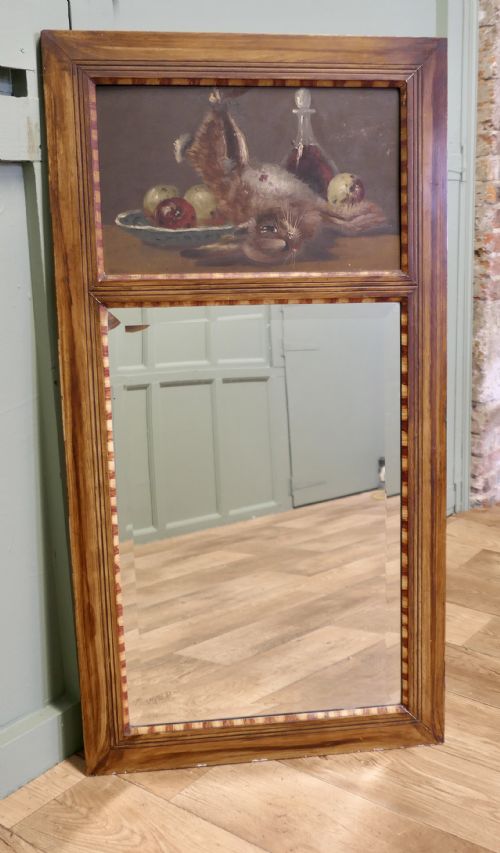
Surfaces receive decorative finishes including giltwood, silver and gold leaf, black lacquer, ebonised details, marquetry, and painted treatments. Glass plates are fitted within these frames, occasionally featuring bevelled edges.
Retail Price Guide 2026
Typical UK retail prices for tall wall mirror, calculated from the Sellingantiques database of over a million retail prices indexed since 2003. This retail price guide relies exclusively on Sellingantiques data; no external sources or auction records are used, so the figures do not describe the wider market.
Shop fitting mirrors from the Victorian era occasionally bear the subtle scuffs of bustling nineteenth-century outfitters.
What varies in quality
The refinement of the carved details dictates much of the distinction, separating briskly executed mouldings from deeply modelled acanthus leaves, fret cuts, and architectural crestings. Hand-carved walnut and crisp gesso work demonstrate superior workshop input.
The integrity of the plate and the depth of the frame construction also separate examples. Heavy timber frames with original gilding or distinct veneer grains hold greater presence than simpler utility pieces.
The Tall Wall Mirror Glossary
- Pier mirror
- A tall wall mirror traditionally hung on the pier of wall between two windows. It often sat directly above a console table.
- Overmantle
- A large mirror designed specifically to be hung on the wall above a fireplace mantelpiece. These frequently span significant widths and heights.
- Giltwood
- Timber that has been coated with fine gold leaf over a prepared gesso ground. This finish catches candlelight and natural illumination.
- Gesso
- A plaster-like mixture applied to wood frames to provide a smooth surface for gilding or deep relief carving. It allows crisp decorative edges.
- Marquetry
- Inlaid patterns of contrasting veneers applied to furniture and frame surfaces. It demonstrates advanced cabinet-making skill.
Frequently Asked Questions
Where should I hang a tall wall mirror?
These pieces suit spaces where vertical lines require emphasis, such as narrow hallways, above mantelpieces, or between windows as traditional pier glasses.
Ensure the wall construction supports the considerable weight of timber frames and glass plates before installation.
How do I identify a nineteenth-century mirror?
Nineteenth-century examples often display characteristic Victorian or Louis Philippe proportions, utilising timbers like mahogany and walnut alongside gesso ornamentation.
Examine the construction of the backboards, fixings, and glass plates to understand the manufacturing period.
What is the difference between an overmantle and a pier mirror?
An overmantle is proportioned to sit above a fireplace opening, whereas a pier mirror is designed for the narrow wall space between architectural openings.
Both formats utilise tall vertical dimensions to increase reflected light within period rooms.
How do I clean an antique mirror frame?
Dust giltwood and carved timber frames gently with a soft brush to protect delicate gesso and leaf surfaces from abrasion.
Keep moisture away from the edges of the glass plate to prevent damp from affecting the historic backing.