

Classical Gilded Mirror
A classical gilded mirror brings proportion, light and carved detail into a room through nineteenth-century giltwood, gesso and mirror glass.
Classical Gilded Mirror
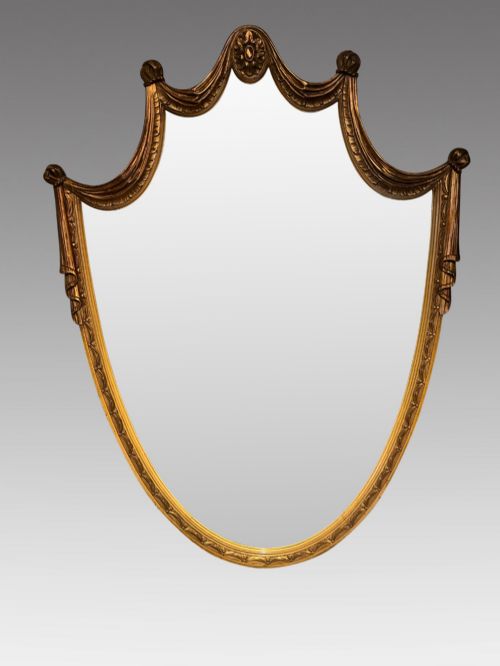
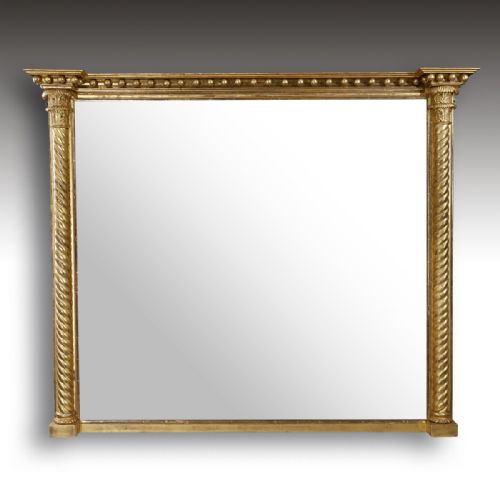
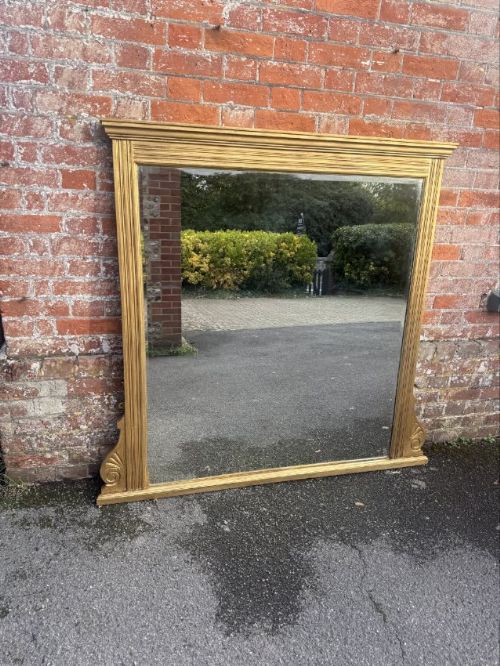
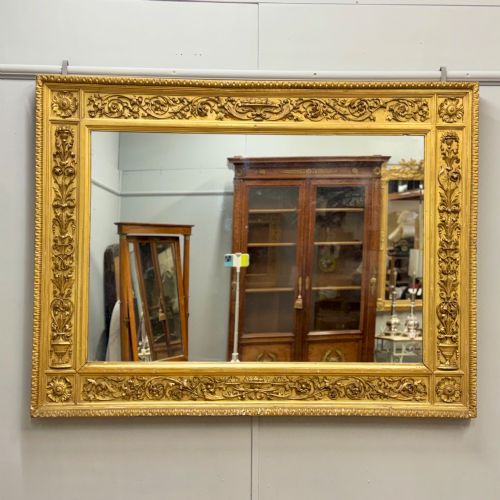
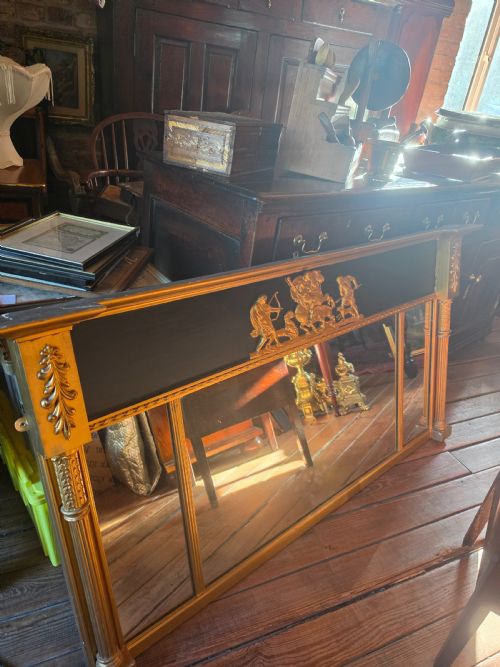
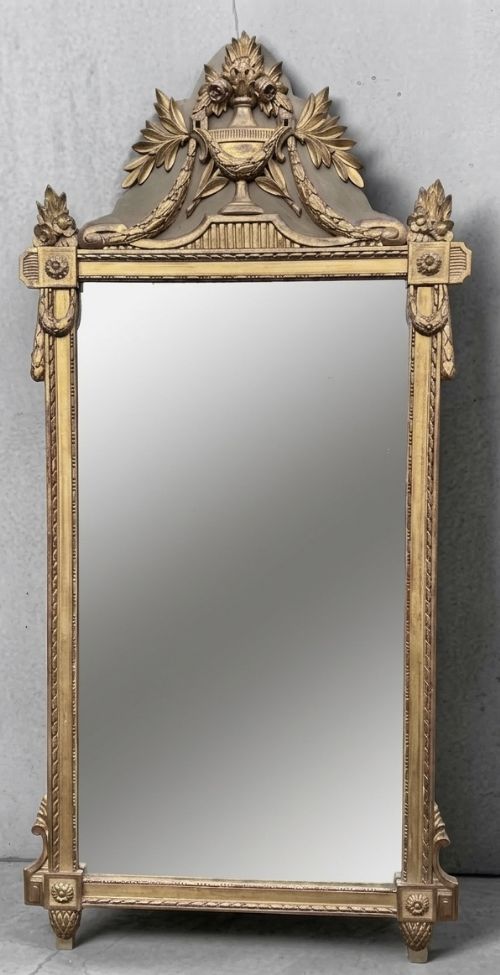
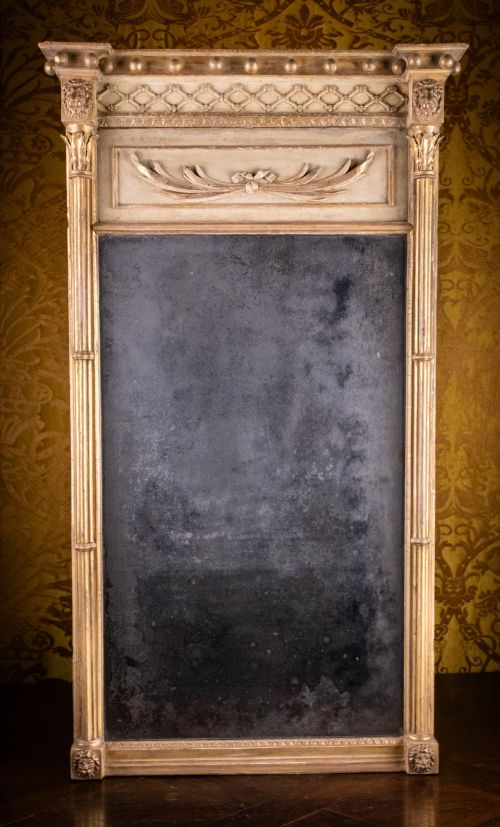
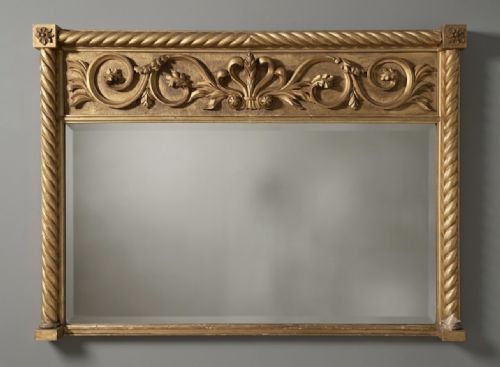
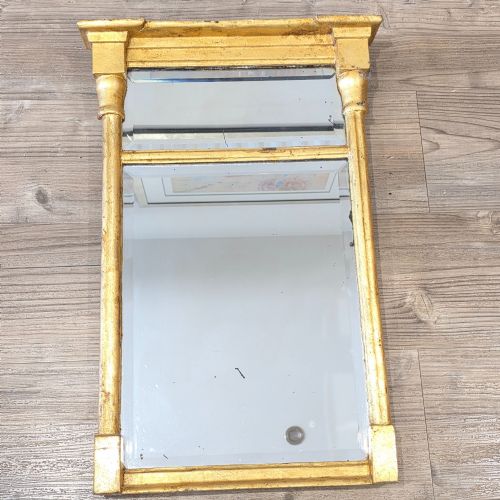
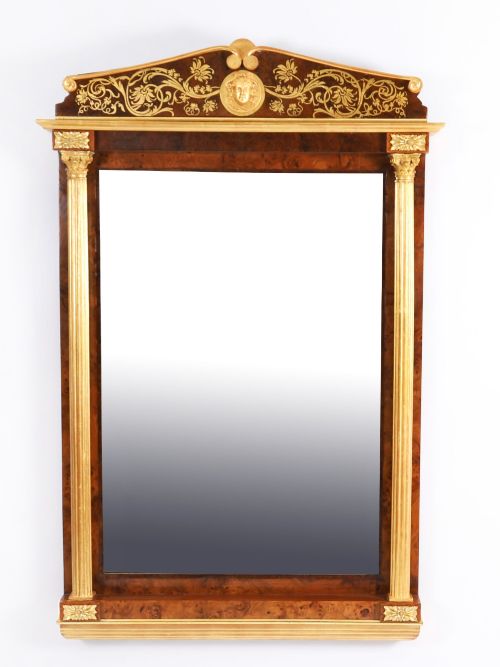
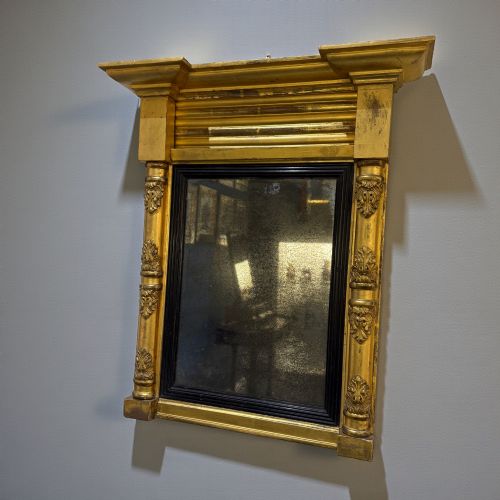
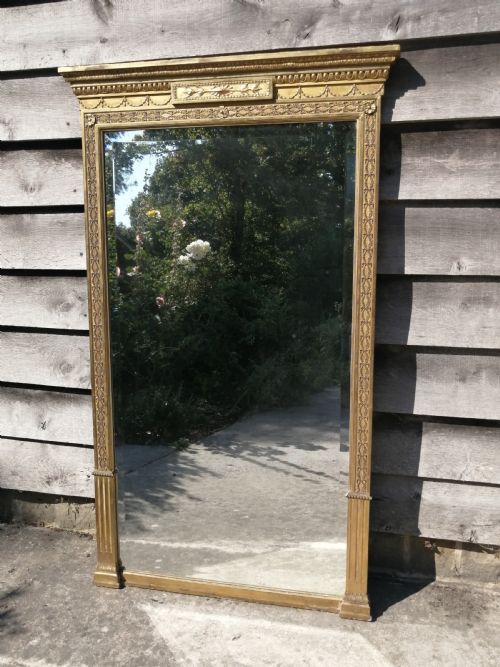
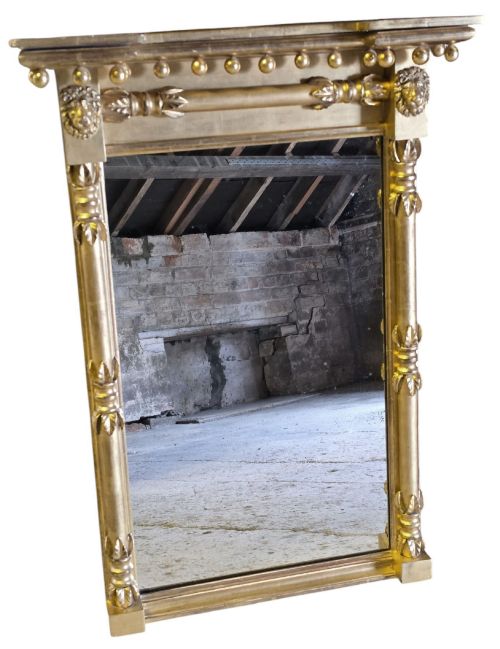
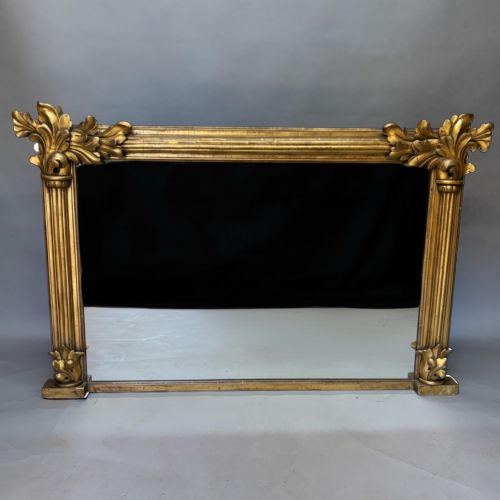
A classical gilded mirror encompasses wall, pier and overmantel formats shaped by Regency, Victorian, Georgian and French design. These pieces serve to reflect light and anchor a room, drawing on architectural motifs such as columns, urns, swags and lion masks.
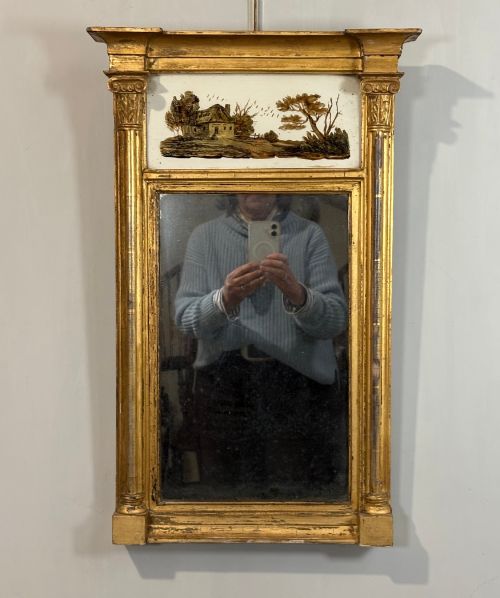
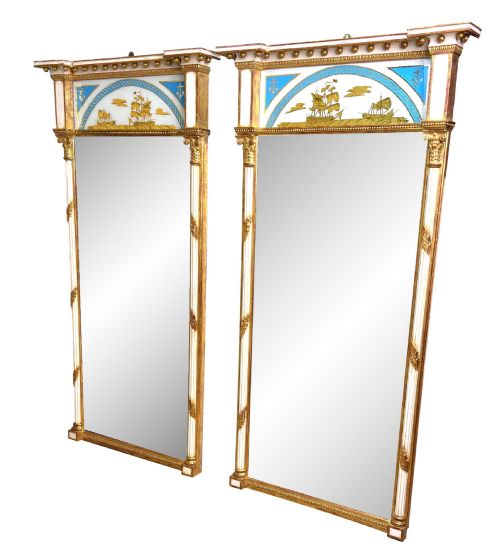
The version most commonly encountered on this page is the nineteenth-century giltwood overmantel or pier mirror, often carrying neoclassical decoration or verre eglomise panels. Surviving examples frequently display triple plates or arched tops designed to hang above mantelpieces or between windows.
Origins span English workshops and French chateaux, bringing together distinct regional interpretations of classical proportion. Pieces range from grand scale overmantels down to neat vertical pier mirrors intended for specific wall spaces.
Materials and technique
Construction relies on carved wood frameworks coated in gesso before the application of gold leaf or gilt. Composition ornament is frequently utilised for repetitive classical details such as beading and floral motifs.
Reflecting surfaces comprise original mirror glass or silvered plate, sometimes paired with reverse-painted verre eglomise glass panels above the main view. Frames combine solid timber foundations with applied decorative moulding secured by traditional joinery.
Classical Gilded Mirror Retail Price Guide 2026
Typical asking prices for classical gilded mirror among the pieces listed under this phrase on Sellingantiques today, from the lower quarter to the upper quarter. They describe what is for sale here now, not the wider market.
Listings feature eighteenth and nineteenth-century periods, utilising giltwood, gesso, composition and mirror glass across wall and overmantel forms.
Carving and surface
Quality rests upon the crispness of the hand-carved wood and gesso enrichment, where deeper relief and sharper floral or mythological motifs separate superior examples from standard production. The preservation of the original gold leaf surface dictates how light interacts with the frame over time.
The integrity of the glass plate itself distinguishes pieces, with original silvering and gentle foxing holding more character than later replacements. Structural robustness in the underlying timber frame ensures the weight of heavy glass and plasterwork remains supported without sagging joints.
The Classical Gilded Mirror Glossary
- Giltwood
- Timber coated with gold leaf or metal leaf over a prepared gesso ground. This finish provides the characteristic metallic brilliance seen on nineteenth-century frames.
- Gesso
- A mixture of gypsum, chalk and size applied to wood frames to create a smooth surface for carving or gilding. It allows for intricate relief ornamentation.
- Verre eglomise
- A cold decoration technique where designs are painted and gilded on the reverse side of glass panels. These panels frequently appear above the primary mirror plate in Regency pieces.
- Pier mirror
- A tall, narrow mirror designed to hang on the wall space between two windows, known as the pier. They often match the height of adjacent furniture.
- Overmantel mirror
- A wide horizontal mirror manufactured to sit directly above a fireplace mantel. These pieces frequently incorporate multiple plates and elaborate neoclassical carvings.
Classical Gilded Mirror: Frequently Asked Questions
How do I hang a heavy overmantel mirror?
Heavy overmantel mirrors require professional wall anchoring directly into masonry or substantial timber studs using appropriate brackets.
Due to the combined weight of the wood, gesso and thick glass plates, standard picture hooks are insufficient for safe installation.
What is a verre eglomise panel?
A verre eglomise panel is a section of glass decorated with gold leaf and paint applied to the reverse side.
These panels are typically positioned above the main mirror glass in Regency and French classical frames to add decorative contrast.
Are the mirror plates original?
Many nineteenth-century mirrors retain their original glass plates, which often display subtle foxing, minor distortion and age spots.
Original plates contrast with modern replacements through their wavy surface texture and softer reflection of light.
How do I clean a giltwood frame?
Giltwood frames should be dusted gently with a soft dry brush to remove surface particles without disturbing the gold leaf.
Moisture and commercial cleaning products must be avoided entirely to prevent permanent damage to the delicate gesso and gilding.