




Early 19th Century Mirror
An early 19th century mirror brings the striking decorative confidence of Regency and Georgian interiors directly into modern rooms.
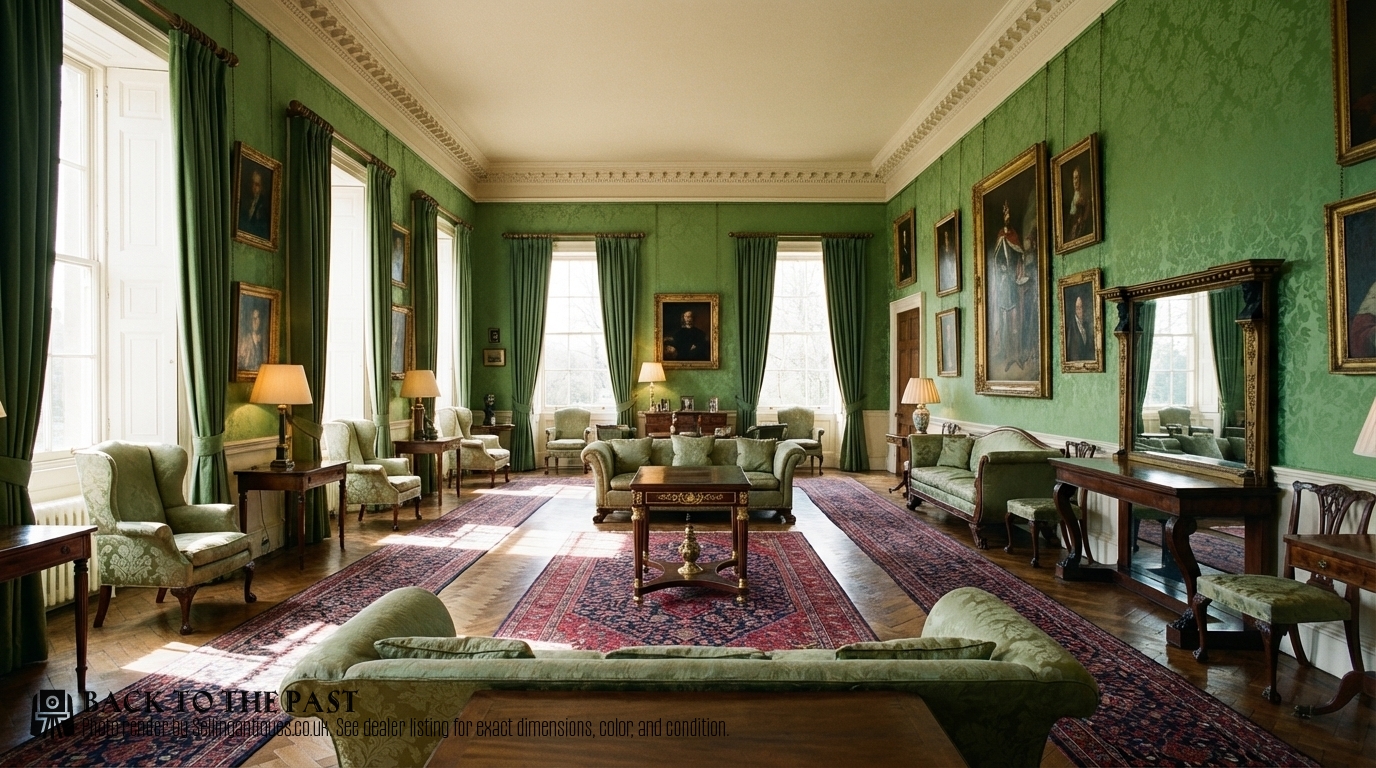
Early 19th Century Mirror
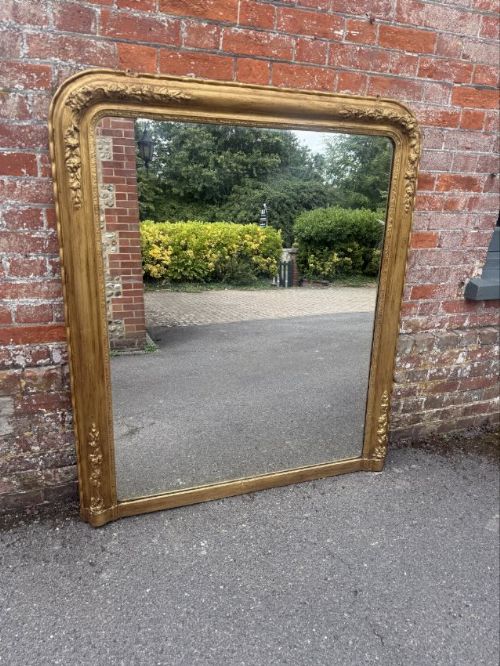
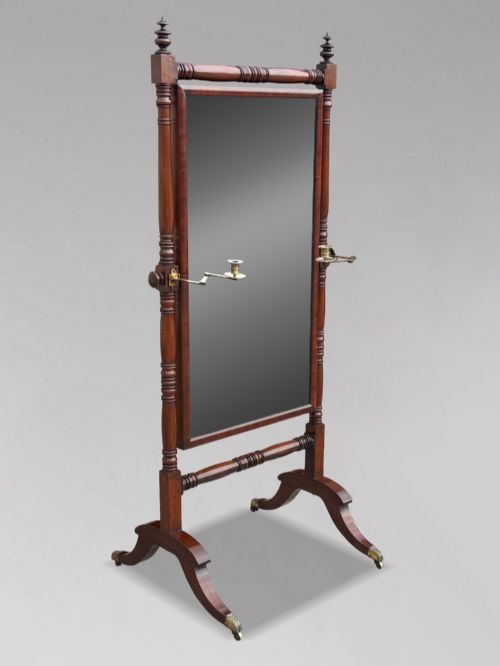
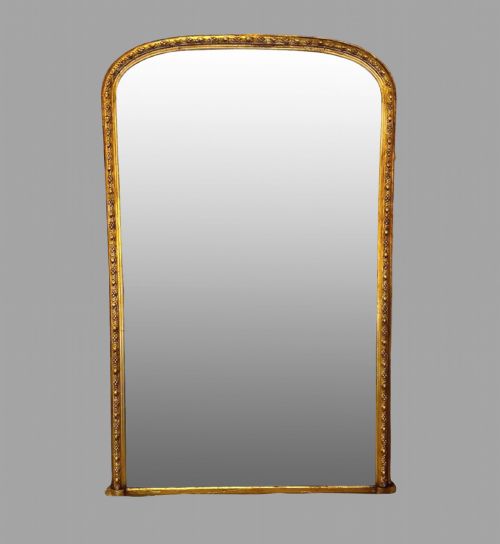
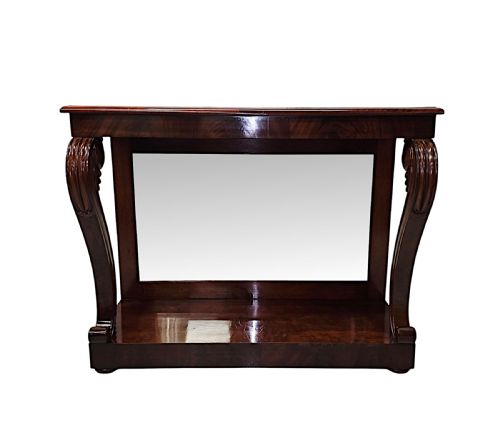
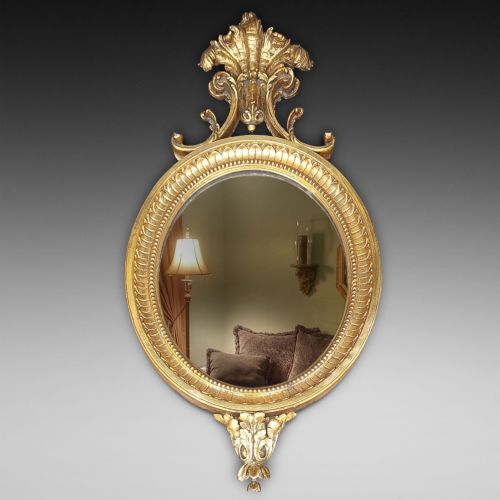
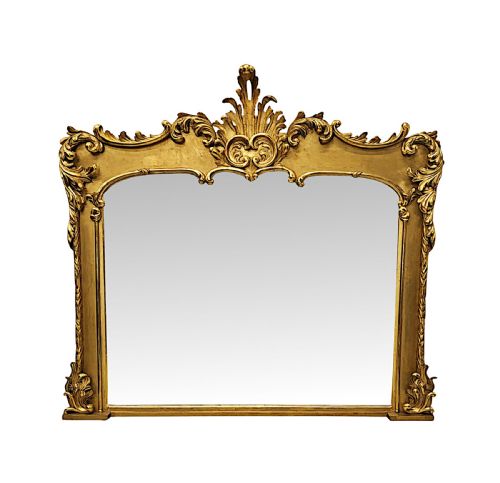
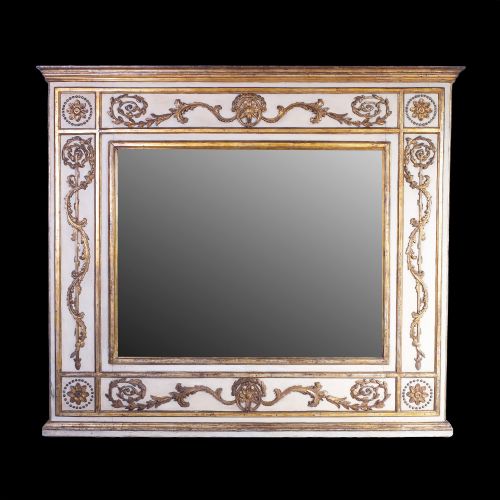
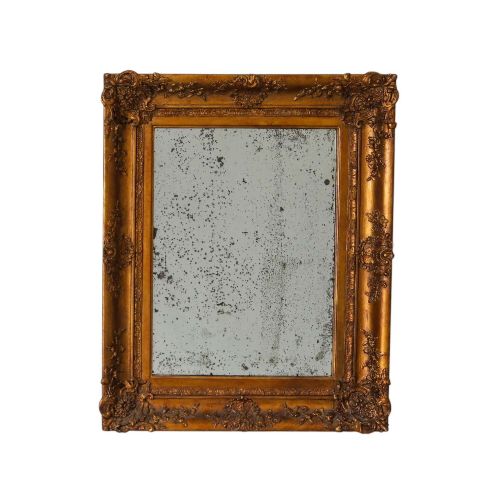
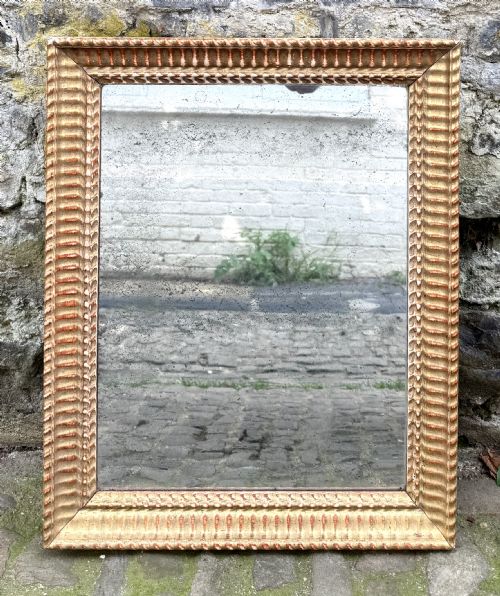
An early 19th century mirror encompasses various forms designed for period interiors, ranging from grand overmantels and pier glasses to compact dressing table swings and convex wall reflectors. Buyers frequently encounter giltwood and gesso pieces alongside mahogany frames, reflecting the ornamental tastes of the Georgian, Regency and French Empire eras.
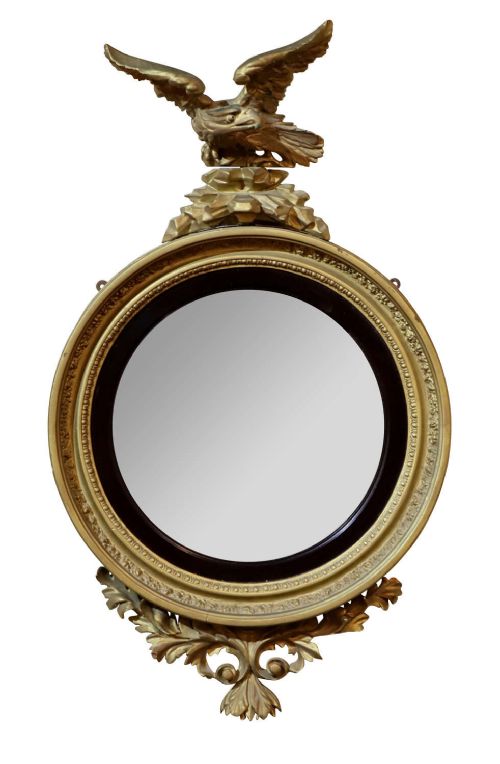
The selection includes specialised regional variations such as Chinese export reverse-painted panels, Italian carved giltwood frames, and French trumeau mirrors incorporating painted artwork. Overmantel mirrors and architectural pier glasses dominate the larger formats, while smaller convex circular frames with eagle surmounts provide focal points for reception rooms.
Materials and construction methods
Makers built structural frames from native and exotic timbers such as mahogany, rosewood, and maple, often applying delicate inlay, ebonisation, or parcel-gilding to enhance the grain. Carved wood and gesso provided the pliable base for ornate gilded surfaces, utilising gold leaf or oil gilding to achieve deep, reflective metallic finishes.
Mirrored plates of this period were produced using traditional blowing or cylinder-blown methods before being silvered with mercury or chemical solutions, frequently leaving characteristic foxing and minor imperfections. Heavy overmantels and pier mirrors required robust pine carcases to support the substantial weight of the original glass plates.
Early 19th Century Mirror Retail Price Guide 2026
Typical asking prices for early 19th century mirror among the pieces listed under this phrase on Sellingantiques today, from the lower quarter to the upper quarter. They describe what is for sale here now, not the wider market.
Eagle surmounts keep a watchful glass eye over the room, standing ready to stare down any nineteenth-century dust motes.
Evaluating craftsmanship and survival
The distinction between ordinary and exceptional examples rests in the crispness of the hand-carving on the wooden and gesso ornaments, particularly around intricate details like acanthus leaves, reeding, and eagle crests. Superior execution shows in the harmony of proportions, where architectural mouldings and frame dimensions maintain a balanced scale.
Survival of original materials heavily influences desirability, marked by the retention of early mercury glass plates, original painted panels, and untouched gilding rather than modern restoration. Workshop origin also plays a role, with documented pieces from notable makers demonstrating superior joinery and refined cabinetwork.
Gillingtons of Dublin·Holland and Sons·Gillows
The Early 19th Century Mirror Glossary
- Convex mirror
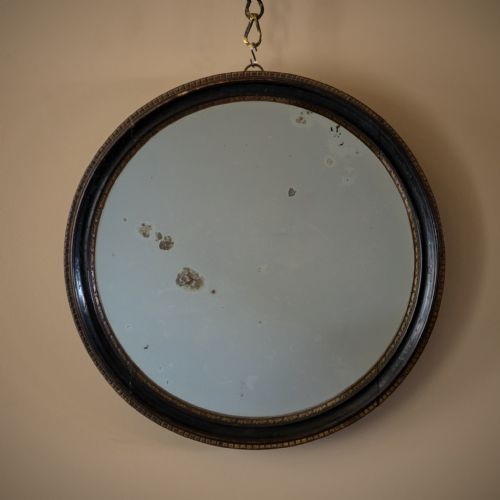
- A circular wall reflector featuring a curved glass plate that provides a wide-angle view of the room. These frequently incorporate eagle surmounts and candle arms.
- Trumeau mirror
- A decorative wall glass paired with an upper painted panel or oil painting. This French form integrates artwork directly into the architectural woodwork.
- Pier glass
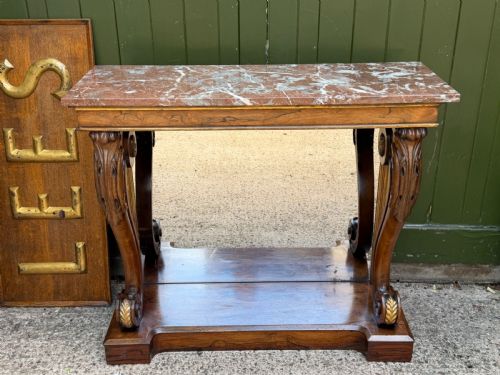
- A tall mirror designed specifically to hang on the wall space between windows. They often match console tables positioned directly beneath them.
- Gesso
- A plaster-like mixture applied to wooden frames and carved before gilding. It allows for intricate relief ornamentation and sharp decorative mouldings.
- Foxing
- Age-related spots and discoloration within the silvering of antique glass plates. This chemical oxidation causes characteristic dark speckling across the reflection.
- Overmantel mirror
- A wide horizontal glass intended to sit directly above a fireplace mantelpiece. These pieces often feature compartmentalized plates and classical architectural motifs.
Early 19th Century Mirror: Frequently Asked Questions
Where should I hang an overmantel mirror?
An overmantel mirror is traditionally mounted directly above a fireplace mantelpiece, where its horizontal proportions anchor the hearth and reflect light across the room. Lower placement close to the mantel shelf ensures proper visual connection with the surrounding architecture.
Alternatively, these large pieces function effectively on principal living room walls without a fireplace, provided the wall structure supports their considerable weight. Positioning them opposite a window maximises the natural light brought into the interior space.
How do I care for antique mirror glass?
Antique mirror plates require gentle cleaning with a dry or barely damp microfiber cloth to protect the fragile historic silvering behind the glass. Avoid commercial chemical cleaners that can seep behind the edges and accelerate degradation of the original backing.
Keep these mirrors away from direct sunlight and damp environments to prevent further foxing and deterioration of the wooden and gesso frames. Careful handling preserves the original mercury plates and structural integrity.
What is a convex mirror used for?
Convex mirrors were historically placed in reception rooms to monitor activity across a wide angle and to distribute ambient candlelight safely. The curved glass gathers light from multiple directions, brightening darker corners of period interiors.
Today, they serve primarily as striking focal points that add depth and a distinct optical curiosity to hallways and drawing rooms. Their circular frames and protective bezels distinguish them from standard flat wall mirrors.
How do I identify Regency style mirrors?
Regency mirrors characteristically display classical motifs inspired by ancient Rome, Greece, and Egypt, including reeding, laurel wreaths, and ebonised details. Giltwood convex frames topped with carved eagles or dolphins are typical of this vibrant early 19th century aesthetic.
Look for architectural restraint combined with bold decorative accents, such as parcel-gilt rosewood or mahogany framing. These pieces reflect the neoclassical tastes popular during the British Regency and French Empire periods.