


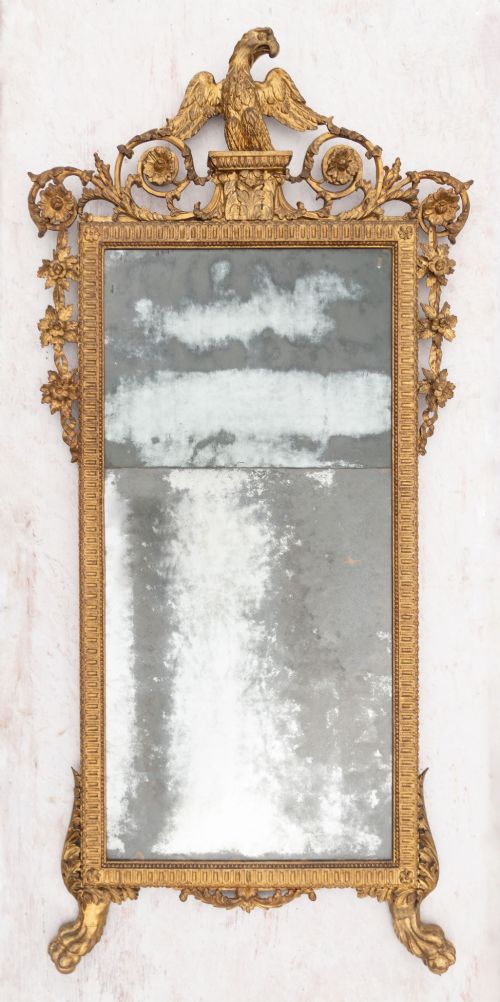
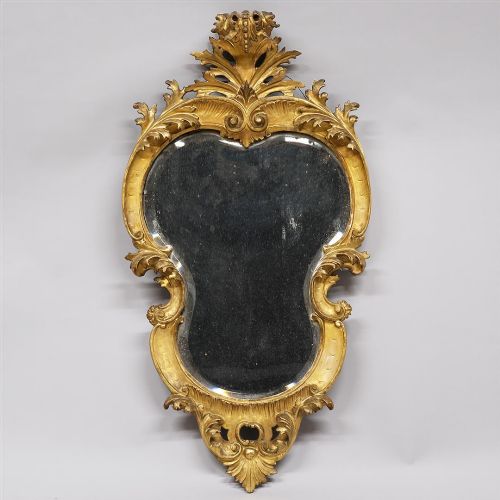
Italian Mirror
An italian antique mirror brings grand classical ornamentation and brilliant reflection into a room, spanning Baroque splendour to Florentine carved surfaces.
Italian Antique Mirrors
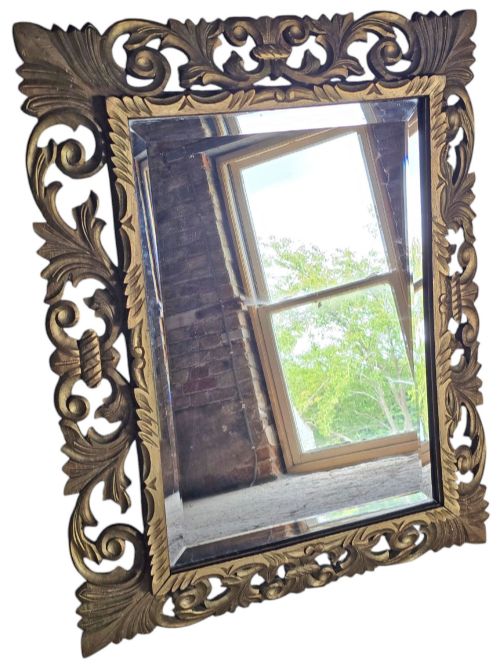
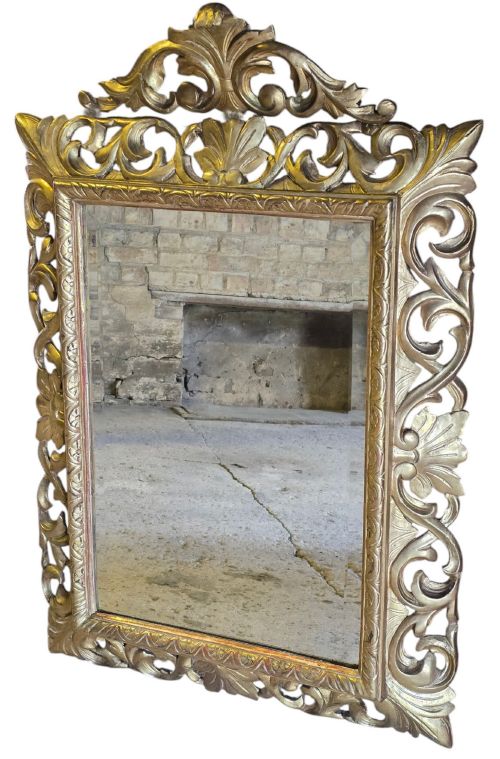
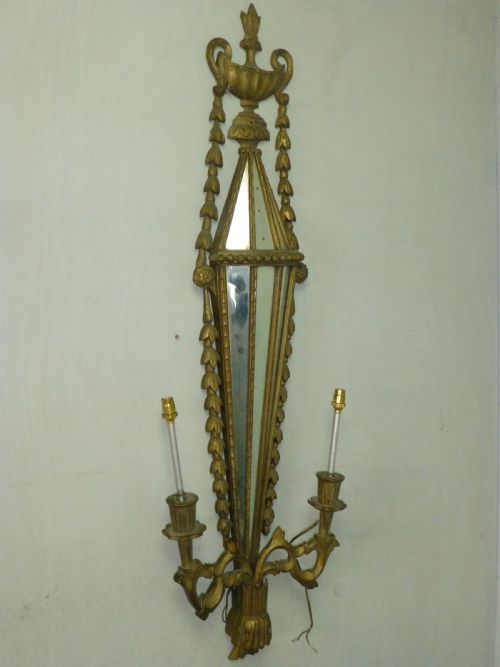
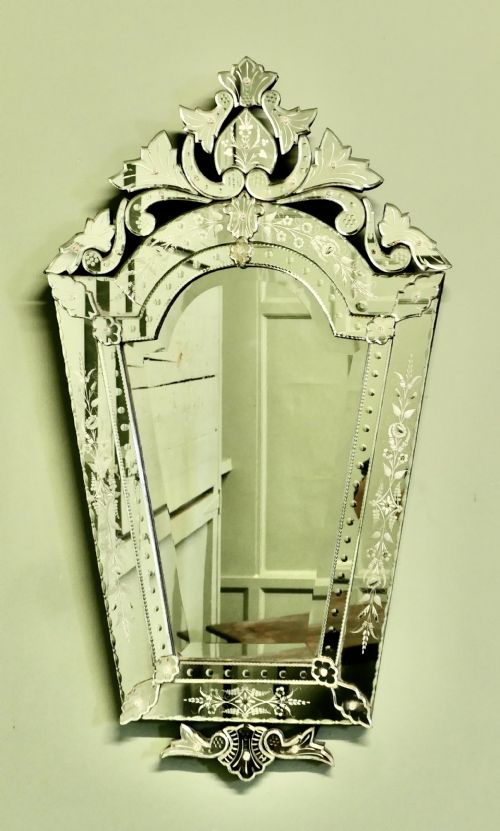
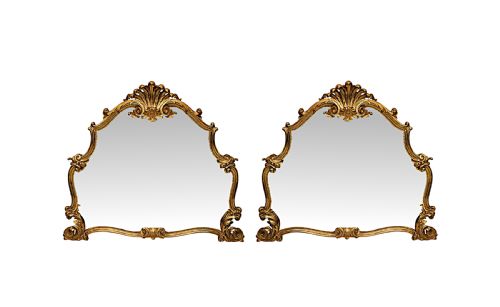
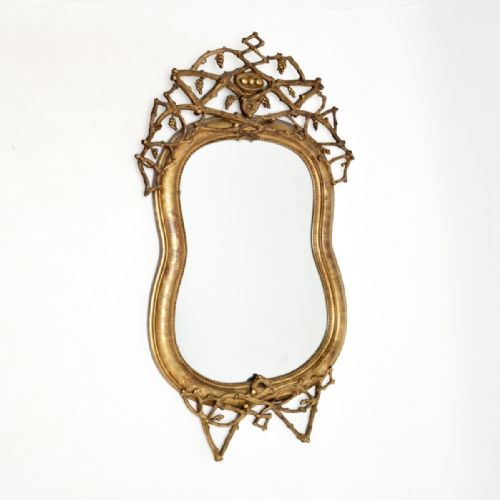
An italian antique mirror encompasses grand wall pieces, decorative overmantles, and smaller portrait formats designed to reflect light and enhance classical interiors. Buyers searching this phrase will frequently encounter nineteenth-century Florentine giltwood examples alongside ornate Baroque revivals and eighteenth-century forms.
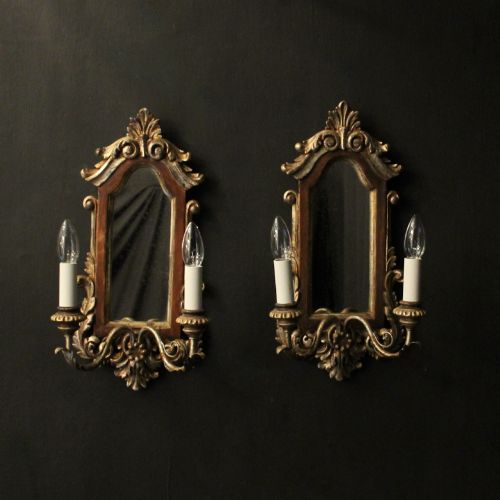
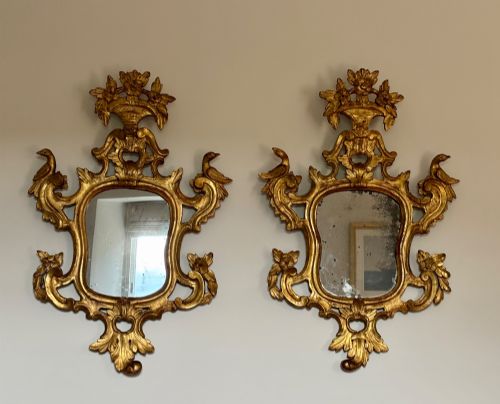
The selection ranges from large architectural overmantles suitable for principal reception rooms to intimate wall-hanging and vanity mirrors. Carved wooden frames dominate the selection, often finished in rich metallic leaf or painted surfaces that demonstrate traditional craftsmanship.
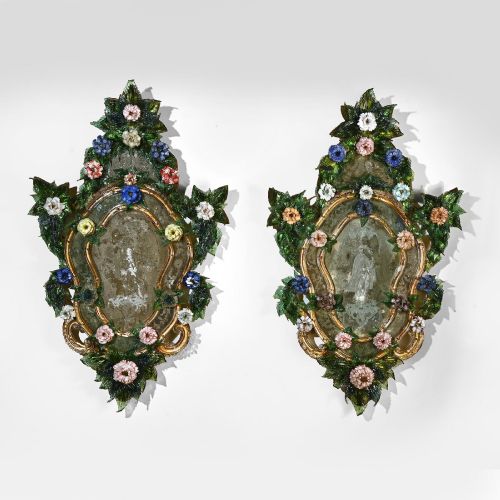
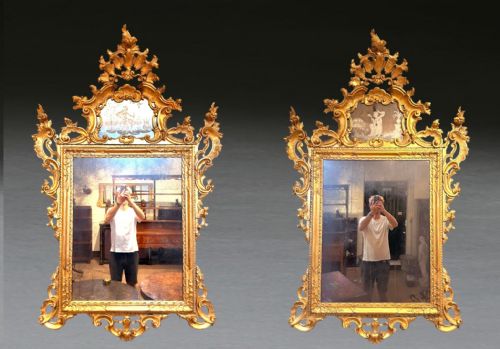
Regional variations appear across the archive, moving from the intricate pierced carving of Florentine workshops to the dramatic curves of Venetian production. These objects served both functional dressing purposes and decorative display within period homes.
Materials and Technique
Makers constructed the structural frames primarily from timber such as carved pine, beech, and lime wood. Carving yielded high-relief decoration, scrollwork, and foliate motifs before surface treatments were applied.
Guilds utilised gold leaf and silver leaf extensively to gild the wooden substrates, alongside gesso preparation layers that received fine punchwork and relief moulding. Alternative finishes include ebonised wood, faux tortoiseshell, lacca a mecca, and original painted schemes.
Reflecting plates consisted of silvered glass, sometimes executed as cushion mirrors or etched multi-panel triptychs. Each component demonstrates traditional hand-working methods passed down through generations of artisans.
Retail Price Guide 2026
Typical UK retail prices for italian mirror, calculated from the Sellingantiques database of over a million retail prices indexed since 2003. This retail price guide relies exclusively on Sellingantiques data; no external sources or auction records are used, so the figures do not describe the wider market.
Surviving forms span eighteenth-century lacca a mecca pieces, nineteenth-century Florentine frames, and turn-of-the-century triptych overmantles.
Assessing Quality
The distinction between ordinary production and superior work lies in the depth and precision of the wood carving. Crisp, deeply undercut foliage and intricate gesso details indicate a higher standard of craftsmanship than shallow, cast composition ornament.
Originality of surface finish dictates much of the desirability, with untouched period gilding or authentic original paint holding greater integrity than later overpainting. The preservation of the original glass plate adds substantial authenticity to the piece.
Proportion and structural balance govern the visual success of larger overmantles and architectural frames. Harmonious scale and robust joinery ensure the mirror holds its presence within a room.
The Italian Mirror Glossary
- Giltwood
- Wood that has been coated with a thin layer of gold leaf or gold paint. This finish creates a luminous metallic surface that catches interior candlelight and daylight.
- Florentine
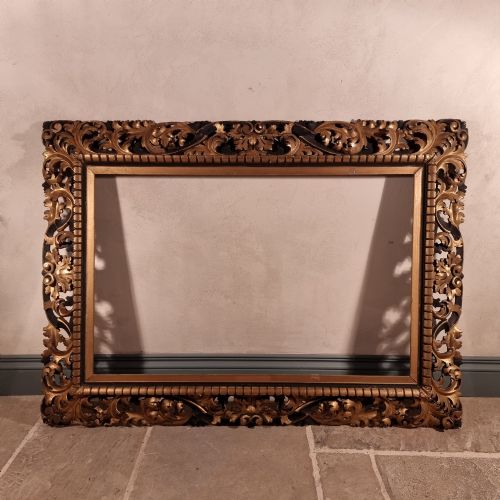
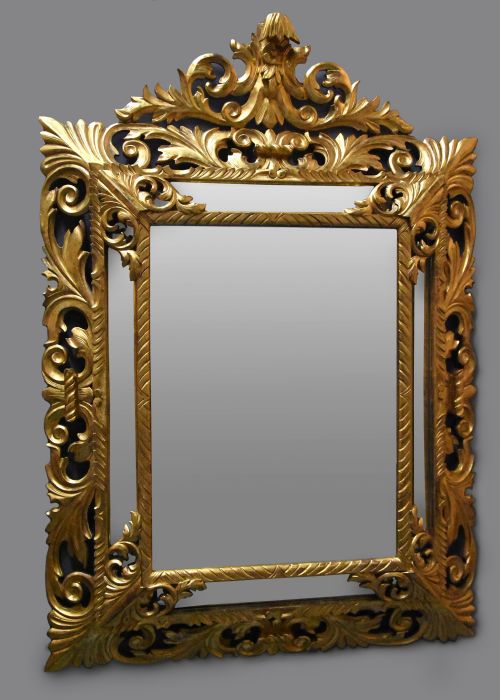
- A specific decorative style originating in Florence characterised by ornate, pierced wooden carved frames often finished in heavy gold leaf. These pieces frequently feature elaborate leaf scrolls and floral elements.
- Lacca a mecca
- A specialised Italian varnishing technique applied over silver leaf to imitate the rich warmth of gold. It produces a distinctive translucent golden hue on historic frames.
- Overmantle
- A large mirror designed specifically to hang above a fireplace mantelpiece. They often feature horizontal proportions or triptych panel layouts.
- Gesso
- A plaster-like mixture applied to wooden frames as a smooth base for gilding or painting. Artisans could model and carve intricate details directly into the dried gesso layer.
Frequently Asked Questions
How should I clean antique mirror glass?
Clean the glass surface using a soft microfibre cloth slightly dampened with distilled water or a mild glass cleaner. Spray the cloth rather than the mirror to prevent liquid seeping behind the silvering.
Avoid getting moisture on the giltwood or painted frame surrounds. Harsh chemicals will damage historic metallic leaf finishes.
Are these mirrors suitable for bathrooms?
Historic frames constructed from wood and gesso react poorly to high humidity and direct steam. Placing them in damp environments risks cracking the gesso and lifting the gold leaf.
Dry reception rooms, hallways, and bedrooms provide a stable climate for preservation. Proper placement protects the antique materials from moisture damage.
How do I identify a Florentine frame?
Florentine frames display dense, pierced wooden carving dominated by acanthus leaves and scrollwork. They typically lack square corners, presenting an organic, flowing outline.
Gold leaf application over gesso is standard for this regional style. They range from small vanity pieces to large overmantle proportions.