



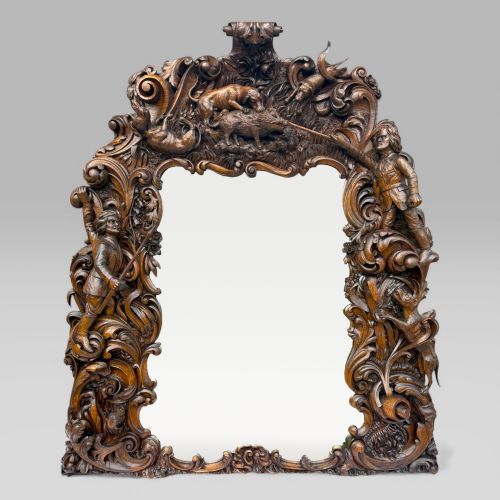


Black Wooden Mirror
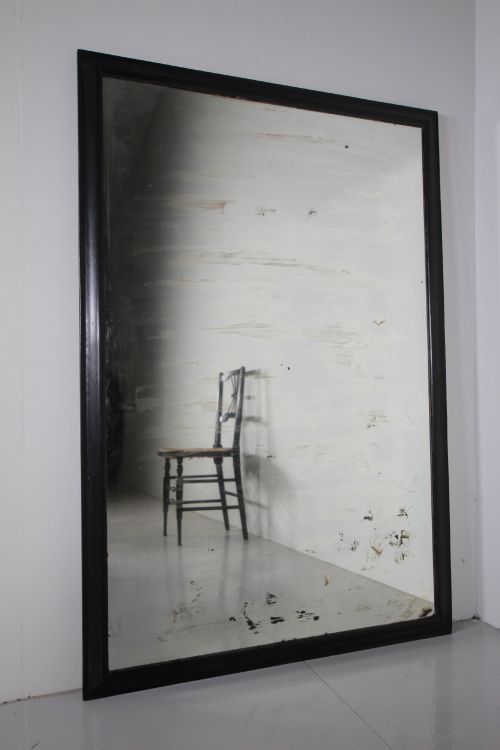
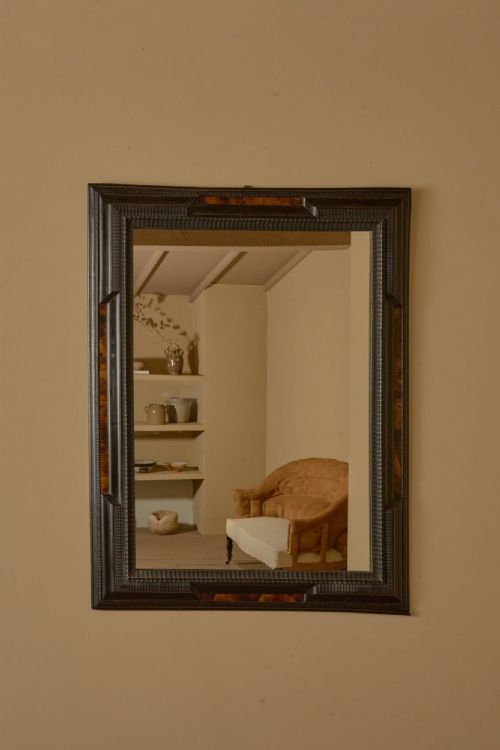
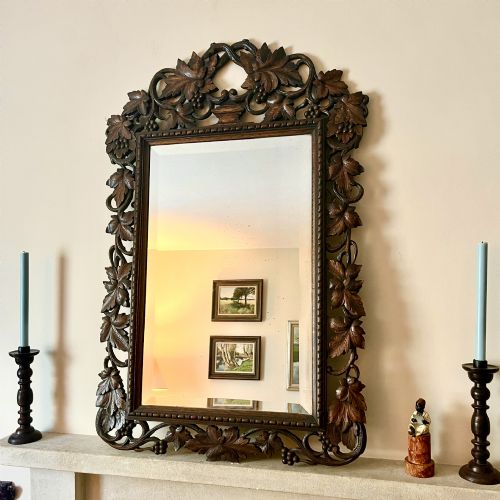
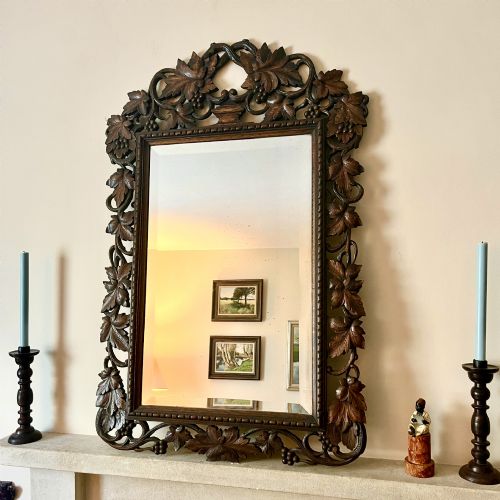
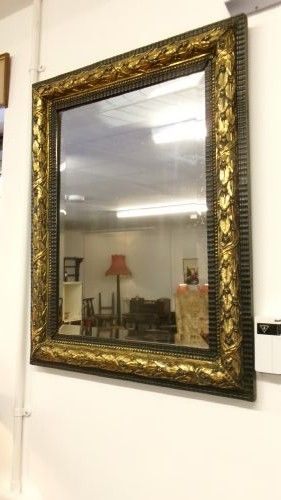
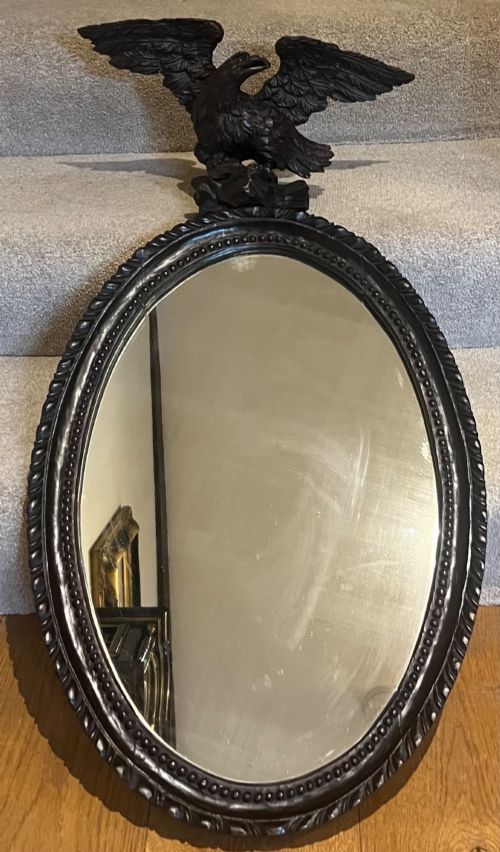
A black wooden mirror brings deep tone and strong outline to a room, ranging from simple ebonised overmantels to heavily carved Black Forest designs.
Black Wooden Mirror
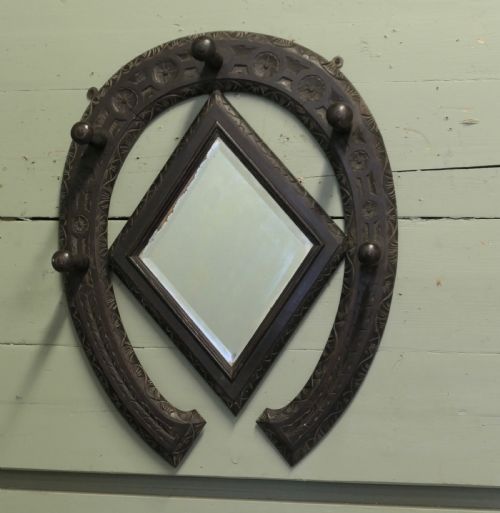
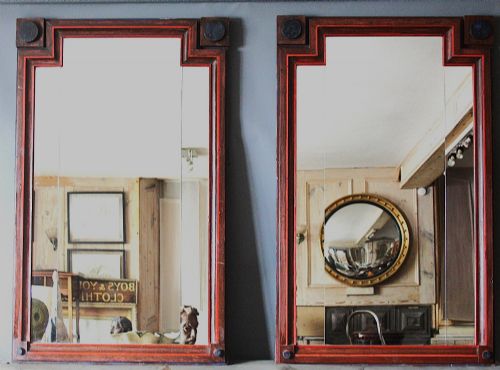
When you search for a black wooden mirror, you encounter a selection spanning the Victorian and Regency periods up through the early twentieth century. These items appear primarily as wall mirrors and large overmantels, alongside occasional floor mirrors, hand mirrors, and hall stands.
The materials and styles recorded in the evidence show that ebonised wood and carved oak dominate the selection. You find pieces influenced by Gothic Revival, Aesthetic Movement, and Black Forest traditions, often featuring original bevelled glass plates.
The forms vary from simple rectangular frames to ornate carved birds of prey and multi-section layouts. Many carry gilt highlights alongside the dark wood surfaces, offering both restrained domestic mirrors and dramatic architectural pieces.
How they were made
The makers of these mirrors utilised native timbers, applying ebonising techniques to simulate ebony or working directly with oak and painted wood. Carved details were rendered by hand, particularly in Black Forest and Gothic Revival examples where birds, foliage, and structural motifs stand out in relief.
Glass plates were set into the wooden frames, often featuring bevelled edges that catch the light. Brass mounts and gilt details were integrated into the design to contrast against the dark timber surfaces.
Black Wooden Mirror Retail Price Guide 2026
Typical asking prices for black wooden mirror among the pieces listed under this phrase on Sellingantiques today, from the lower quarter to the upper quarter. They describe what is for sale here now, not the wider market.
The listings show ebonised wood, oak, and painted wood as the primary materials used across these Victorian and Regency mirrors.
What varies in quality
Quality in these mirrors rests upon the depth and precision of the wood carving and the retention of original components such as mirror glass and brass mounts. Finer examples display crisp detail in foliage or animal figures, whereas simpler pieces rely on clean proportions and well-executed ebonising.
The integration of gilding and the survival of the original plate add distinction to an item. The distinction between a standard wall mirror and an exceptional piece often lies in the ambition of the original design and the preservation of its surface finish.
Cottier and Co
The Black Wooden Mirror Glossary
- Ebonised Wood
- Timber treated with stain or paint to imitate true ebony. This dark finish gained immense popularity during the Victorian period.
- Overmantel Mirror
- A large mirror designed to hang above a fireplace mantel. These pieces frequently span significant widths to anchor the room.
- Black Forest
- A style of intricate wood carving originating from Central Europe during the nineteenth century. Common motifs include birds, wildlife, and natural foliage.
- Gothic Revival
- An architectural and decorative style drawing on medieval forms. It is characterised in these mirrors by pointed arches and robust carved oak.
- Bevelled Glass
- Mirror glass with edges cut and polished at an angle. This technique creates a prismatic border that reflects light distinctively.
Black Wooden Mirror: Frequently Asked Questions
How do I date a black wooden mirror?
Dating relies on combining the stylistic evidence, such as Gothic Revival or Aesthetic Movement traits, with the construction methods of the wood and the type of mirror glass used. Examining the backboards and fixings often provides further clues to the manufacturing period.
While nineteenth-century examples often feature heavy oak or deep ebonising with hand-bevelled plates, later twentieth-century pieces can display simpler structures or distinct fun house proportions.
Where should I hang an overmantel mirror?
An overmantel mirror traditionally sits directly above a fireplace mantelpiece to reflect light and anchor the vertical space in a room. Ensure the wall structure can support the substantial weight typical of these large nineteenth-century pieces.
Positioning the mirror to capture light from an opposing window will brighten the interior and make full use of the original glass plate.
What is Black Forest carving?
Black Forest carving refers to highly detailed wooden decorative objects produced in Central Europe during the nineteenth century. These pieces typically feature deep relief work depicting animals, birds of prey, and natural forest elements.
In mirror frames, this style translates into dramatic, sculptural surrounds that make the object a focal point of the room.
Are the mirror plates usually original?
Many surviving pieces retain their original glass plates, which often show signs of age such as light foxing or minor speckling. Original plates add authenticity and historical character to the mirror.
Listings specify when a mirror retains its original glass or double-sided plate, allowing you to distinguish untouched pieces from those with modern replacements.