

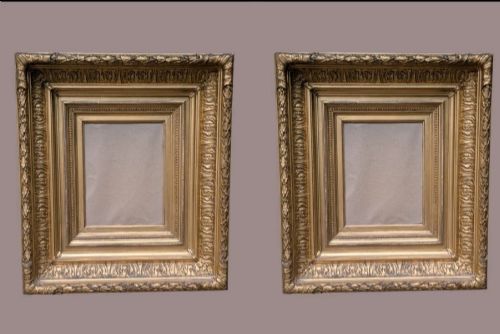
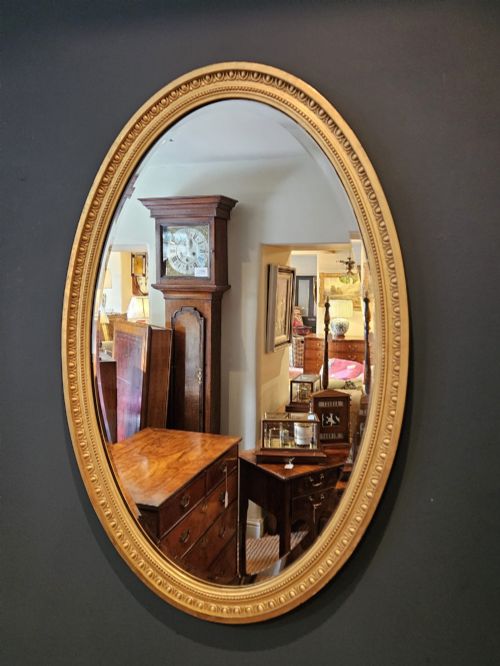
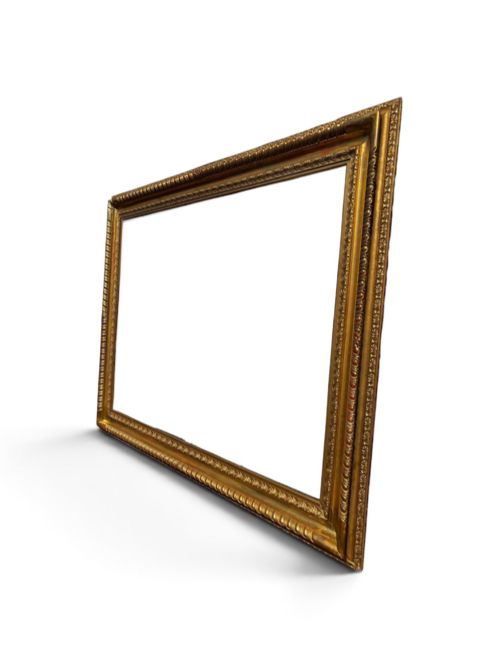
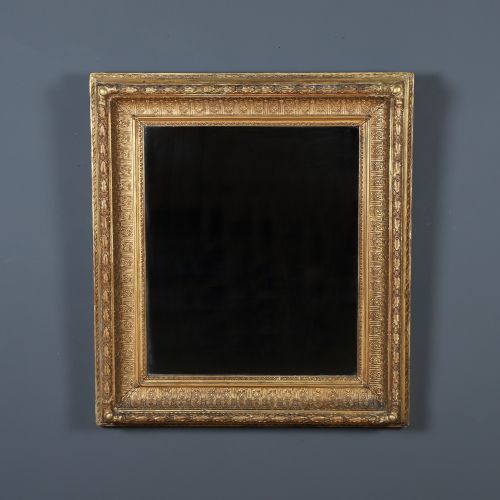



Moulded Frame Mirror
A moulded frame mirror brings architectural depth and reflected light to a room through profile and material.
Moulded Frame Mirror
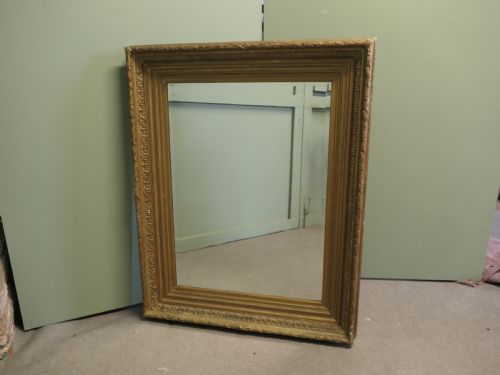
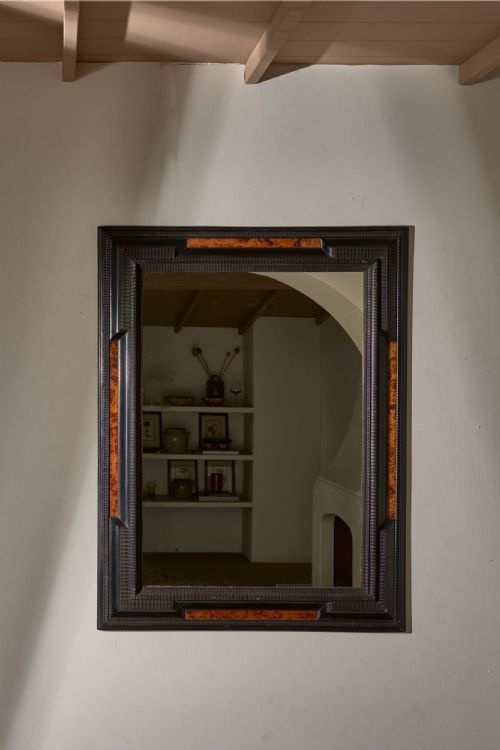
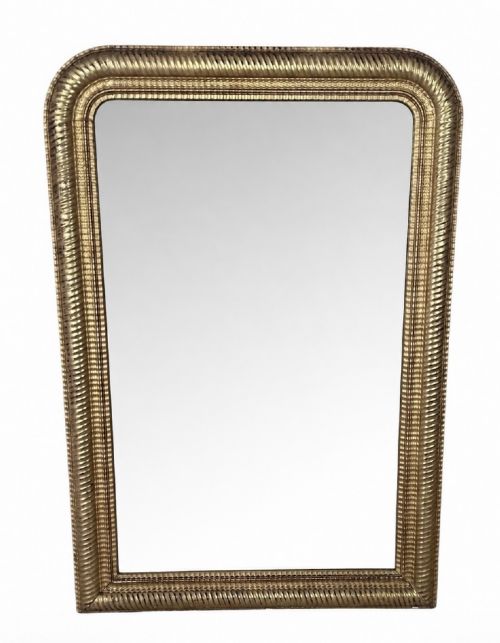
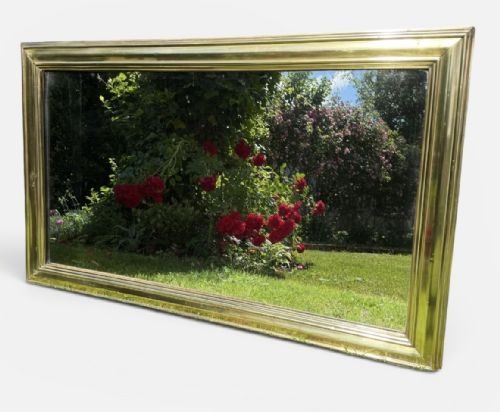
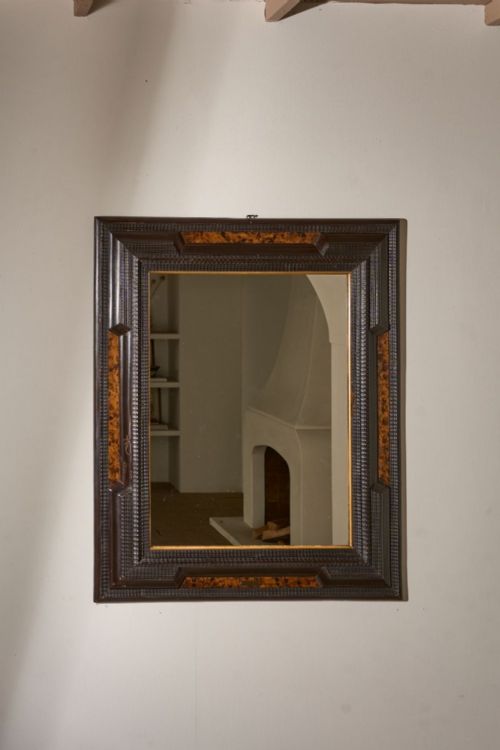
A moulded frame mirror is a wall-hanging looking glass defined by shaped timber, gesso, or metal profiles that frame the glass plate. Buyers searching for a moulded frame mirror encounter various forms including rectangular wall mirrors, arched top overmantles, and circular convex glasses. The selection spans centuries from seventeenth-century walnut and oyster veneer pieces to Victorian giltwood and Edwardian creations.
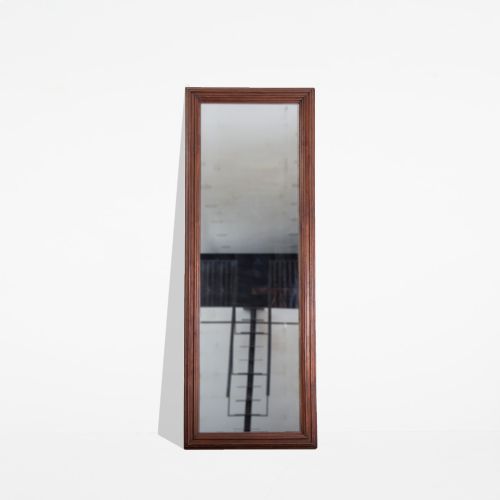
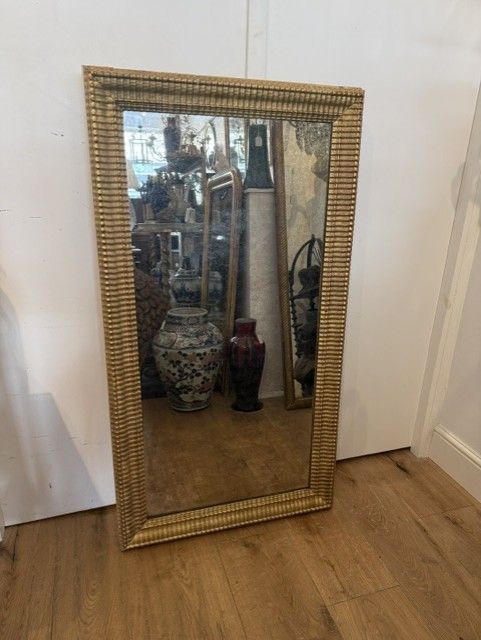
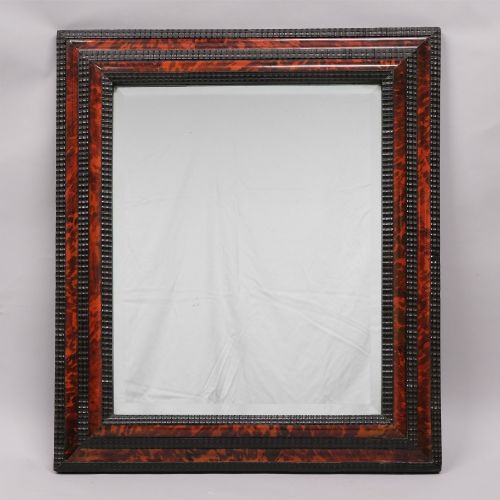
The most common examples on this page date from the nineteenth century, featuring deep Victorian gilt frames, ebonised ripple moulding, or mahogany structures. These pieces function equally well as functional hallway mirrors or decorative focal points above mantelpieces. Regional variations include French Louis Philippe designs alongside English and Italian interpretations.
How they were made
Makers constructed these frames using solid hardwoods such as walnut, mahogany, and oak, frequently applying gesso and gold leaf to create ornate gilt finishes. Ripple and cushion moulding techniques required specialised planes to cut repetitive geometric profiles directly into the timber or ebonised wood.
Glass plates were often hand-silvered and bevel-edged, fitted securely into rebated wooden frames backed with protective panels. Applied ornamentation such as acanthus leaf decoration in plaster or carved wood was fixed to the primary moulding before gilding or painting.
Convex mirrors are historically nicknamed sorcerer's mirrors because their curved glass captures an entire room in a single spherical gaze.
What varies in quality
Quality rests in the crispness of the moulding profile and the integrity of the original surface, whether giltwood, ebonised finish, or walnut veneer. Finer examples display meticulous hand-carving and precise geometric regularity in ripple or cushion frames.
The relationship between the weight of the frame and the depth of the rebate dictates structural endurance over time. Original mirror glass with authentic foxing and bevels commands higher regard than later replacement plates.
The Moulded Frame Mirror Glossary
- Gesso
- A plaster mixture applied to wood frames as a smooth base for gilding or painting. It accepts fine detail work and stamping before the application of gold leaf.
- Ripple frame
- A frame featuring undulating, wave-like mouldings cut with specialised machinery or hand planes. This technique gained popularity in seventeenth-century workshops and reappeared in later periods.
- Verre eglomise
- A cold decoration technique where design is applied to the reverse of glass using gold or silver leaf and pigment. It often appears in the upper panels of Regency and Federal mirrors.
- Overmantel mirror
- A large horizontal mirror designed specifically to hang above a fireplace mantel. These pieces frequently incorporate arched tops and extensive giltwood or gesso decoration.
Moulded Frame Mirror: Frequently Asked Questions
What is an ebonised frame?
An ebonised frame is timber stained or painted to imitate expensive ebony wood. This dark finish gained widespread popularity during the nineteenth century for creating stark contrast against gilt details or convex glass.
Craftsmen often applied this treatment to fruitwood or mahogany before polishing to a deep sheen. Ebonised ripple mouldings particularly highlight this dark, light-absorbing quality.
How do I clean antique mirror glass?
Clean antique mirror glass gently using a soft microfibre cloth and a mild solution of distilled water and isopropyl alcohol. Avoid spraying liquid directly onto the glass to prevent moisture seeping behind the silvering.
Take special care around the edges where the silver backing has aged or degraded. Aggressive chemical cleaners will strip original foxing and damage vulnerable gesso mouldings.
Are convex mirrors functional?
Convex mirrors provide a wide-angle panoramic reflection of an entire room rather than a direct portrait. Historically termed sorcerer's mirrors, they served practical surveillance purposes in large domestic interiors.
While they do not offer a conventional reflection for grooming, they distribute ambient light effectively. Their spherical glass creates a distinctive curved perspective that enhances smaller spaces.