

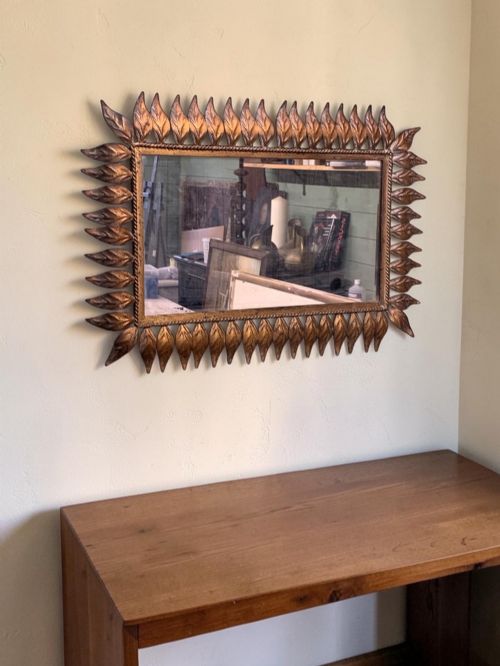
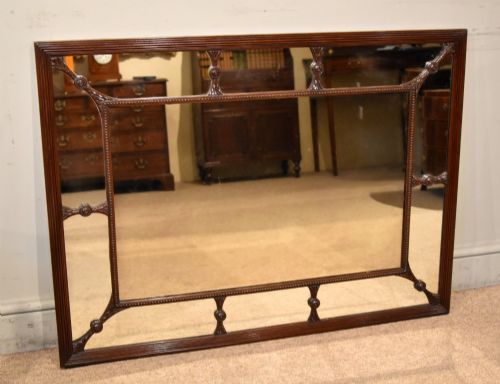
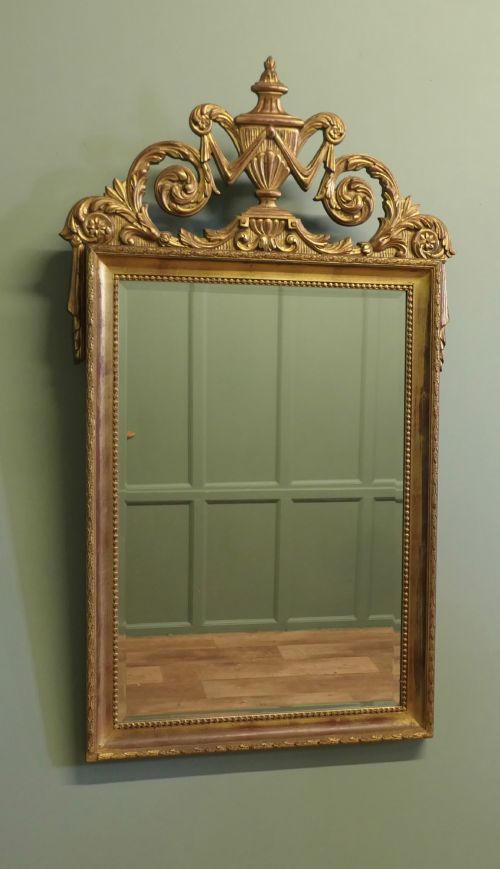
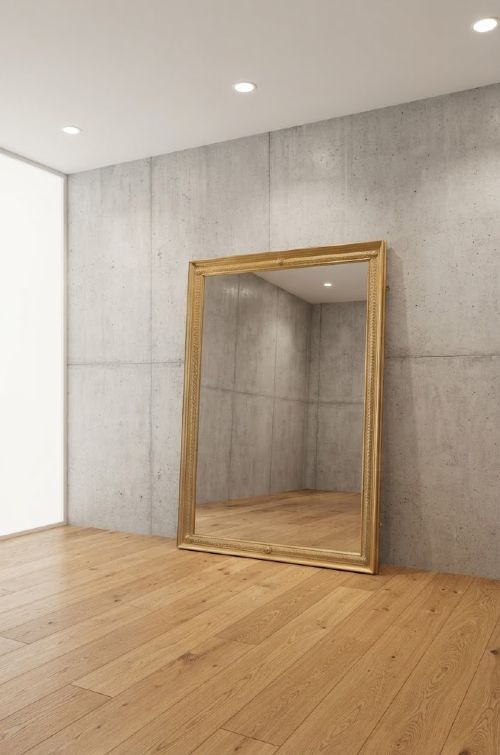
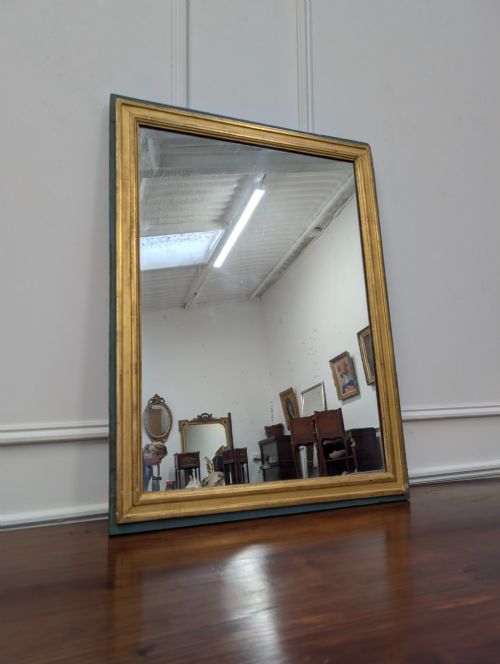
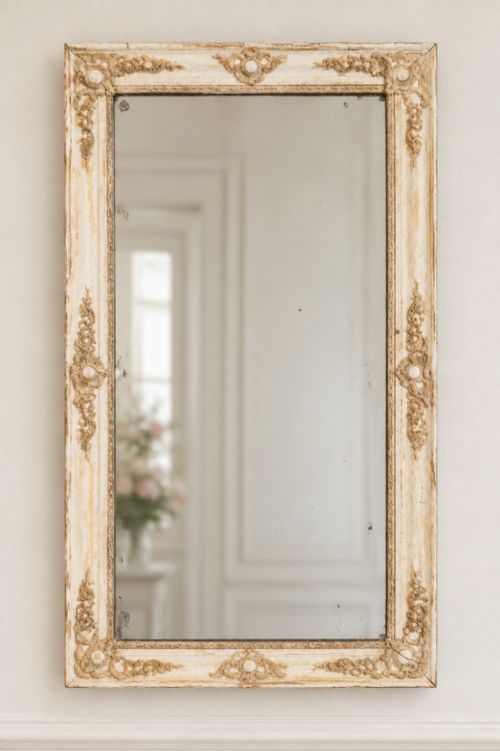
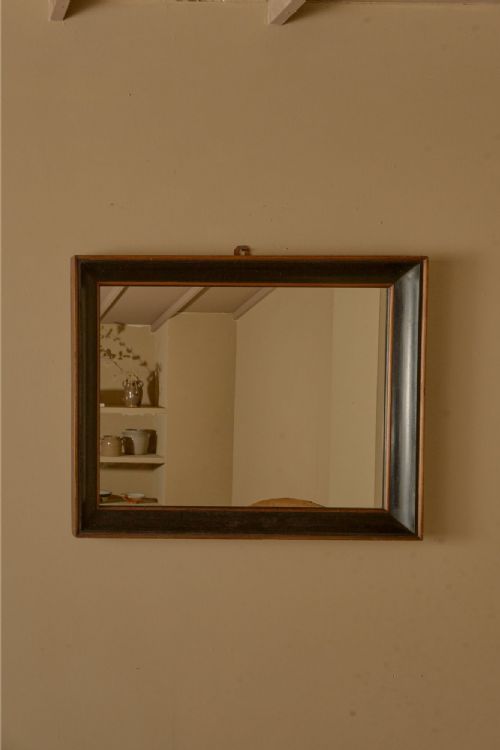

Rectangular Wall Mirror
A rectangular wall mirror brings light and proportion to a room, drawing the eye along vertical or horizontal lines.
Rectangular Wall Mirror
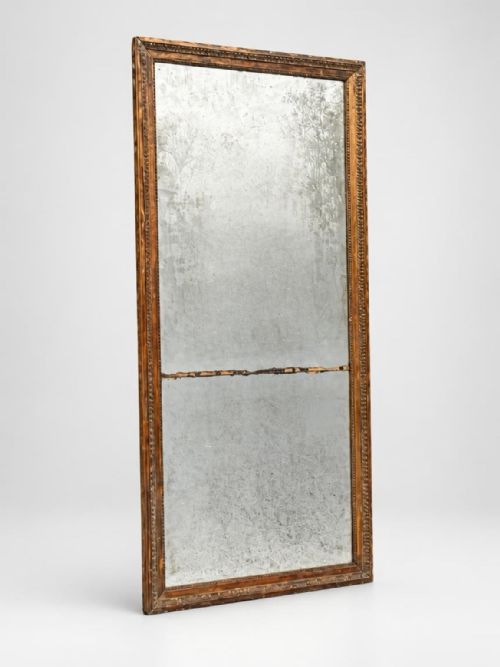
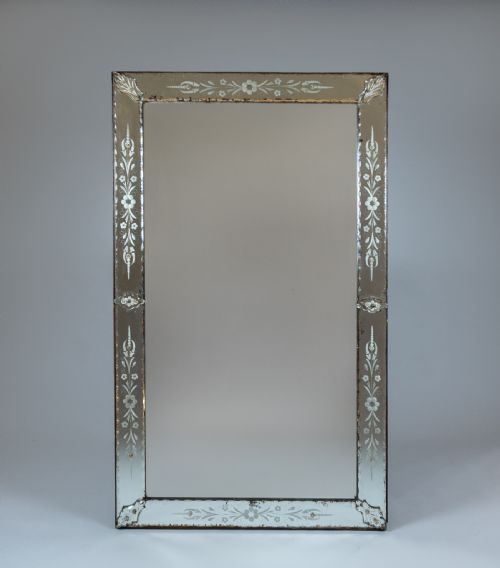
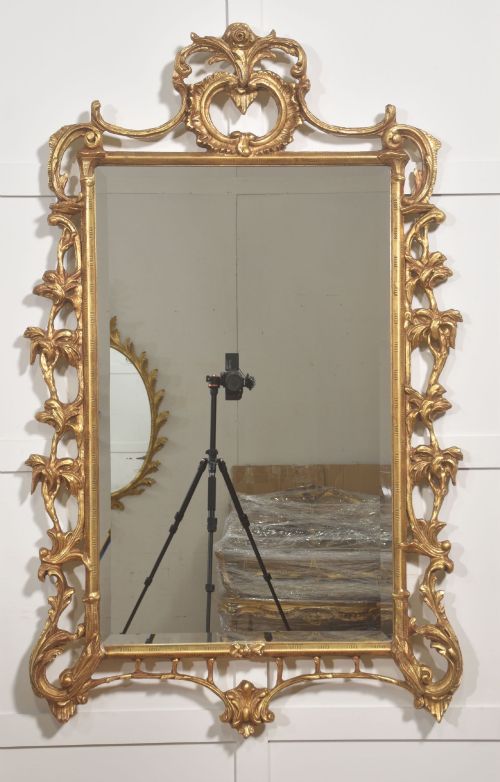
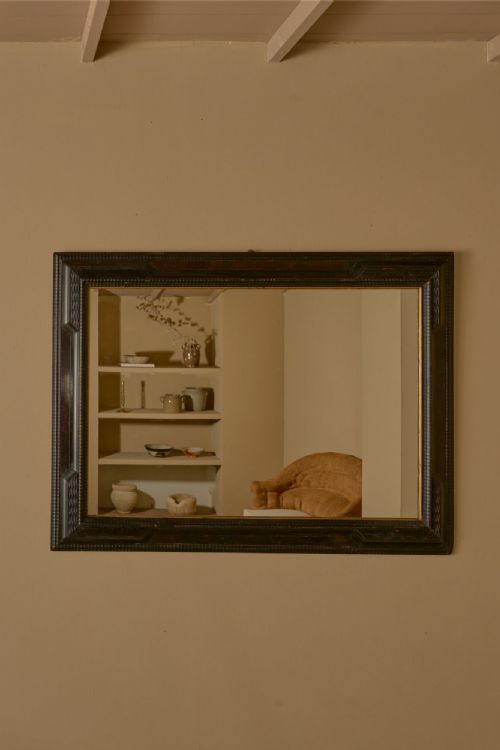
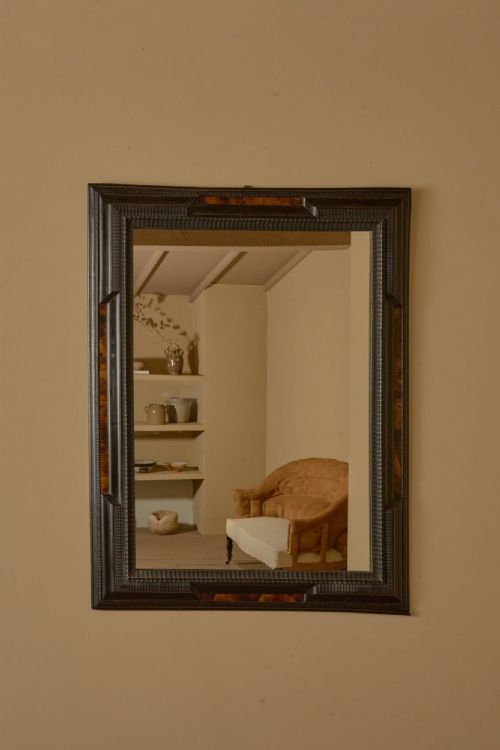
A rectangular wall mirror spans functional domestic furnishings and ornate decorative centrepieces created across the nineteenth and early twentieth centuries. Buyers seeking a rectangular wall mirror encounter English and continental examples ranging from compact Victorian mahogany hall pieces to grand French chateau leaner mirrors and overmantles.
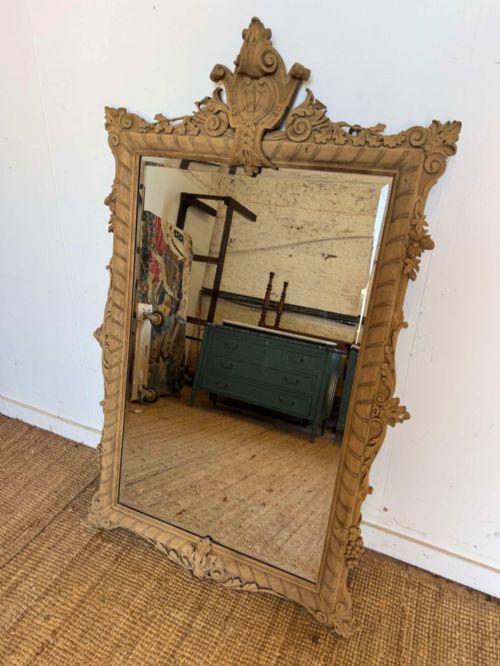
The selection encompasses diverse regional styles, from carved giltwood French rococo and trumeau pier mirrors to robust Arts and Crafts copper and oak frames. Pieces frequently bridge utility and display, serving as functional dressing mirrors or architectural overmantle additions above fireplaces.
How they were made
Frames rely on traditional timber construction using oak, walnut, and maple, alongside carved softwood prepared for gilding. Artisans applied layers of gesso to wood bases before laying gold leaf or paint, achieving detailed mythological, floral, and ribbed ornamentation.
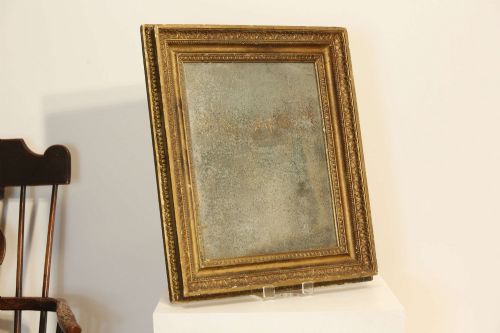
Metalwork frames incorporate brass, copper, and ebonised details, often featuring hammered finishes or applied mounts characteristic of Arts and Crafts workshops. Mirror plates include original silvered glass, foxed plates showing natural age, and occasional replacement glass.
Rectangular Wall Mirror Retail Price Guide 2026
Typical asking prices for rectangular wall mirror among the pieces listed under this phrase on Sellingantiques today, from the lower quarter to the upper quarter. They describe what is for sale here now, not the wider market.
Listings feature periods spanning from the eighteenth century through to Art Deco production in the 1930s.
What varies in quality
Quality rests upon the depth and crispness of the carving within the wood or gesso frame, distinguishing hand-carved relief work from simpler moulded decoration. The integrity of the original gilding or painted surface dictates the visual presence of the piece.
The condition and character of the mirror plate itself elevate a piece, where original foxing and authentic silvering provide depth that modern glass cannot replicate. Construction robustness at the mitred joints and the survival of original backing boards also separate standard domestic items from finer examples.
The Rectangular Wall Mirror Glossary
- Giltwood
- Wood carved and coated with gold leaf. This technique creates a luminous surface common in nineteenth-century decorative frames.
- Trumeau
- An architectural mirror or panel designed for placement between windows or above a mantelpiece. These French pieces frequently incorporate painted or carved scenes above the glass.
- Overmantle
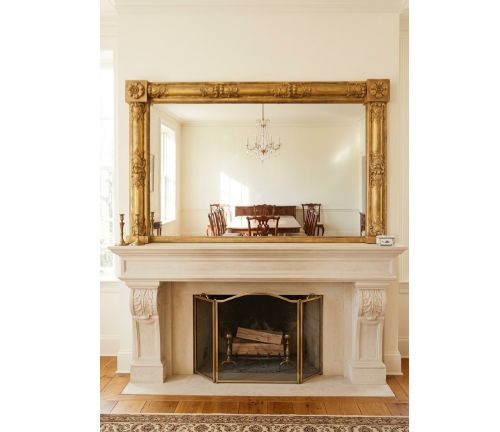
- A large mirror intended to sit directly above a fireplace mantel. They often feature extended horizontal proportions to match the width of the hearth.
- Pier mirror
- A tall, narrow mirror designed to hang on the wall space between windows. They maximise available daylight in period rooms.
- Foxed
- The natural ageing of mirror glass where the silver backing deteriorates over time. This creates characteristic dark spots and mottled patches across the reflection.
Rectangular Wall Mirror: Frequently Asked Questions
How do I hang a heavy antique mirror?
Heavy nineteenth-century frames require secure fixing directly into wall studs or masonry using appropriate weight-rated brackets. Professional installation ensures the substantial combined weight of the wood and glass is safely supported.
Distributing the load across multiple fixing points prevents strain on the original antique frame and mounting hardware.
What is an overmantle mirror?
An overmantle mirror is specifically proportioned to hang on the chimney breast above a fireplace opening. These pieces were traditionally designed to reflect firelight and brighten the room.
They often feature landscape orientations and robust frames that anchor the visual weight of the fireplace surround.
Can I replace a damaged mirror plate?
Replacing a mirror plate is possible, though collectors generally prefer retaining original glass with authentic foxing and age spots. Original plates preserve the historic integrity and aesthetic value of the piece.
When replacement is necessary for functional reasons, matching the thickness and edge bevel of the original glass maintains the authentic appearance.
How do I clean an antique gilt frame?
Gilt frames require gentle dusting with a soft, dry brush to remove surface particles without disturbing delicate gesso or gold leaf. Moisture and modern chemical cleaners will strip the historic finish.
Maintaining a stable indoor humidity prevents the wooden substrate from expanding and cracking the fragile gilt surface over time.