

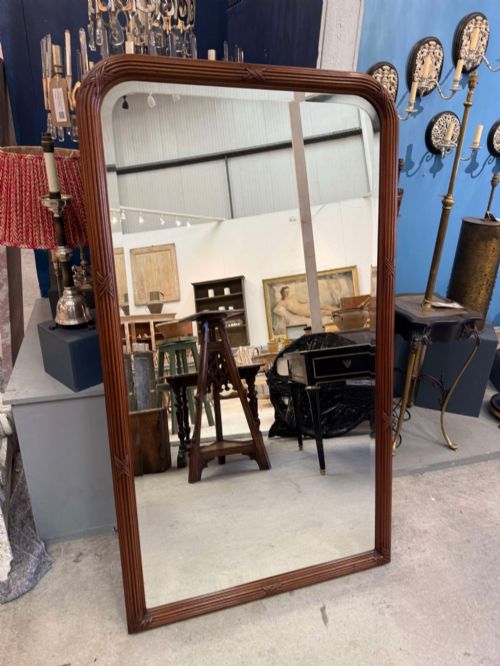
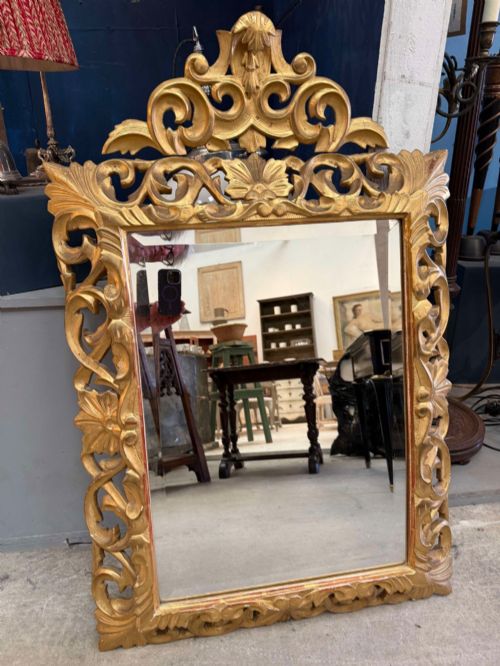
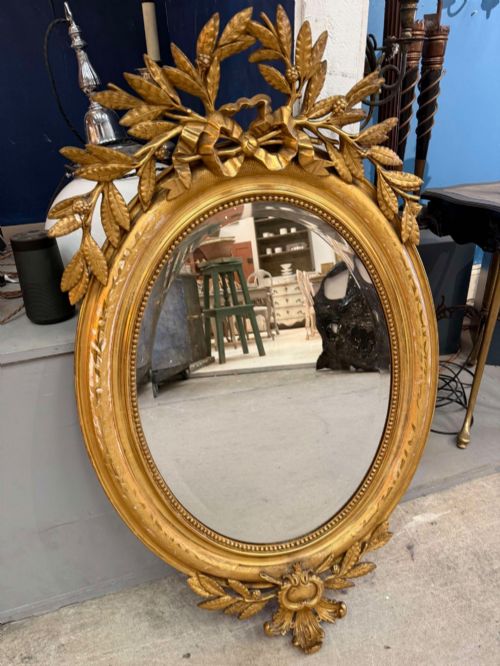
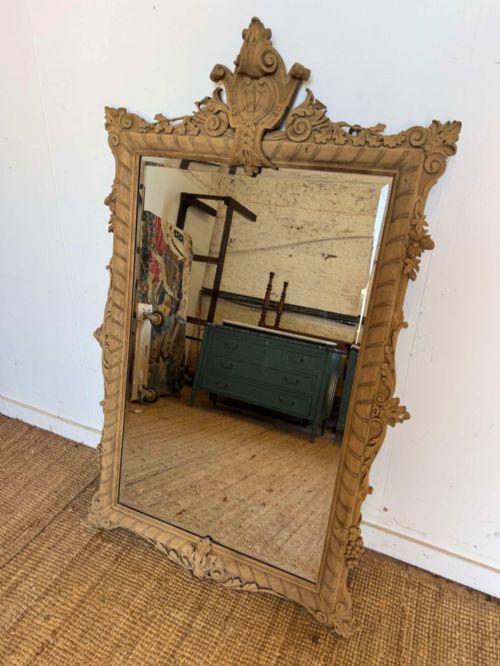


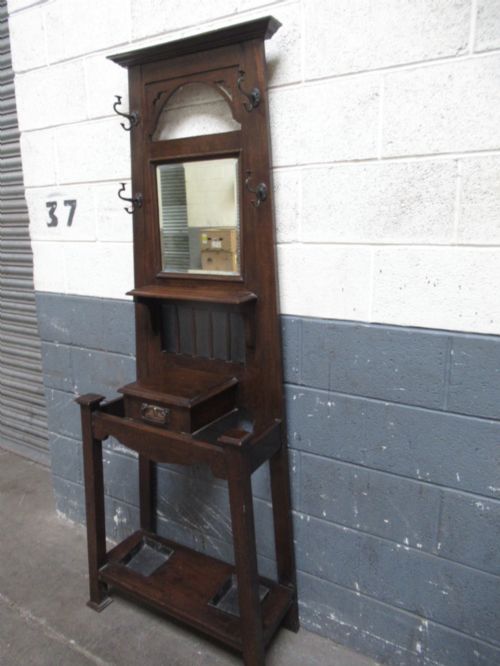
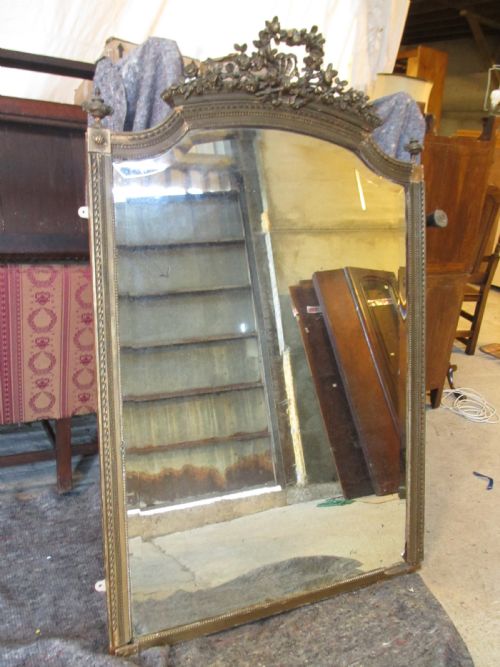
Antique Wood Mirror
Selecting an antique wood mirror brings centuries of craftsmanship into a room, offering functional reflection alongside period character.
Antique Wood Mirror
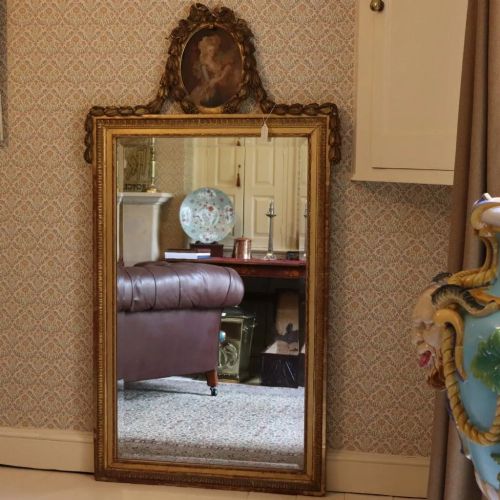
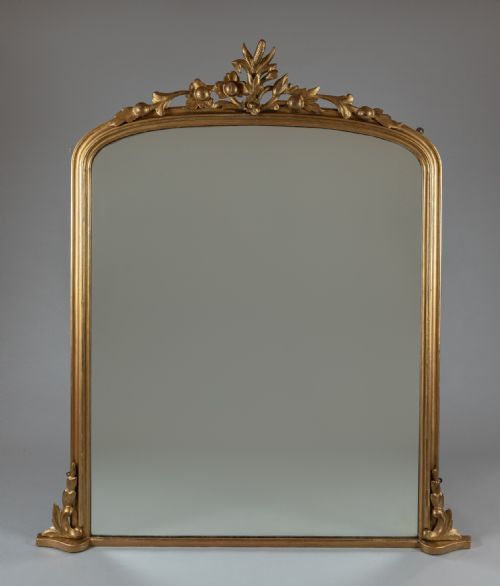
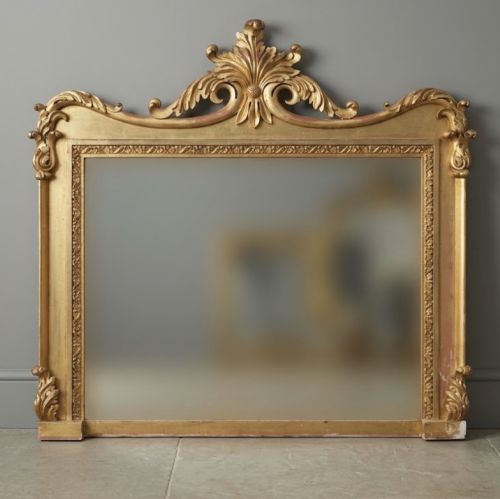
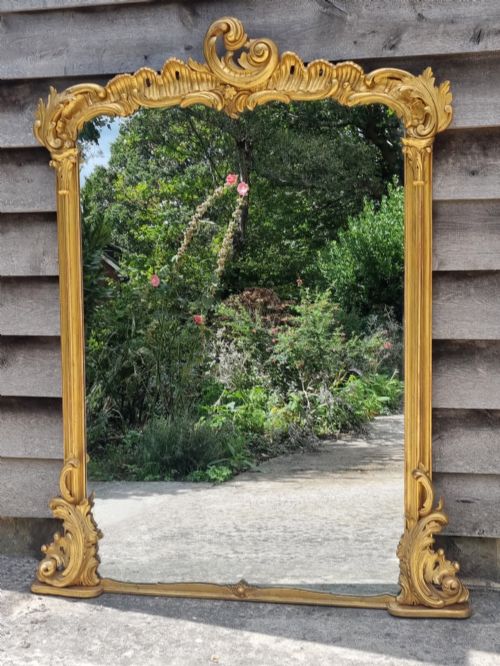
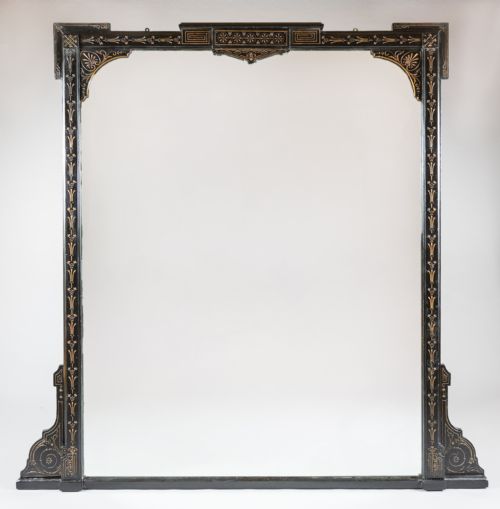
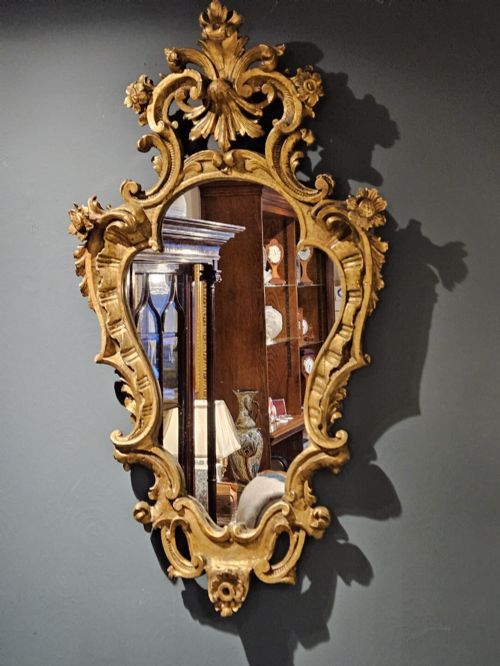
When searching for an antique wood mirror, buyers encounter a diverse selection spanning the seventeenth through the early twentieth centuries. The inventory ranges from substantial nineteenth-century giltwood overmantle mirrors designed for formal drawing rooms to smaller walnut and mahogany dressing glasses.
Wall mirrors, pier glasses, and freestanding cheval mirrors appear frequently, originating from English, French, and Italian workshops. These pieces reflect the prevailing architectural and decorative shifts of their respective eras, from Georgian restraint to ornate Victorian and Edwardian revivals.
How they were made
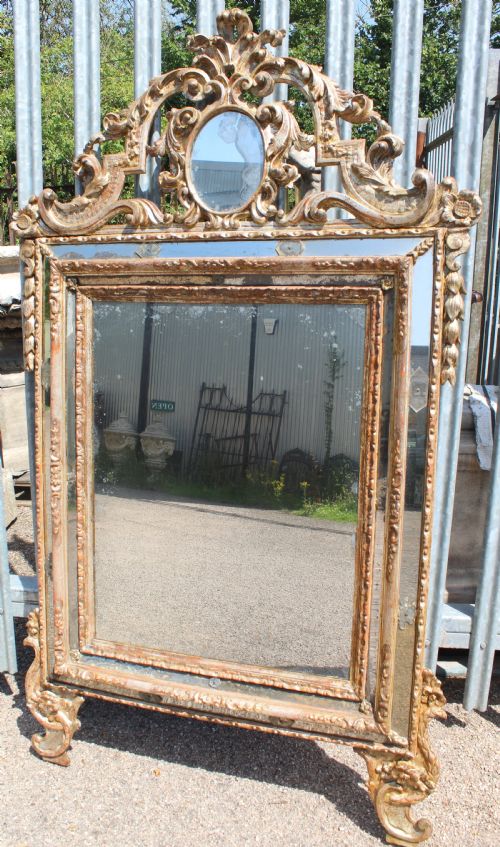
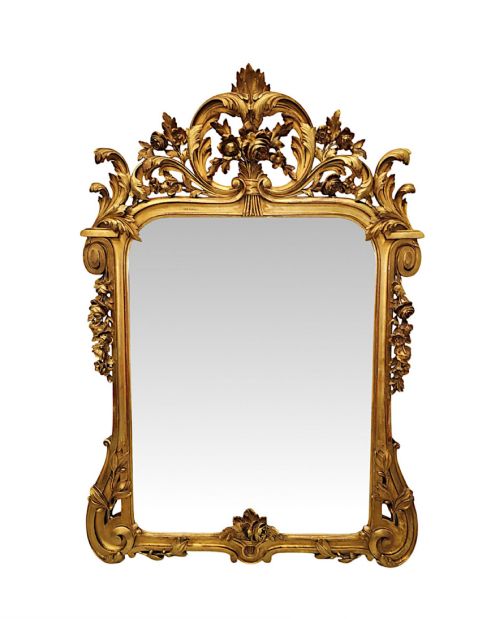
Cabinetmakers utilised solid timbers such as mahogany, oak, walnut, and satinwood for structural frames, frequently applying intricate carvings directly into the wood or shaping applied gesso. Giltwood surfaces combine carved wooden carcases with layers of gesso and gold leaf to achieve a brilliant, reflective finish.
Mirror plates from earlier periods were often silvered using mercury techniques or cast by hand, resulting in subtle imperfections and depth. Later nineteenth- and twentieth-century examples adopted advanced bevelling and machine-rolled glass production.
Antique Wood Mirror Retail Price Guide 2026
Typical asking prices for wood mirror among the pieces listed under this phrase on Sellingantiques today, from the lower quarter to the upper quarter. They describe what is for sale here now, not the wider market.
A proud spread eagle surveys the room from the crest of one gilded convex mirror.
What varies in quality
The degree of hand-carving depth and the crispness of applied gesso details distinguish exceptional pieces from standard workshop output. Superior frames exhibit harmonious proportions, tight joinery at the corners, and well-preserved original gilding rather than modern resprays.
The condition and authenticity of the mirror plate itself strongly influence overall merit, with period mercury glass or early bevelled plates holding particular interest for serious collectors.
Waring and Gillow·Maple and Co
The Antique Wood Mirror Glossary
- Gesso
- A plaster-like mixture applied to wood frames as a base for gilding or painting. Artisans carved intricate decorative motifs directly into this dried compound.
- Pier glass
- A tall mirror designed specifically to hang on the narrow section of wall between two windows. These often coordinate with matching console tables situated directly beneath them.
- Overmantle mirror
- A wide horizontal mirror scaled to fit securely above a fireplace mantelpiece. Nineteenth-century versions frequently feature arched tops and elaborate crestings.
- Cheval mirror
- A freestanding full-length dressing mirror suspended on pivots within a vertical frame. This allows the user to tilt the glass to various angles.
- Convex mirror
- A round mirror featuring a curved, outward-bulging glass surface designed to reflect a wide panoramic view of the interior.
Antique Wood Mirror: Frequently Asked Questions
How do I hang a heavy overmantle mirror safely?
Substantial nineteenth-century frames require heavy-duty fixings secured directly into structural wall studs or masonry rather than standard plasterboard hooks. Professional mirror hanging hardware distributes the considerable weight evenly across the frame.
Ensuring the hanging wire or integrated metal strap brackets are sound protects both the wall and the antique timber construction from accidental strain.
Are antique mirror plates usually original?
Many surviving pieces retain their original glass, which often displays characteristic light foxing, dark speckling, or minor surface bubbles accumulated over generations. These subtle irregularities confirm age and authenticity.
Replacement glass appears in pieces where the original silvering degraded completely or suffered accidental breakage during past handling.
How should I clean a gilded wood frame?
Dusting requires only a very soft, dry artist brush or feathered duster to remove loose particles without disturbing delicate gesso or leaf. Moisture and chemical cleaning agents must be avoided entirely.
Applying liquids to historic gilt surfaces can dissolve water-soluble bole layers beneath the gold leaf and cause irreversible damage.
What defines a pier mirror?
Pier mirrors were constructed specifically to occupy the wall space between windows, where natural light from outside would bounce back into the interior. Their tall, narrow proportions allowed them to fit neatly into architectural gaps.
They frequently paired with console tables placed below, creating a unified decorative arrangement within formal reception rooms.