

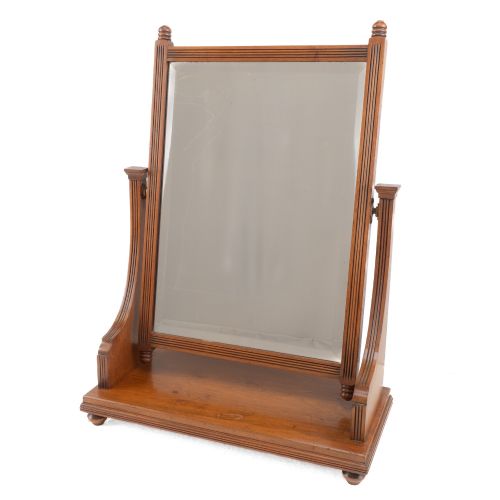
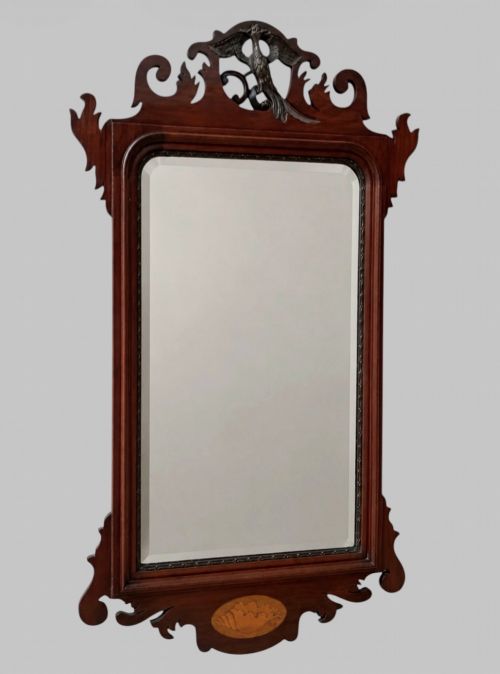

Victorian Bevelled Mirror
A victorian bevelled mirror brings depth and reflected light into a room through thick glass edged with a hand-ground slope.
Victorian Bevelled Mirror
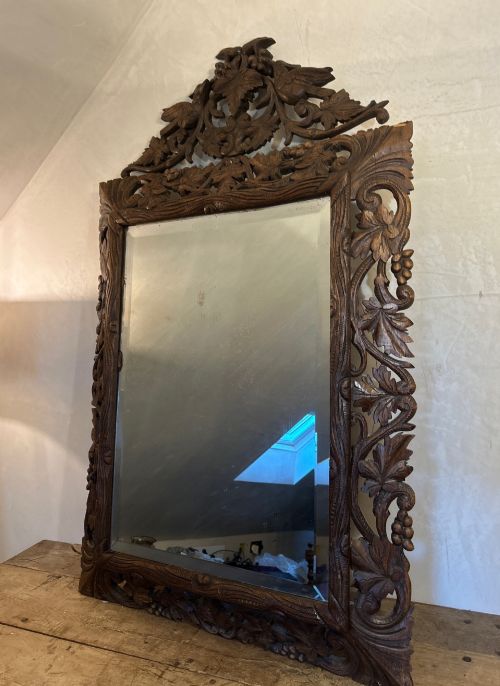
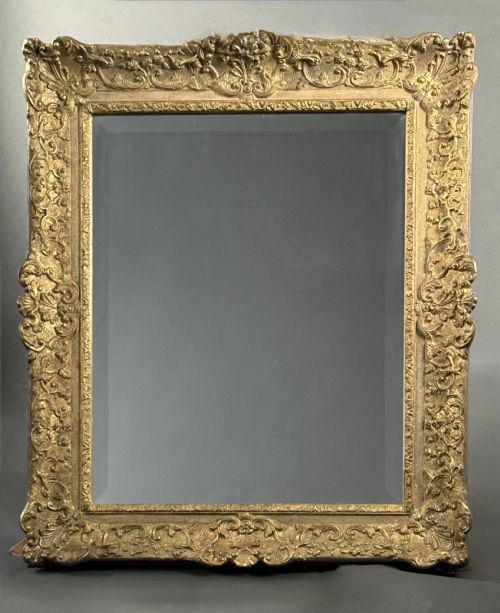
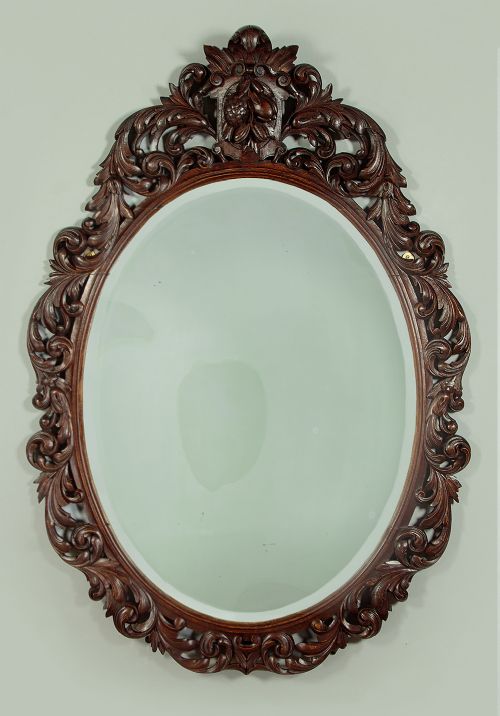
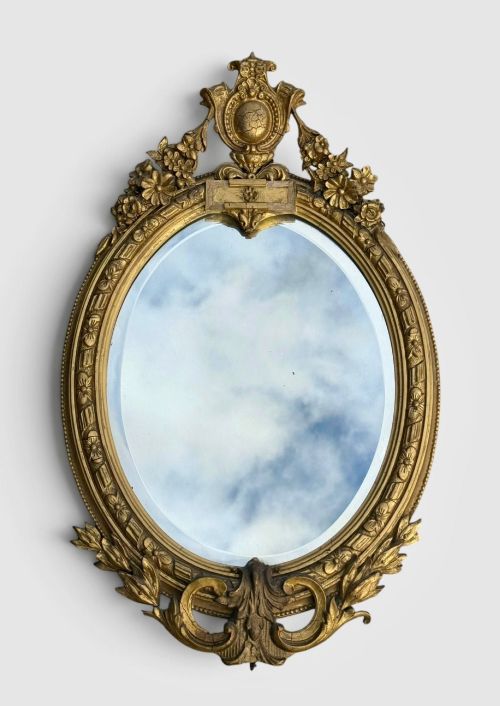
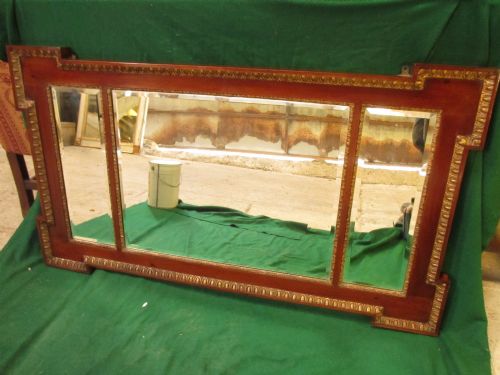
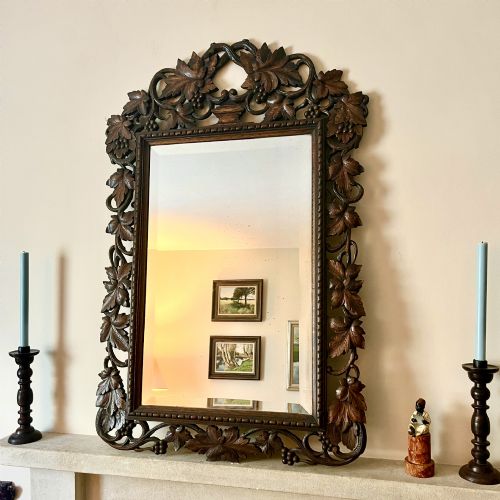
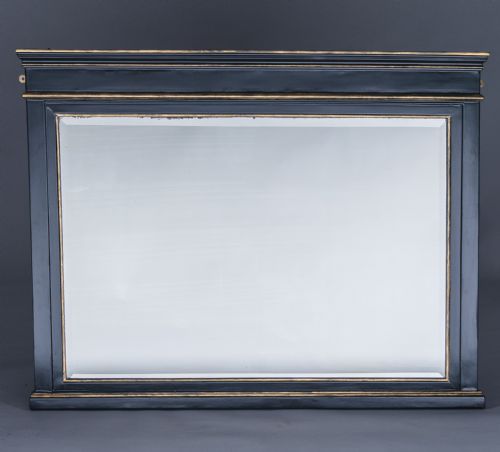
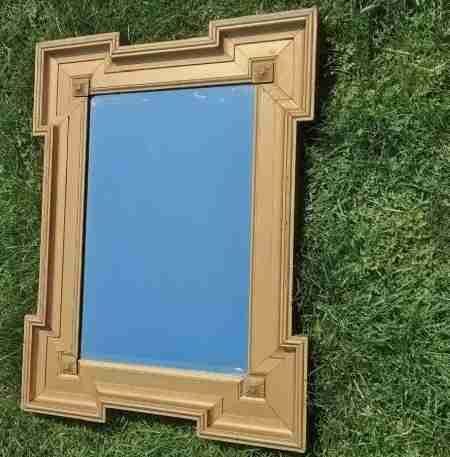
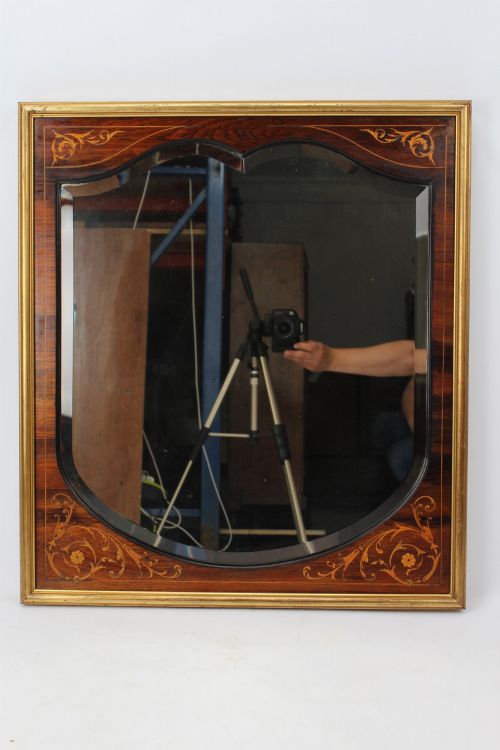
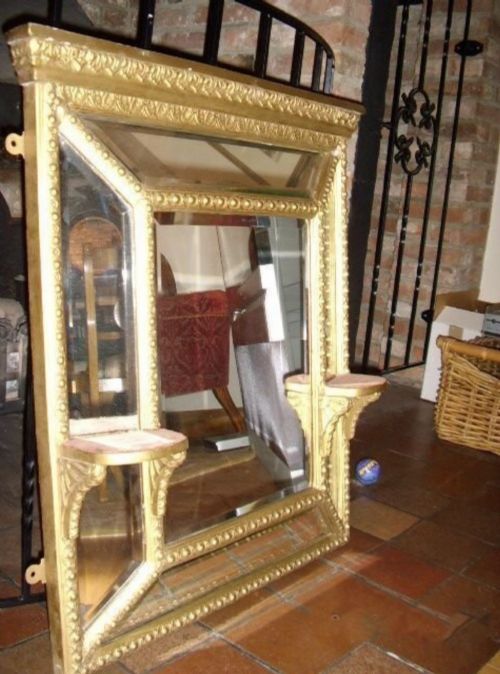
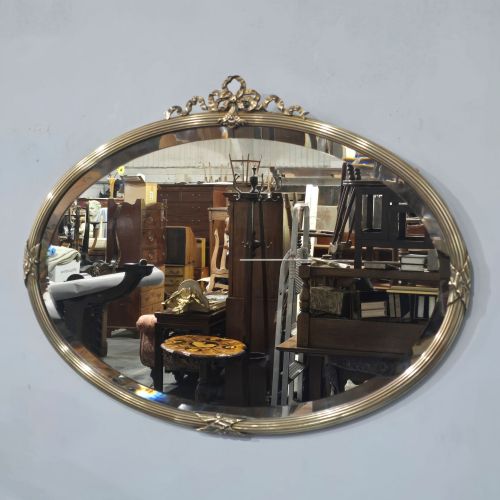
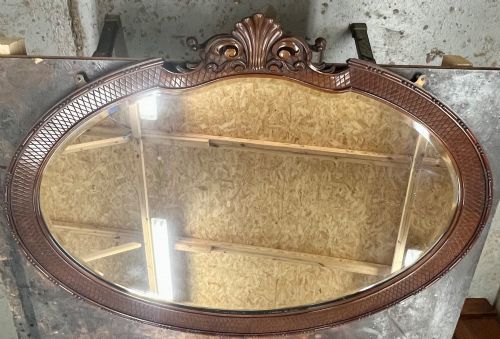
A victorian bevelled mirror encompasses a wide range of forms designed for domestic interiors, spanning from large overmantels intended for chimney breasts to compact dressing table glasses and hall mirrors. The pieces encountered most frequently on this page are wall-mounted and overmantel variants framed in carved oak, giltwood, or cast brass.
Originating across the nineteenth century and into the Edwardian period, these objects reflect diverse stylistic revivals such as Rococo, French Renaissance, and the Aesthetic Movement. They served practical and decorative functions in Victorian homes, often combining structural timbers like mahogany and walnut with ornate plaster gesso or metalwork.
How They Were Made
Makers utilised heavy timber frames of oak, mahogany, and rosewood, frequently joined with traditional framing techniques to support substantial weight. Giltwood and gesso pieces relied on carved wooden bases coated in plaster layers, which were then gilded with leaf or painted.
Glass plates were silvered and hand-bevelled along the edges to create an angled border that caught ambient light. Metal frames, particularly in brass and bronze, were finely cast and embossed before being fitted with original wooden backs and secure hanging hardware.
Several mirrors include original valet hooks and small reception shelves designed for nineteenth-century callers to check their hats before entering.
What Varies In Quality
The distinction between tiers rests upon the crispness of the carving in wood and gesso frames, alongside the depth and clarity of the bevel on the mirror plate. Hand-chased brass mounts and deeply moulded wooden profiles indicate superior craftsmanship compared to simpler, mass-produced alternatives.
Integrity of the materials also dictates standing, with original glass plates showing minimal foxing and retaining their initial backing boards and fittings. High-end examples demonstrate harmonious proportions between frame ornamentation and the central reflective surface.
The Victorian Bevelled Mirror Glossary
- Bevel
- An angled edge ground along the perimeter of a glass plate to refract light and add visual depth. This technique required skilled handwork on heavy nineteenth-century glass.
- Gesso
- A plaster-like mixture applied to wood frames as a base for gilding or painting. It was frequently moulded into intricate scrolls and floral motifs.
- Overmantel
- A large mirror specifically proportioned to hang on the wall directly above a fireplace mantelpiece. These pieces often anchored the decorative scheme of a Victorian reception room.
- Cushion frame
- A convex or rounded moulding profile that swells outward from the wall towards the glass plate. It creates a bold, sculptural border common in nineteenth-century mirrors.
- Foxing
- Age-related spots and discoloration within the silvering of a mirror plate caused by oxidation. Collectors often value original glass that displays a gentle, even pattern of ageing.
Victorian Bevelled Mirror: Frequently Asked Questions
How do I hang a heavy overmantel mirror safely?
These substantial pieces require fixing directly into structural wall studs or masonry using heavy-duty brackets suited to the weight of wood and glass. Professional installation ensures the frame remains secure against the wall without straining the original joints.
Distributing the load evenly across multiple fixing points protects both the antique frame and the surrounding plasterwork from undue stress over time.
Can I replace a cracked mirror plate?
While replacement is possible, retaining the original glass plate preserves the authentic character and historical integrity of the piece. Period glass often exhibits subtle distortions and bevel widths that modern manufacturing rarely replicates.
If replacement becomes necessary due to severe damage, sourcing period-appropriate salvaged glass helps maintain the visual balance of the antique frame.
How should I clean the frame and glass?
Dust wooden and gilded frames gently with a soft, dry brush to avoid disturbing fragile gesso or leaf finishes. Moisture can damage old gilding and seep behind the silvering on the glass.
Use a minimal amount of glass cleaner applied to a cloth rather than directly onto the plate, preventing liquid from seeping into the edges of the bevel.
Were these mirrors meant only for walls?
Victorian mirror designs served multiple domestic purposes, appearing on dressing tables, hall stands, and mantelpieces as well as fixed wall locations. Table dressing mirrors often featured pivoting brass stands for adjustable viewing angles.
Freestanding and smaller hanging variations allowed light to be directed into darker corners of Victorian hallways and bedrooms.