
Antique Wooden Frame
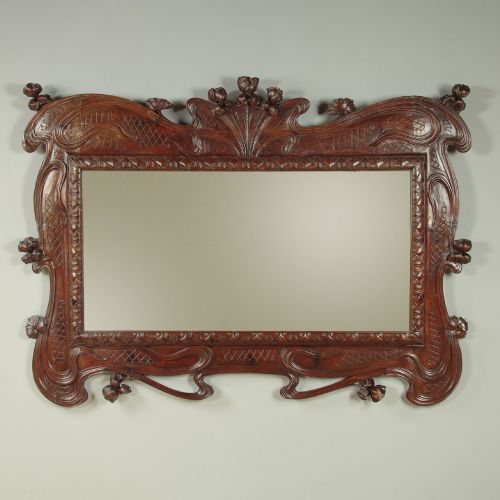
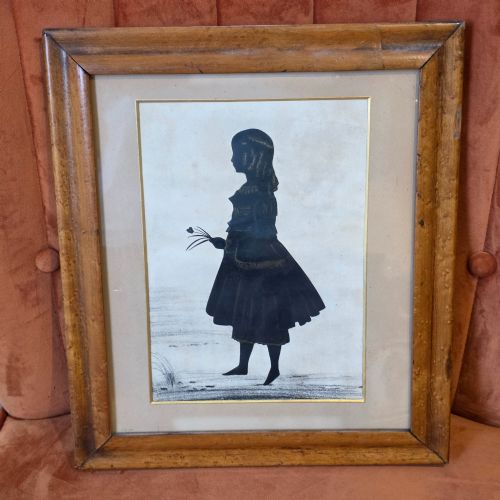
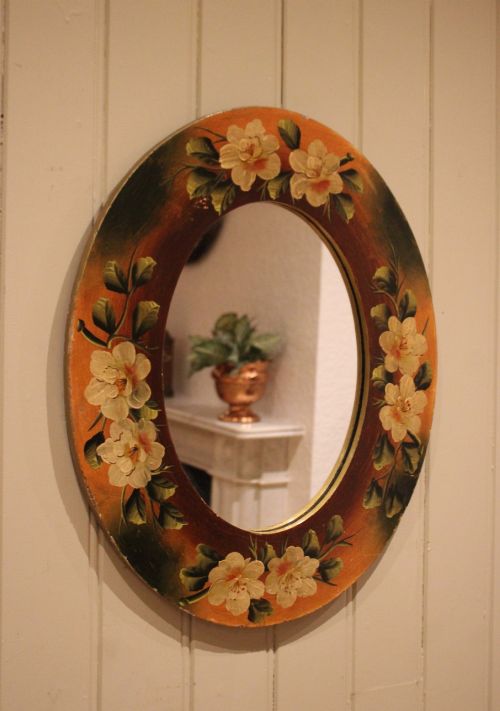
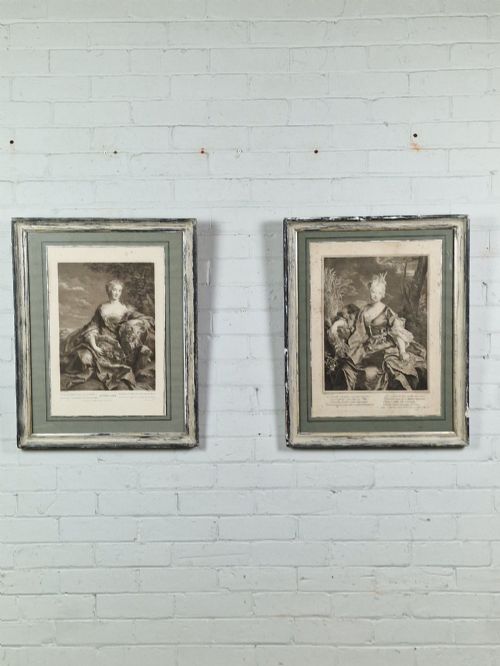
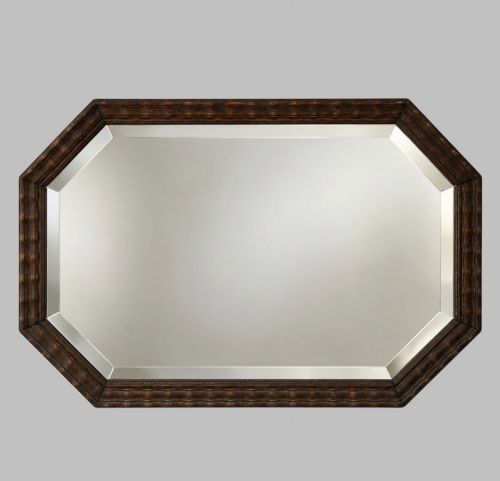
An antique wooden frame provides structural enclosure and historical definition for mirrors, artworks, and portraits.
Antique Wooden Frame
The antique wooden frame category encompasses architectural mirror surrounds, picture housings, and structural supports originating from the seventeenth century through the early twentieth century.
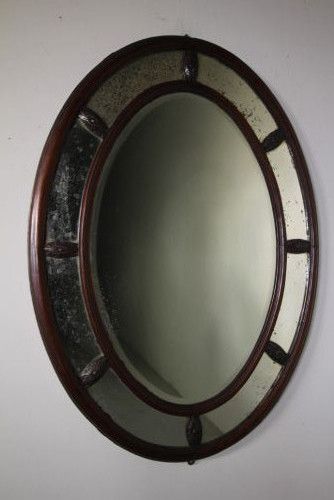
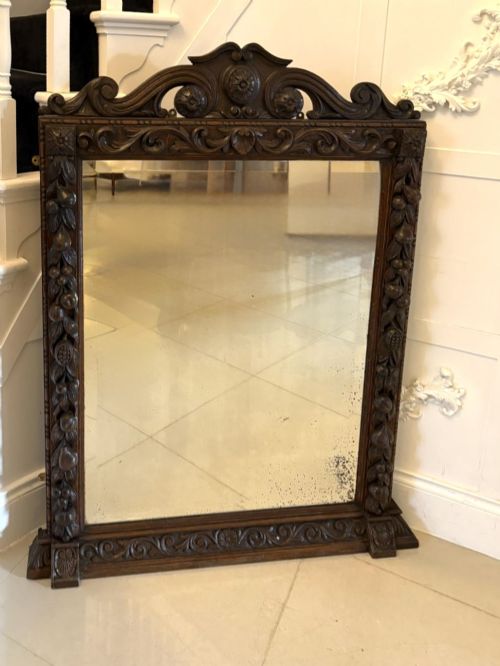
Buyers exploring this selection encounter carved gilt mouldings, deep-section picture slips, and substantial wall-mounting mirror surrounds shaped from native and imported timbers.
Pieces frequently reflect Victorian, Edwardian, Georgian, and Regency aesthetic movements, alongside continental French Country and Arts and Crafts design idioms.
Materials and construction methods
Cabinetmakers and carvers utilised durable hardwoods such as oak, mahogany, walnut, and fruitwood, often joining mitred corners with pegged mortise and tenon or tongue and groove joints.
Gilt ornamentation and decorative relief panels relied on carved wooden substrates or applied composition plaster built over timber foundations.
Secondary framing elements incorporated maple, beech, and deal, secured with hand-cut screws, iron brackets, or traditional animal glues.
Distinctions in construction and design standard
Superior examples demonstrate crisp hand-carved detail, deep undercutting in foliage and scrollwork, and tightly fitted corner joints without excessive filler or later timber replacement.
The choice of primary wood grain, the integrity of original fire-gilding or surface patination, and the retention of backing boards or period glass contribute significantly to a piece's integrity.
Lesser items exhibit blunt machine moulding profiles, replaced or degraded gilding, and structural repairs that obscure the original maker's hand.
Heals·Waring & Gillow·Stanley Webb Davies·Oliver Morel
The Antique Wooden Frame Glossary
- Rebate
- The recessed channel at the back of a frame designed to hold the canvas, panel, or mirror glass securely in place. Its precise depth and width determine the maximum thickness of the artwork accommodated.
- Gilt
- A thin layer of gold leaf applied to a prepared gesso and bole surface over a wooden substrate. This technique creates a luminous metallic finish characteristic of formal period mirrors and artwork surrounds.
- Slip
- A narrow inner frame or border, often wood or gilt, placed inside a larger main frame to separate an oil painting or watercolour from the outer moulding.
- Trumeau
- A large vertical wall mirror paired with an upper painted panel or decorative carving, originating in eighteenth- and nineteenth-century French interior architecture.
- Treen
- Small handmade wooden household objects and utilitarian items produced from the seventeenth to the nineteenth century. The term applies to miniature accessories associated with early woodworking tools.
- Bergere
- An enclosed upholstered armchair with wooden framing exposed around the arms and back, popular during various historical periods including the Edwardian era.
Antique Wooden Frame: Frequently Asked Questions
How should I clean an antique wooden frame?
Dust surfaces gently with a soft, dry natural bristle brush to remove accumulated dirt from carved crevices and mouldings. Avoid commercial liquid polishes, water, and abrasive cloths that can strip historic wax or damage delicate gilt.
Apply a microcrystalline wax sparingly if the timber appears dry, buffing lightly after application to preserve the natural patina.
How can I date an antique wooden frame?
Examine the backboards, fixing nails, and tool marks visible on the reverse of the wooden construction. Hand-sawn boards, wrought iron nails, and lack of modern mechanical fixings point toward earlier Georgian and Victorian manufacture.
Stylistic cues such as Art Nouveau whiplash carving or Edwardian proportions help narrow the production era alongside any remnants of maker stamps or paper labels.
Are antique frames suitable for modern mirrors?
Many historic frames accommodate replacement mirror glass or modern artwork safely, provided the rebate depth matches the new material thickness. Care must be taken not to alter the original wooden structure or rebate during fitting.
Retaining original bevelled glass is preferable when possible, but swapping out damaged mirror plates allows older frames to resume active daily use.