


English Country Mirror
An English country mirror brings warmth and quiet character to a room, offering traditional craftsmanship and historical charm.
English Country Mirror
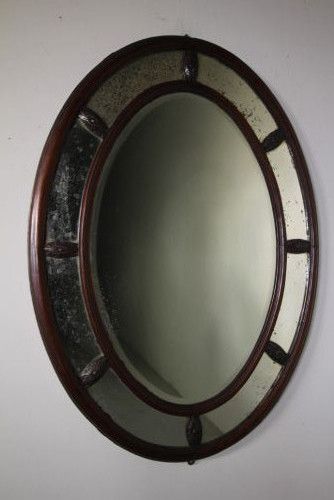
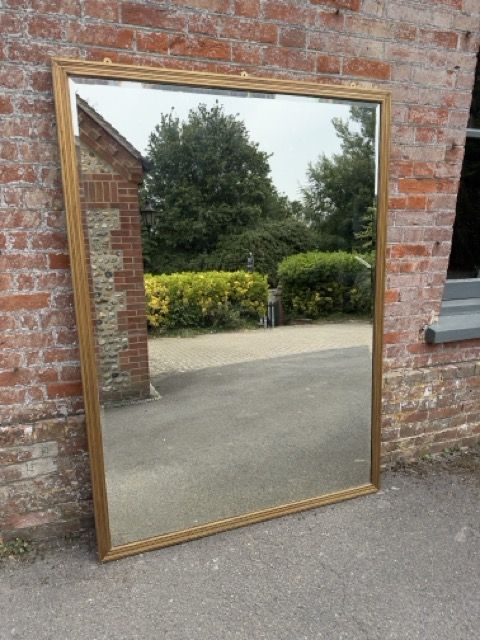
When you search for an english country mirror, you encounter overmantel mirrors, wall mirrors, and cheval mirrors originating mainly from the nineteenth century. These pieces reflect the traditional domestic interiors of country houses through substantial proportions and domestic utility.
The most common forms on this page include large overmantel mirrors and painted wall mirrors dating between 1860 and 1890. They combine functional glass with decorative wooden framing suited to period settings.
How They Were Made
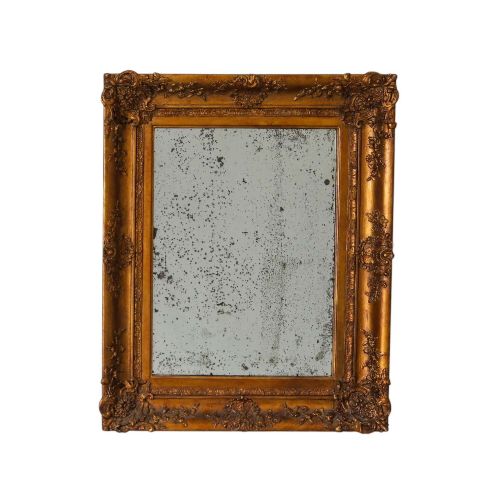
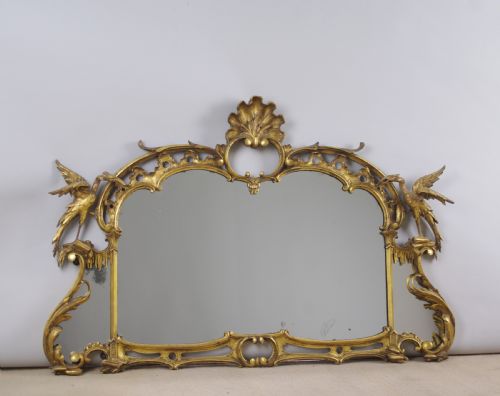
Frames are constructed from woods such as mahogany, oak, and general timber, frequently finished with carved gesso and applied paint or gold leaf. Artisans shaped these materials into ribbed profiles and shaped tops.
Mirrors utilise traditional glass plates, occasionally showing foxing, housed within sturdy wooden structures designed to withstand daily household use.
Listings span the nineteenth century, featuring periods from Georgian and Regency up to Victorian and 1900.
What Varies in Quality
The standard of carving and the application of gesso dictate the visual depth of the frame. Ornate, detailed hand-carved ornamentation distinguishes finer examples from simpler painted boards.
The presence of original surfaces, including early gilt and original mirror plates, separates pieces retaining their historical integrity from those with later alterations.
The English Country Mirror Glossary
- Overmantel Mirror
- A large mirror designed to hang specifically above a fireplace mantelpiece. These grand items often anchor the decorative scheme of a principal reception room.
- Cheval Mirror
- A freestanding full-length dressing mirror mounted on a pivoting frame between four supporting legs. It allows the viewer to see their entire outfit at once.
- Gesso
- A plaster-based mixture applied to wood frames to create a smooth surface for subsequent gilding or painting. It holds crisp, intricate moulded details effectively.
- Foxed Plate
- A mirror glass displaying speckled brown age spots and degradation of the silver backing. This natural oxidation proves the high age of the glass.
- Gold Leaf
- Extremely thin sheets of beaten gold applied to a prepared surface for decoration. It provides a lasting metallic sheen that ages gracefully over decades.
English Country Mirror: Frequently Asked Questions
Where should I hang an overmantel mirror?
These mirrors hang traditionally above a fireplace mantelpiece to reflect light and anchor the room's main focal point. They also suit large expanses of wall in reception rooms where extra depth and illumination are desired.
Ensure the wall structure and fixings support the considerable weight of nineteenth-century wooden frames before mounting.
What is a cheval mirror used for?
A cheval mirror functions as a freestanding dressing glass designed for bedroom or dressing room use. Its pivoting frame allows the user to tilt the glass to various angles.
These tall pieces require adequate floor space to stand securely without obstructing movement around the room.
How do I identify a nineteenth-century mirror?
Nineteenth-century mirrors reveal their age through heavy timber construction, hand-applied gesso decoration, and traditional joinery methods. Examination of the reverse often shows aged boards and historical fixings.
The glass itself may exhibit foxing, which indicates long exposure to atmospheric conditions behind the plate.
What is the difference between giltwood and painted finishes?
Giltwood finishes involve the application of gold leaf over a prepared gesso layer to create a reflective, metallic surface. Painted finishes utilise coloured pigments directly on wood or gesso to achieve softer, domestic tones suited to country houses.
Both styles reflect the decorative preferences of the Victorian era but create entirely different visual weights in a room.