
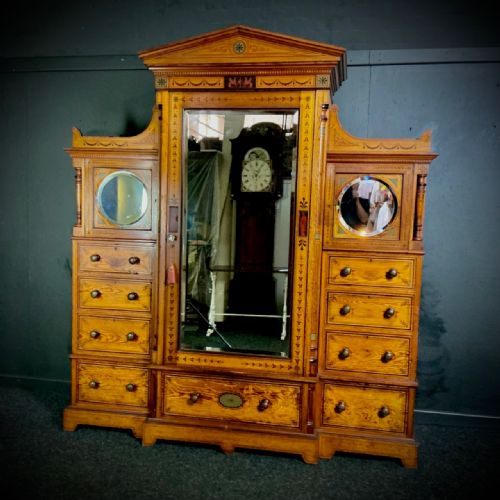
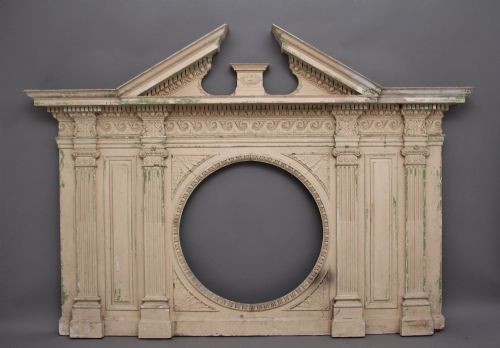
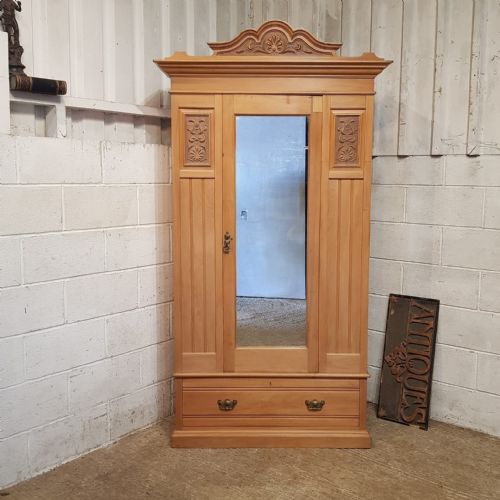


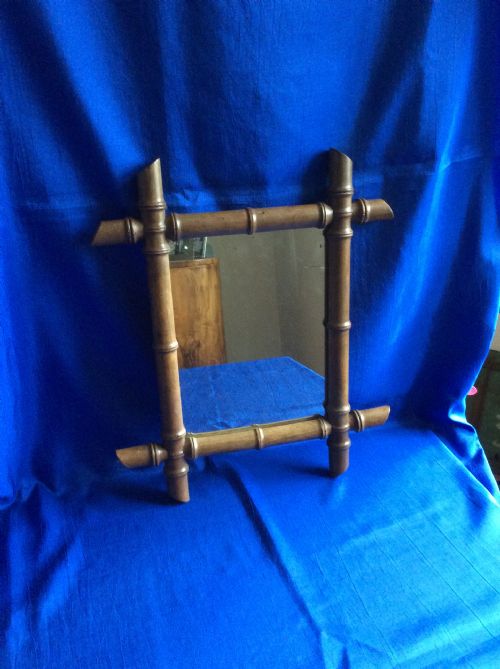


Carved Pine Mirror
A carved pine mirror brings warmth and character to a room, offering tactile timber frames shaped by hand.
Carved Pine Mirror
A carved pine mirror is a wall-hanging or overmantel glass framed in soft softwood, shaped through regional joinery traditions. When you examine a carved pine mirror, you encounter pieces spanning from the eighteenth century through the Victorian era and into the early twentieth century.
The selection ranges from compact wall frames to large overmantel mirrors designed for chimney breasts. Many examples originate from British workshops, alongside continental pieces showing Italian or French regional influences.
Georgian and late eighteenth-century items frequently combine pine with gesso and gilt detailing. Later Victorian and Edwardian examples show simpler timber surfaces, sometimes utilising pitch pine or retaining original paint finishes.
Materials and construction methods
Craftsmen shaped the timber frames from solid pine or pitch pine planks, employing hand-carving techniques to create floral motifs, moulding, and architectural details. Many eighteenth-century and Georgian frames received layers of gesso before being gilded with gold leaf or painted.
Glass plates were secured within the rebate, often utilising original mirror glass or two-part plates held by old wooden backs. Secondary materials such as brass fixings, iron hardware, and paper backing sometimes survive from earlier centuries.
The records show carved pine mirror examples spanning the Georgian, Victorian, and Edwardian periods, utilising pine, gesso, and original mirror glass.
Distinctions in quality and execution
The standard of a carved pine mirror rests upon the crispness and depth of the hand-carved detail within the wood or gesso. Finer pieces demonstrate confident, fluid foliage and moulding, whereas utilitarian examples show simpler, more mechanical cutting.
The preservation of original surfaces defines the appeal, particularly where original gilding, paint, or old mirror plates remain intact. Later alterations to the glass or stripped timber surfaces alter the character and historical integrity of the piece.
The Carved Pine Mirror Glossary
- Gesso
- A plaster-like mixture applied to wood surfaces to provide a smooth base for gilding or painting. It is frequently moulded to create relief ornament on eighteenth-century frames.
- Overmantel
- A large mirror designed to sit directly above a fireplace mantelpiece. These pieces often feature horizontal proportions suited to architectural settings.
- Pitch Pine
- A durable resinous softwood utilised for framing and furniture during the Victorian period. It is distinguished by a strong, prominent grain pattern.
- Pier Mirror
- A tall glass traditionally positioned on the narrow wall between windows. These mirrors often match specific architectural room proportions.
Carved Pine Mirror: Frequently Asked Questions
How do I date a carved pine mirror?
Dating relies on combining stylistic clues with construction evidence. Georgian examples often feature gesso and gilt work, while Victorian pieces lean towards exposed pitch pine or painted finishes.
Examine the backboards, fixings, and glass plates for signs of age. Original mirror glass often exhibits slight distortion or foxing that modern replacements lack.
Where should I hang an overmantel mirror?
An overmantel mirror traditionally sits centrally above a fireplace mantelpiece to reflect light and anchor the room. Ensure the wall structure and fixings can support the substantial weight of the timber and glass.
Beyond fireplaces, these large pieces function effectively on principal living room walls to create an illusion of space.
Are original mirror plates common?
Some surviving pieces retain their original glass plates, often showing minor age spots or bevelled edges. Eighteenth and nineteenth-century glass differs in manufacture from modern float glass.
Replacement glass is occasionally fitted during a piece's history. Check the retention method at the back to understand the conservation state.
How do I care for antique pine frames?
Maintain antique pine and gesso surfaces by dusting gently with a dry, soft cloth. Avoid liquid cleaners and chemical polishes that can damage fragile gilt or original paint.
Keep frames away from direct heat sources and high humidity to prevent the timber from warping and the gesso from cracking.