
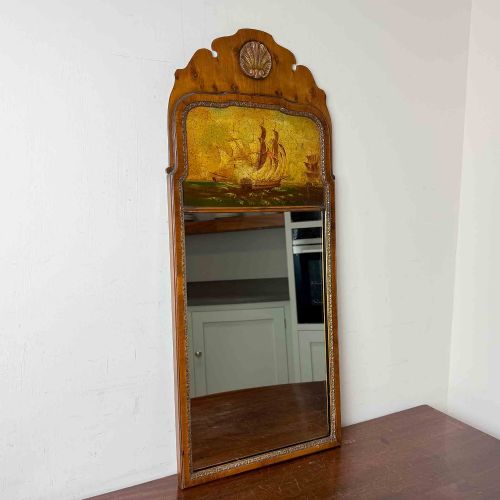


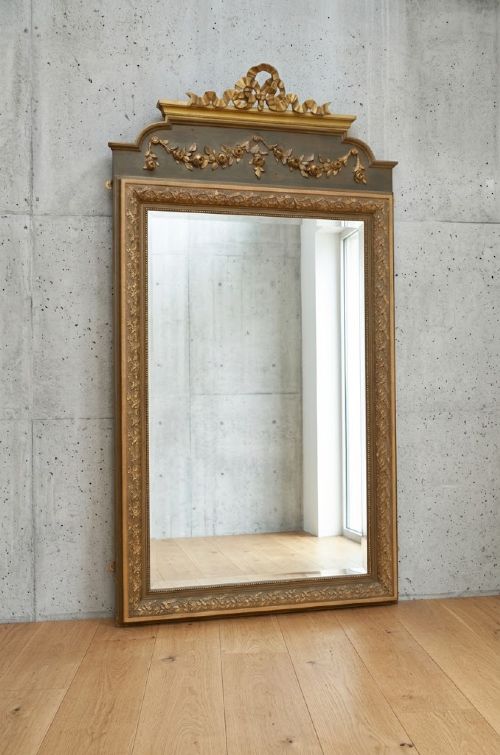
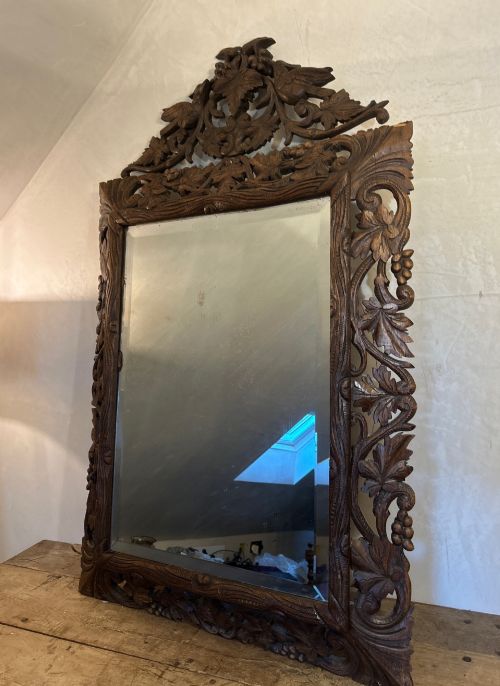
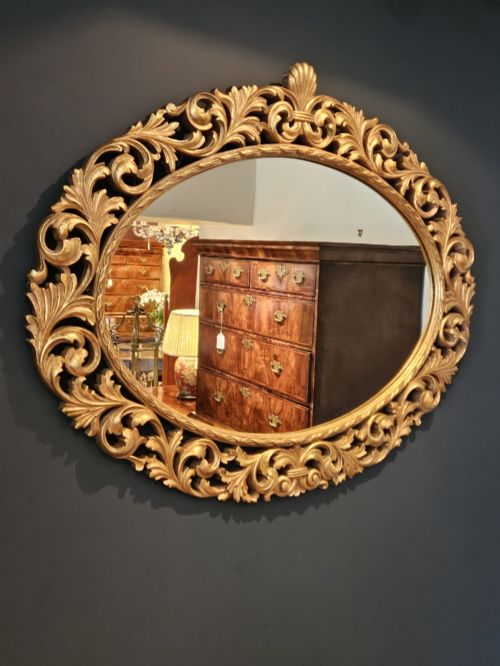
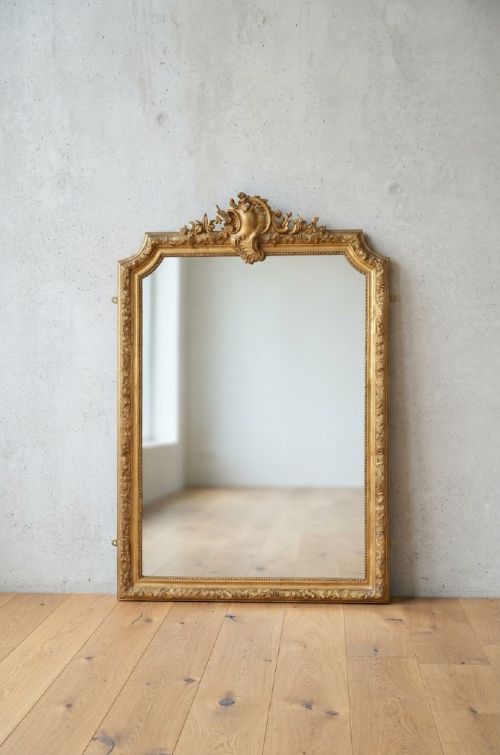
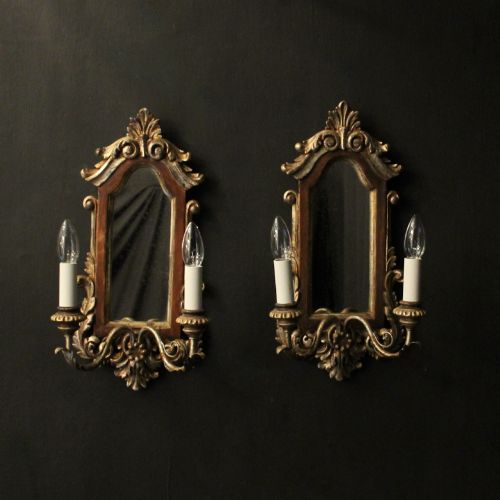
Vintage Carved Frame Mirror
A vintage carved frame mirror brings texture, depth and history to a room through skilful handwork and aged glass.
Vintage Carved Frame Mirror
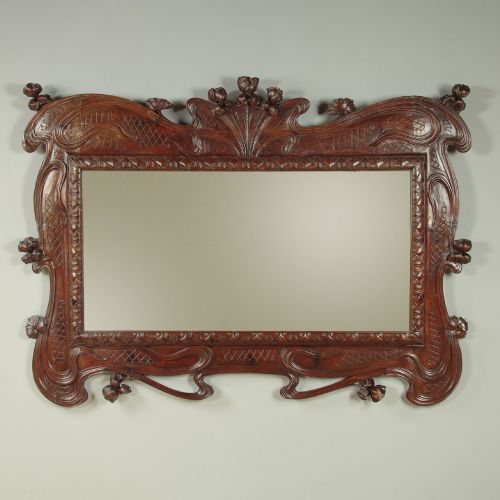
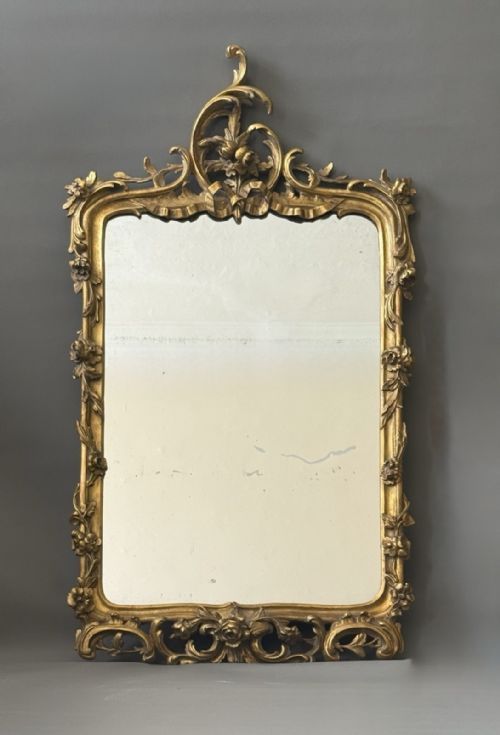
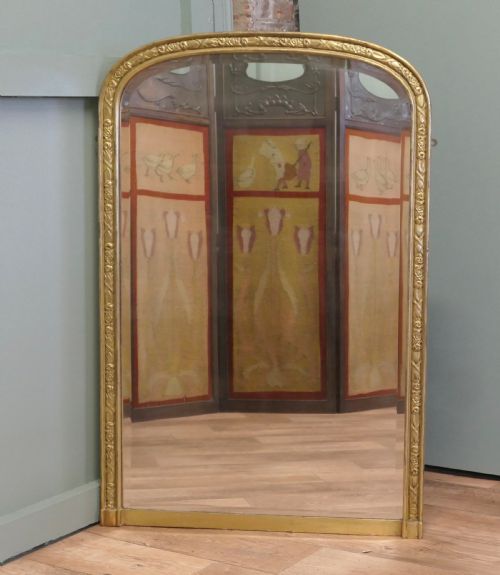
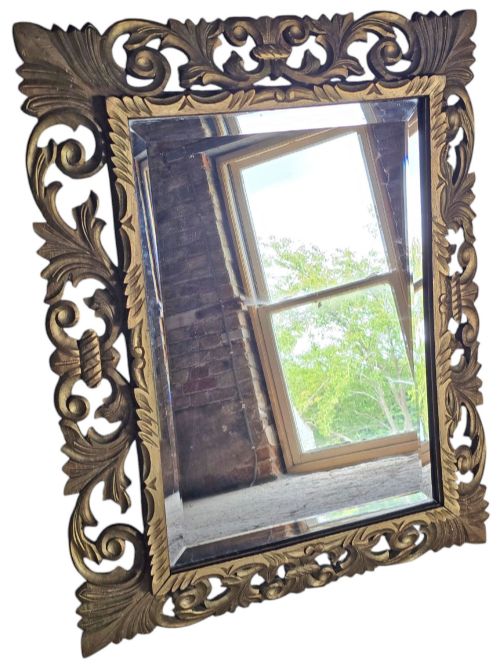
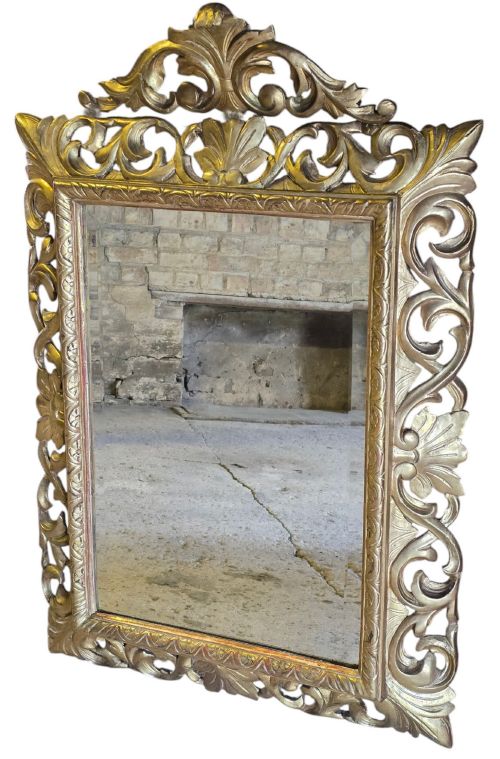
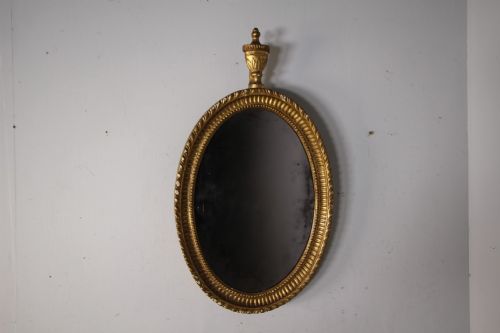
When searching for a vintage carved frame mirror, buyers encounter wall mirrors, overmantels, girandoles and dressing table mirrors originating from the eighteenth century through to the early twentieth century. These pieces reflect diverse aesthetics, spanning English country house mahogany, French Rococo revival, Florentine giltwood and ornate Victorian gesso.
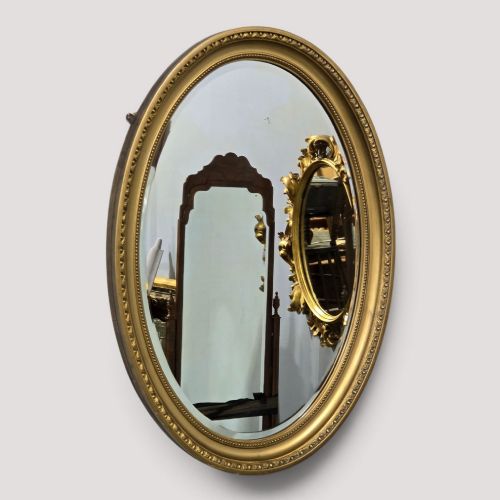
The selection frequently includes large statement pieces designed for mantelpieces alongside smaller oval and rectangular wall mirrors intended for halls and bedrooms. Oak, walnut and mahogany feature alongside heavily gilded timber, showing influences from the Queen Anne, Chippendale and Art Nouveau periods.
How they were made
Carvers shaped solid woods such as oak, mahogany and walnut using hand chisels and gouges to produce deep relief ornamentation including floral scrolls, ribbons and vine motifs. Many frames utilise carved timber or composition applied over a wooden base to hold intricate gesso details before the application of gold leaf or paint.
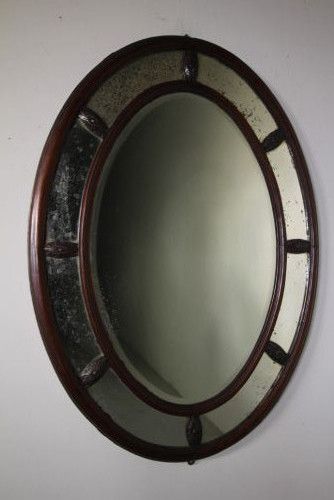
Mirrors often incorporate original elements such as antique silvered plates, foxed mercury glass or bevelled edges held securely within the rebated wooden framework. Joinery relies on traditional pegged mortise and tenon joints or mitred corners reinforced for structural longevity.
Watch for faux bamboo frames from nineteen hundred, bringing an unexpected touch of Victorian botanical whimsy to your hallway.
What varies in quality
The depth and crispness of the hand-carved relief dictate the artistic merit of a frame, separating mass-produced composition ornament from deeply undercut, individually chiselled woodwork. Superior examples display fluid symmetry in scrollwork and botanical details without heavy or clumsy proportions.
The preservation of the original gilding or surface finish, alongside the character and age of the mirror plate itself, determines the integrity of the piece. High-grade items retain their original backboards, secure mercury or early silvered glass, and harmonious proportions between the heavy frame and the reflective surface.
The Vintage Carved Frame Mirror Glossary
- Giltwood
- Timber that has been coated with a thin layer of gold leaf over a prepared gesso ground. This finish provides a warm, reflective surface that develops a soft patina over decades.
- Gesso
- A plaster-like mixture applied to wood frames to create a smooth surface for carving intricate details or applying gold leaf. It allows for sharp, precise ornamentation.
- Overmantel
- A large mirror specifically proportioned to hang above a fireplace mantelpiece. These pieces often serve as a visual focal point within a reception room.
- Foxed glass
- Mirror glass displaying dark spots and irregular patches caused by the degradation of the reflective silver or mercury backing over time. Collectors prize this ageing for its authentic historic character.
- Girandole
- A decorative wall mirror featuring attached candle sconces designed to reflect and amplify candlelight. They combine illumination with ornate carved frames.
Vintage Carved Frame Mirror: Frequently Asked Questions
How do I clean a antique mirror frame?
Dust carved wooden and gilded frames gently with a dry, soft artist's brush to remove particles from deep recesses without disturbing fragile surfaces.
Avoid using liquid cleaners, moisture or chemical sprays near historic giltwood or gesso, as these substances can dissolve the finish or damage old wood.
Are original mirror plates common?
Many pieces retain their original mercury or early silvered glass, identifiable by characteristic foxing, minor imperfections and a slightly distorted reflection.
While some mirrors have replacement plates fitted for clarity, surviving original glass remains desirable for its genuine period appearance.
Can I hang an overmantel mirror safely?
Due to the substantial weight of timber, gesso and thick glass, these large frames require secure fixing directly into structural wall studs or masonry.
Professional installation using appropriate heavy-duty brackets ensures the weight is distributed properly without straining the original frame joints.
How do I identify the period of a frame?
Stylistic clues such as floral ribbon crests point towards Belle Époque or French designs, while heavy oak construction often suggests late Victorian cabinetmaking.
Examining the backboards, construction methods and types of fixings provides further evidence regarding the manufacturing date.