


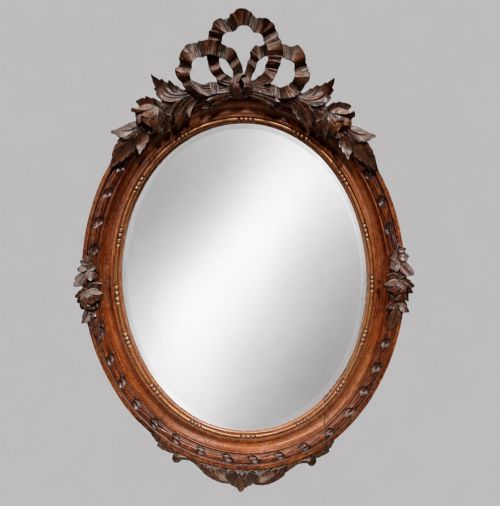
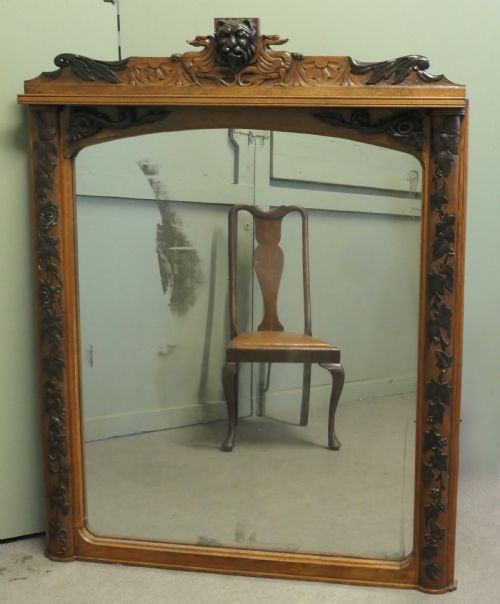
Carved Wood Hanging Mirror
A carved wood hanging mirror brings depth and light to a room, carrying the weight of centuries of craftsmanship in its frame.
Carved Wood Hanging Mirror
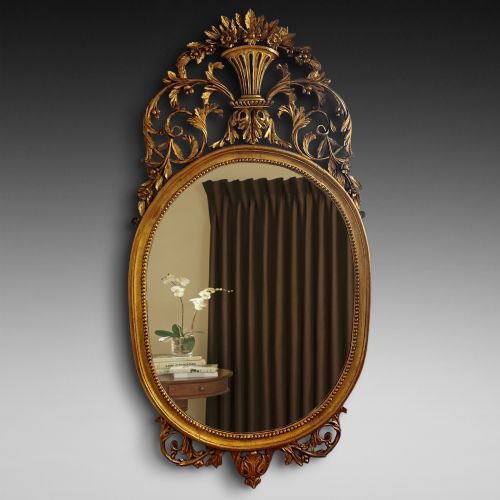
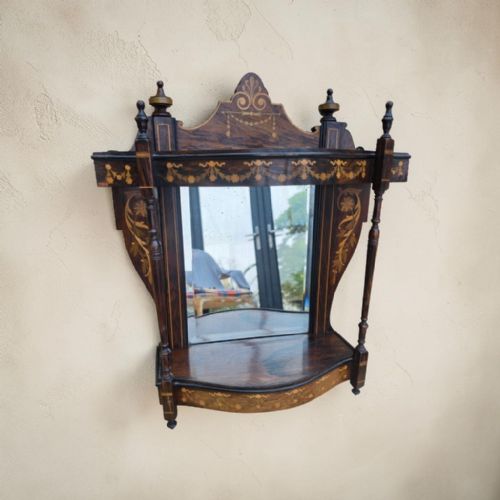
A carved wood hanging mirror serves as both a functional glass and a decorative focal point, drawing the eye through elaborate form and material. When you search for carved wood hanging mirror, you encounter pieces that span multiple centuries, from eighteenth-century Georgian examples to late Victorian interpretations.
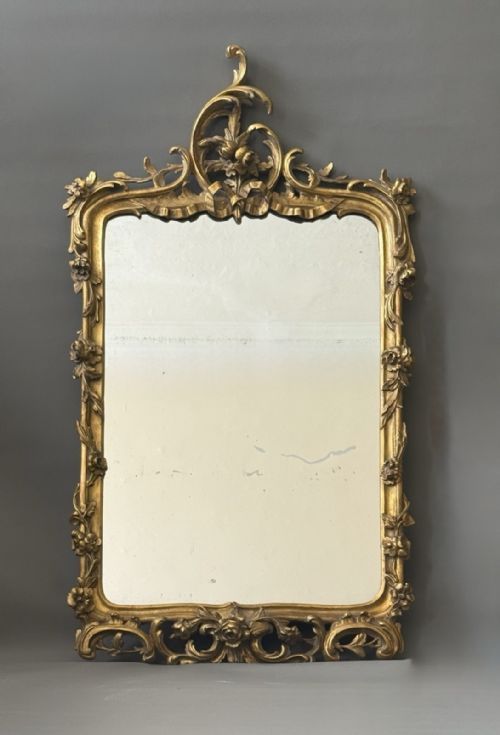
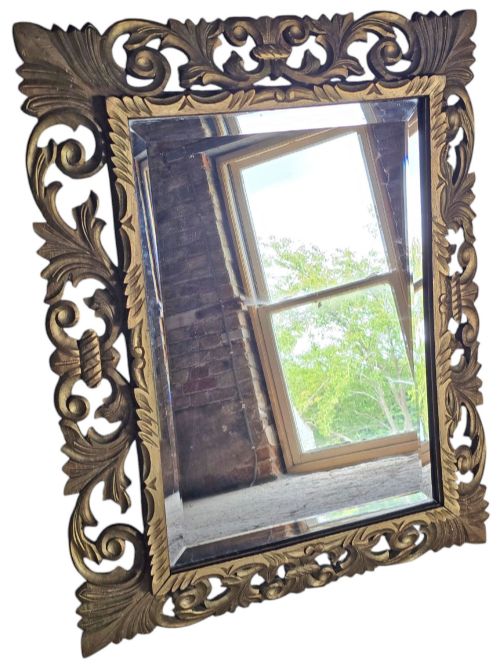
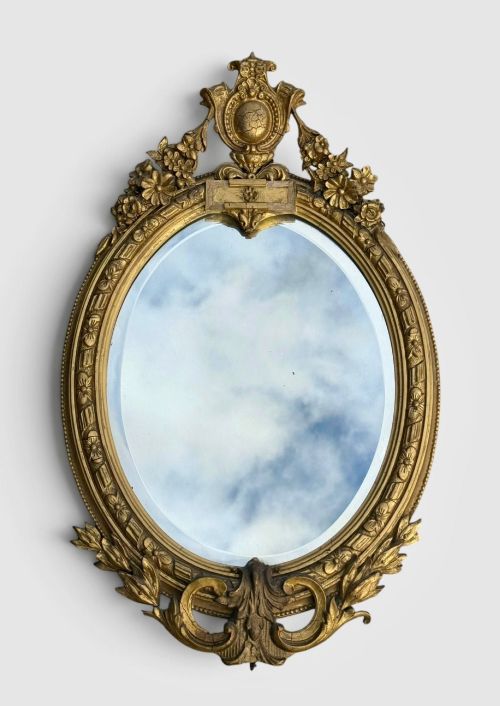
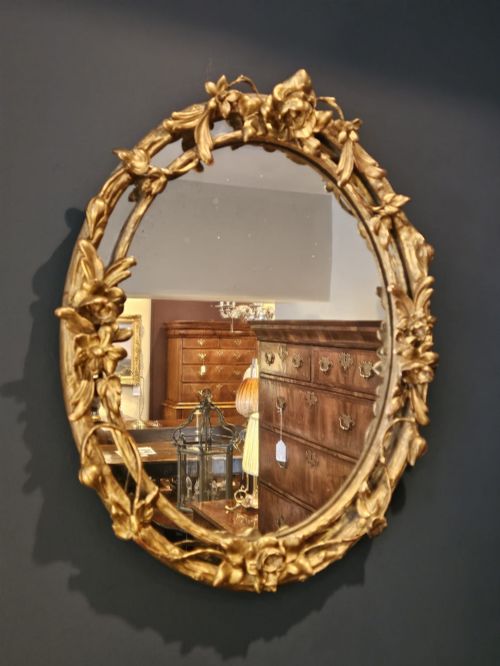
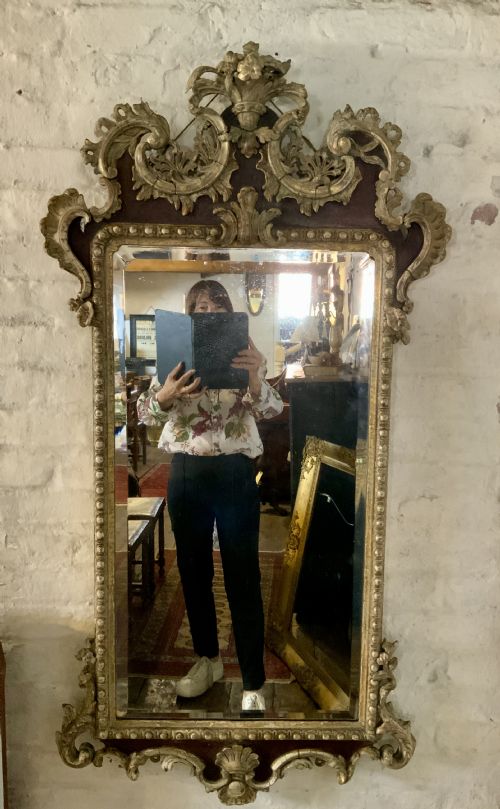
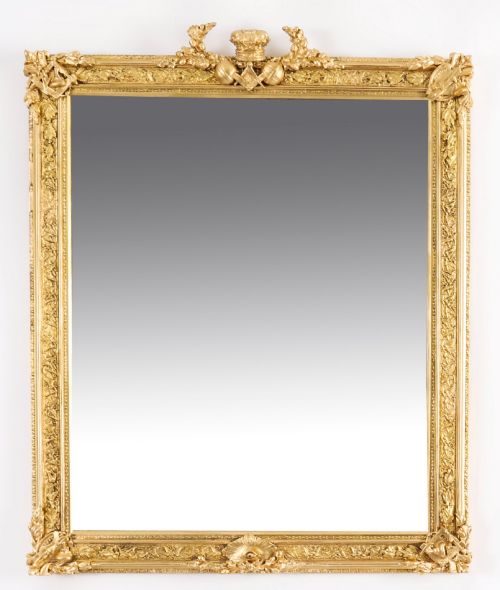
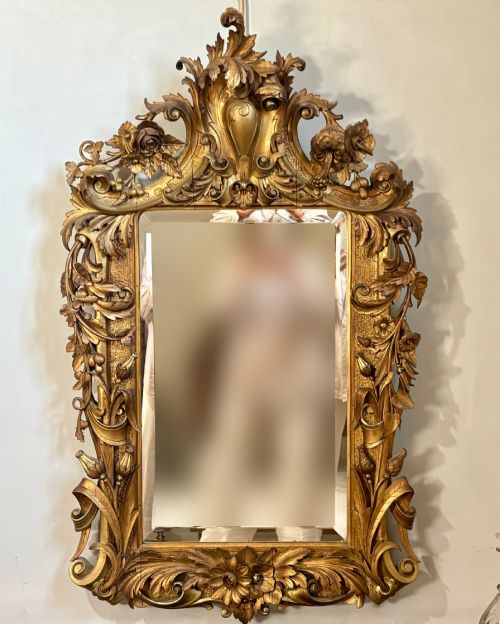
The selection ranges widely in origin and style, including French Rococo, Florentine designs, and English walnut or mahogany frames. Many incorporate applied gesso, parcel gilt highlights, or carved floral and mythological motifs.
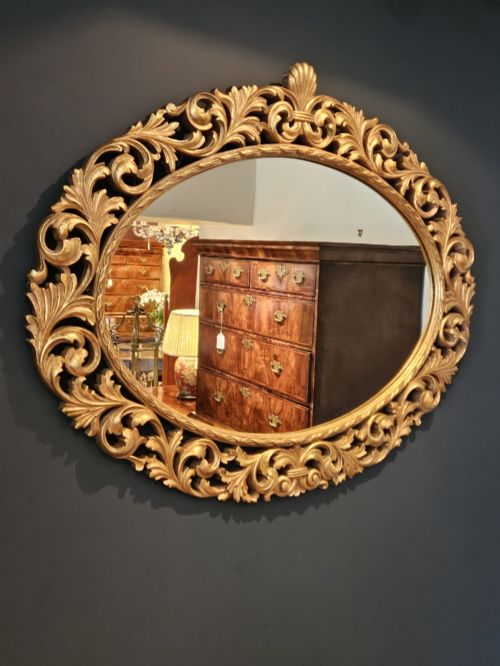
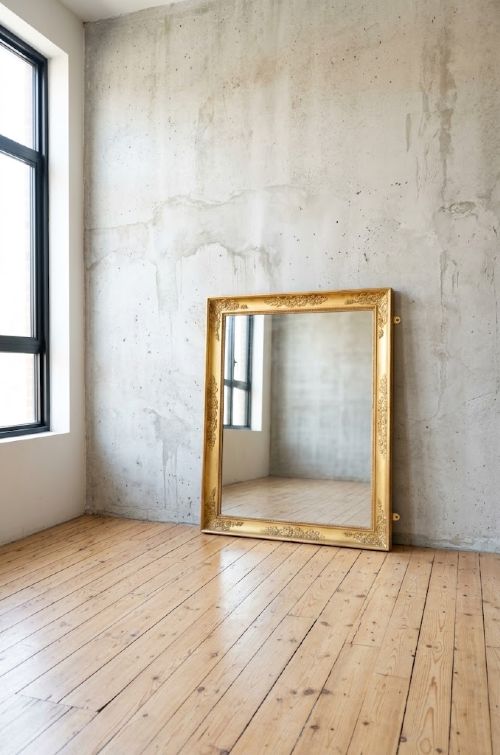
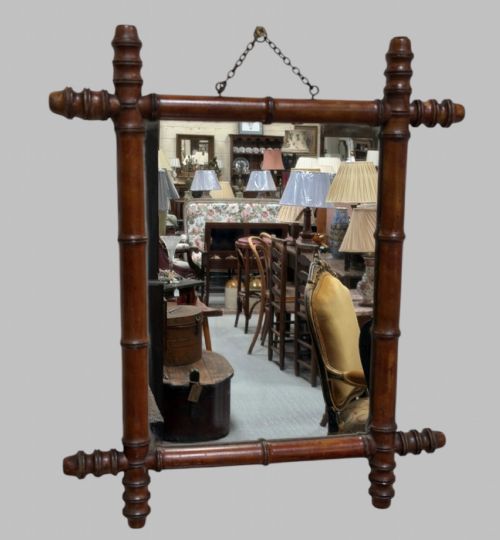
Wall mirrors predominate, alongside overmantles, oval wall mirrors, and occasional hall or bedroom pieces. Formats vary from restrained oak frames to highly ornate gilded statement pieces.
How they were made
Frames rely on timber foundations such as oak, walnut, and mahogany, shaped by hand and joined to support the glass plate. Carvers worked directly into the timber or built up decorative relief using gesso before applying gold leaf or paint.
Giltwood and gesso techniques defined the brighter decorative styles, where layers of plaster were smoothed and carved over wood prior to gilding. In other instances, natural wood finishes such as polished oak, walnut, or faux bamboo exposed the grain beneath.
The listings span the eighteenth, nineteenth, and early twentieth centuries, featuring materials from simple oak and walnut to elaborate giltwood and gesso.
What varies in quality
Quality rests in the depth and precision of the carving, where crisp foliate details, scrolls, and figures distinguish finer work from simpler production. The handling of the gesso and the application of gold leaf create a richer surface texture on superior examples.
The character of the glass plate itself matters greatly, with older antique plates showing distinct age, distortion, or original bevels that contribute to the integrity of the object.
The Carved Wood Hanging Mirror Glossary
- Giltwood
- Timber that has been coated with gold leaf or metallic powder. This finish was widely applied to eighteenth and nineteenth-century decorative frames to reflect candle and daylight.
- Gesso
- A plaster mix applied over a wood base to build up surfaces for carving or gilding. It allows for sharp, intricate relief work that plain timber cannot hold.
- Parcel Gilt
- A decorative treatment where only specific portions of a wooden object are gilded, leaving the underlying wood grain visible elsewhere. It offers a subtle contrast between natural timber and gold leaf.
- Overmantle
- A large mirror designed to hang specifically above a fireplace mantelpiece. These pieces often feature extended horizontal proportions to match the width of the hearth.
Carved Wood Hanging Mirror: Frequently Asked Questions
How do I hang a heavy carved wood mirror safely?
Heavy frames require sturdy fixings secured directly into wall studs or masonry using appropriate wall anchors. The weight distribution relies on the structural strength of the wooden frame rather than the glass backing.
Professional mirror hangers often utilise a French cleat system to distribute the load evenly across the wall surface.
Are antique mirror plates usually original?
Many eighteenth and nineteenth-century pieces retain their original glass, which often exhibits minor foxing, dark spots, or slight waviness. These optical imperfections confirm the age and authenticity of the object.
Replacement plates appear frequently in older frames where the original glass deteriorated beyond preservation.
How do I clean a gilded wood frame?
Dusting requires a soft, dry brush to remove particles from deep recesses without disturbing the fragile gold leaf or gesso. Moisture and chemical cleaners should be avoided entirely, as they damage historic gilt surfaces.
Specialist conservators should handle any deeper cleaning or consolidation of flaking gesso.
How can I tell a Georgian mirror from a Victorian one?
Georgian mirrors typically display restrained symmetry, walnut or mahogany veneers, and precise hand-carved fretwork. Victorian examples often embrace heavier proportions, elaborate gesso work, and revival styles such as Rococo or Chippendale.
Examining the construction methods at the reverse of the frame provides further clues to the period of manufacture.