



Antique Dutch Mirror
These antique dutch mirror examples bring centuries of rich marquetry, cushion frames and repoussé brass into modern rooms with quiet presence.
Antique Dutch Mirror
When you search for an antique dutch mirror, you find a distinct tradition encompassing wall-hanging plates, swing dressing table toilets and heavy cushion-framed glasses. These pieces span the eighteenth century, the regency era and the nineteenth century, reflecting periods of elaborate floral inlay and deep timber mouldings.
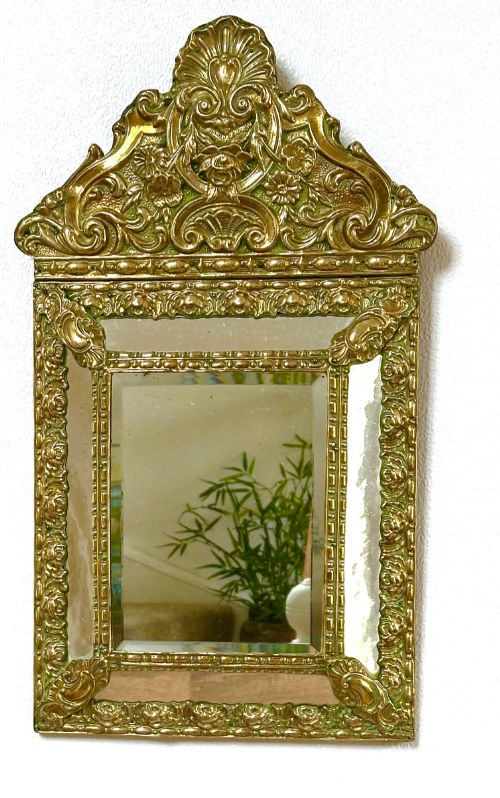
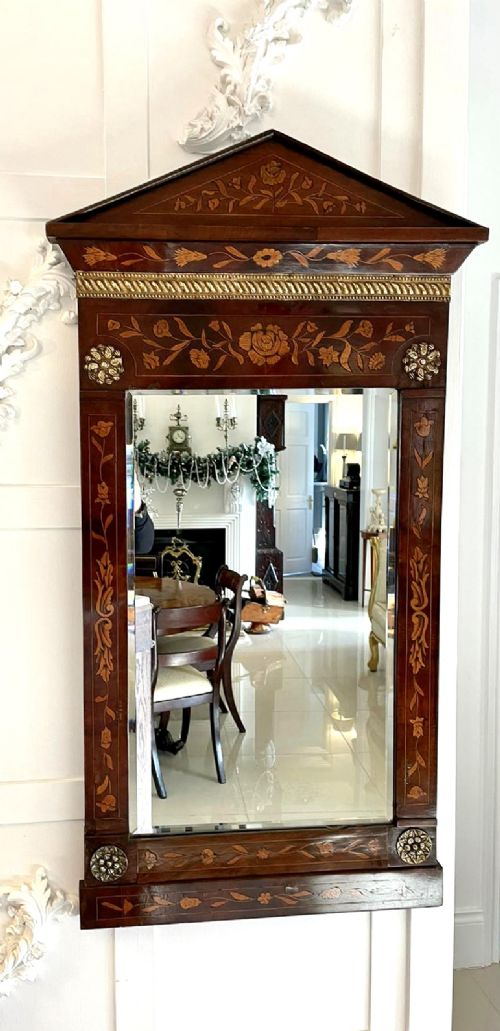
The version you meet most often on this page is the marquetry-inlaid dressing table swing mirror or the wall-hanging glass in mahogany, walnut and fruitwood. Alongside these wood-framed pieces appear brass cushion-framed examples and embossed metal panels characteristic of seventeenth- and eighteenth-century Flemish and Dutch taste.
Makers and craftsmen utilised dense floral marquetry, often featuring birds and urns, set into rich brown timbers. Pier glasses and cabinet-topped dressing tables also appear in the record, showing how these reflective pieces formed part of larger domestic furnishings.
How they were made
Cabinetmakers constructed the wooden frames from mahogany, walnut, fruitwood and ebonised wood, applying intricate marquetry veneers of lighter woods to create floral and scrollwork designs. These veneers were meticulously hand-cut and fitted into the primary timber body.
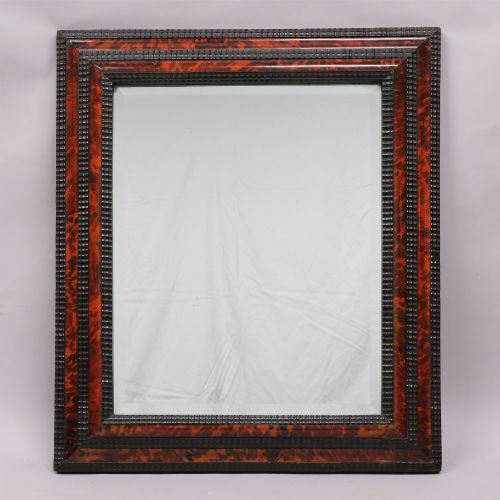
Metal frames relied on brass, often embossed, repoussé or pressed into deep cushion profiles that caught the candle and daylight. Ebonisation and gilding were also employed to give depth and contrast to cushion mouldings and ripple frames.
Antique Dutch Mirror Retail Price Guide 2026
Typical asking prices for dutch mirror among the pieces listed under this phrase on Sellingantiques today, from the lower quarter to the upper quarter. They describe what is for sale here now, not the wider market.
Some dressing mirrors include tiny concealed drawers for hiding love letters.
What varies in quality
Quality rests in the crispness and complexity of the marquetry inlay and the depth of the timber mouldings. Finer examples display subtle shading in the inlaid woods and heavy, well-figured mahogany or walnut bases.
Metal-framed pieces are distinguished by the hand-chased detail of the repoussé brass and the weight of the cushion frame. The survival of original glass plates and unpolished patination marks the higher tier of these mirrors.
The Antique Dutch Mirror Glossary
- Marquetry
- Decorative veneer work formed by fitting pieces of various coloured woods together to create pictorial designs on a furniture surface. It defines the surface pattern of many floral-inlaid wall and dressing mirrors.
- Cushion frame
- A broad, rounded frame profile swelling outwards towards the outer edge, typical of seventeenth- and nineteenth-century mirrors. This shape catches the ambient light and adds visual weight to the glass.
- Pier glass
- A tall mirror designed specifically to hang on the wall space between two windows. These large glasses often sat above console tables or piers in formal reception rooms.
- Repoussé
- Metalworking technique where a design is hammered into relief from the reverse side of the sheet. It creates the raised floral and figural motifs found on brass mirror frames.
- Swing mirror
- A tabletop glass mounted on side pivots between two upright supports, allowing the plate to tilt. Also known as a toilet mirror or dressing table mirror.
Antique Dutch Mirror: Frequently Asked Questions
Where should I hang a dutch mirror?
These mirrors suit hallways, living rooms and dressing spaces where their reflective glass and detailed frames can catch natural light. Wall-hanging versions anchor well above sideboards or console tables.
Tabletop swing mirrors find a natural home on dressing chests and side tables. Their proportion allows them to sit comfortably in both traditional and contemporary interiors without dominating the wall.
How do I tell an 18th century mirror from a 19th century one?
Eighteenth-century examples often feature tighter marquetry patterns, specific fruitwood combinations and older glass plates with subtle surface distortions. Construction joints and timber selection offer further clues to their age.
Nineteenth-century revival pieces, including Victorian and Edwardian interpretations, frequently adopt heavier cushion profiles or machine-assisted brass embossing. Examining the backboards and fixings helps clarify the period of manufacture.
What is a cushion framed mirror?
A cushion framed mirror has a convex, swelling border that slopes outward from the glass plate to the outer edge. This bulbous profile creates strong shadow lines and reflects light dynamically across the room.
Craftsmen built these frames in wood, often ebonised or gilt, as well as in embossed brass. The style draws on seventeenth-century European traditions that favoured architectural, sculptural wall furniture.
How do I care for antique wood and brass frames?
Keep wooden marquetry frames away from direct sunlight and sudden temperature changes to protect the delicate veneers. A light application of microcrystalline wax preserves the finish without building up residue.
Brass frames benefit from gentle dusting with a dry cloth to maintain their patination. Avoid harsh chemical cleaners that strip the historic surface of the metal.