

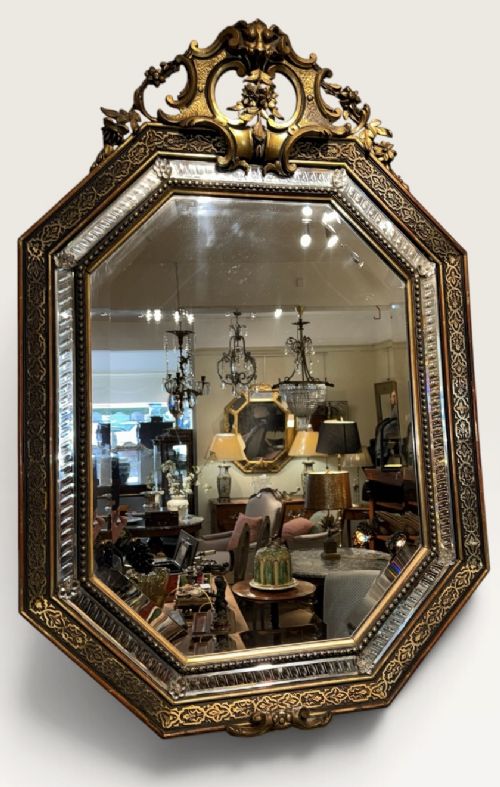
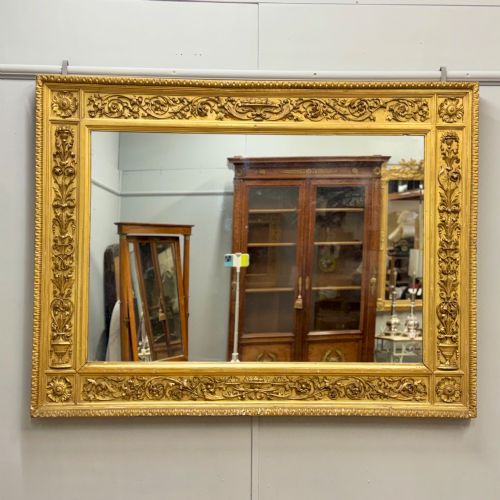

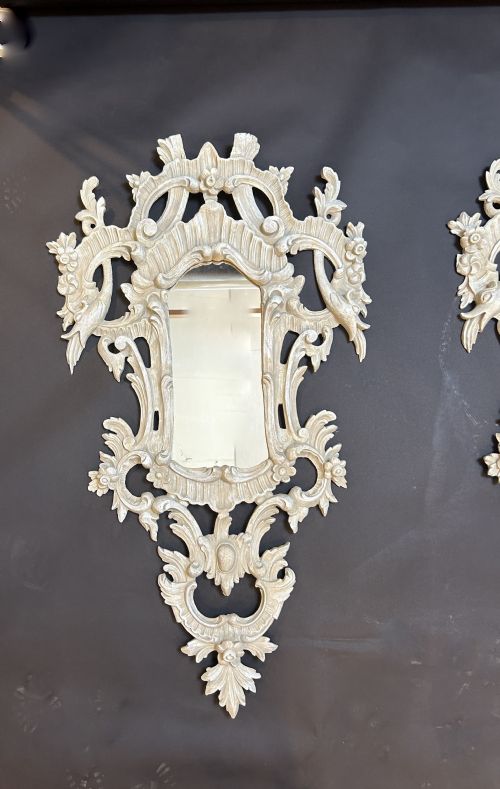


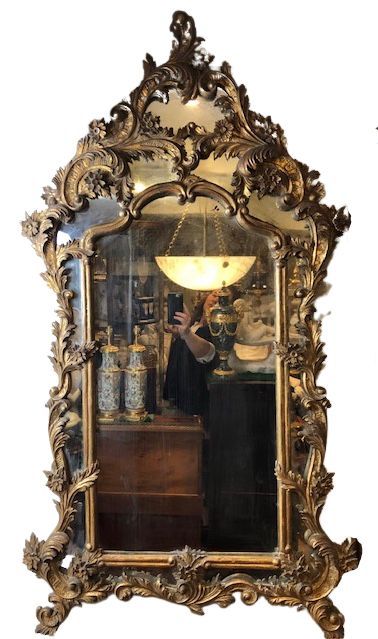


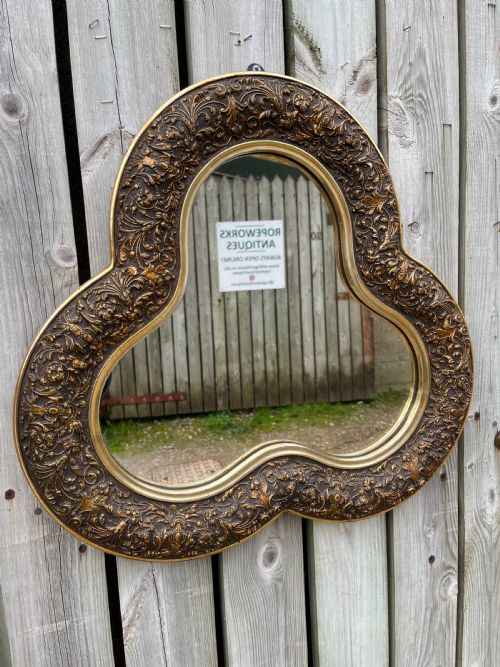
Continental Wall Mirror
A continental wall mirror brings centuries of European craftsmanship and dramatic proportion into a room, offering both practical reflection and striking architectural presence.
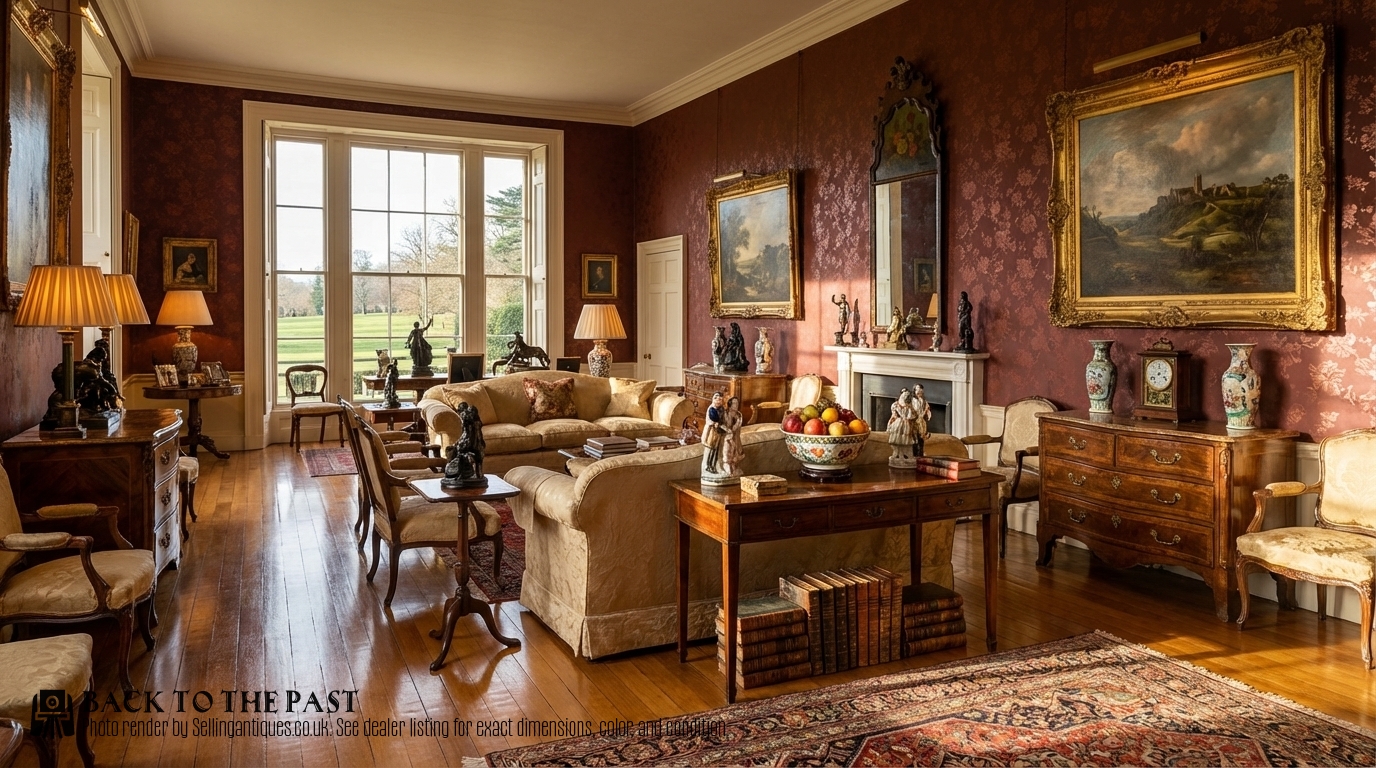
Continental Wall Mirror
A continental wall mirror encompasses pieces sourced from across Europe, frequently arriving in styles such as Italian Rococo, Baroque Revival, and Biedermeier. These items serve primarily as focal points above mantelpieces or console tables, commanding attention through sheer scale and decorative ambition.
The most common examples encountered on this page date from the nineteenth and eighteenth centuries, executed in formats ranging from grand pier mirrors to cartouche-shaped wall pieces. Buyers often find themselves drawn to the rich regional variations, whether in the restrained warmth of Biedermeier birch or the exuberant carved detail of Italian giltwood.
Object types frequently include traditional wall mirrors, pier glasses, and occasionally associated console tables designed to sit beneath them. Each piece reflects the aesthetic preferences of its specific European origin, spanning Dutch painted walnut to Italian carved gilt.
Materials and construction methods
Construction relies heavily on carved wood, giltwood, and gesso, often paired with traditional mirror glass and applied paint or ebonising. Artisans shaped these materials using hand-carving techniques, building up intricate gesso ornamentation before applying gold leaf or decorative paint finishes.
Specialised finishes such as faux tortoiseshell, flame mahogany, and pressed brass appear across the inventory, demonstrating diverse European cabinetmaking traditions. Pier mirrors and marginal mirror designs incorporate segmented or repousse glass plates held securely within robust timber frames.
Continental Wall Mirror Retail Price Guide 2026
Typical asking prices for continental wall mirror among the pieces listed under this phrase on Sellingantiques today, from the lower quarter to the upper quarter. They describe what is for sale here now, not the wider market.
Some mirrors sport faux tortoiseshell finishes so convincing they might trick a passing reptile.
Assessing quality in continental wall mirrors
Quality reveals itself in the depth and crispness of the hand-carved detail on giltwood and carved wood frames. Superior examples display fluid, confident asymmetry in Rococo forms and meticulous execution in painted or ebonised surfaces.
The integrity of the original mirror glass and the harmony between the frame and its period finish dictate the standing of a piece. Finer items retain their original gilding and structural cohesion without heavy modern intervention.
The Continental Wall Mirror Glossary
- Giltwood
- Wood that has been coated with a thin layer of gold leaf. This finish is characteristic of high-status eighteenth and nineteenth-century decorative frames.
- Pier mirror
- A tall mirror designed specifically to hang on the wall space between two windows, frequently positioned above a matching console table.
- Cartouche form
- An ornamental frame design resembling a rolled-up piece of paper or a parchment scroll with unfurled edges. It is a defining feature of Rococo decorative arts.
- Biedermeier
- A central European style dating from the early nineteenth century favouring clean lines, utility, and the natural grain of timbers like birch and mahogany.
- Repousse
- A metalworking technique in which a malleable sheet of metal is hammered from the reverse side to create a raised design in relief.
Continental Wall Mirror: Frequently Asked Questions
Are these mirrors all from the same country?
These pieces originate from various European regions, notably Italy, the Netherlands, and Germanic areas influenced by the Biedermeier movement. Each region imparted distinct regional aesthetics and cabinetmaking techniques.
Style descriptors in the listings usually indicate the specific design origin or period interpretation of the piece.
How should I clean an antique mirror glass?
Clean mirror glass gently using a soft microfibre cloth and a mild, ammonia-free glass cleaner applied to the cloth rather than directly onto the glass. This prevents moisture seeping behind the silvering.
Avoid abrasive materials and harsh chemical sprays that might damage both the historic glass surface and the surrounding frame finish.
What is a pier mirror used for?
A pier mirror was historically hung on the narrow wall between windows to reflect natural light deeper into a room. They were frequently paired with console tables placed directly underneath.
In modern interiors, they continue to function effectively in hallways or narrow spaces where vertical height is advantageous.
How do I identify a Rococo style mirror?
Rococo mirrors feature asymmetrical scrolls, C-scrolls, naturalistic shell motifs, and elaborate cartouche forms. The carving appears organic, flowing, and deeply theatrical.
Originating in eighteenth-century Italy and France, this aesthetic saw significant revivals during the nineteenth century.