
Trumeau Wall Mirror
A trumeau wall mirror brings architectural presence to a room, combining vertical glass and decorative panels to anchor period interiors.
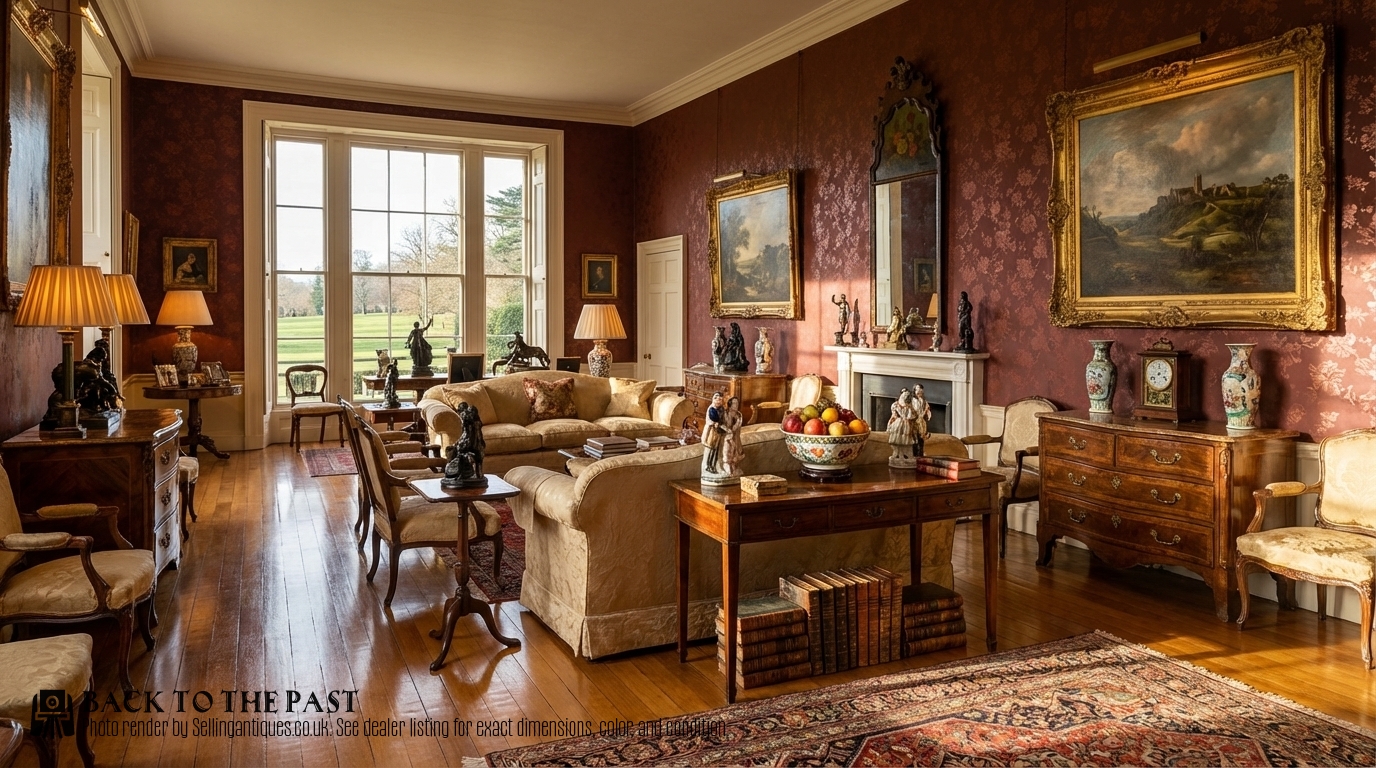
Trumeau Wall Mirror
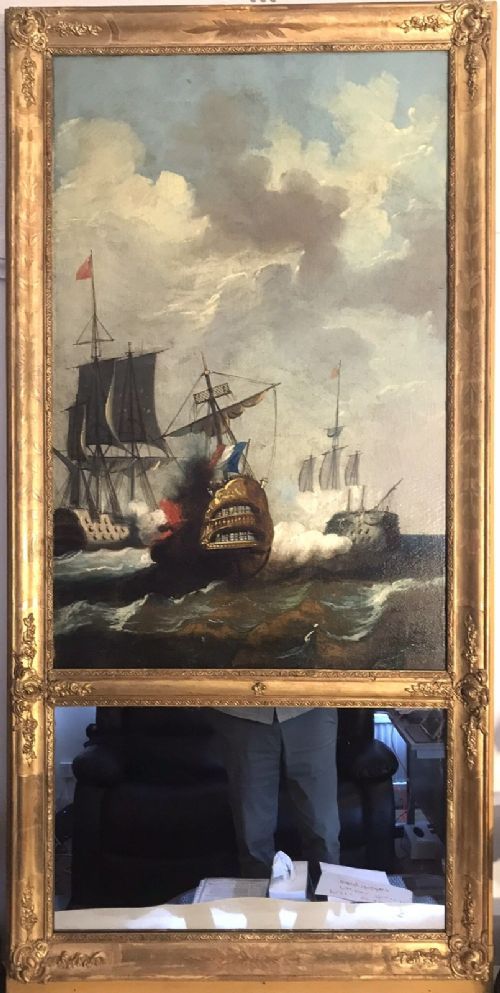
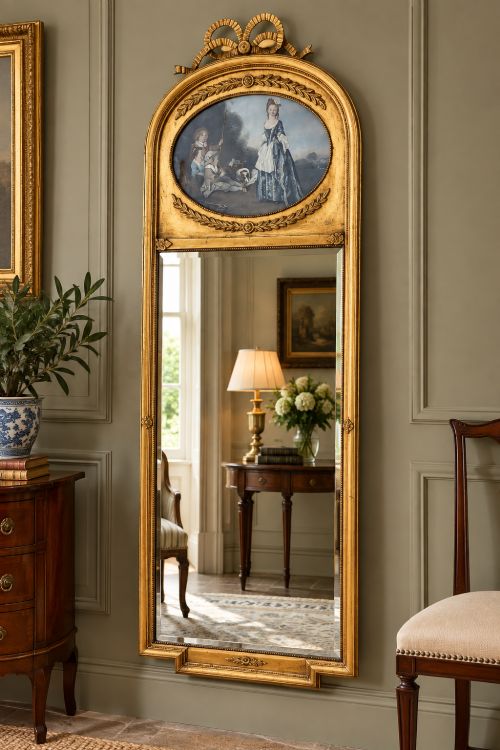
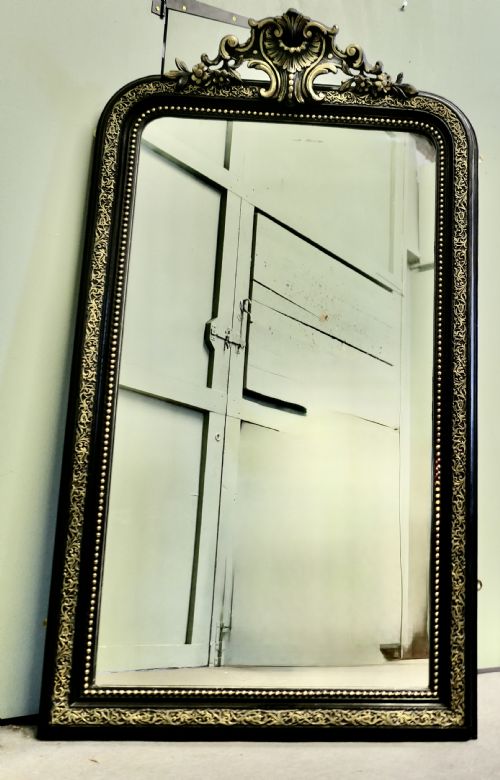
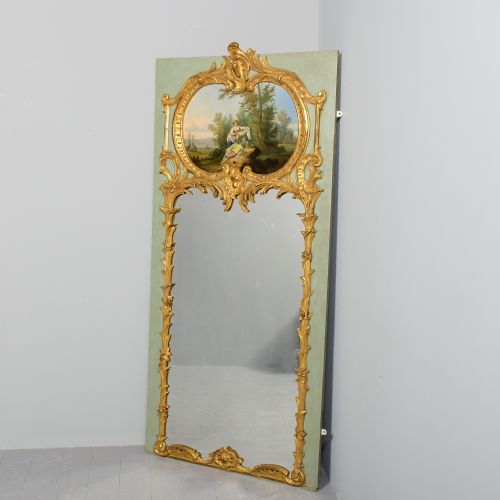
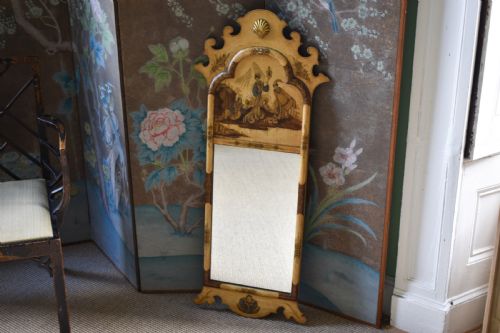
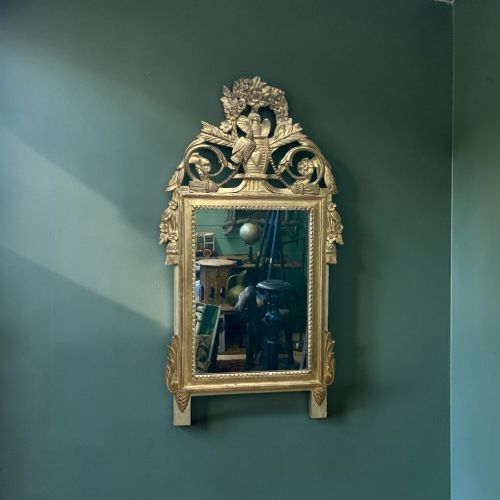
A trumeau wall mirror unites a vertical looking glass with an upper panel, fulfilling the traditional role of a pier or overmantel glass between windows or above a fireplace. These pieces emerge in styles ranging from Regency and French Empire to Louis XVI and Queen Anne Revival.
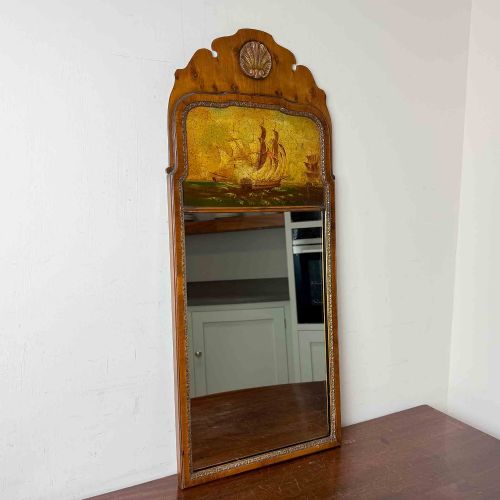
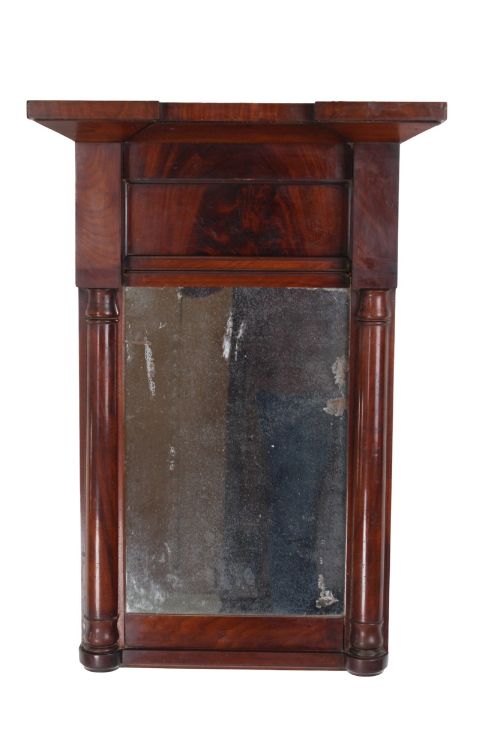
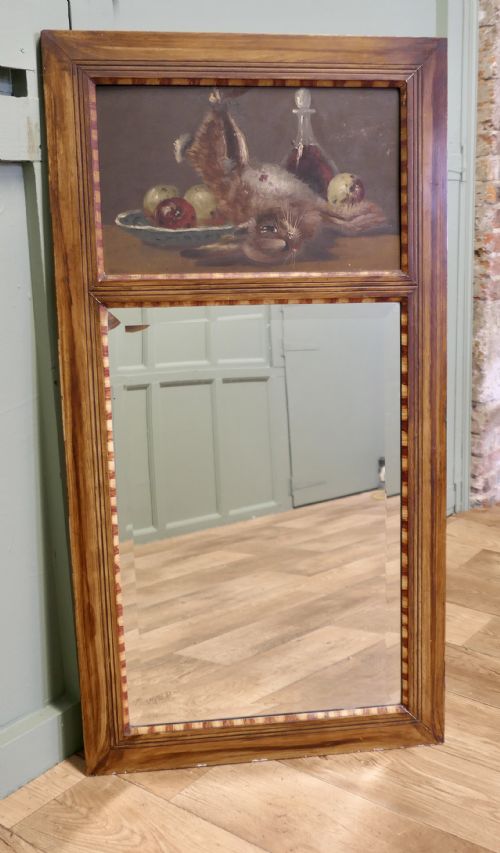
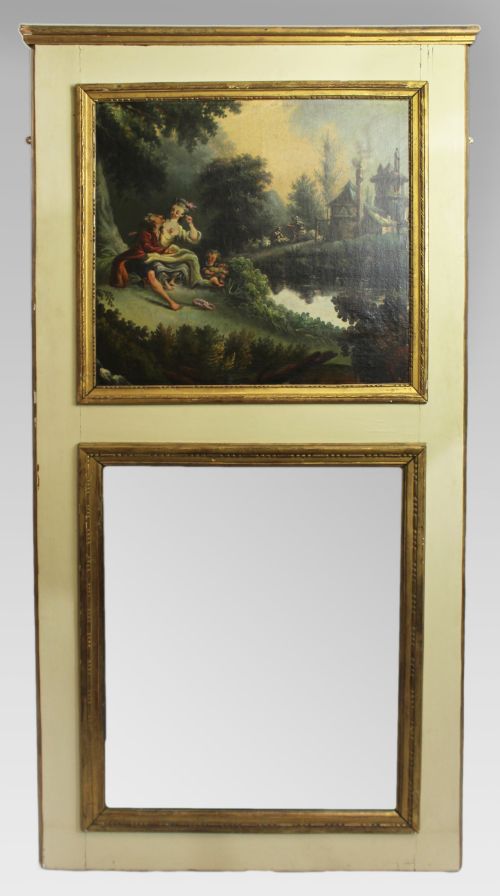
The format frequently incorporates oil paintings depicting seascapes, pastoral scenes, or equestrian subjects, alongside decorative verre églomisé panels. French chateau and provincial origins dominate, appearing alongside English interpretations in mahogany, walnut, and yew wood.
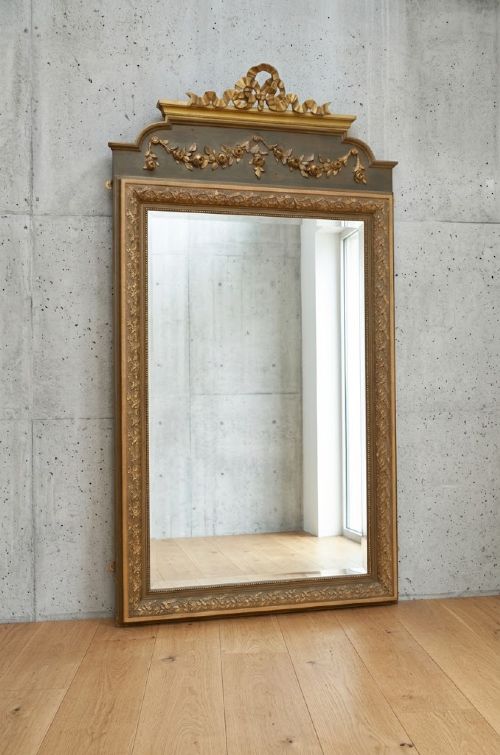
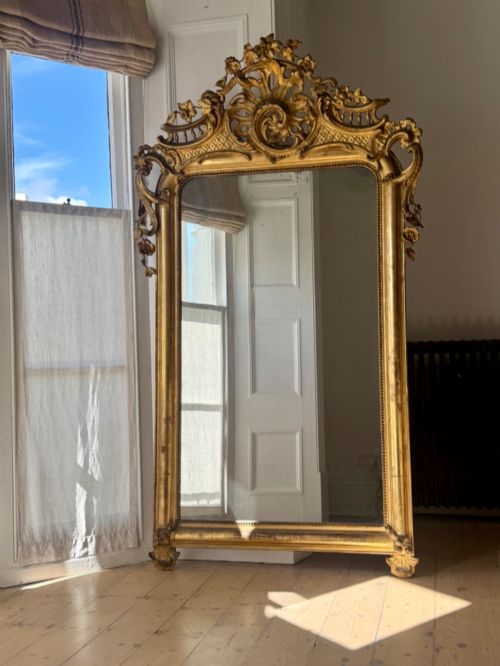
Surviving examples span the eighteenth, nineteenth, and early twentieth centuries, retaining their original proportions and decorative schemes. Buyers encounter everything from tall giltwood pier mirrors to painted panels with ribbon crests.
How they were made
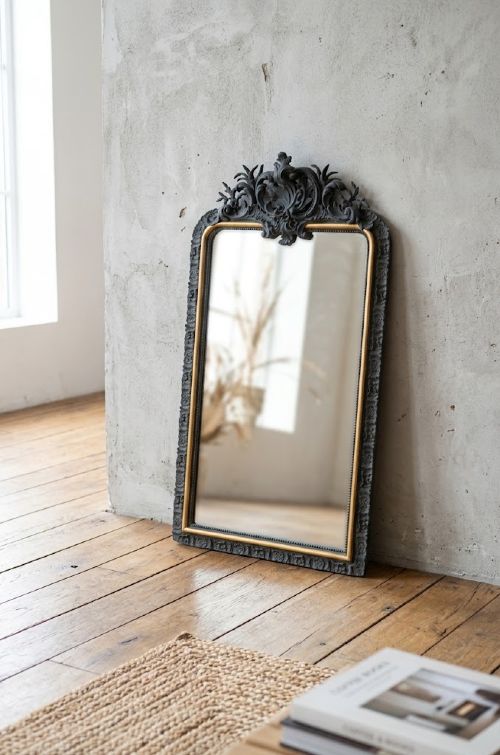
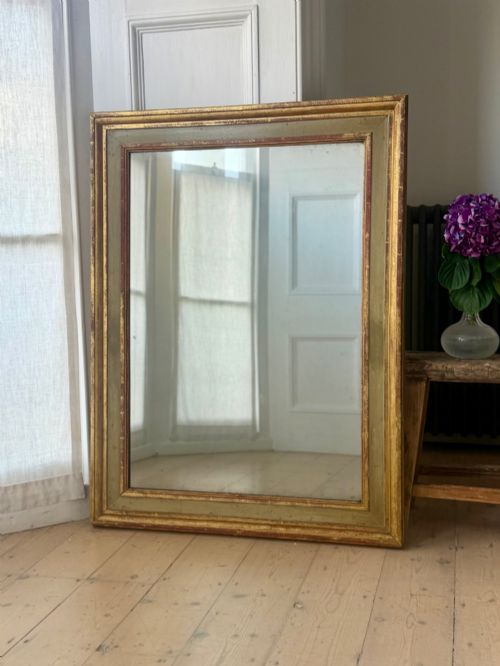
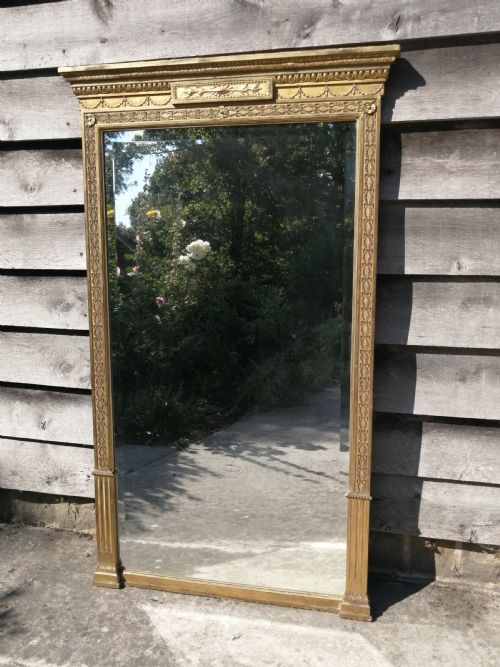
Makers shaped these frames from wood, gesso, and giltwood, applying hand-carved details such as lion masks and classical columns. Painted wood surfaces often combine gilding with olive green, black gold, or white finishes.
Mirror plates frequently consist of mercury glass, set beneath upper panels of canvas, oil paint, or reverse-painted glass known as verre églomisé.
Trumeau Wall Mirror Retail Price Guide 2026
Typical asking prices for trumeau wall mirror among the pieces listed under this phrase on Sellingantiques today, from the lower quarter to the upper quarter. They describe what is for sale here now, not the wider market.
Listings feature materials such as oil paint, canvas, gesso, and mercury glass across 18th, 19th, and early 20th-century periods.
What varies in quality
The depth of carving and the crispness of the giltwood or gesso ornamentation dictate the visual impact of the frame. Grand scale pieces with intricate detailing separate standard wall mirrors from finer statement items.
The retention of original mirror plates and untouched upper oil paintings or verre églomisé panels elevates the historical integrity of the piece.
The Trumeau Wall Mirror Glossary
- Trumeau
- A decorative architectural mirror incorporating an upper panel fitted with a painting or glass plate. This form originated in France for placement between windows.
- Verre églomisé
- A cold decoration technique involving gilding and painting on the reverse side of glass. It appears frequently in upper panels of Regency mirrors.
- Mercury glass
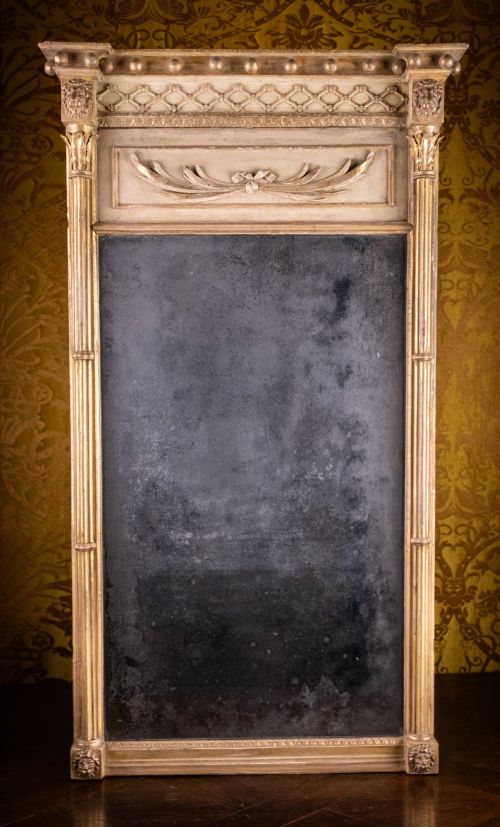
- An early type of mirror plate produced by pouring a mercury and tin amalgam behind glass. It creates a distinctive, mottled reflection found in eighteenth and nineteenth-century examples.
- Giltwood
- Timber coated with fine gold leaf applied over a prepared gesso ground. This material defines the opulent appearance of French Empire and Louis XVI frames.
- Pier glass
- A tall mirror designed specifically to hang on the narrow wall space between two windows. These pieces often match console tables positioned below them.
Trumeau Wall Mirror: Frequently Asked Questions
Where should a trumeau mirror be hung?
These mirrors suit placement above a fireplace mantel or upon a prominent wall between two windows. Their vertical proportions draw the eye upward and reflect light across the room.
Ensure the wall construction supports the considerable weight of timber, gesso, and glass frames, particularly on grand scale 19th-century examples.
What is the difference between a pier mirror and a trumeau?
A pier mirror specifically designates a glass designed for the wall space between windows, whereas a trumeau incorporates a distinct upper panel containing a painting or decorative glass.
Many trumeau mirrors also function as pier mirrors or overmantels, depending on their proportions and original architectural placement.
Are the oil paintings in the upper panels original?
Many pieces retain their original oil paintings depicting pastoral scenes, maritime views, or galleons at sea. These works were executed specifically to fit the upper architectural compartment of the mirror.
Close inspection reveals how the canvas or panel integrates with the surrounding frame construction and period appropriate ageing.
How do you identify mercury glass?
Mercury glass displays a characteristic deep, slightly uneven reflectivity with small dark crystalline inclusions behind the glass. This appearance results from the historic amalgamation process used before modern silvering techniques.
Original plates often show softening and foxing around the edges where time has affected the backing.