
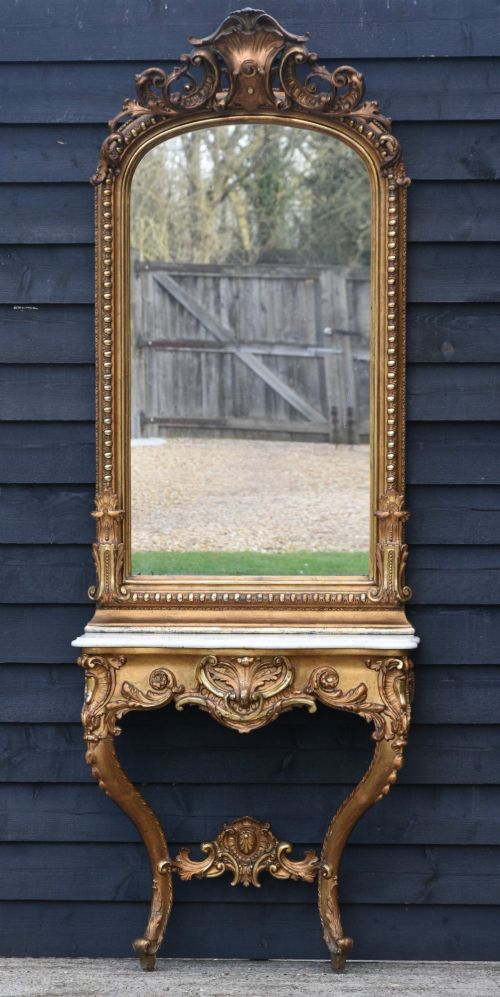
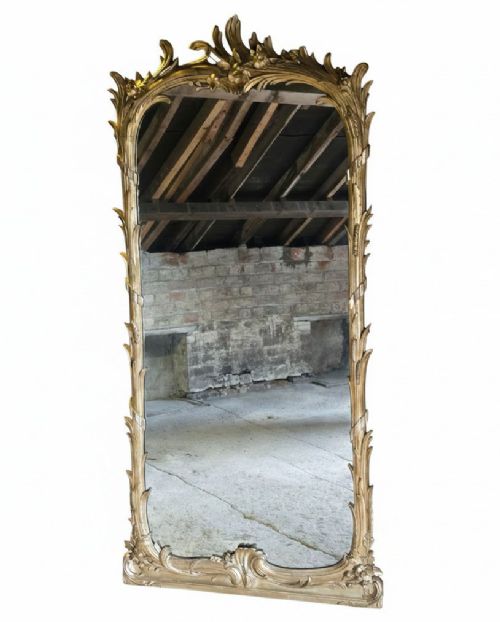
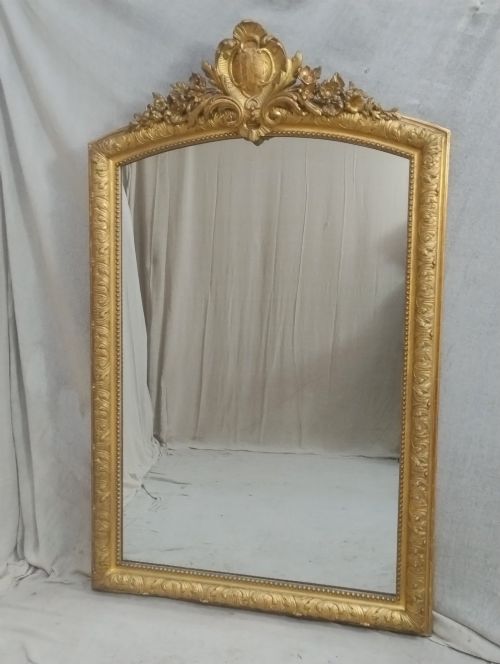
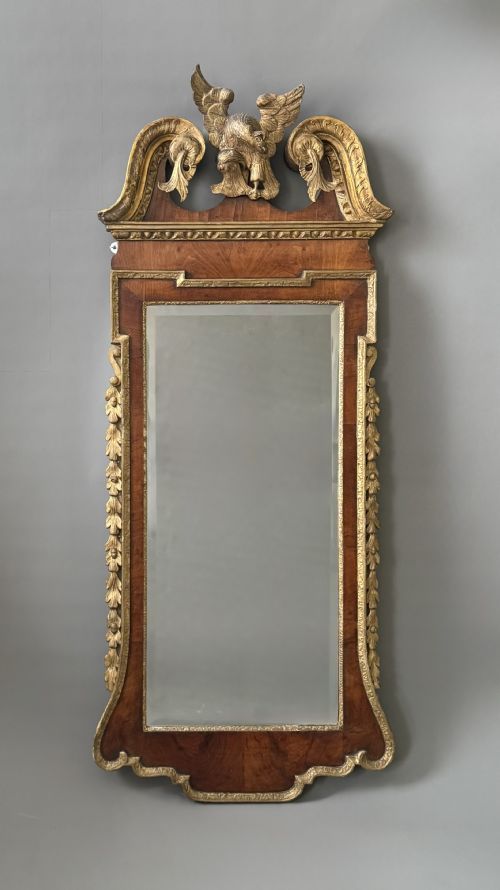
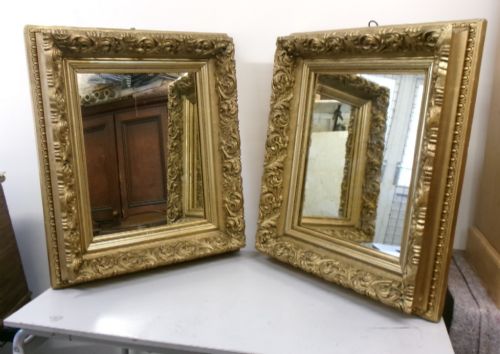

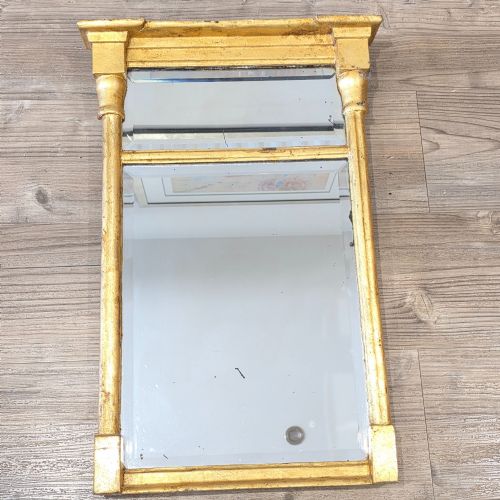
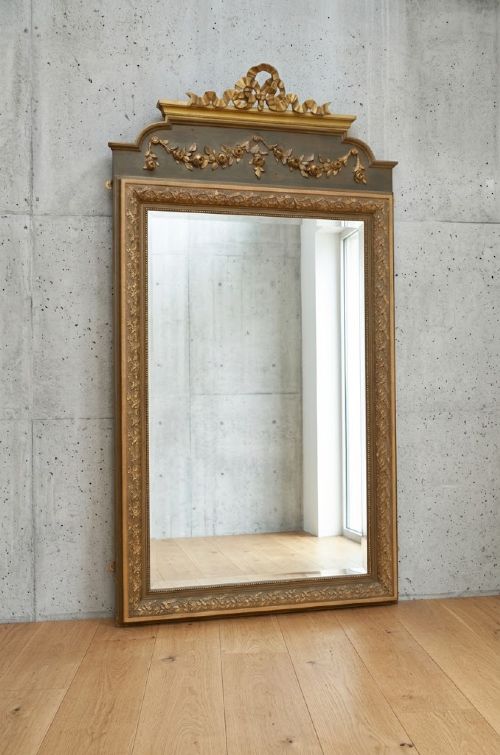
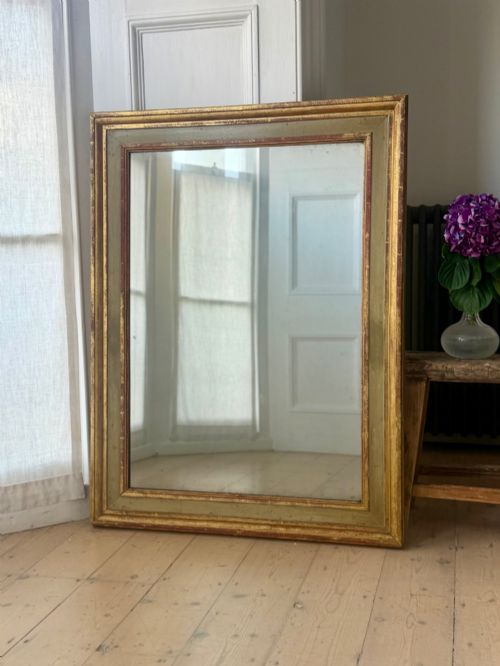
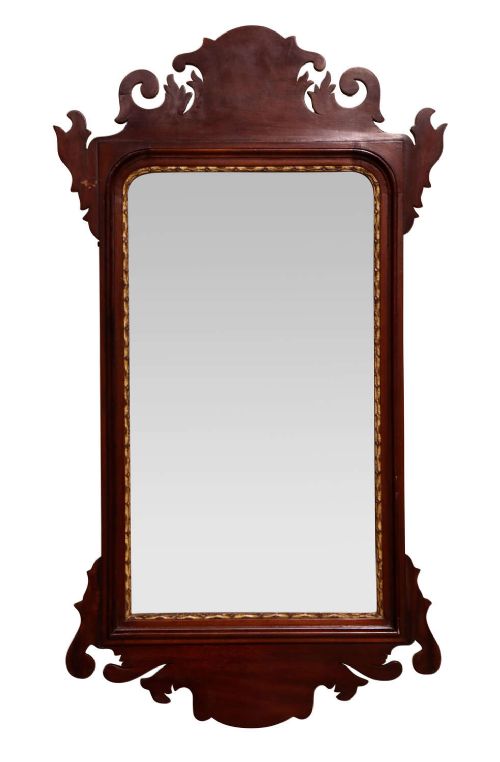
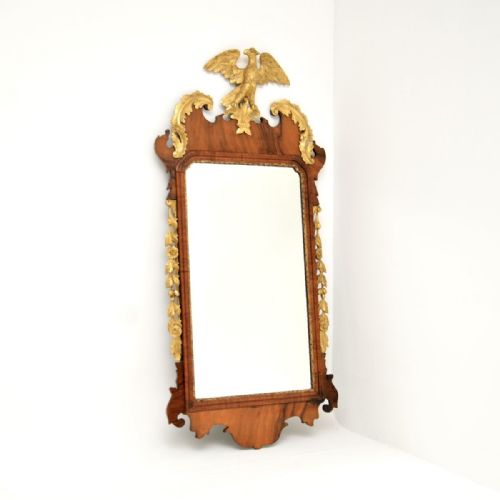
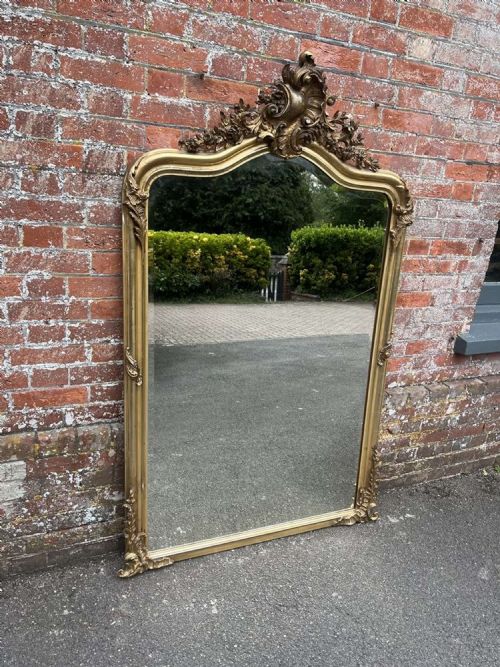
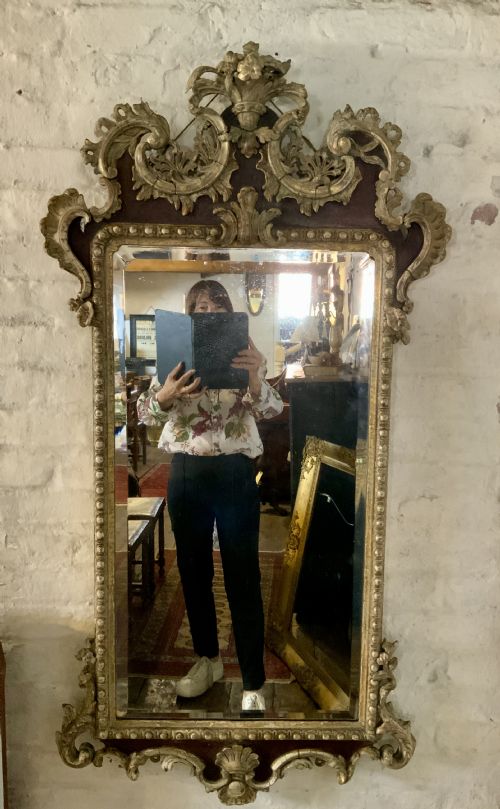
Gilt Wood Pier Mirror
A gilt wood pier mirror brings height, light, and architectural presence to a room, historically designed to hang between windows.
Gilt Wood Pier Mirror
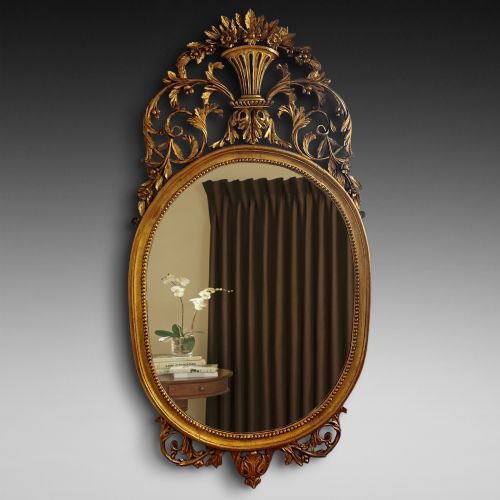
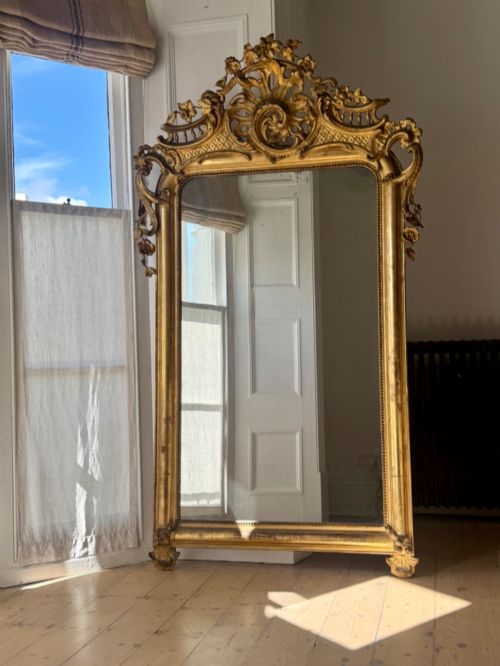
A gilt wood pier mirror is a vertical wall glass designed specifically to occupy the narrow wall space between windows or above a low console table. These pieces range from grand nineteenth-century French and Italian architectural frames to restrained eighteenth-century English Georgian designs.
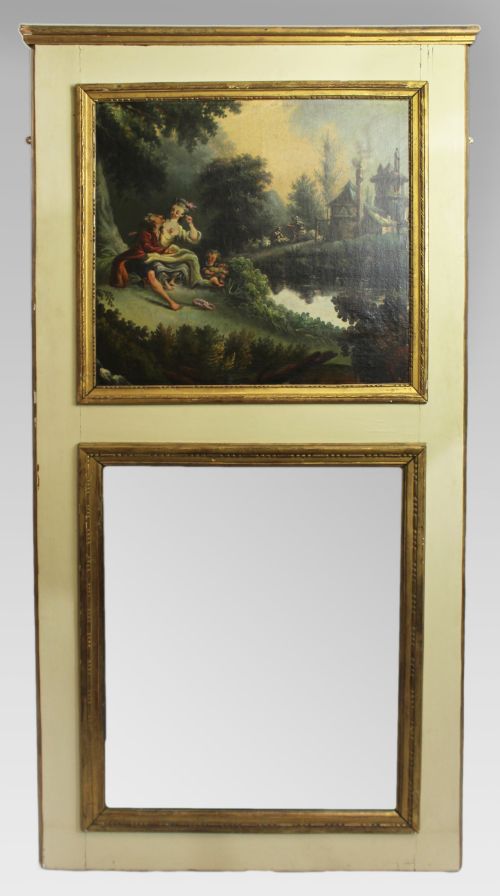
The selections available span periods from the early eighteenth century through the Victorian era and the Edwardian years. Tall proportions, carved crests, and gilded surfaces dominate the forms recorded in this collection.
How they were made
Makers constructed the foundational frames primarily from timber such as pine, walnut, or mahogany, applying layers of gesso to build up intricate low-relief ornamentation before gilding. Craftsmen utilised gold leaf or applied metal leaf over the prepared surfaces to achieve a luminous metallic finish.
Mirrors often feature original mercury glass plates, which display characteristic foxing, or later silvered replacements. Specialised techniques such as verre églomise panels and reverse cut plates frequently appear in the upper sections of Regency and Georgian examples.
Gilt Wood Pier Mirror Retail Price Guide 2026
Typical asking prices for gilt wood pier mirror among the pieces listed under this phrase on Sellingantiques today, from the lower quarter to the upper quarter. They describe what is for sale here now, not the wider market.
What varies in quality
Quality rests in the crispness and depth of the hand-carved wood and gesso ornamentation rather than moulded composition substitutes. Deep undercut foliage, defined scrolls, and robust structural joinery distinguish superior workshops from ordinary production.
The integrity of the reflective glass plate and the originality of the gilding surface heavily influence the character of the object. Surviving original mercury plates with natural age oxidation command greater interest than later clear replacements.
The Gilt Wood Pier Mirror Glossary
- Gesso
- A plaster-like mixture applied to wooden frames as a smooth base for subsequent gilding. Artisans carved intricate decorative motifs directly into this dried layer.
- Mercury glass
- An early mirror-making technique using a tin and mercury amalgam poured behind glass. This method produces a characteristic mottled reflection and dark spots known as foxing.
- Verre églomise
- A cold decoration technique where artists apply gold or silver leaf to glass and etch designs into the metal. It frequently appears in the frieze panels of Regency pier glasses.
- Pier glass
- A large mirror intended to hang on a pier, which is the solid masonry wall situated between two window openings. These glasses reflected additional daylight back into darkly panelled historic rooms.
- Parcel gilt
- A finishing method where specific carved details or raised ornaments are highlighted with gold leaf against a contrasting painted, ebonised, or wood background.
Gilt Wood Pier Mirror: Frequently Asked Questions
Where should I hang a pier mirror?
Historically, these mirrors hung on the narrow wall between two windows to bounce natural light deeper into a reception room. Today they work equally well above console tables, mantelpieces, or as full-length leaner mirrors in hallways.
Ensure the wall construction can safely support the considerable weight of a carved wooden frame and heavy glass plate. Secure heavy pieces using appropriate fixings anchored directly into wall studs or masonry.
What is the difference between an overmantel and a pier mirror?
Pier mirrors are traditionally taller and narrower, proportioned specifically to fit the vertical wall space between windows. Overmantel mirrors tend to be wider in format to span horizontally across the length of a fireplace opening.
Despite their original architectural placement, both forms share similar decorative vocabulary, framing techniques, and giltwood construction methods across the Georgian and Victorian periods.
How can I tell if the mirror glass is original?
Original mirror plates often exhibit foxing, which appears as dark spots, clouding, or uneven oxidation within the glass layers. Hand-beveled edges on older plates tend to be slightly irregular compared to the uniform machine bevels found on modern replacements.
Inspect the reverse of the frame to see if the retaining wooden panels and wedges appear undisturbed and contemporary with the age of the giltwood exterior.