
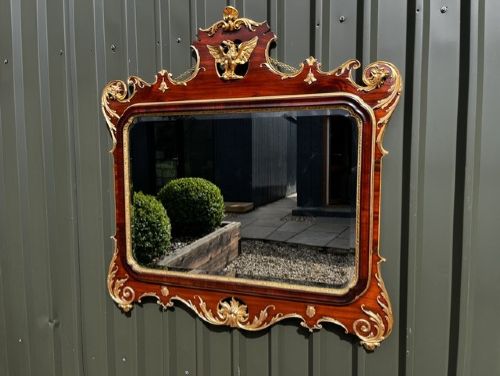
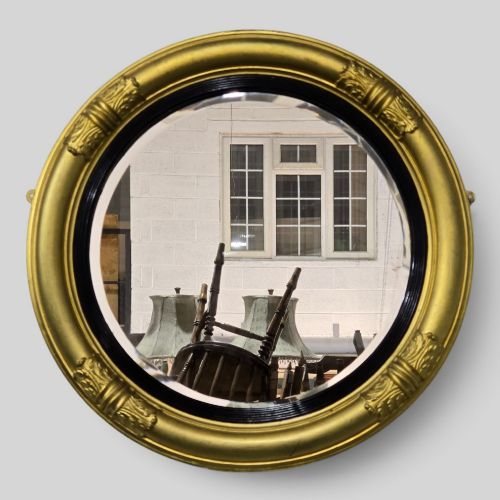
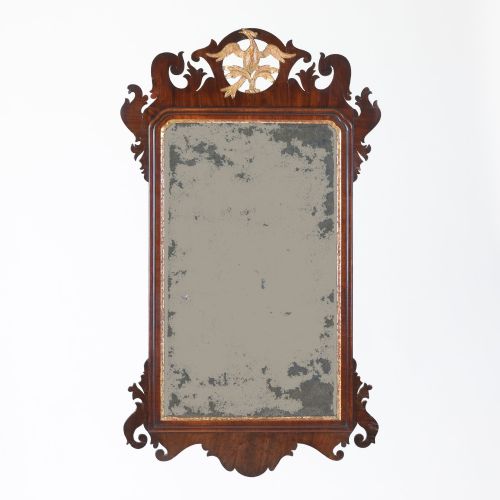
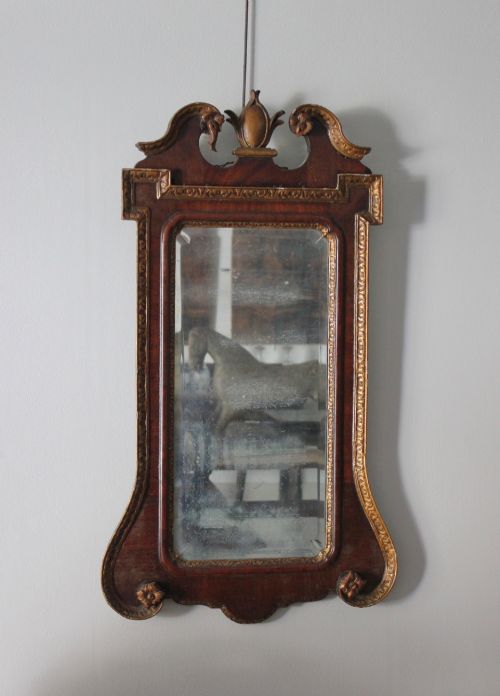
Georgian Style Gilt Mirror
A georgian style gilt mirror brings remarkable decorative presence to a room, channelling classical proportion through brilliant gilded surfaces.
What They Are
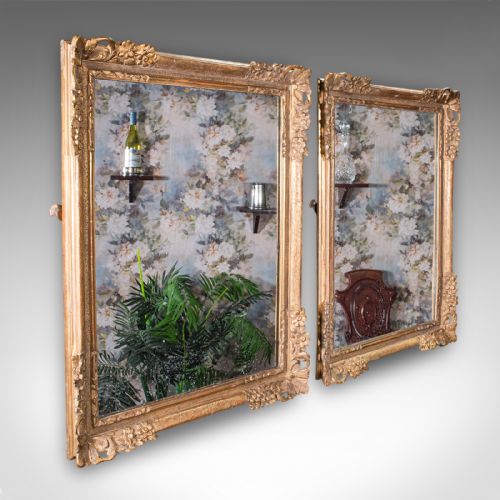
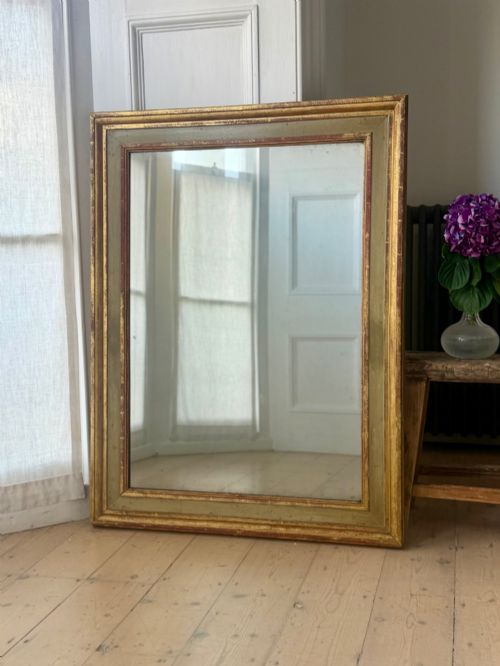
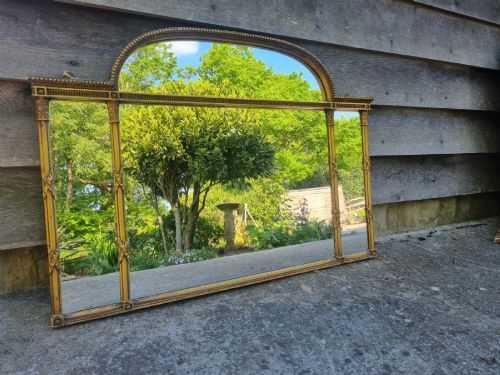
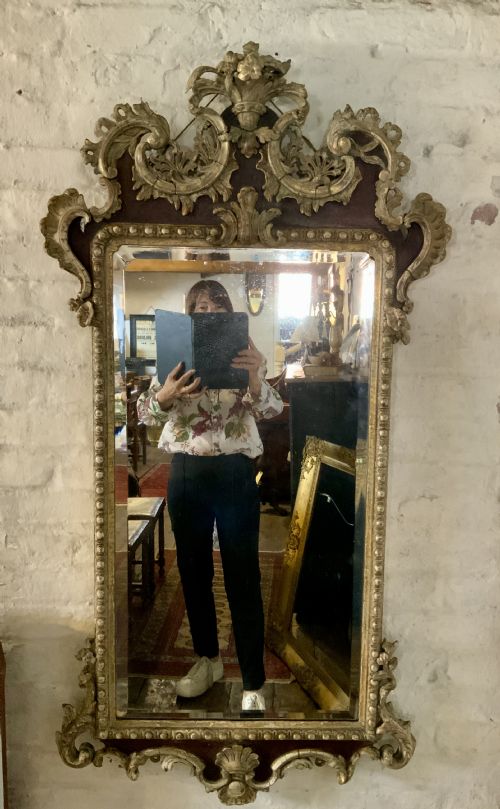
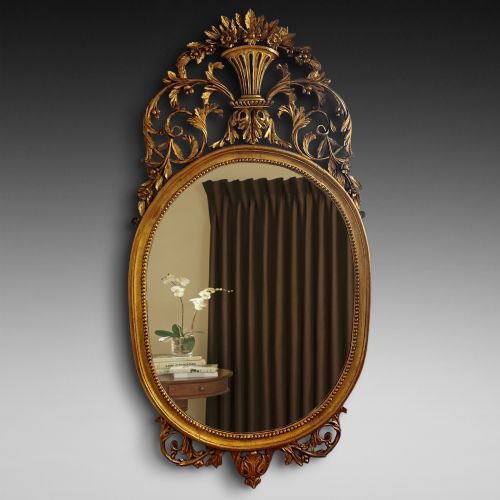
A georgian style gilt mirror is a wall hanging or overmantle piece designed to reflect light and enhance interior symmetry. The selection on this page encompasses eighteenth-century originals alongside nineteenth-century and early twentieth-century revivals.
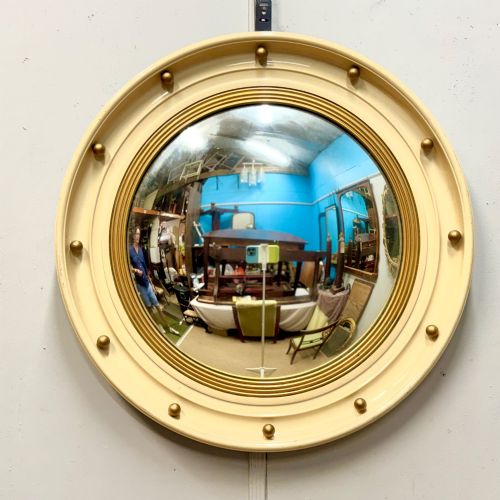
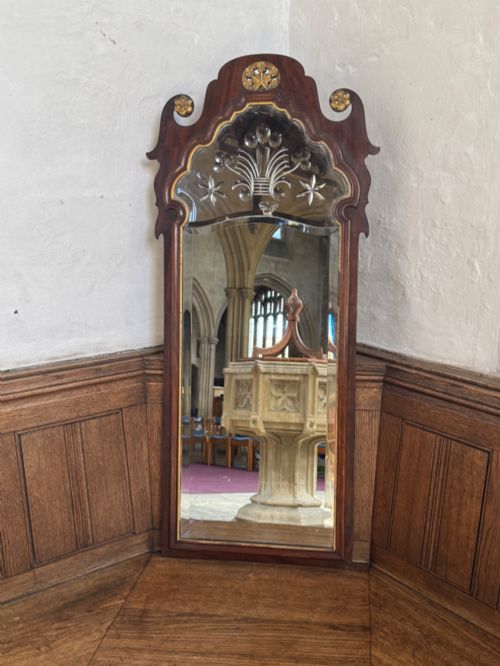
Makers drew on established ornamental repertoires, producing items that range from grand architectural wall mirrors to smaller portrait pieces. Forms encompass rectangular wall hangings, oval formats, and grand overmantle configurations.
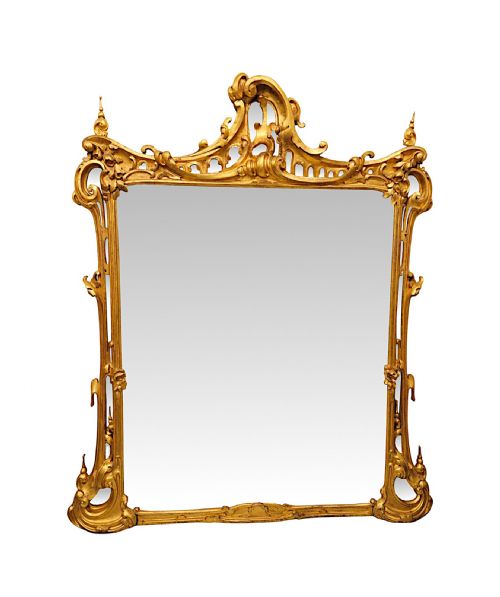
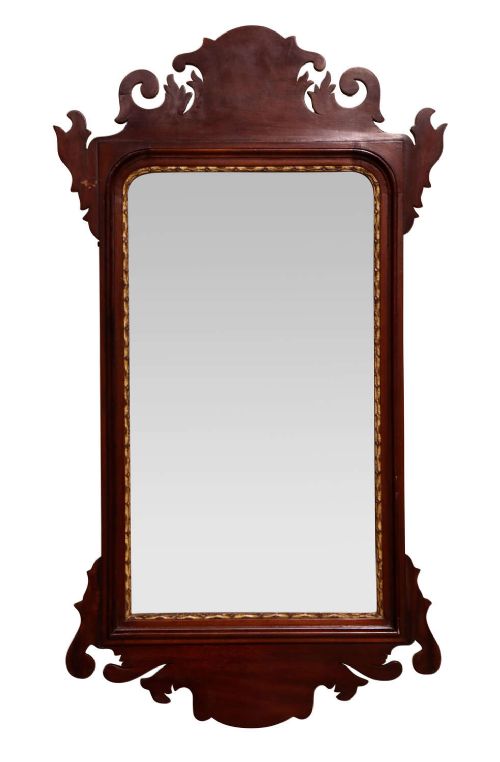
The aesthetic bridges several distinct movements, incorporating French neoclassical balance, rococo exuberance, and Chippendale fretwork details. Walnut and mahogany woods frequently form the base for parcel-gilt treatments alongside solid carved frames.
How They Were Made
Artisans constructed the foundation frames using carved wood, including gesso-prepared surfaces ready for gilding. Gold leaf was applied meticulously over bolus to achieve the characteristic metallic sheen.
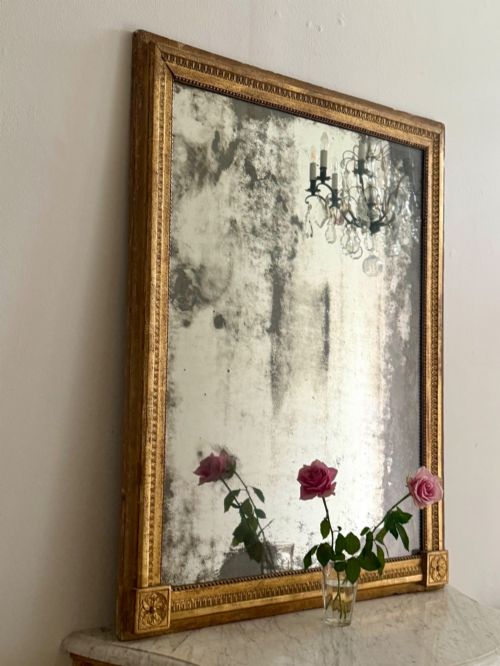
Glass production utilised mercury glass in early examples, resulting in distinct foxed plates with characteristic dark spotting. Later production shifted to standard silvered mirror plates set securely within the timber rebates.
Retail Price Guide 2026
Typical UK retail prices for georgian style gilt mirror, calculated from the Sellingantiques database of over a million retail prices indexed since 2003. This retail price guide relies exclusively on Sellingantiques data; no external sources or auction records are used, so the figures do not describe the wider market.
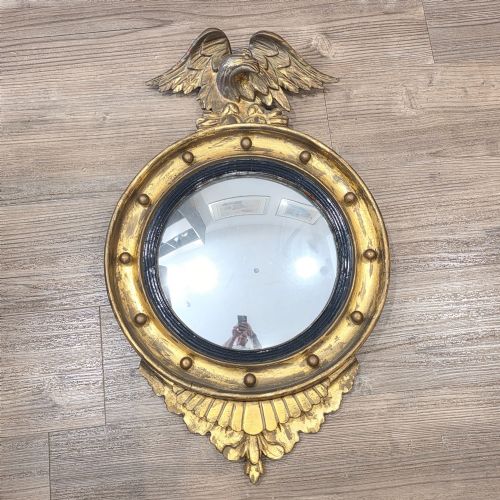
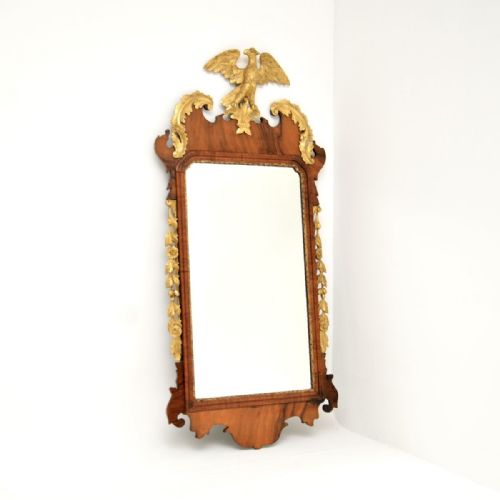
Keep an eye out for carved wooden birds perched atop the fretwork, ready to gaze down at their own reflections for centuries.
What Varies in Quality
The depth and definition of the wood carving dictate the visual impact of the piece, separating standard production from master craftsmanship. Crisp detailing in the foliage, scrollwork, and bird motifs indicates superior workshop execution.
The integrity of the original gilding and the preservation of antique glass plates heavily influence the character of the object. Subtleties in the application of gold leaf and the natural ageing of the reflective surface create depth absent in lesser examples.
The Georgian Style Gilt Mirror Glossary
- Giltwood
- Wood that has been coated with gold leaf or powder. This finish provides the bright metallic lustre characteristic of formal eighteenth and nineteenth-century interiors.
- Gesso
- A plaster mixture applied to wooden frames as a smooth base for gilding. It allows craftsmen to carve intricate relief ornamentation before applying the gold leaf.
- Mercury glass
- A double-walled glass blown with a silvering mixture inside. Older pieces often display foxing and dark spots due to the breakdown of the reflective backing.
- Parcel-gilt
- A decorative treatment where only specific portions of a wooden object are gilded. This technique highlights carved details against a contrasting dark wood ground such as walnut or mahogany.
Frequently Asked Questions
Where should I hang a large overmantle mirror?
These large pieces sit naturally above a fireplace mantelpiece where they anchor the room and draw the eye upward. They also function effectively on main reception room walls to amplify natural daylight.
Ensure the wall construction safely supports the substantial combined weight of the timber frame and glass plate. Secure fixings tied directly into wall studs provide the necessary stability.
How do I clean an antique gilt frame safely?
Dust the carved wooden surfaces gently using a very soft, dry brush to remove settled particles without disturbing the finish. Avoid all liquid cleaners, polishes, and commercial sprays which damage fragile gold leaf and gesso.
Take care around areas of old repair or flaking leaf where the material remains vulnerable. Professional conservation is advisable if the gilding shows active deterioration.
How do I identify mercury glass in a mirror?
Mercury glass typically exhibits uneven reflectivity with cloudy patches, bubbles, and dark foxing spots trapped between the glass layers. This mottled appearance develops naturally as the silvering degrades over long periods.
Modern replacement plates present a uniform, flawless reflection without historical blemishes. Original mercury plates provide an atmospheric, soft image rather than a sharp modern mirror view.