
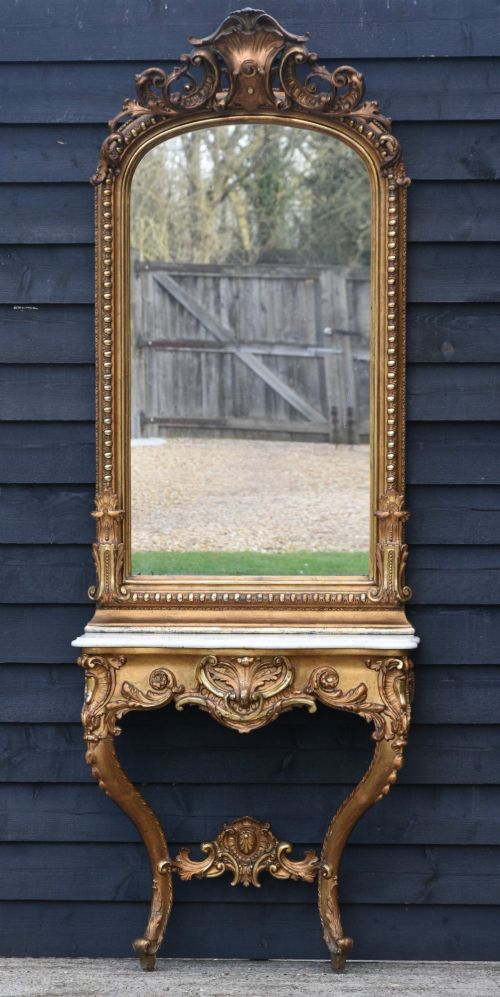
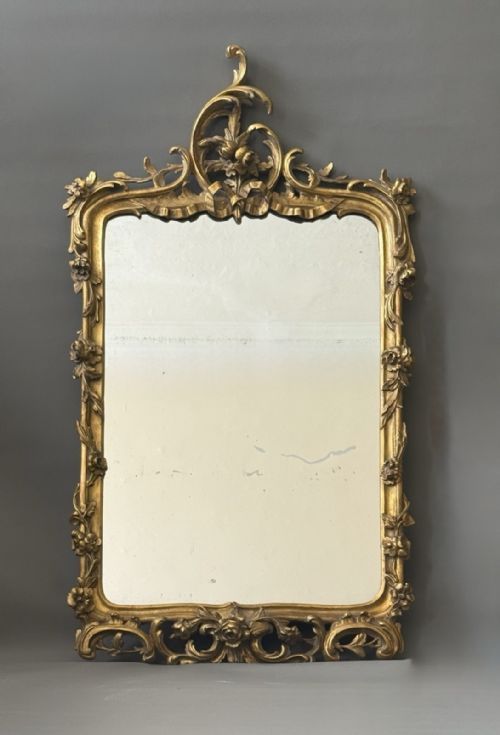
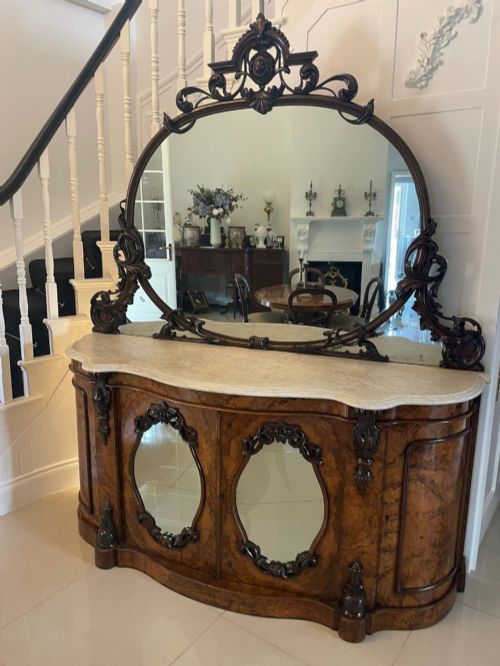
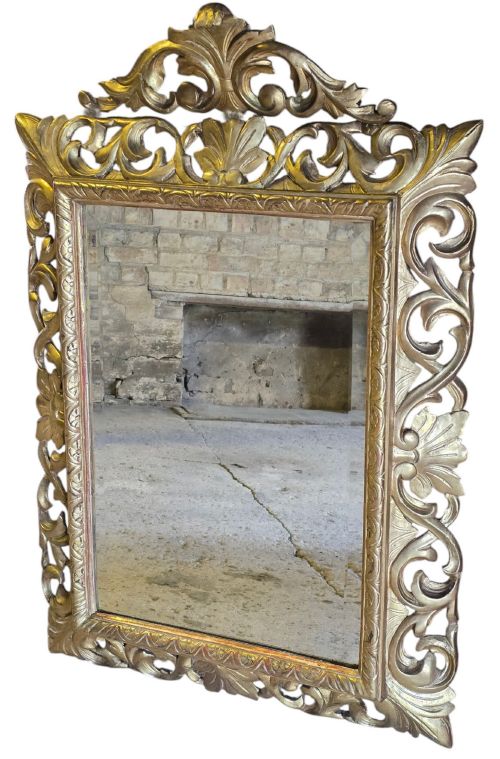


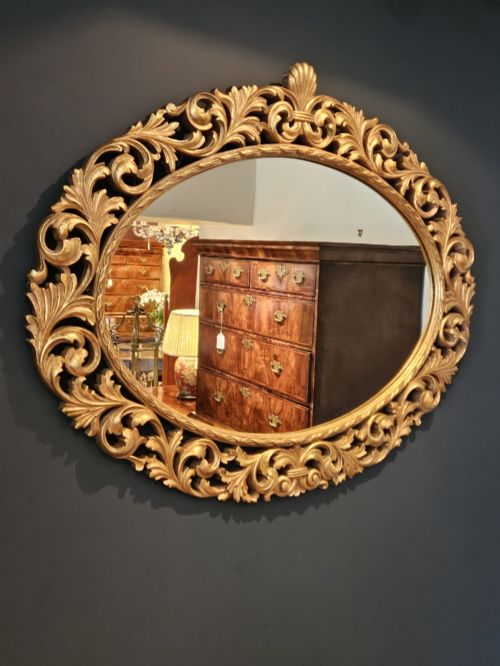
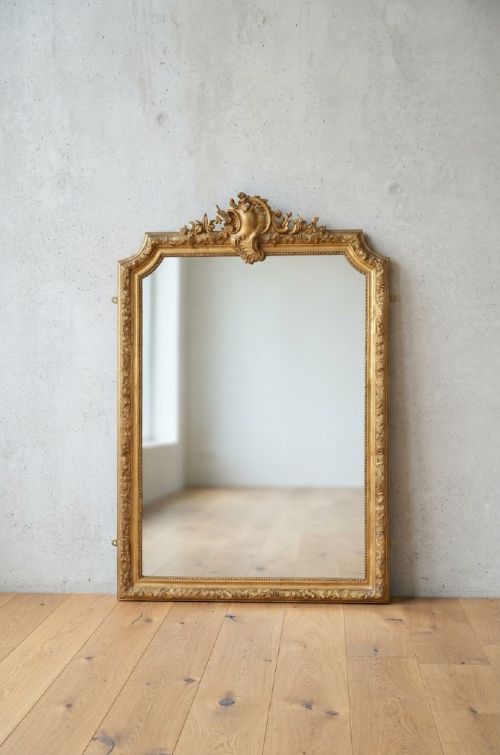
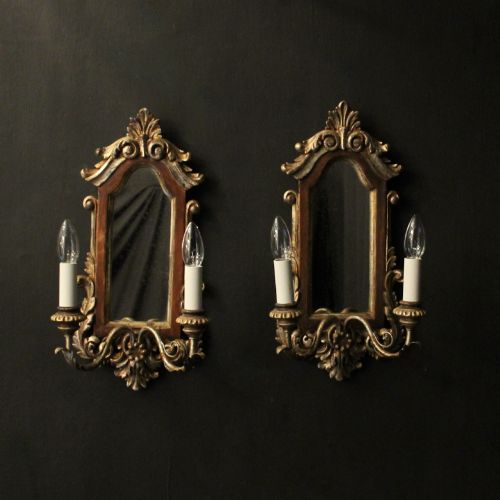
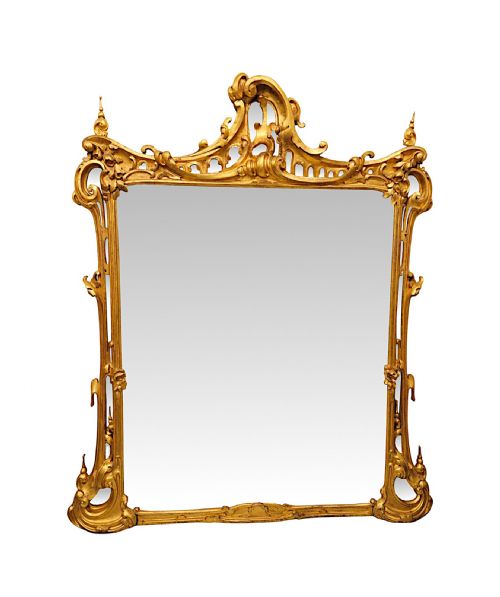
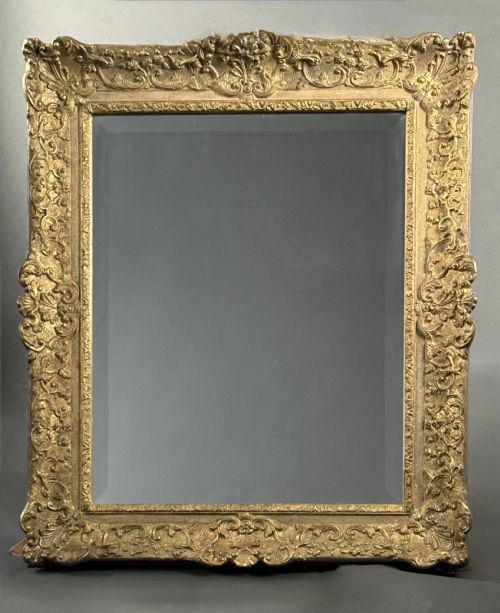
Rococo Carved Mirror
A rococo carved mirror brings flowing asymmetry and ornate natural motifs into a room, drawing the eye with lavish gilding and fluid frames.
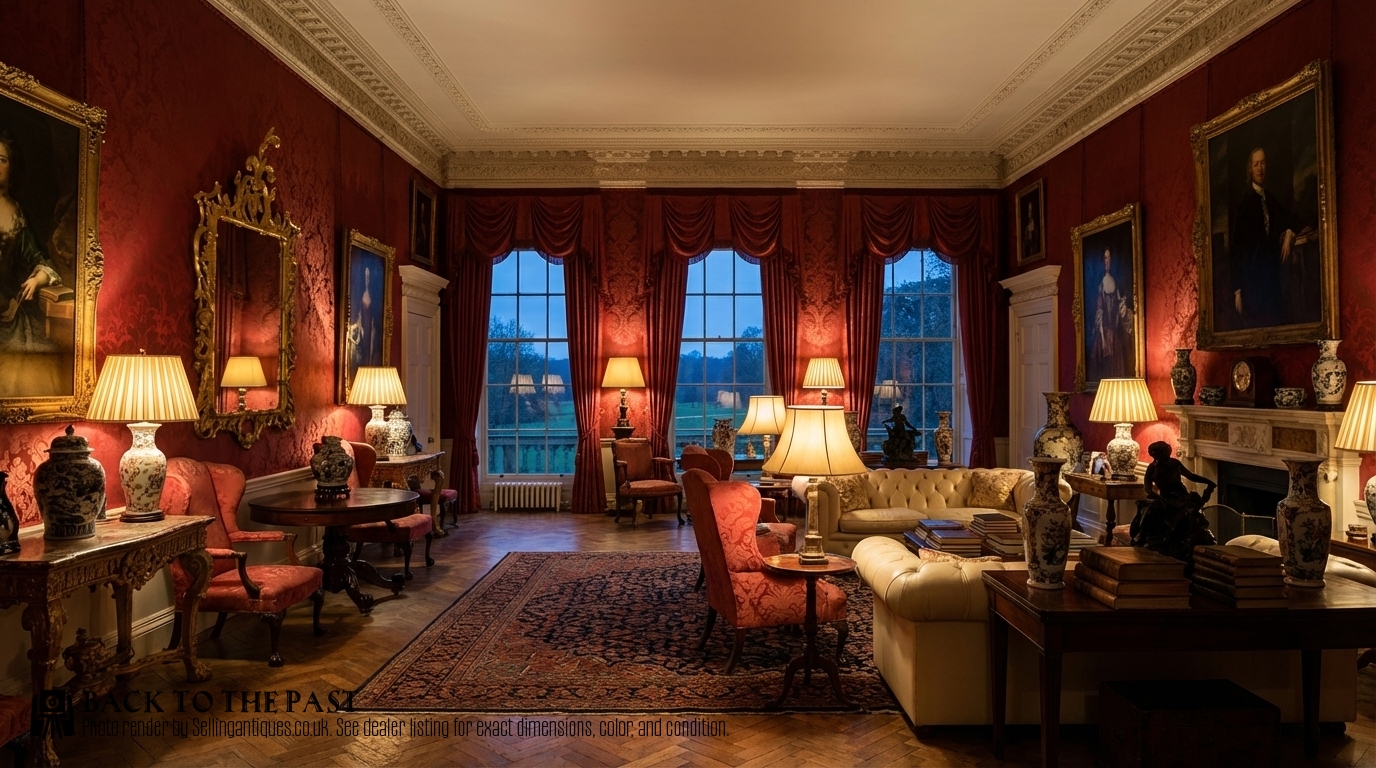
Rococo Carved Mirror
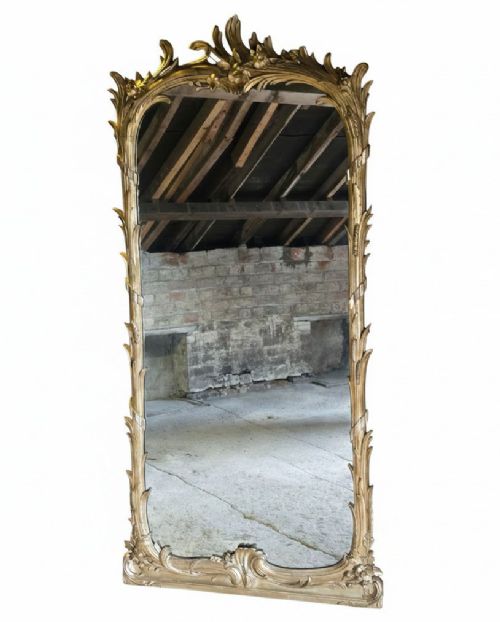
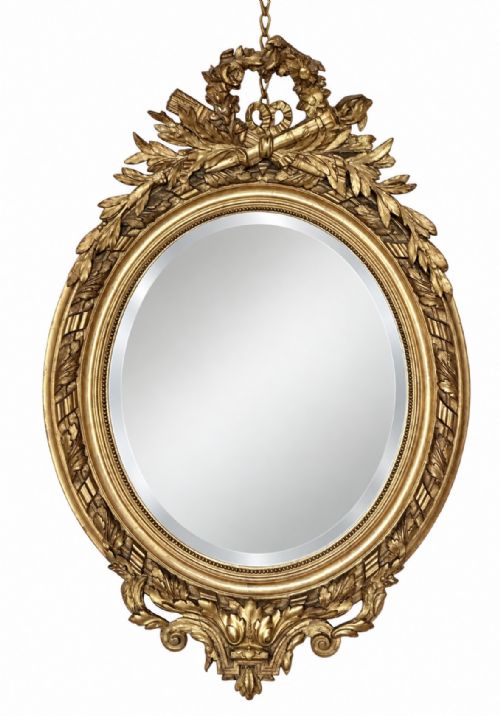
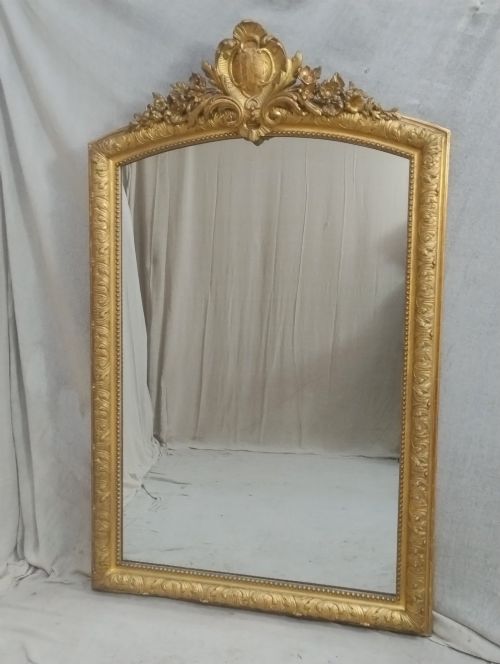
A buyer seeking a rococo carved mirror encounters extravagant frames defined by C-scrolls, S-scrolls, acanthus leaves, and asymmetric compositions inspired by nature. These pieces originate primarily from the eighteenth, nineteenth, and early twentieth centuries, spanning periods from original Georgian and French designs to later Victorian and Edwardian revivals.
The most common formats on this page include large wall mirrors, grand overmantel mirrors designed for chimney breasts, and leaner mirrors intended for full-length reflection. Many incorporate giltwood or gesso finishes, whilst others showcase carved walnut, oak, or painted surfaces reflecting French and Italian aesthetic influences.
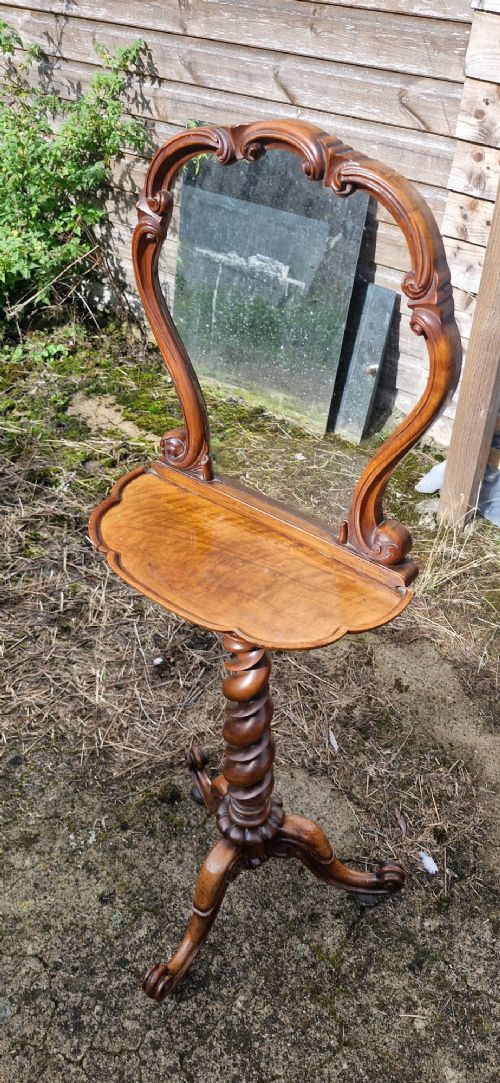
Beyond standalone wall plates, the inventory includes related furniture forms featuring integrated mirror glass, such as console tables with pier mirrors, credenzas, and dressing tables. These composite pieces combine functional surfaces with elaborate carved mirror backs to amplify light and space within a interior.

Materials and Construction
Makers shaped these frames from timbers such as oak, walnut, and beech, applying layers of gesso to create a smooth bedding surface for intricate carving and gilding. Artisans carved complex floral motifs, scrolls, and natural elements directly into the wood or built up high-relief details using moulded gesso composition.
Surface decoration relied heavily on gold leaf, silver-gilt, or painted finishes, often combined with parcel gilt highlights on exposed timber. Earlier examples frequently utilise antique mercury glass plates, whilst nineteenth and twentieth-century pieces incorporate standard silvered or bevelled mirror glass.
Rococo Carved Mirror Retail Price Guide 2026
Typical asking prices for rococo carved mirror among the pieces listed under this phrase on Sellingantiques today, from the lower quarter to the upper quarter. They describe what is for sale here now, not the wider market.
Listings feature eighteenth, nineteenth, and early twentieth-century pieces, spanning Georgian, Victorian, and Edwardian periods in walnut, oak, and giltwood.
Assessing Craftsmanship and Distinction
Quality reveals itself in the depth, crispness, and undercut relief of the carved ornamentation, where superior examples display fluid, hand-carved asymmetry rather than rigid symmetry or flat moulding. The handling of the gesso and the purity of the gilding dictate the visual brilliance of the frame under natural light.
The integration of the mirror plate matters greatly, with original mercury glass or heavy bevelled plates offering historical depth that elevates the piece. Structural integrity in large overmantel frames and leaner mirrors depends on sturdy joinery behind the heavy carved crests and scrolls.
The Rococo Carved Mirror Glossary
- Giltwood
- Timber coated with gold leaf applied over a prepared gesso and bole ground. This finish provides the bright, reflective metallic surface seen on formal antique frames.
- Gesso
- A plaster-like mixture of chalk and size applied to a wooden frame to create a smooth surface for gilding or relief moulding. It allows artisans to carve intricate details that wood alone cannot hold as sharply.
- Overmantel Mirror
- A large mirror specifically proportioned to hang above a fireplace mantelpiece. These pieces often feature wide horizontal formats or arched tops designed to match room architecture.
- Mercury Glass
- Early mirror glass produced by applying a tin and mercury amalgam to the back of the glass plate. This technique creates a distinctive mottled or foxed appearance over time.
- Trumeau Mirror
- A decorative wall mirror fitted into a wooden panel or wall architecture, often incorporating painted scenes or carved ornamentation above the glass plate.
Rococo Carved Mirror: Frequently Asked Questions
How do I date a carved mirror?
Dating a carved mirror requires examining the construction materials, the backing boards, and the type of mirror glass used. Eighteenth-century examples often feature hand-carved solid timbers and mercury glass plates, whilst nineteenth-century revival pieces frequently utilise moulded gesso and machine-bevelling.
Stylistic shifts also provide clues, as original eighteenth-century pieces display lighter, more fluid asymmetry, whereas Victorian revivals often present heavier, denser proportions. The underlying wood and fastening nails help confirm the manufacturing era.
Where should I hang an overmantel mirror?
An overmantel mirror is traditionally hung directly above a fireplace mantelpiece to anchor the room's central focal point. Its horizontal or arched proportions reflect hearth activity and draw ambient light across the space.
Beyond fireplaces, these large mirrors function effectively above low sideboards, console tables, or along prominent drawing room walls. Secure wall fixings are essential due to the substantial weight of carved wooden and gesso frames.
What is mercury glass?
Mercury glass is an early type of mirror plate produced by fusing a tin and mercury amalgam to the rear surface of the glass. This chemical process creates a deep, reflective layer with a characteristic dark, mottled aesthetic.
Over decades, moisture seeps behind the glass to cause foxing, which appears as charming dark spots and silver degradation. Collectors prize authentic mercury glass for the historic character and softness it brings to antique mirrors.