


Ornamental Wall Mirror
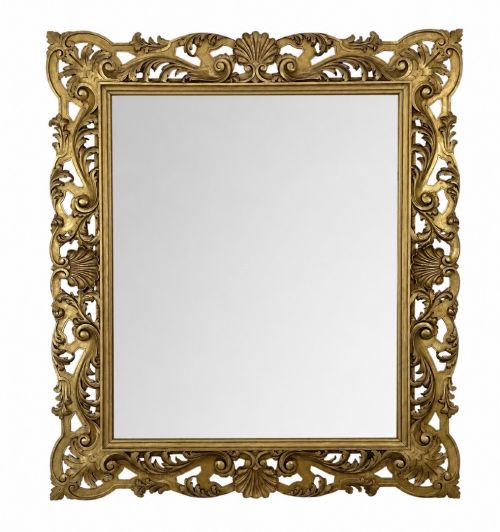
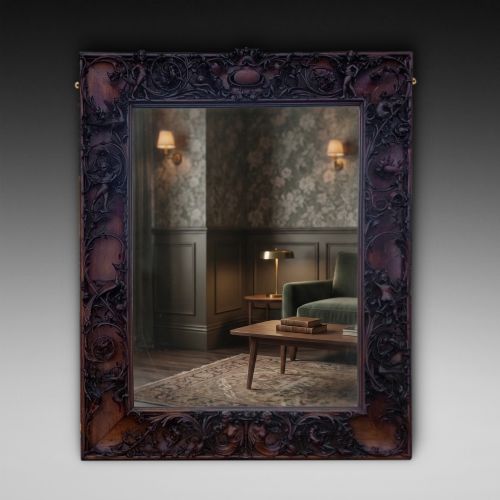
An ornamental wall mirror brings depth and historic light to a room, drawing the eye with carved gesso, rich walnut, and gleaming giltwood frames.
Ornamental Wall Mirror
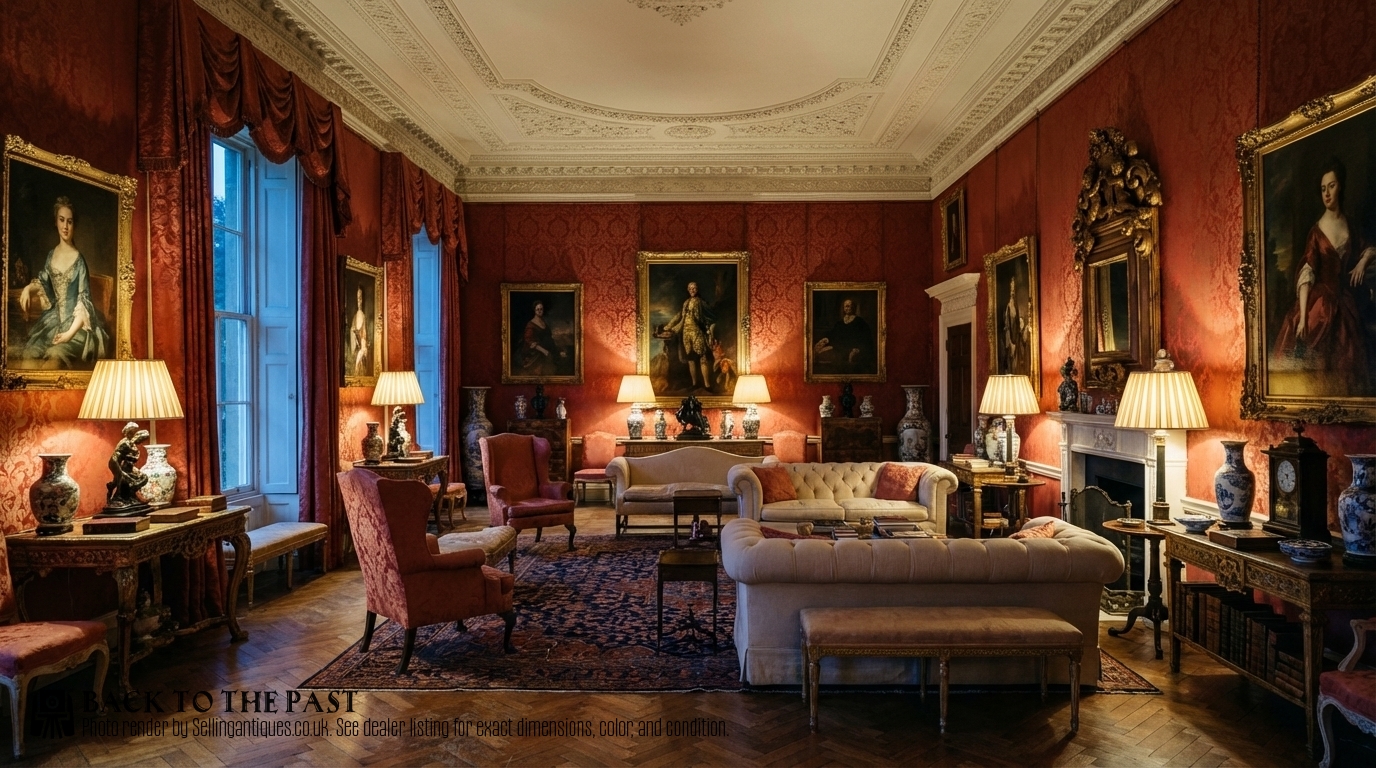
When you search for an ornamental wall mirror, you encounter pieces designed to catch the light and anchor a room's decorative scheme. The examples gathered here span from the eighteenth century through the Victorian era, offering varied interpretations of classic forms.
You are most likely to meet nineteenth-century interpretations on this page, alongside earlier Georgian and eighteenth-century survivals. These objects range from tall decorative frames to large carved wall pieces carrying distinct shell motifs and revival styles.
French Rococo Revival and Baroque styles dominate the aesthetic vocabulary of these items. Makers of the period drew heavily on classical ornamentation, producing frames that serve as sculptural statements as much as functional looking-glasses.
Crafting the Frame
Wood serves as the foundational core for these pieces, with walnut and general carved wood providing sturdy structures for heavy glass plates. Artisans shaped these timbers through meticulous hand carving before applying decorative surface treatments.
Giltwood and gold leaf finishes required immense skill, involving the delicate laying of metal leaf over prepared layers of gesso. This traditional method created the luminous, reflective surfaces characteristic of antique wall mirrors.
Ornamental Wall Mirror Retail Price Guide 2026
Typical asking prices for ornamental wall mirror among the pieces listed under this phrase on Sellingantiques today, from the lower quarter to the upper quarter. They describe what is for sale here now, not the wider market.
Materials recorded across the inventory include walnut, gesso, carved wood, and traditional gold leaf finishes.
Assessing Quality and Execution
The depth and clarity of the hand carving distinguish finer examples from standard production. Crisp detailing in the foliage, scrolls, and shell motifs indicates a maker working at the height of their ability.
The application and preservation of the gold leaf or gesso layers dictate the visual richness of the piece. Surviving historic gilding retains a softer, warmer glow compared to later restorations.
The Ornamental Wall Mirror Glossary
- Giltwood
- Wood that has been coated with gold leaf or gold paint. This finish provides the bright, metallic border typical of formal antique mirrors.
- Gesso
- A plaster-like mixture applied to wood frames to create a smooth surface for gilding. It holds intricate relief ornamentation sharply.
- Rococo Revival
- A nineteenth-century design movement mimicking the ornate, asymmetrical scrolls and natural motifs of the eighteenth century. It defines many decorative mirror frames from this era.
- Parcel Gilt
- A decorative treatment where only specific portions of an object are gilded while the underlying wood remains visible. This technique highlights particular carved details.
Ornamental Wall Mirror: Frequently Asked Questions
How do I hang a heavy antique mirror safely?
These frames carry significant weight due to dense carved wood and glass construction. Secure fixings into structural wall studs are essential.
Consult a professional restorer or framer to assess the integrity of the original wooden backing before mounting.
What periods do these mirrors represent?
The selection spans several centuries, featuring Georgian, Victorian, and eighteenth-century examples. Revival styles from the nineteenth century are also common.
Each period brings distinct stylistic traits, from restrained classical lines to exuberant Baroque scrolls.
Can I place an ornamental mirror in a hallway?
Placing a mirror in a narrow space immediately expands the visual field and bounces available light around. Ensure the hanging height aligns with eye level for best effect.
Historic frames prefer stable indoor environments away from excessive moisture.