

Carved Wood Frame Mirror
A carved wood frame mirror brings historical depth and reflective light to a room, spanning grand nineteenth-century overmantels and intimate Georgian ovals.
Carved Wood Frame Mirror
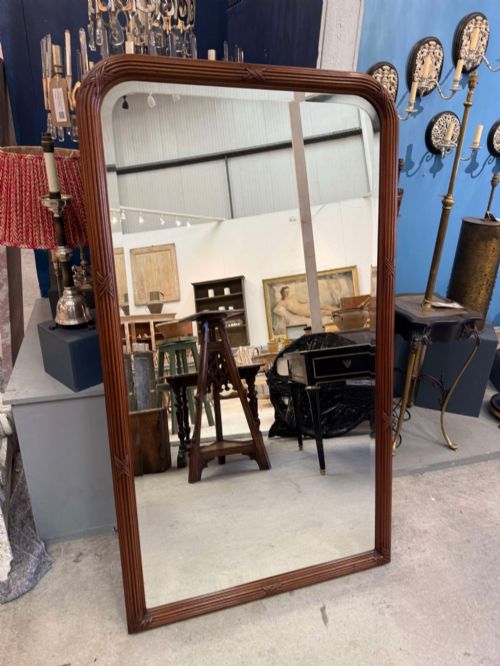
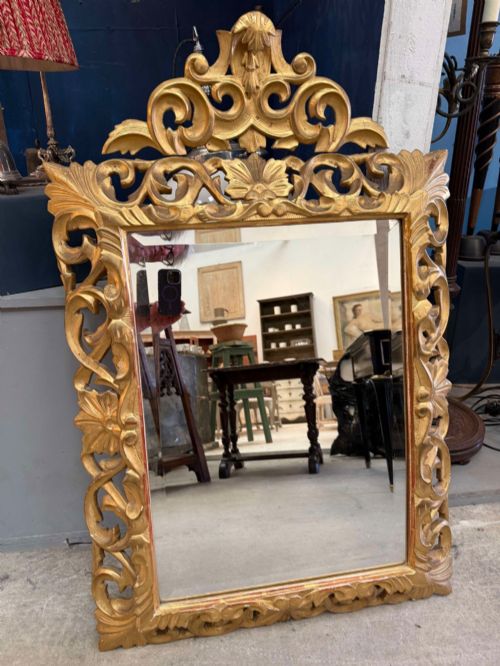
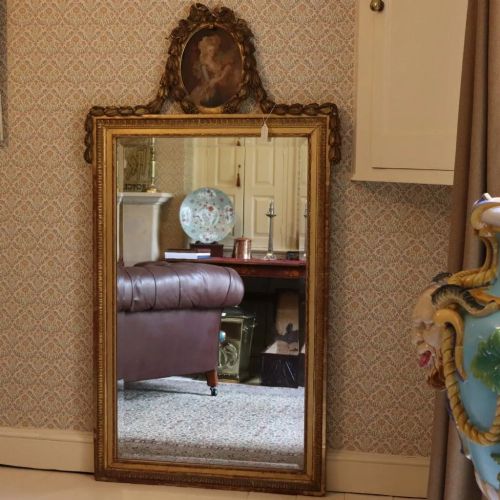
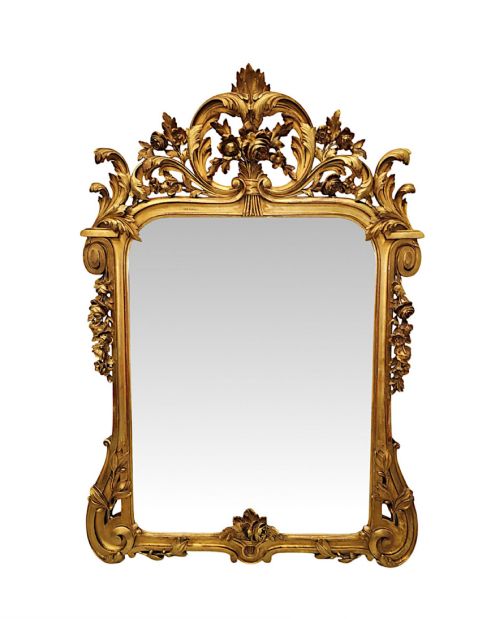
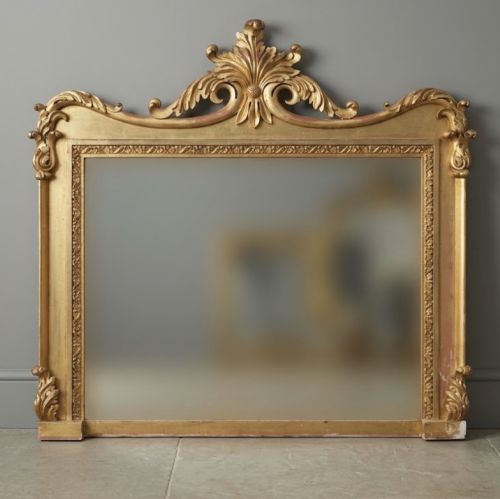
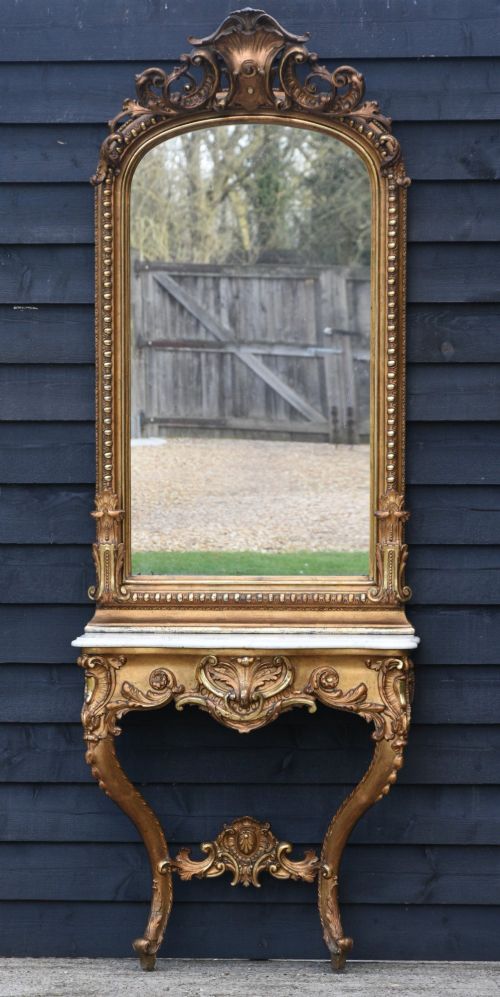
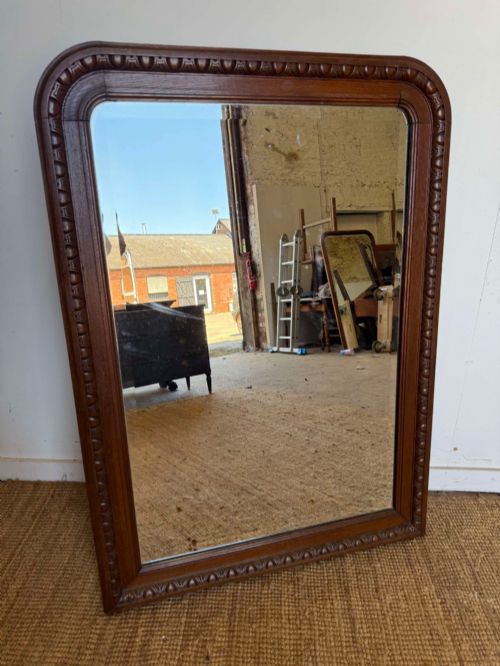
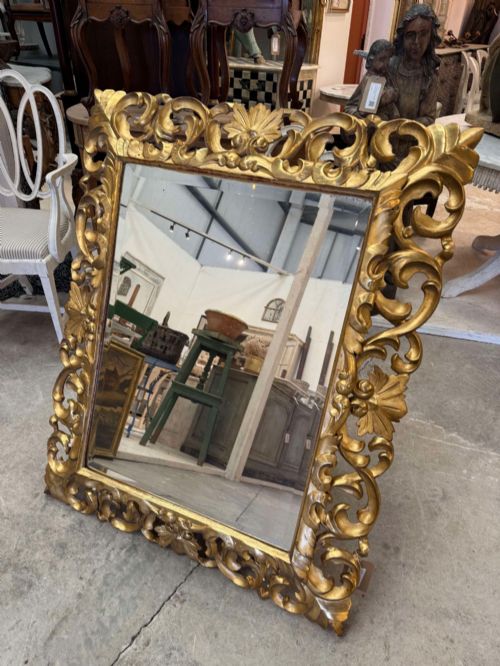
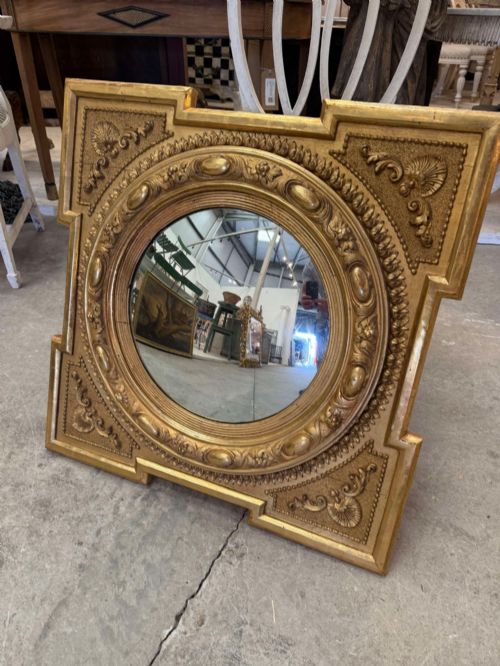
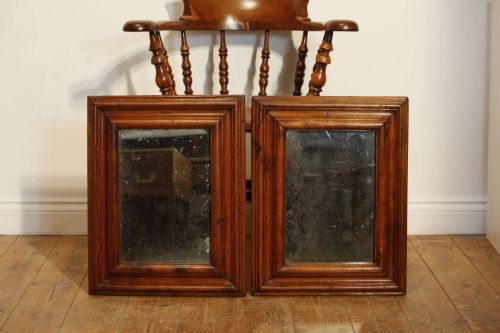
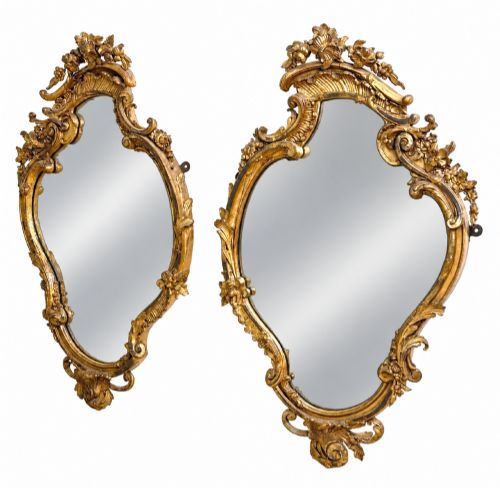
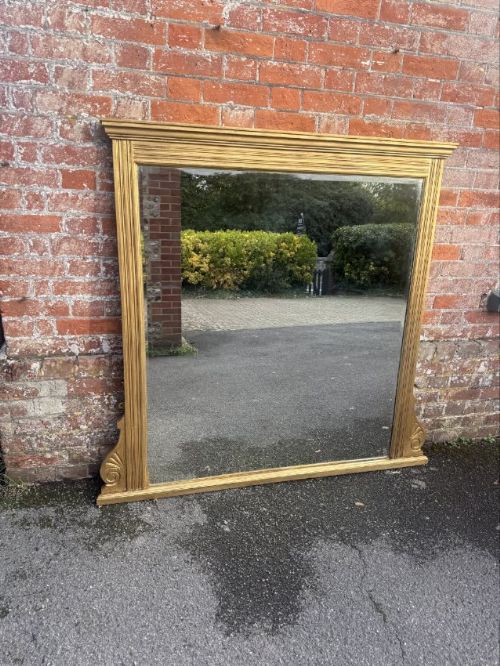
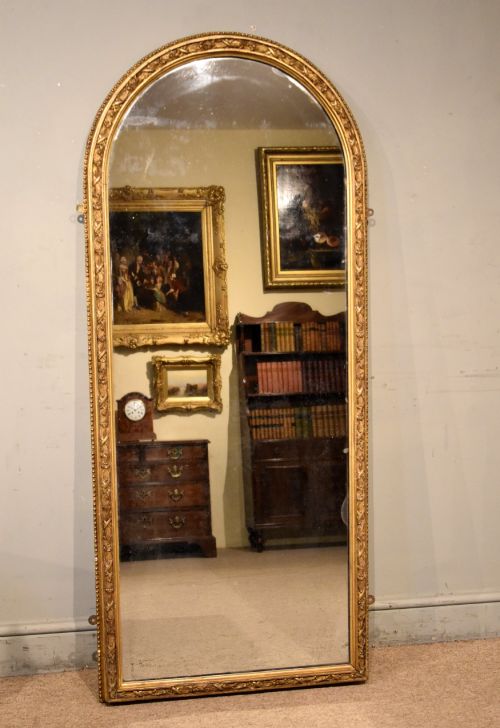
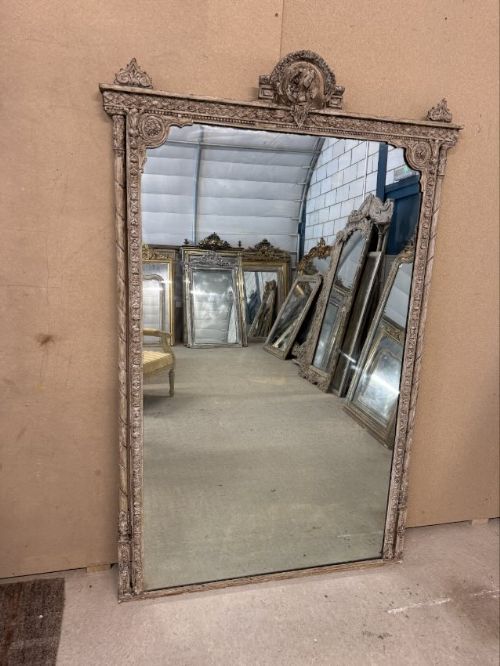
When searching for a carved wood frame mirror, buyers encounter a diverse selection ranging from eighteenth-century walnut designs to ornate Victorian gilt overmantels. The inventory here leans heavily towards nineteenth-century English and French examples, frequently taking the form of large wall mirrors, pier glasses, and arched top overmantels intended for domestic interiors.
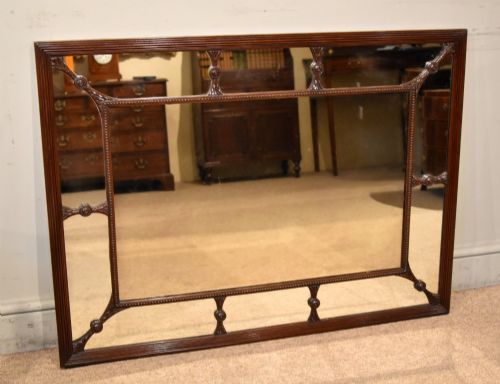
Forms vary widely from restrained oval mahogany frames to elaborate rococo and neoclassical styles incorporating intricate foliate carvings. Buyers also meet smaller dressing table mirrors, cheval glasses, and girandoles fitted with candle sconces alongside larger architectural pieces designed to anchor a drawing room or hallway.
How They Were Made
Carving timber such as oak, walnut, mahogany, or pine formed the structural foundation of these frames, executed by hand with chisels and gouges. Artisans frequently applied layers of gesso over the wood substrate to build up crisp relief details, such as acanthus leaves, rope twists, and floral motifs, before gilding them with gold leaf or paint.
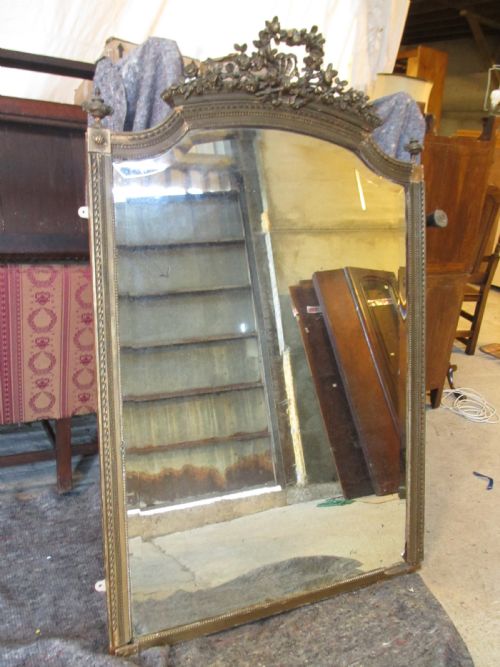
Mirrors from earlier periods often utilise silvered or mercury glass plates showing characteristic foxing and age spots, held within frames joined by traditional mitres and pegs. Composition, a moulded mixture of whiting, resin, and glue, appears alongside hand-carving on many nineteenth-century pieces to create repetitive decorative ornament efficiently.
Carved Wood Frame Mirror Retail Price Guide 2026
Typical asking prices for carved wood frame mirror among the pieces listed under this phrase on Sellingantiques today, from the lower quarter to the upper quarter. They describe what is for sale here now, not the wider market.
Some nineteenth-century frames incorporate faux bamboo turnings alongside traditional floral carvings, proving that Victorian makers also loved a botanical novelty.
What Varies in Quality
Quality rests primarily upon the crispness and depth of the hand-carved detail versus the uniformity of moulded composition ornament. Superior examples display sharp undercutting and spirited modelling in the wood or gesso, while lesser pieces rely on softer, shallower casts that lack individual character.
The integrity of the surface finish also defines the tier of a piece, distinguishing original gold leaf or period patinated wood from later repaint or heavy-handed regilding. Furthermore, the retention of the original mirror plate, complete with natural oxidation and bevelling, elevates the standing of an antique over replacement glass.
The Carved Wood Frame Mirror Glossary
- Gesso
- A plaster-like mixture applied to wood frames as a smooth base for gilding or painting. It allows craftsmen to model fine decorative relief work before applying gold leaf.
- Giltwood
- Timber carved and subsequently covered with thin sheets of gold leaf or gold paint. This technique gives frames a brilliant metallic lustre that catches interior candle or daylight.
- Overmantel Mirror
- A large mirror specifically proportioned to hang above a fireplace mantelpiece. They frequently feature arched tops and landscape orientations suited to domestic reception rooms.
- Pier Glass
- A tall, narrow mirror designed to hang on the wall space between windows. These pieces often maximise natural light in high-ceilinged period rooms.
- Foxing
- Small dark spots and discoloration appearing within antique mirror glass due to the breakdown of the backing over time. Collectors view this natural ageing as a mark of authenticity.
- Girandole
- A decorative wall mirror featuring attached candle sconces or arms branching from the frame. The polished glass reflects the candlelight to brighten dark spaces.
Carved Wood Frame Mirror: Frequently Asked Questions
How do I date an antique mirror?
Dating relies on examining the construction methods of the wooden frame, the style of the carving, and the characteristics of the glass plate. Assemblage techniques and joinery behind the frame often reveal the period of manufacture.
Secondary clues include the backing boards, fixings, and the specific formulation of the mirror plate. Comparing these elements against known stylistic eras helps narrow down the decade or century.
Are original mirror plates common?
Many surviving pieces retain their original glass, which frequently exhibits subtle distortion, minor scratches, and foxing. These natural imperfections confirm the age of the object.
When replacement glass occurs, it usually presents a flatter, clearer reflection without historical ageing. Examining the edges behind the frame reveals whether the glass has been secured with old glazier points or modern seals.
How should I hang a heavy overmantel mirror?
Heavy carved frames require secure anchoring directly into wall studs or masonry using appropriate weight-rated brackets and fixings. Overmantel mirrors distribute substantial downward force, making professional installation advisable for large pieces.
Checking the structural integrity of the frame's hanging loops and joints ensures the timber safely supports the combined weight of the wood and glass over time.
What is the difference between gesso and carved wood?
Carved wood involves shaping the actual timber frame using cutting tools to form structural and decorative elements. This method requires skilled hand labour and produces distinct, deep relief.
Gesso is a fluid mixture applied over a simpler wooden base to build up moulded details and smooth surfaces before gilding. Makers often combined both techniques, carving the main contours and adding gesso for fine surface ornamentation.