

Louis XV Wall Mirror
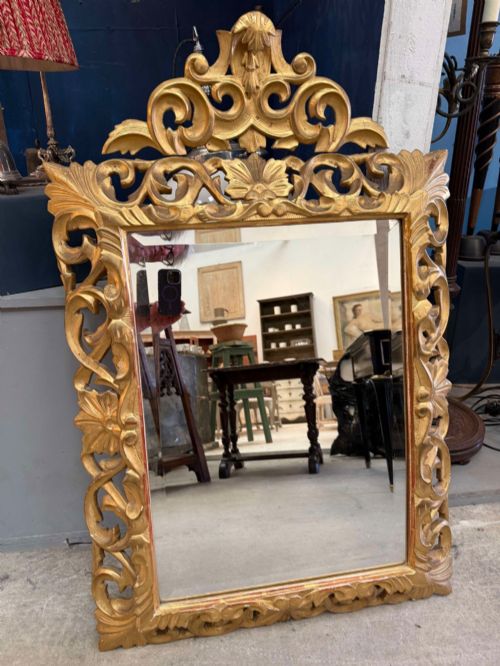
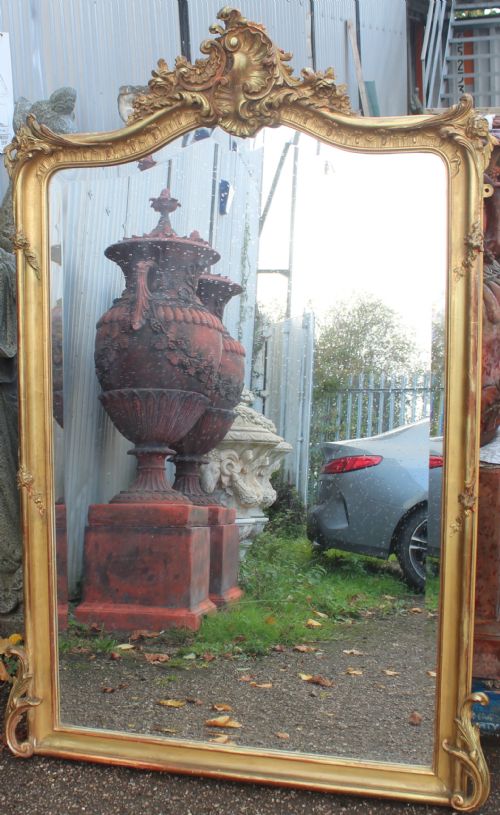
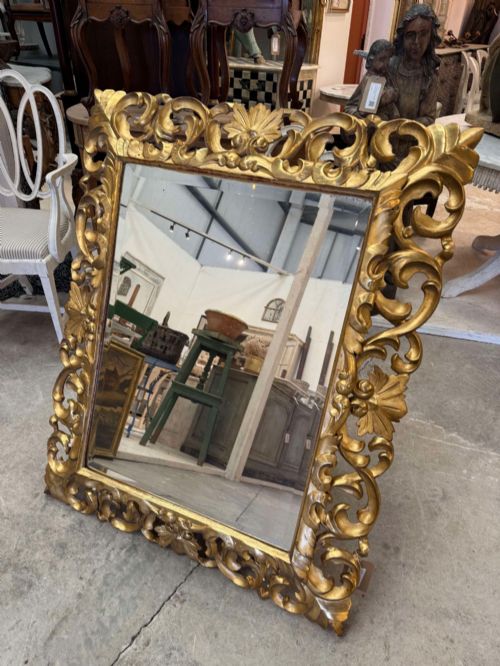
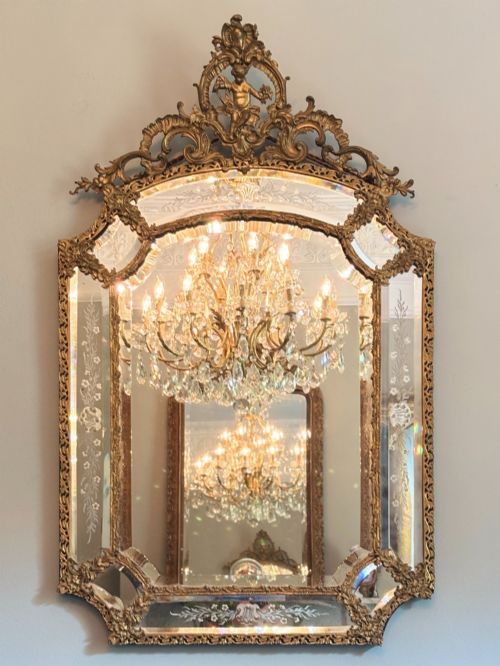
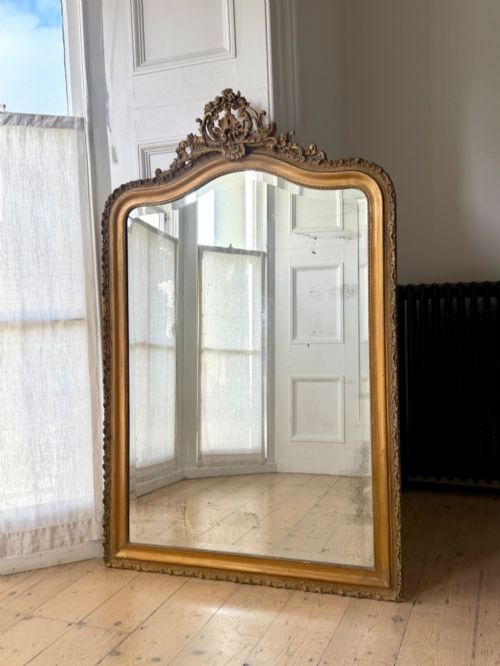
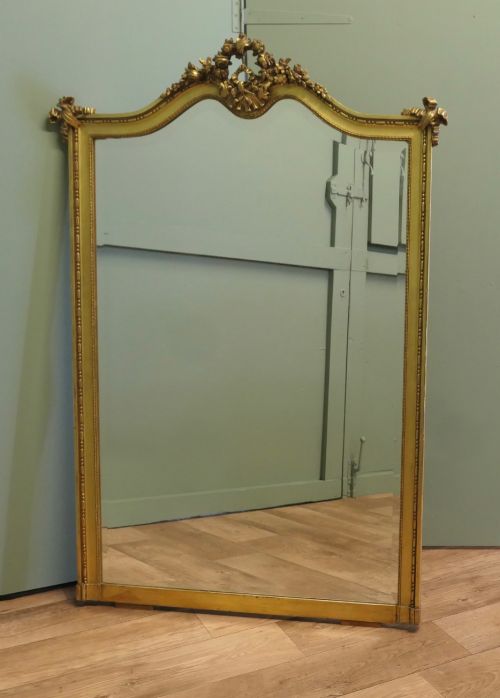
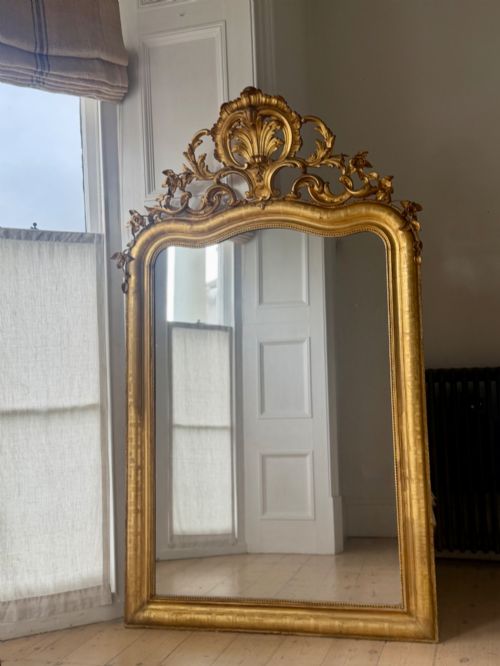
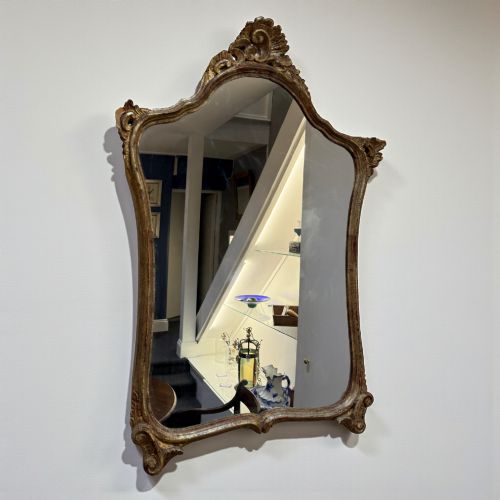
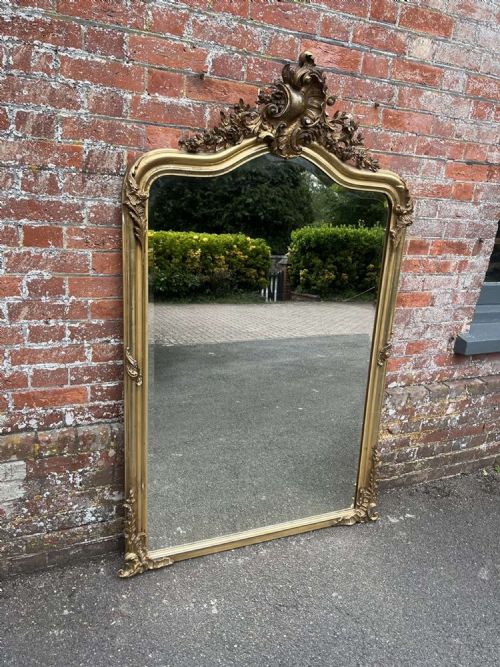
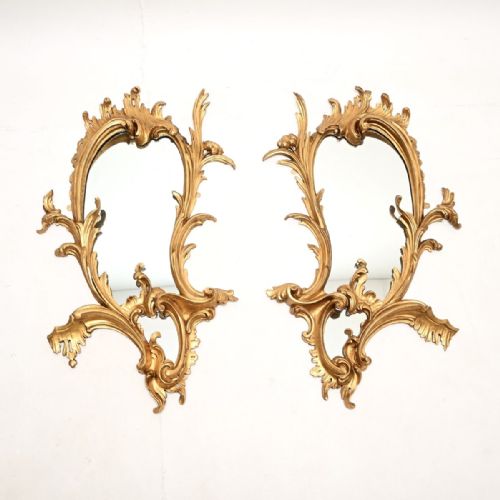
When you choose a louis xv wall mirror, you bring home an asymmetrical masterpiece of carved curves that catches the light through aged glass.
Louis XV Wall Mirror
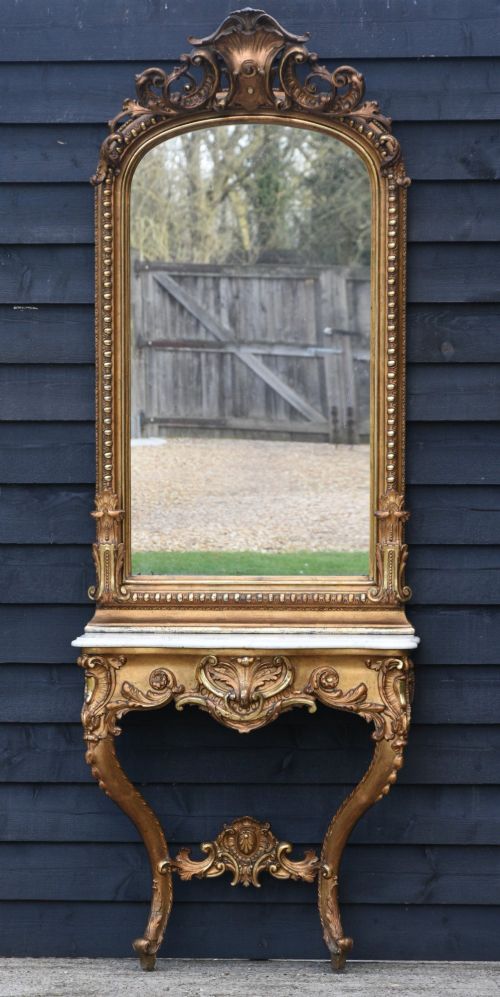
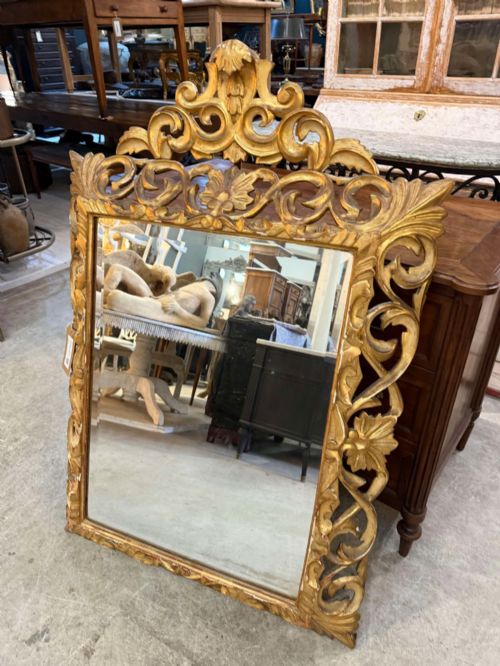
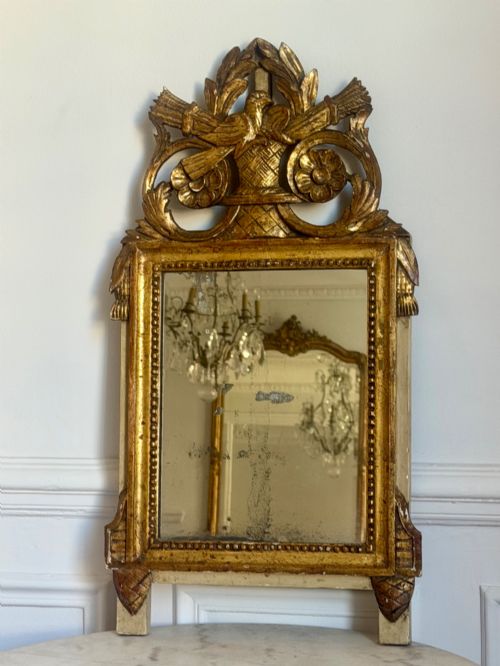
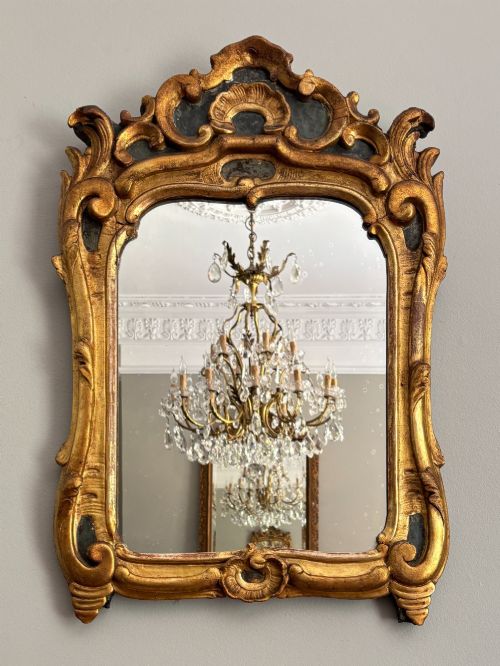
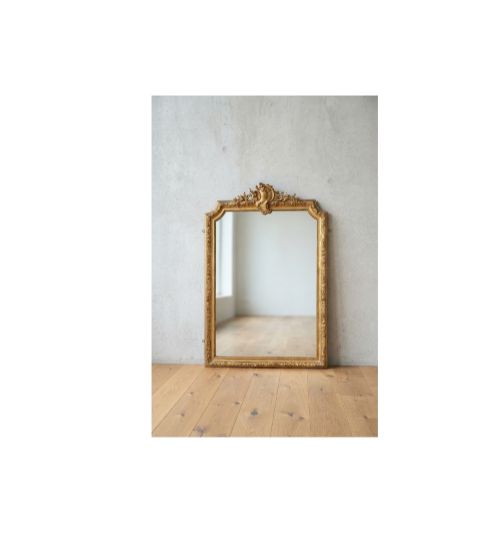
A louis xv wall mirror displays the quintessential flowing asymmetry, C-scrolls, and naturalistic floral motifs of the Rococo movement. The version you are most likely to encounter on this page is the 19th-century revival piece, though genuine 18th-century examples also appear.
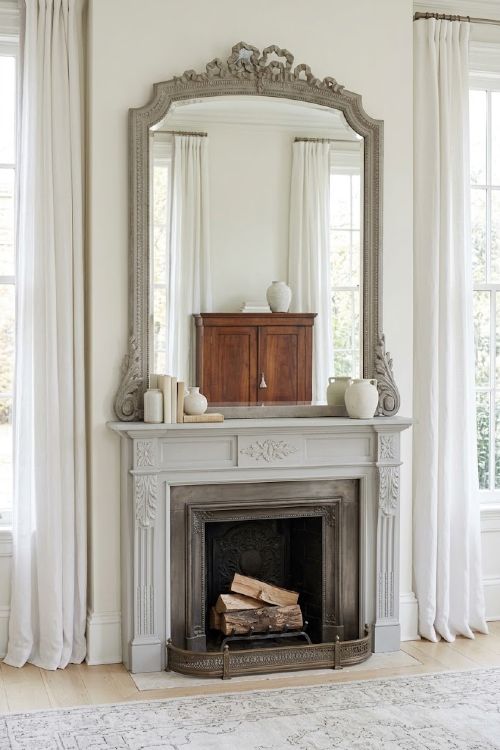
These pieces arrive in various forms including overmantel mirrors, pier mirrors, and trumeau panels fitted with painted or carved woodwork. Many incorporate architectural cartouche shapes or cushion mouldings designed to reflect light deep into period rooms.
Originating predominantly from French workshops, these mirrors span authentic eighteenth-century craftsmanship as well as later nineteenth-century interpretations in giltwood, carved oak, and walnut.
Factors of quality
Quality rests primarily on the depth and crispness of the hand-carved relief work within the gesso and wood. Superior examples display fluid, undercut scrolls and naturalistic asymmetry without the mechanical rigidity seen in mass-produced later castings.
The integrity and character of the original mirror plate further separate exceptional pieces from ordinary ones. Retaining authentic mercury glass with natural foxing adds considerable depth and period authenticity compared to modern replacement glass.
Louis XV Wall Mirror Retail Price Guide 2026
Typical asking prices for louis xv wall mirror among the pieces listed under this phrase on Sellingantiques today, from the lower quarter to the upper quarter. They describe what is for sale here now, not the wider market.
Formats span wall mirrors, overmantel mirrors, trumeau panels, and console table combinations.
The Louis XV Wall Mirror Glossary
- Gesso
- A plaster-like mixture applied to wood frames to create a smooth surface for carving and gilding. This material allowed makers to achieve sharp, delicate relief details.
- Trumeau
- A decorative wall mirror paired with a painted panel or oil painting above the glass. These were traditionally fitted into the panelling between windows or fireplaces.
- Mercury glass
- An older type of mirror plate made by applying a silver and mercury amalgam behind the glass. It produces a dark, uneven reflection with characteristic foxed spots.
- Cartouche
- An ornamental frame resembling a scroll or a rolled-up piece of parchment. This shape often forms the distinct central cartouche outline of Rococo mirrors.
- Giltwood
- Wood that has been coated with a thin layer of gold leaf or gold paint. It provides a warm, reflective metallic finish that catches interior candlelight or daylight.
Louis XV Wall Mirror: Frequently Asked Questions
How do I clean an antique mirror glass?
Clean the glass gently using a soft microfibre cloth and a mild, ammonia-free glass cleaner sprayed onto the cloth rather than directly onto the plate.
Avoid touching the edges where the original silvering or mercury backing is vulnerable to flaking and further moisture damage.
Are these mirrors heavy to hang?
Many of these pieces possess substantial weight due to their dense wooden frames, thick gesso layers, and large glass plates.
Secure them directly into wall studs using heavy-duty mirror brackets or professional French cleats to ensure safe wall mounting.
How can I spot an 18th-century piece?
Examine the construction of the wooden frame behind the gesso for hand-cut joinery, older tool marks, and dense pine or hardwood shrinkage.
Authentic period plates often feature subtle distortions in the glass and heavy foxing that differs sharply from nineteenth-century revival methods.
What is the difference between Rococo and Rococo Revival?
Original Rococo pieces date from the eighteenth century under the reign of Louis XV and display hand-carved execution tailored to contemporary interiors.
Rococo Revival items emerged during the nineteenth century as makers enthusiastically recreated those earlier curved motifs for Victorian and chateau-style homes.