


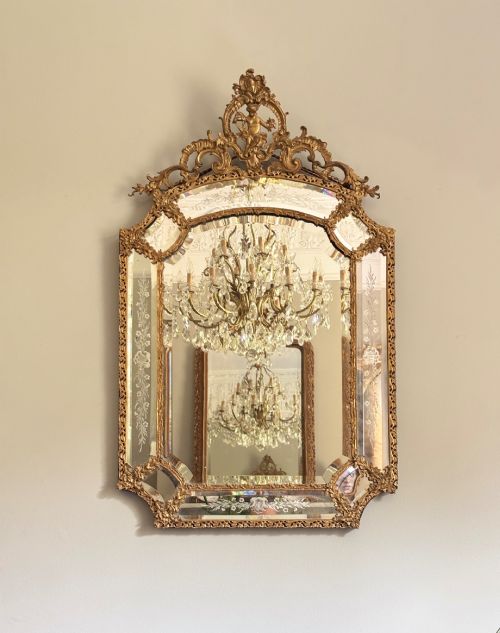
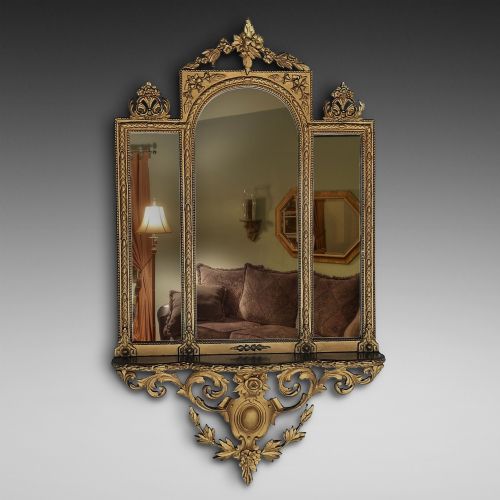
Rococo Style Overmantel Mirror
These rococo style overmantel mirror pieces bring exuberant French flair to a room, offering grand proportions and ornate carved detail that collectors prize.
Defining the rococo style overmantel mirror
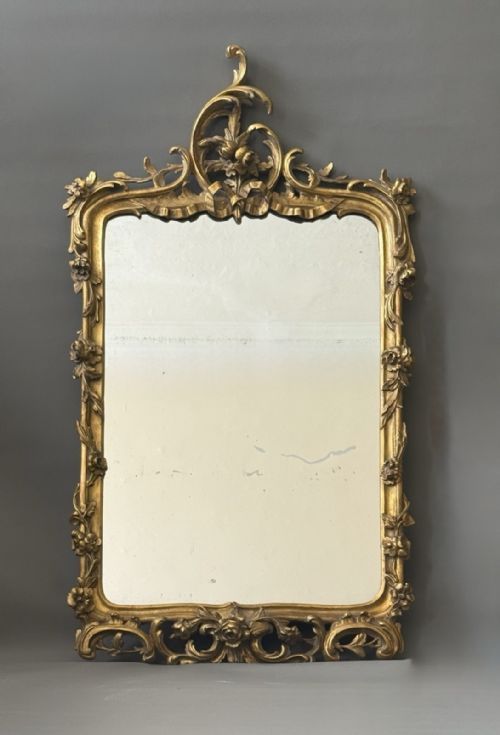
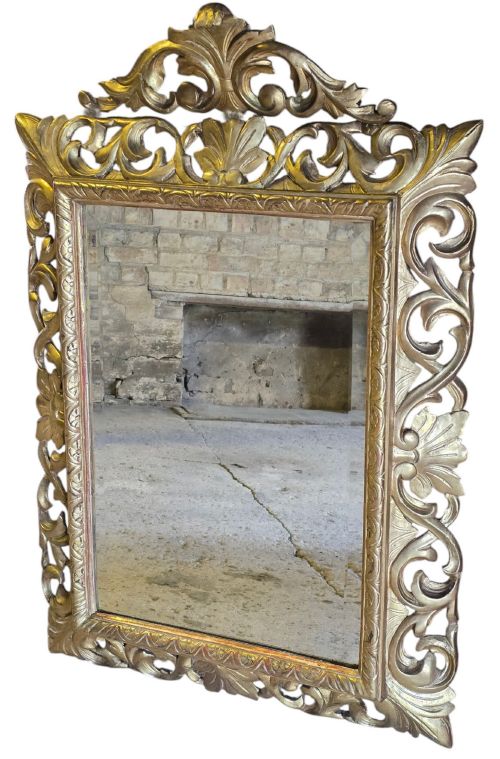
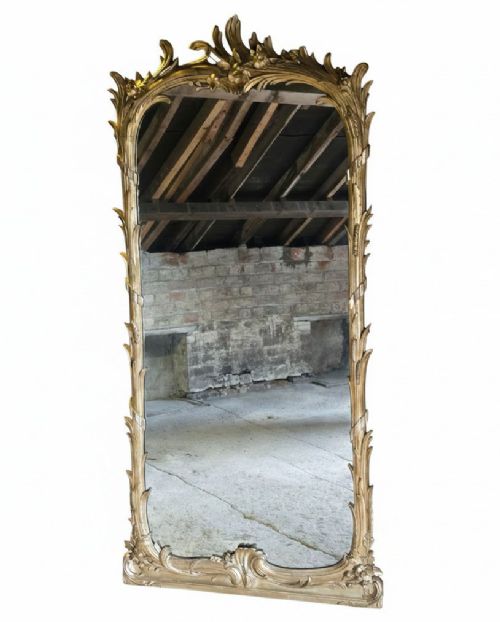
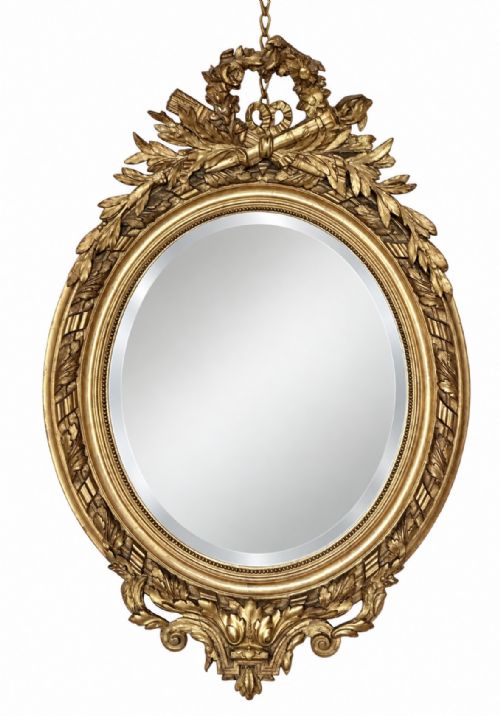
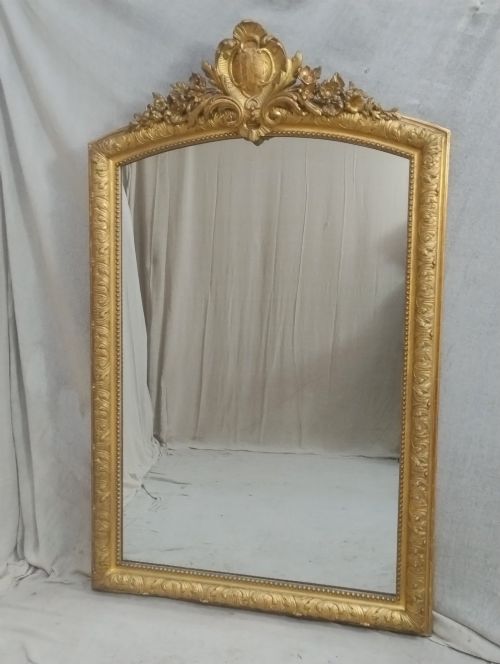
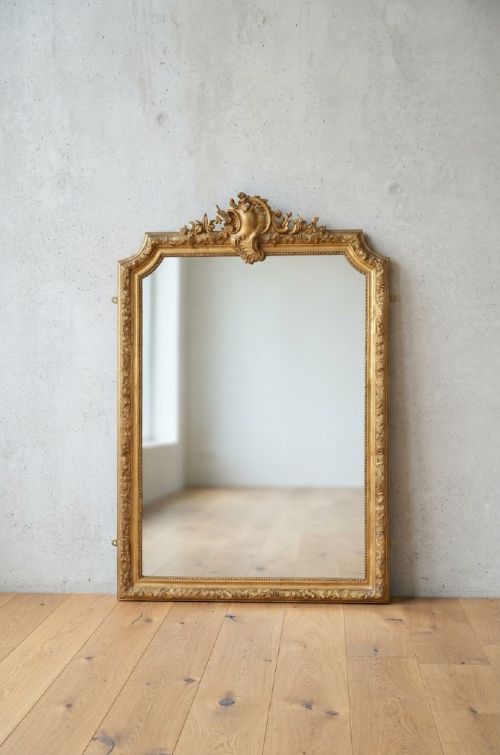
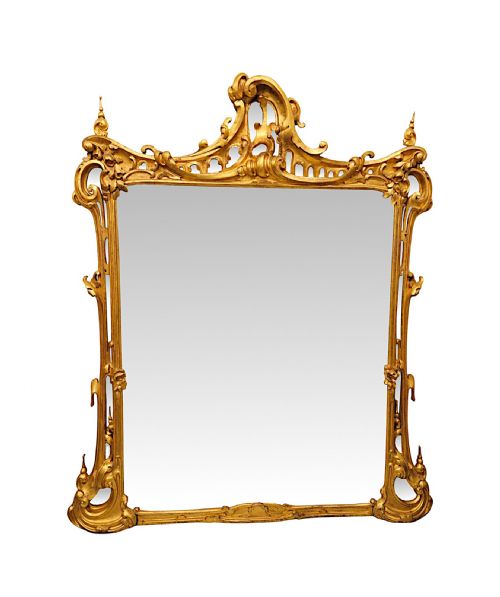
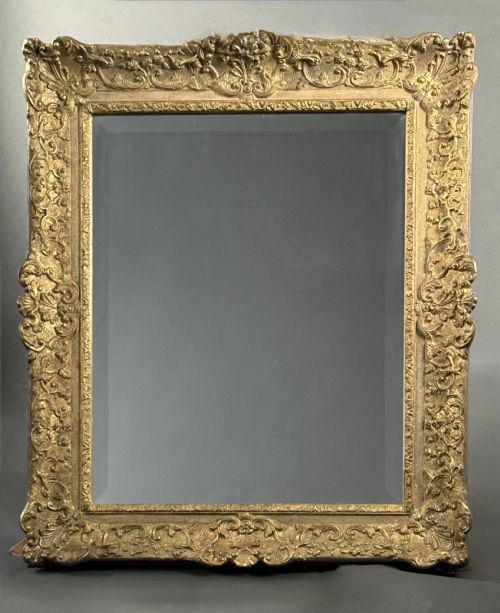
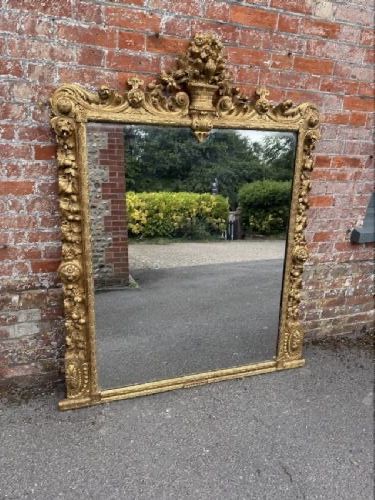
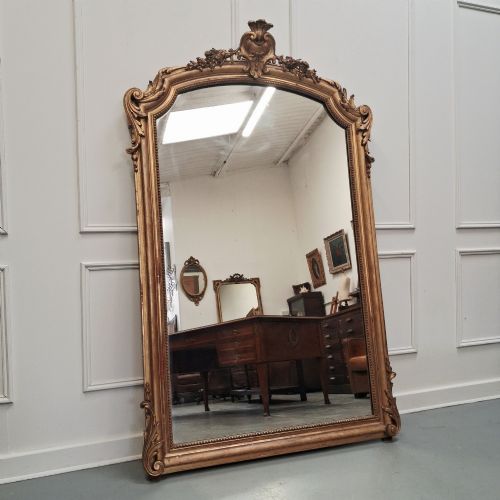
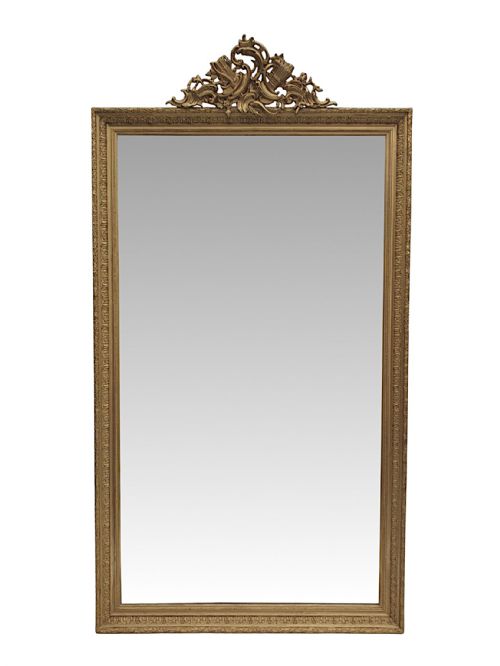
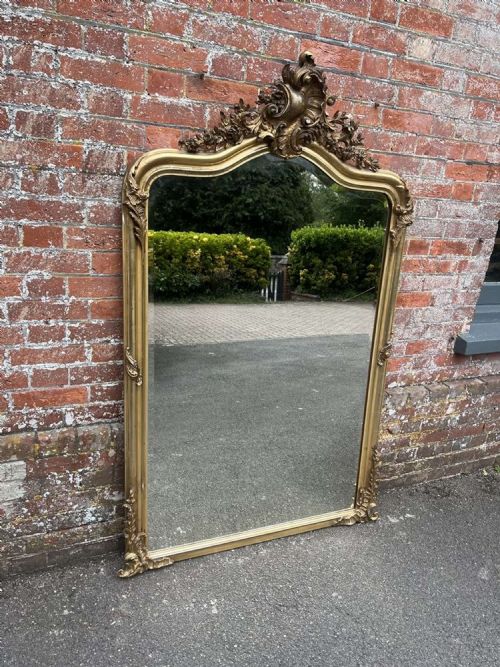
A rococo style overmantel mirror is a substantial architectural looking-glass designed to sit above a fireplace, reflecting light and space across the room. These pieces appear in forms such as wall mirrors, overmantel mirrors, and trumeau mirrors, all sharing distinctive ornamental lines.
The pieces available on this page date principally from the nineteenth century, including specific years like 1850 and 1880. They reflect French rococo, Victorian neoclassical, and French chateau influences, often showing country house proportions alongside painted and gilt finishes.
Construction and materials
Makers constructed these frames using wood, gesso, and giltwood, applying gold leaf to create a luminous metallic surface. Skilled artisans carved intricate scrollwork and asymmetrical motifs directly into the wooden substrate before applying layers of gesso to refine the details.
Certain examples feature painted wood combined with oil paint, introducing subtle colour and tonal depth beneath the gilding. Mirror glass panels are set securely within these elaborate frames, completing the traditional construction of the period.
Retail Price Guide 2026
Typical UK retail prices for rococo style overmantel mirror, calculated from the Sellingantiques database of over a million retail prices indexed since 2003. This retail price guide relies exclusively on Sellingantiques data; no external sources or auction records are used, so the figures do not describe the wider market.
Listings feature nineteenth-century pieces incorporating glass, giltwood, gesso, wood, gold leaf, mirror glass, painted wood, and oil paint.
Judging quality and character
Quality in these mirrors rests upon the depth and dexterity of the carving, where crisp, undercut gesso ornamentation distinguishes superior workshops from simpler production. The handling of the gold leaf or painted wood finish also dictates the visual weight of the piece, with richer patination rewarding close inspection.
Proportion and scale separate the grandest country house examples from standard domestic furnishings. A well-balanced composition where frame and glass plate complement one another demonstrates the confidence of nineteenth-century makers.
The Rococo Style Overmantel Mirror Glossary
- Overmantel mirror
- A large looking-glass specifically proportioned to hang on the wall directly above a fireplace mantelpiece. These pieces often anchor the decorative scheme of a reception room.
- Giltwood
- Timber that has been coated with a thin layer of gold leaf over a prepared base. This material gives nineteenth-century frames their characteristic warm metallic glow.
- Gesso
- A plaster-like mixture applied to wood frames and carved into intricate relief decoration before gilding. It allows for sharp, sculptural details.
- Trumeau mirror
- A decorative wall mirror incorporating an oil paint panel or carved artwork above the glass. These originate from French interior architecture.
- French Rococo
- An artistic style from the eighteenth century, revived in the nineteenth, characterised by asymmetry, C-scrolls, and naturalistic shell motifs. It dominates the ornamentation of these frames.
Frequently Asked Questions
Where should I hang an overmantel mirror?
Traditionally, these mirrors sit directly above a fireplace mantelpiece to reflect light and anchor the room's proportions.
They also function effectively on any large, unbroken wall space where their grand scale can be fully appreciated.
How do I clean a giltwood frame?
Giltwood surfaces require gentle dusting with a soft, dry brush to protect the delicate gold leaf and gesso ornamentation.
Avoid using liquid cleaners or abrasive cloths, which can permanently damage the historic metallic finish.
What is a trumeau mirror?
A trumeau mirror combines a looking-glass with a painted panel or decorative artwork set into the upper portion of the frame.
This French style adds an extra layer of visual interest above the glass itself.
How can I tell the age of these mirrors?
Dating relies on examining the construction of the wooden frame, the composition of the gesso, and the characteristics of the mirror glass.
Nineteenth-century pieces often display specific joinery methods and patination that distinguish them from later reproductions.