

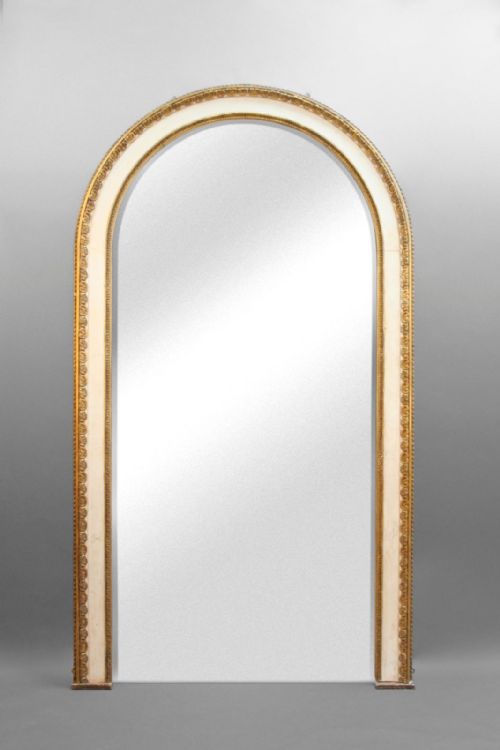


Cream and Gold Mirror
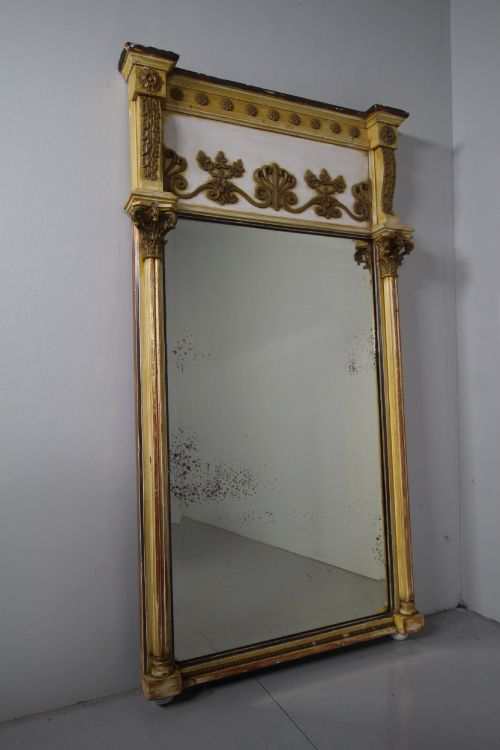
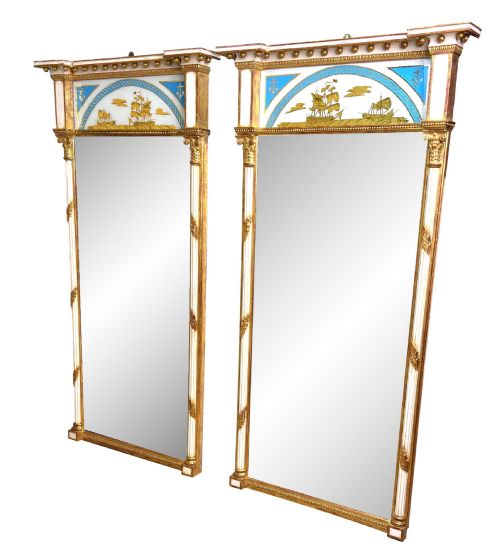
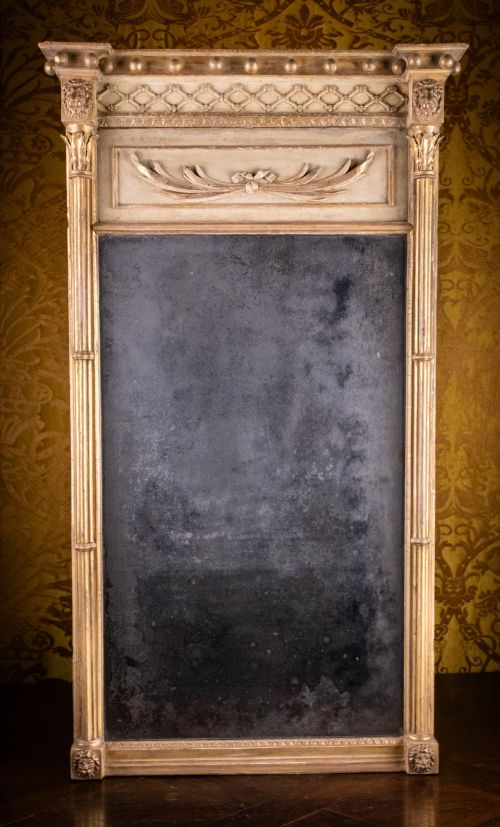
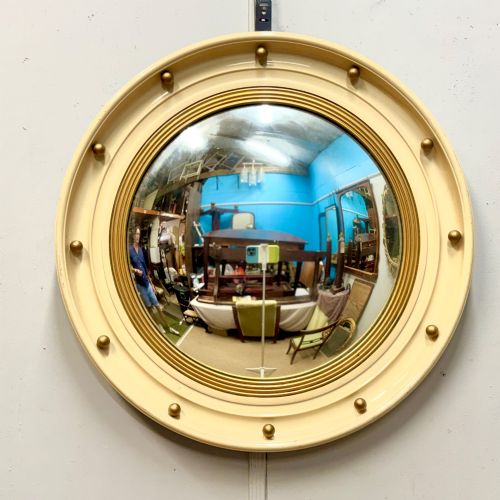
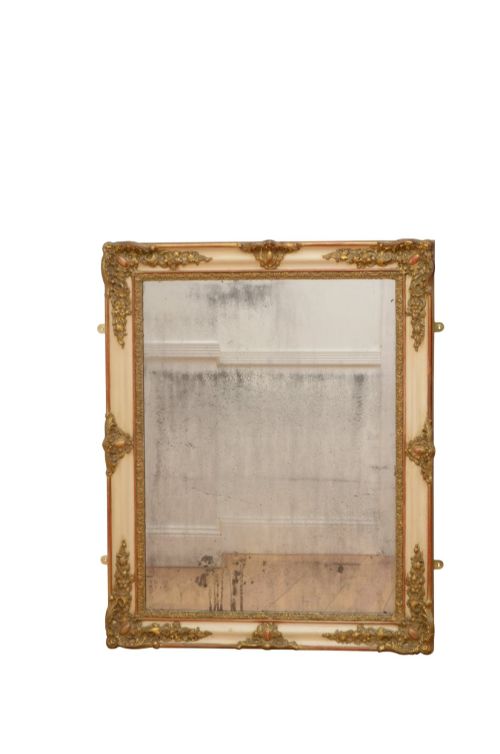
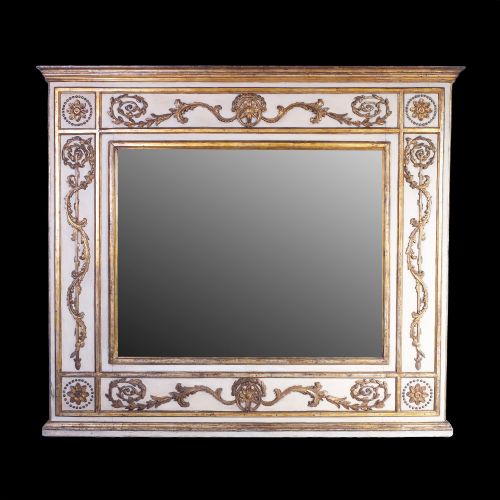
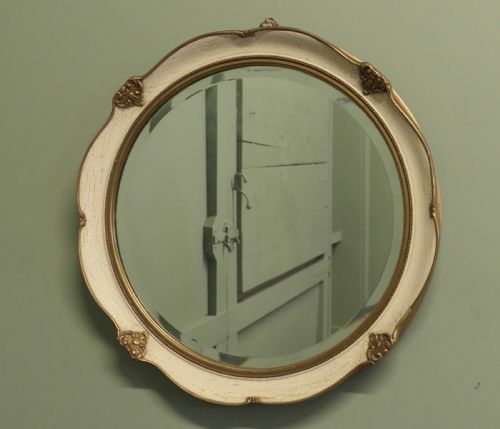
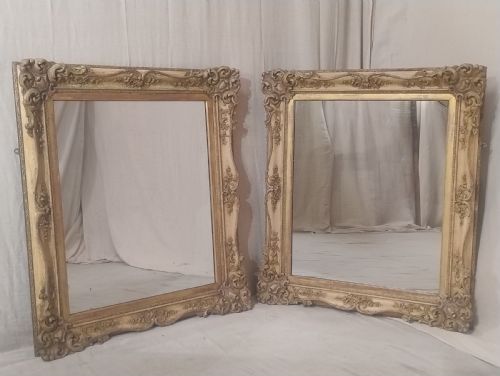
A cream and gold mirror brings warmth and light into a room through pale painted wooden frames and gilded highlights.
Cream and Gold Mirror
A cream and gold mirror combines painted wooden surfaces with gilt decoration, creating a balanced decorative scheme that suits period interiors. Buyers seek these pieces to anchor a room, often hanging them above mantelpieces or console tables to reflect natural light.
The selections available here lean heavily towards nineteenth-century examples, alongside pieces from the Regency period up through the nineteen-twenties and nineteen-thirties. Overmantel mirrors and tall pier mirrors dominate the forms, alongside round wall mirrors and trumeau designs.
French and English origins shape the aesthetic, spanning styles from Regency and Victorian to Rococo Revival and Art Deco. These variations mean a buyer might find a restrained classical frame or an ornate arched overmantel decorated with carved details.
Materials and construction methods
Frames are constructed primarily from wood, which receives layers of paint and gesso to form a smooth base for decoration. Gesso allows artisans to mould intricate surface ornament before applying gold leaf or parcel gilt finishes.
Giltwood elements and painted surfaces interact to catch the light, while mirror glass provides the reflective plate. Older pieces frequently house original mercury or float glass plates that show age through minor foxing and soft oxidation.
Cream and Gold Mirror Retail Price Guide 2026
Typical asking prices for cream and gold mirror among the pieces listed under this phrase on Sellingantiques today, from the lower quarter to the upper quarter. They describe what is for sale here now, not the wider market.
Listings feature frames finished in painted wood, gesso, and gold leaf, spanning the nineteenth century through the nineteen-thirties.
Factors determining quality
Quality rests in the crispness of the gesso moulding and the depth of the gilding applied to the wooden frame. Hand-carved details and balanced proportions distinguish superior examples from simpler decorative pieces.
The preservation of the original painted surface and gold leaf determines the integrity of an antique mirror. Subtle wear to the gilding and natural ageing of the mirror plate demonstrate authenticity without diminishing the visual impact of the frame.
The Cream and Gold Mirror Glossary
- Gesso
- A plaster mixture applied to wood frames to create a smooth surface for gilding or painting. This material permits fine relief work and decorative moulding.
- Giltwood
- Timber that has been coated with gold leaf or a gold-coloured metallic finish. It forms the lustrous highlights on many antique frames.
- Trumeau
- A decorative wall mirror, often incorporating a painted panel or artwork above the glass plate. These tall mirrors typically hung between windows in period reception rooms.
- Overmantel mirror
- A large mirror designed specifically to sit directly above a fireplace mantel. These horizontal formats often echo the proportions of the hearth below.
- Pier mirror
- A tall vertical glass made to hang on the wall space between two windows. They amplify light in smaller architectural spaces.
Cream and Gold Mirror: Frequently Asked Questions
Where should I hang an overmantel mirror?
An overmantel mirror traditionally hangs centrally above a fireplace mantelpiece, where it reflects the room and anchors the wall space.
Ensure the fixings securely support the weight of the wooden frame and glass plate against the wall.
How do I date a French trumeau mirror?
Dating relies on the joinery, the style of the painted panel, and the composition of the gesso ornament.
Nineteenth-century examples often display Rococo Revival curves or Neoclassical symmetry alongside hand-applied gold leaf.
What is parcel gilding?
Parcel gilding is a technique where only specific portions of a wooden frame receive gold leaf, leaving the rest painted.
This method highlights carved details like lion masks or floral motifs against a cream painted background.
Can I clean antique mirror glass?
Cleaning requires a soft dry cloth to remove dust without disturbing the aged surface of the plate.
Avoid harsh chemical sprays that might seep behind the frame and damage the original backing or silvering.