


Country House Mirror
A country house mirror brings scale and history to a room, offering substantial glass framed in mahogany, walnut, or gilded wood.
What these pieces are
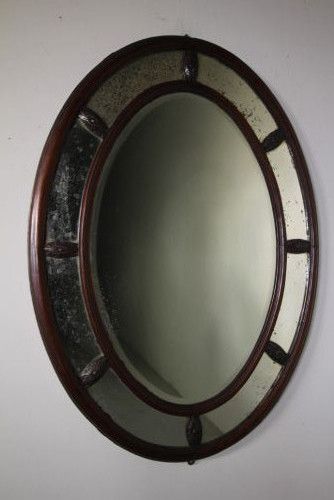
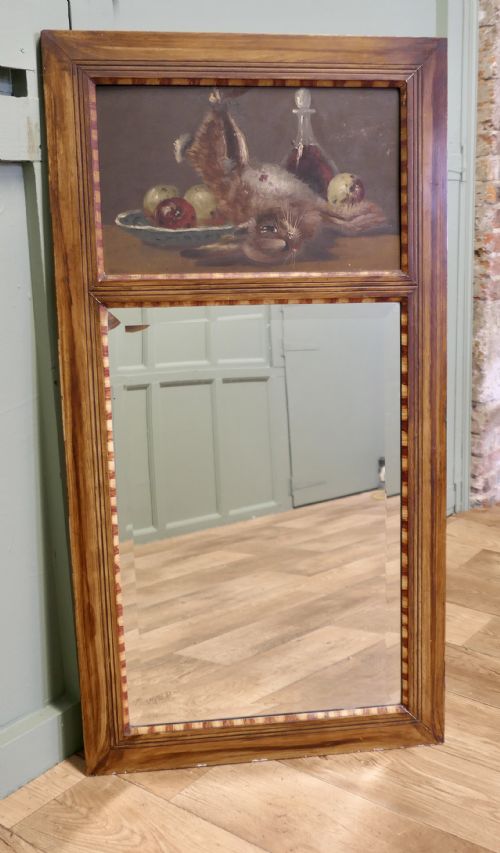
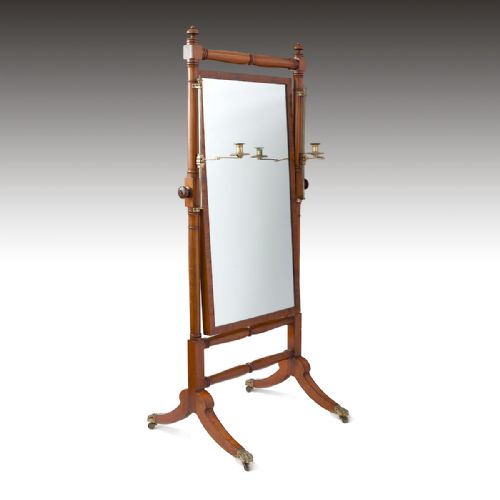
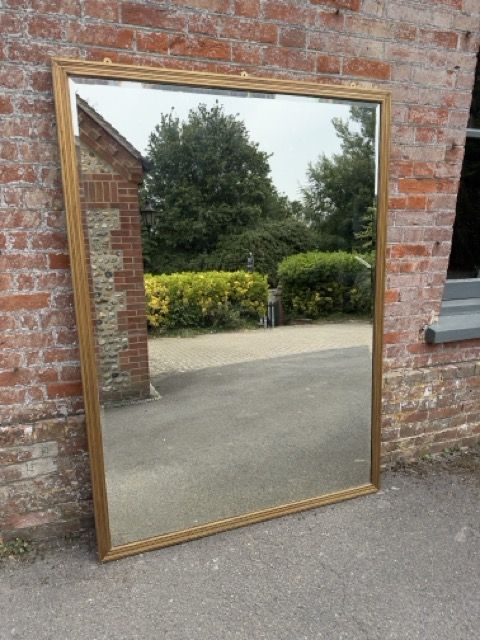
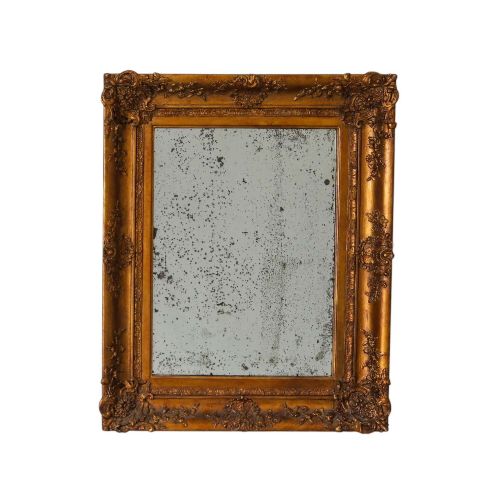
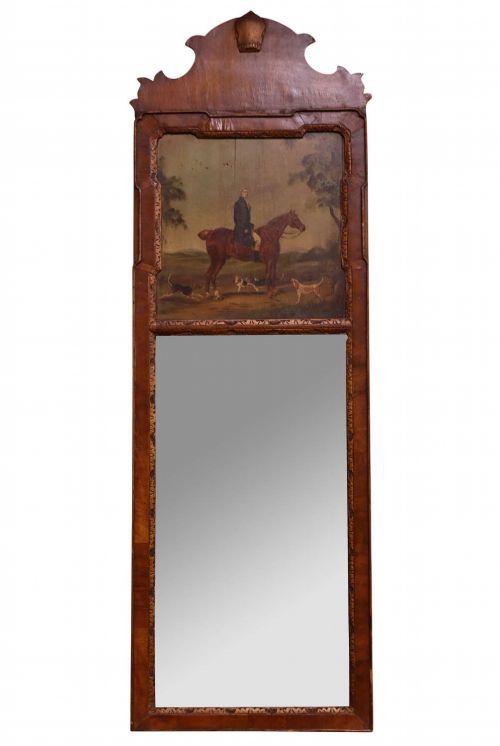
A country house mirror represents the grand scale of domestic interiors from the Georgian, Regency, and Victorian periods. These pieces include monumental overmantel mirrors designed to sit above a fireplace, tall cheval mirrors for dressing, and broad wall mirrors hung in reception rooms.
The versions most commonly met on this page span the nineteenth century, encompassing classical proportions, gilded surfaces, and rich timber frames. Makers built these mirrors to anchor large wall spaces and reflect light deep into sprawling rooms.
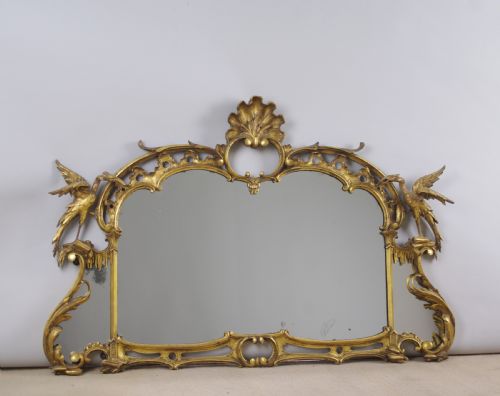
Forms range from simple oval wall hangings to massive carved wood and gesso overmantels, reflecting the shifting tastes of nineteenth-century classical, neoclassical, and rococo revival styles.
How they were made
Frames rely on solid timbers such as mahogany and walnut, often enhanced with carved gesso, composition ornaments, and delicate brass details. Craftsmen shaped these woods to form sweeping curves, rectangular proportions, and shaped tops.
Gilding techniques involved applying thin layers of gold leaf over water or oil bases, creating the luminous surfaces seen on Regency and nineteenth-century giltwood pieces. Mirror glass was set within these heavy frames, sometimes backed by traditional pine or secondary woods.
Retail Price Guide 2026
Typical UK retail prices for country house mirror, calculated from the Sellingantiques database of over a million retail prices indexed since 2003. This retail price guide relies exclusively on Sellingantiques data; no external sources or auction records are used, so the figures do not describe the wider market.
Some nineteenth-century dressing mirrors included hidden compartments behind the glass for stashing secret love letters.
What varies in quality
Quality rests in the crispness of the carving and the depth of the gilding, where hand-tooled gesso outperforms moulded composition ornaments. Timber selection also dictates the tier, with figured mahogany and burr walnut holding greater visual weight than plain painted pine.
Proportion and scale define the upper tier of these mirrors, particularly in large overmantels and cheval frames that maintain architectural harmony. The integration of original mirror glass and secondary framing timbers preserves the integrity of the piece.
Gillow
The Country House Mirror Glossary
- Overmantel mirror
- A large mirror specifically designed to be positioned on the wall directly above a fireplace mantelpiece. These typically feature wide horizontal proportions to match the width of the hearth below.
- Cheval mirror
- A freestanding full-length dressing mirror mounted on a vertical frame with pivoting pivots. This allows the glass to tilt to various angles.
- Giltwood
- Timber that has been coated with a thin layer of gold leaf. This finish was widely used on decorative frames throughout the Regency and Victorian eras.
- Composition
- A moulded mixture of whiting, resin, glue, and linseed oil pressed into decorative relief ornaments. It was applied to wooden frames before gilding.
- Gesso
- A plaster-like mixture applied to wood surfaces to create a smooth base for carving or gilding. It allows for sharp, intricate details on ornate frames.
Frequently Asked Questions
Where should I hang a large overmantel mirror?
An overmantel mirror traditionally anchors the space above a fireplace, reflecting light and creating a focal point in a principal room. Hanging one requires secure fixings into solid masonry or studwork due to the considerable weight of the timber and glass.
Positioning the glass at the correct height ensures it captures views of the room rather than the ceiling. These large mirrors also work effectively on expansive blank walls in hallways and drawing rooms.
How do I identify a Regency period mirror?
Regency mirrors often display classical restraint, incorporating architectural elements like reeded columns, ball-studded frames, and giltwood finishes. The influence of neoclassical design appears through motifs such as acanthus leaves, urns, and convex or pier glass formats.
Examining the construction methods, backboards, and type of gilding helps confirm the early nineteenth-century origins of these pieces.
What is the difference between a cheval mirror and a wall mirror?
A cheval mirror stands independently on its own floor frame, allowing the user to adjust the angle of the glass for full-length viewing. These were traditionally used in bedrooms and dressing rooms for attire.
Wall mirrors are fixed permanently to vertical surfaces, serving decorative and light-enhancing purposes across various rooms rather than functional dressing.
How do I care for antique gilded frames?
Gilded surfaces require gentle dusting with a soft, dry brush to prevent the delicate gold leaf from lifting or wearing away. Moisture and harsh cleaning agents must be avoided entirely, as they damage the underlying gesso and preparation layers.
Placing the mirror away from direct sunlight and damp environments preserves the stability of both the wood and the historic finish.