



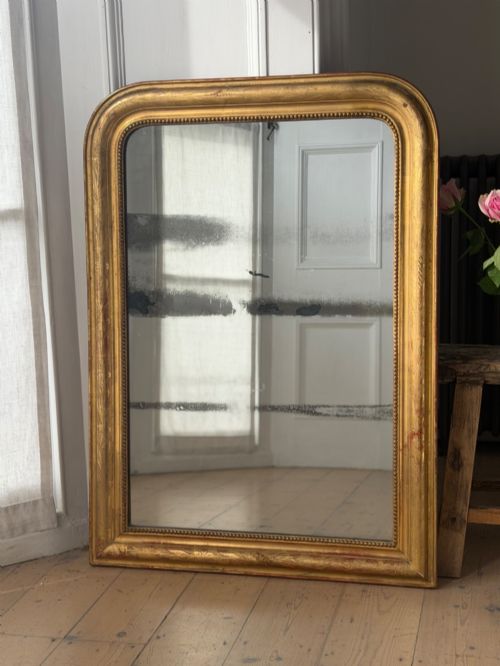
Antique Arch Mirror
An antique arch mirror brings height and a curved focal point to a room, channelling nineteenth-century grandeur into modern spaces.
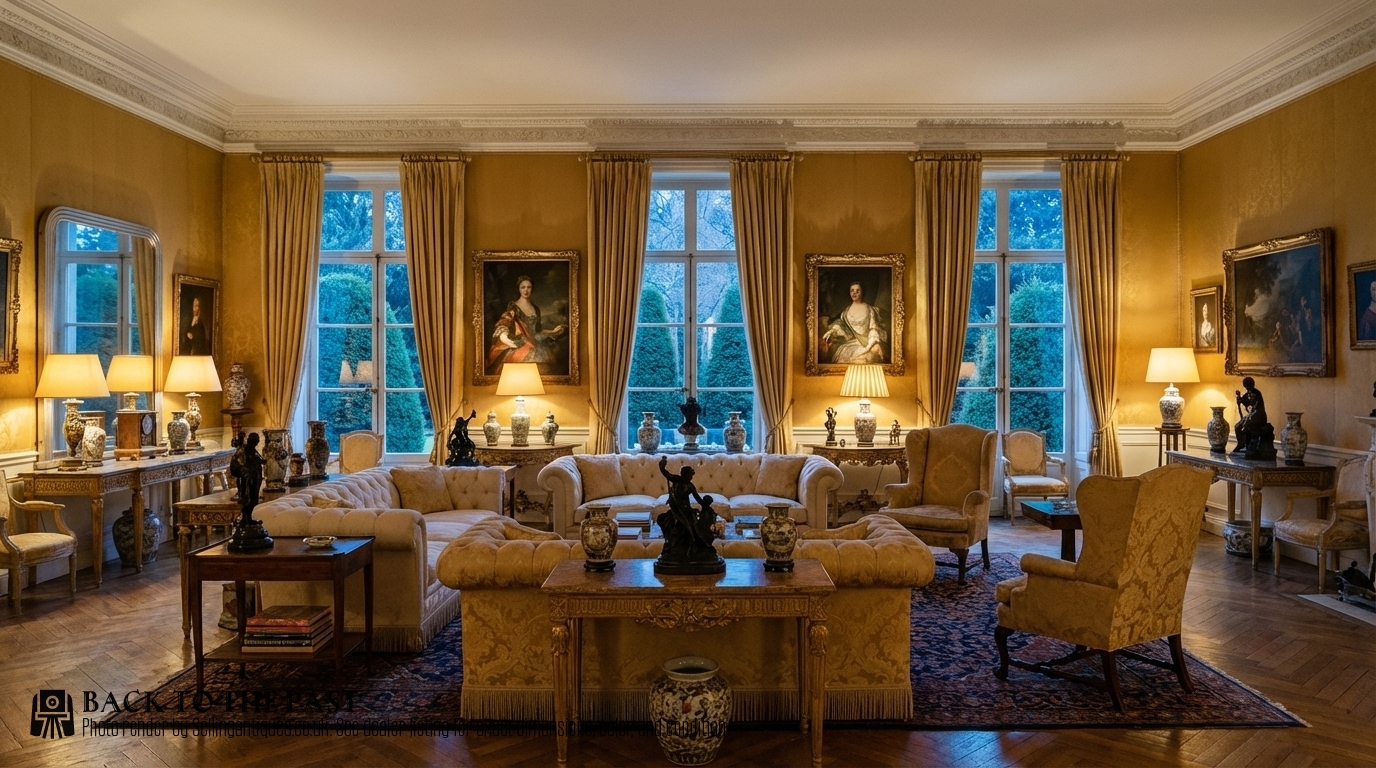
Antique Arch Mirror
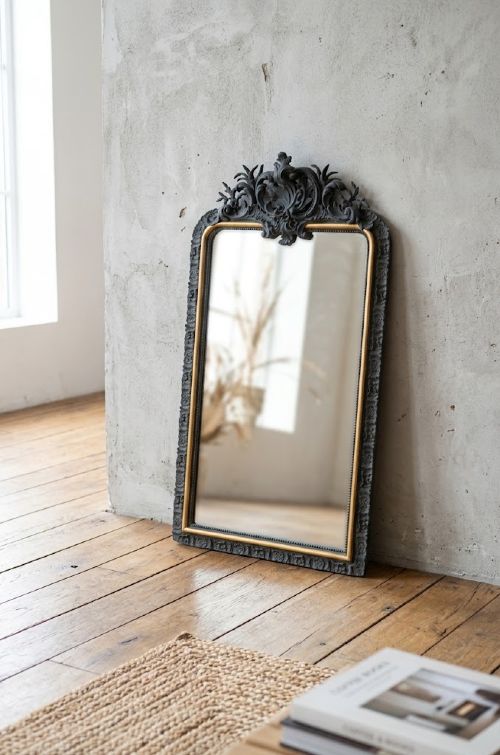
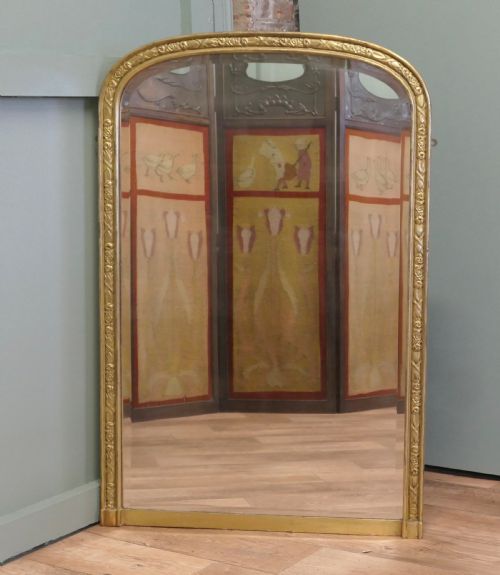
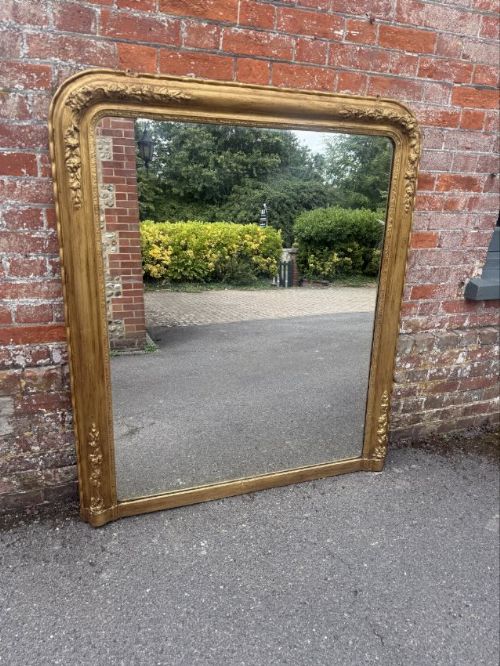
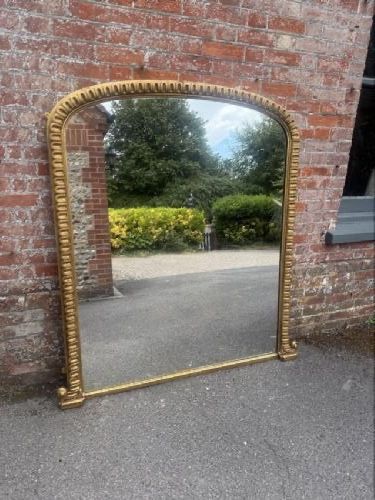
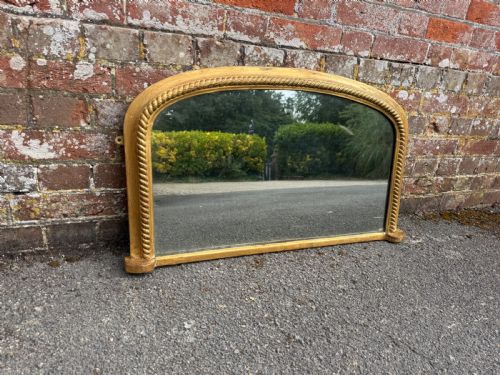
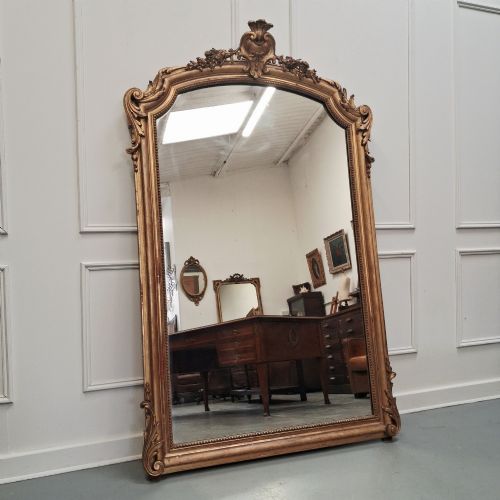
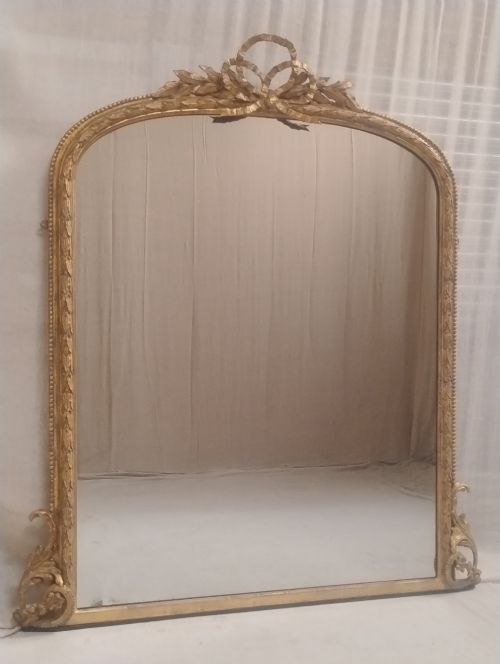
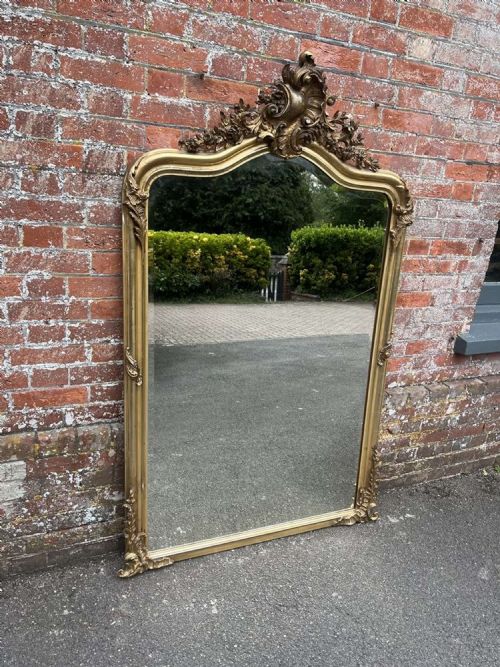
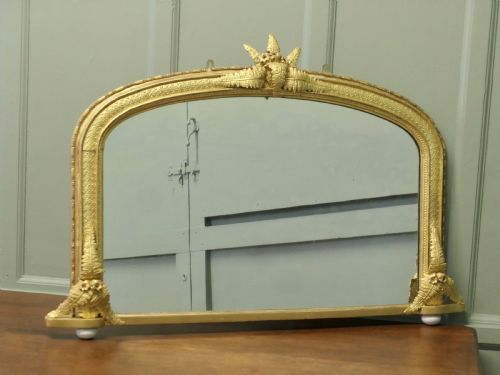
An antique arch mirror serves primarily as an overmantel piece designed to sit above a fireplace, though wall-mounted and pier variations also appear across the inventory. These large vertical formats expand perceived space and reflect light effectively within a room.
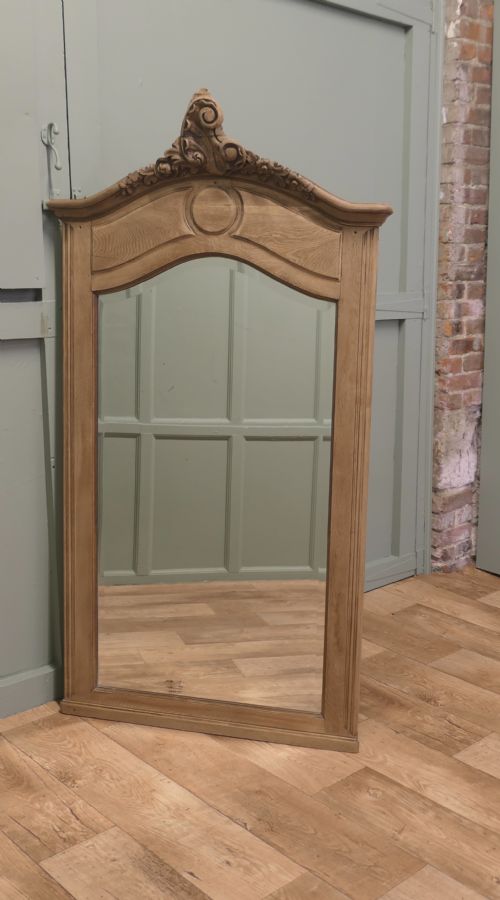
The pieces on this page stem predominantly from the nineteenth century, including Victorian examples alongside French provincial and Louis Philippe styles. Makers often shaped the wooden frames with arched, rounded, or crested tops to soften rigid interior angles.
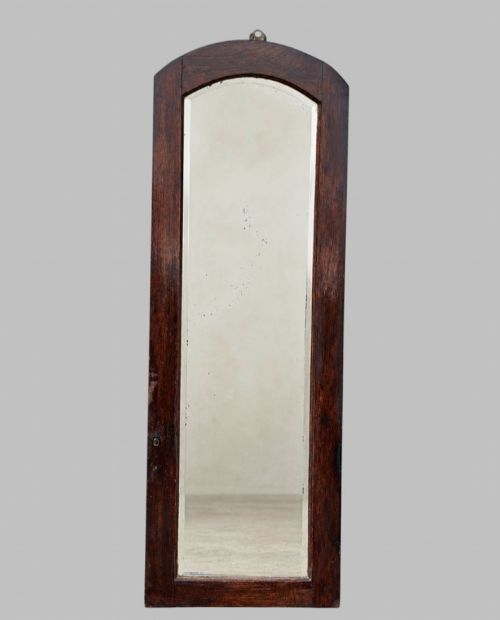
Beyond grand overmantels, the selection encompasses cheval mirrors, dressing table mirrors, and occasional oak or walnut wall units. Each form retains the defining curved header that characterises the search phrase.
How they were made
Craftsmen built the structural foundations of these frames using carved timber such as oak, walnut, or pine. They then applied layers of gesso - a mixture of plaster and glue - onto the wood to build up relief details like rope twists, tulip motifs, or ribbed framing.
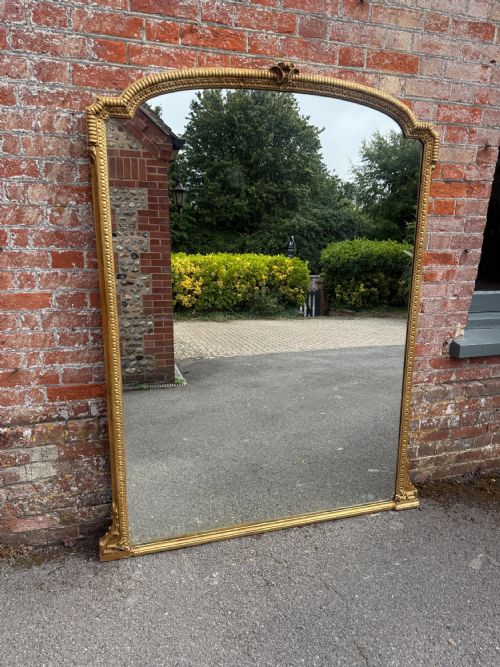
Makers finished the decorated surfaces by applying thin sheets of gold leaf or giltwood, or by painting the wood in muted tones. The reflective glass panels were set securely into the rebates, frequently featuring bevelled edges or showing age through foxed mercury spots.
Antique Arch Mirror Retail Price Guide 2026
Typical asking prices for arch mirror among the pieces listed under this phrase on Sellingantiques today, from the lower quarter to the upper quarter. They describe what is for sale here now, not the wider market.
Listings feature eighteenth-century and nineteenth-century pieces, spanning the Georgian, Victorian, and French Louis Philippe periods.
What varies in quality
The depth and crispness of the carved gesso relief separate standard mouldings from superior decorative work. Pierced crestings and hand-modelled botanical or rope motifs indicate higher workshop standards during the nineteenth century.
The preservation of original gilding and the clarity or character of the mirror glass determine the overall integrity of a piece. Retaining the authentic backboards and untouched surface finishes distinguishes well-preserved examples from heavily restored ones.
Heal And Sons
The Antique Arch Mirror Glossary
- Gesso
- A prepared plaster mixture applied to wood frames to create a smooth surface for gilding or deep relief carving. Artisans moulded this paste into intricate botanical or geometric patterns before applying gold leaf.
- Overmantel
- A large mirror specifically proportioned to hang on the wall directly above a fireplace mantelpiece. These fixtures often feature low horizontal bases and tall arched crowns.
- Pier glass
- A tall, narrow mirror designed to hang on the wall space between two windows. They frequently match console tables and amplify natural light in nineteenth-century reception rooms.
- Giltwood
- Timber that has been coated with a thin layer of gold leaf or gold paint. This technique gives the carved frame a luminous metallic finish.
- Foxing
- Age-related spots and discolouration within the silvering of antique mirror glass. This chemical oxidation causes charming dark speckles that confirm the glass is of considerable age.
- Cheval mirror
- A freestanding full-length mirror mounted in a frame that allows the glass to tilt back and forth. These pieces typically rest on four supportive legs or feet.
Antique Arch Mirror: Frequently Asked Questions
Where should an arch mirror be hung?
These mirrors find their traditional home above a fireplace mantelpiece, where their curved top draws the eye upward and balances the hearth below. They also function successfully on large feature walls in hallways or living rooms to reflect natural light.
When hanging a heavy nineteenth-century piece, secure the frame directly into wall studs using appropriate fixings to support the considerable weight of the wood and glass.
How do I identify a Victorian arch mirror?
Victorian examples often feature substantial carved wood and gesso frames with prominent architectural arches, crests, or rope-twist mouldings. They typically date from the mid-to-late nineteenth century and frequently present original gilt finishes.
Examining the construction of the timber backing boards and the type of mirror glass helps confirm the period of manufacture.
What is mercury glass?
Older mirrors often utilise a backing created with a silver and mercury amalgam rather than modern aluminium or chemical coatings. This older method produces a softer, deeper reflection with characteristic dark foxing spots.
The presence of foxed mercury glass is a strong indicator of age, pointing towards early nineteenth-century or eighteenth-century production.
Can these mirrors stand on the floor?
While most overmantel mirrors are designed to be hung securely on a wall, large examples are frequently rested safely on the floor and leaned against a wall. This leaning method creates a relaxed, grand aesthetic favoured in contemporary interior styling.
Ensure the base is protected and the frame is anchored at the top to prevent accidental tipping.