


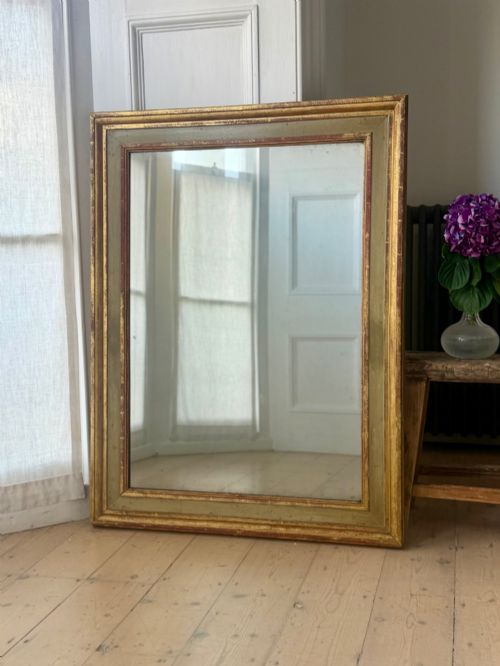
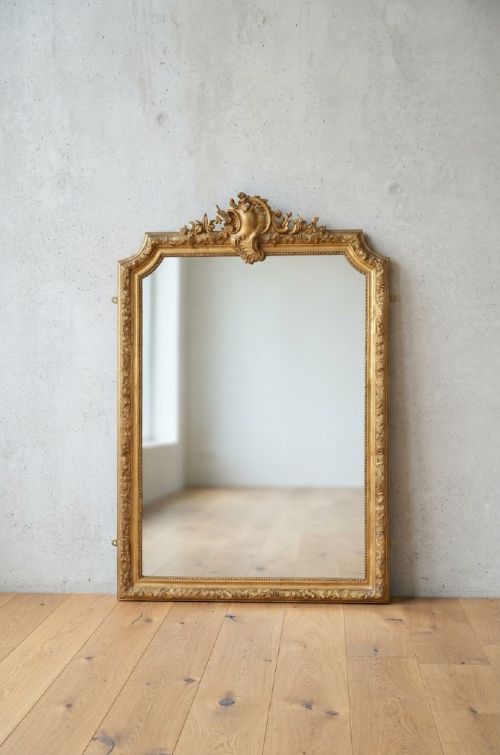
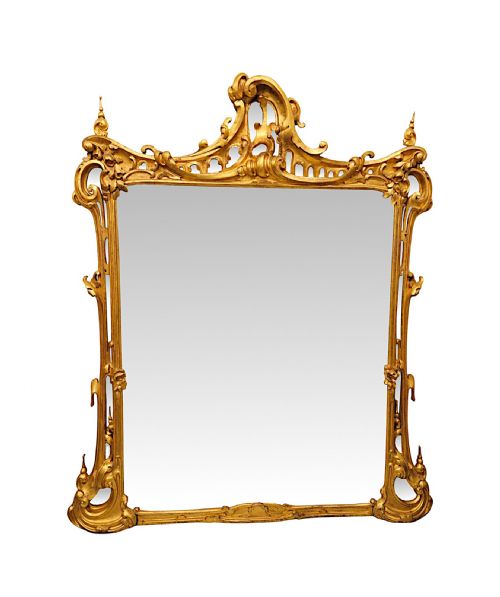
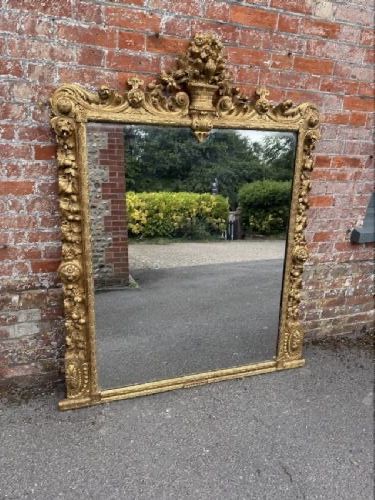
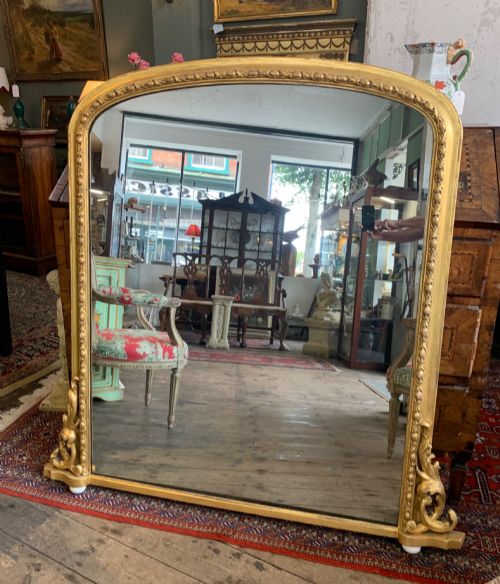
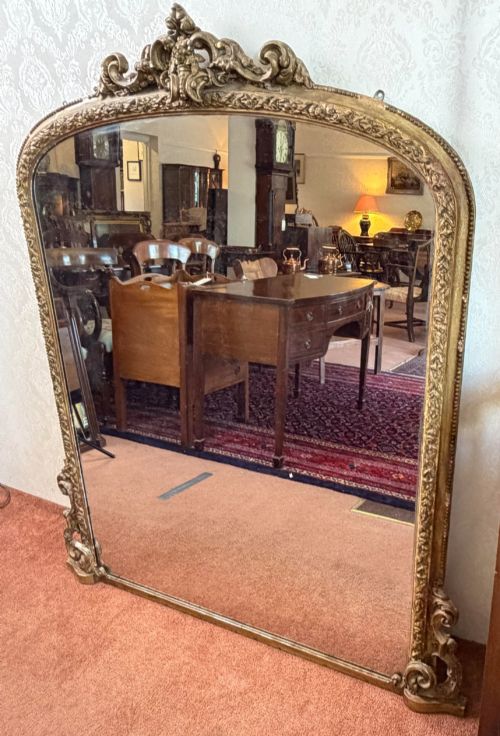
Giltwood Mantel Mirror
A giltwood mantel mirror brings scale and reflected light to a room, anchoring a chimney breast with period presence.
What these mirrors are
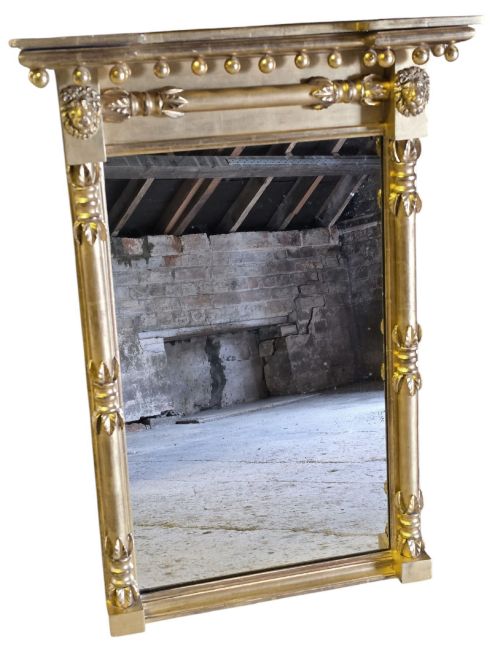
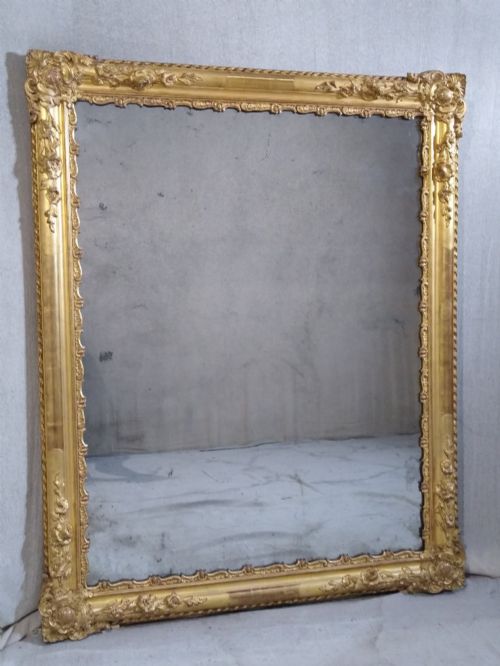
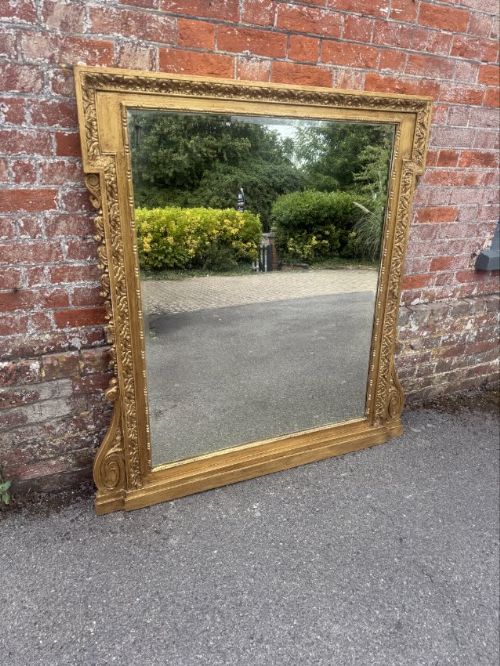
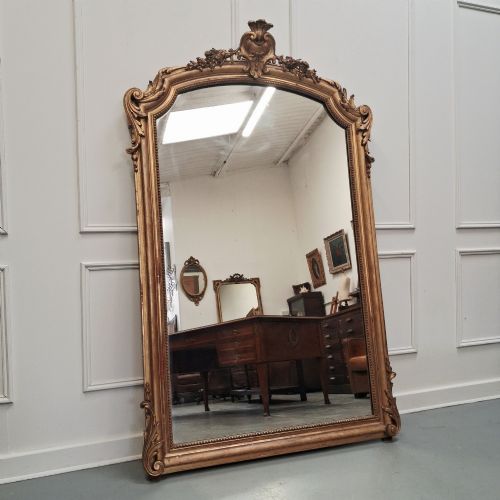
A giltwood mantel mirror is a large wall-hanging looking glass designed to sit above a fireplace, forming a focal point in a reception room. These pieces appear in styles spanning the Regency, William IV, and Victorian periods, often taking grand proportions to suit high ceilings.
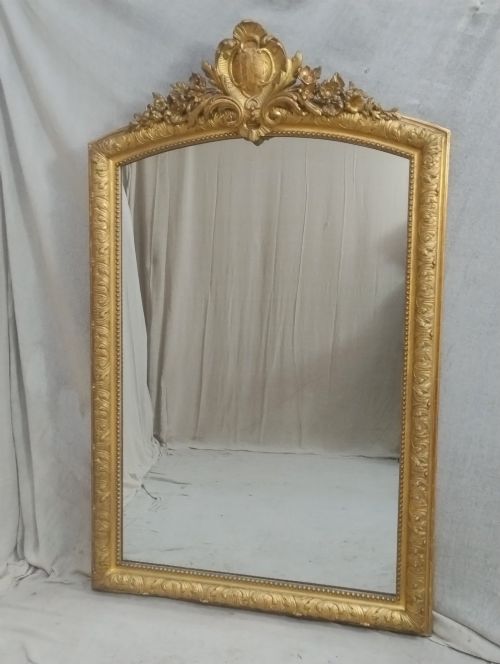
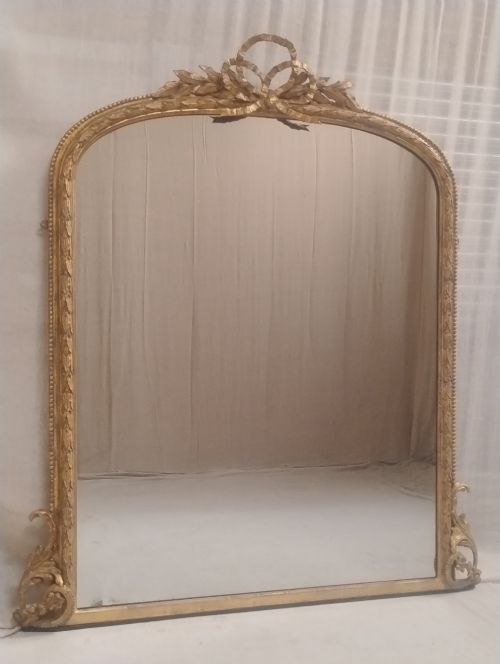
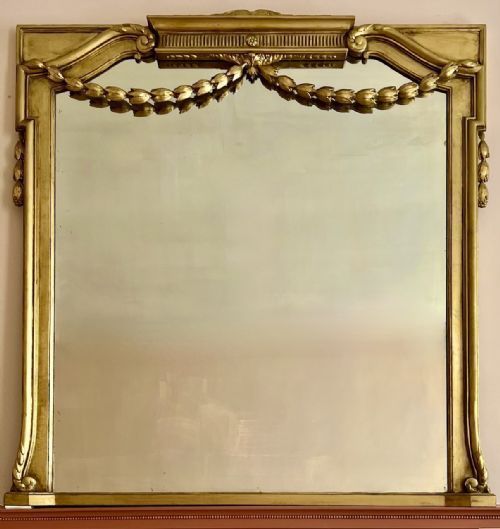
The version most frequently met on this page is the nineteenth century overmantel mirror, typically constructed to fill the space directly above the mantelpiece. They arrive in rectangular, arched top, and triptych formats, reflecting domestic interior tastes from eighteen hundred onwards.
Makers and craftsmen of the past produced these looking glasses using carved wood, gesso, and gold leaf, frequently incorporating multiple mirror plates. Their designs draw upon neoclassical, French revival, and local English traditions to complement period architecture.
Materials and construction
Makers built the foundational frames of these mirrors using timber such as pine, walnut, or carved wood, overlaid with a layer of gesso to receive intricate surface ornamentation. Artisans then applied gold leaf to the prepared surfaces, creating the characteristic gilt finish.
The heavy frames hold original or replacement mirror glass, sometimes divided into triple plate configurations or shaped into arched pediments. Carved details and decorative mouldings were applied by hand before gilding, uniting structure and ornamentation.
Retail Price Guide 2026
Typical UK retail prices for giltwood mantel mirror, calculated from the Sellingantiques database of over a million retail prices indexed since 2003. This retail price guide relies exclusively on Sellingantiques data; no external sources or auction records are used, so the figures do not describe the wider market.
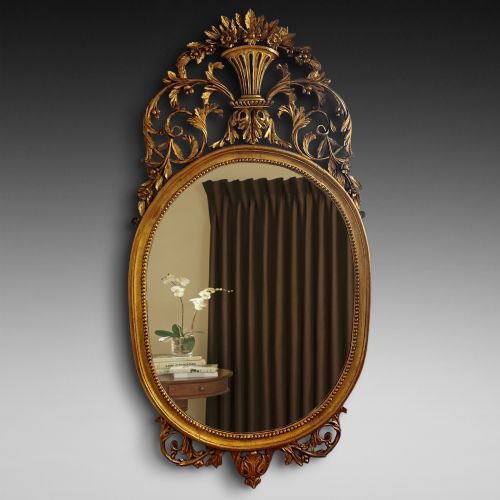
Styles span Victorian, William IV, Grand Regency, and French Chateau aesthetics.
Distinctions in quality
The standard of a giltwood mantel mirror rests upon the depth and crispness of the carved wood and gesso ornamentation. Finer examples display sharp, hand-tooled decorative pediments and robust joinery that sustains the considerable weight of the frame.
The integrity of the gilding and the preservation of the original mirror plate further define the grade of the piece. Superior craftsmanship reveals harmonious proportions between the frame and the glass, without heavy distortion in the reflection.
E James Bruton Road London
The Giltwood Mantel Mirror Glossary
- Giltwood
- Wood covered with a thin layer of gold leaf. This material defines the bright, reflective surface characteristic of these antique frames.
- Gesso
- A plaster mixture applied to wood frames as a base for gilding. It allows artisans to carve intricate relief decoration.
- Overmantel
- A large mirror or painting designed to hang above a mantelpiece. These pieces dominate the fireplace wall in period interiors.
- Triptych
- A mirror divided into three distinct panels or plates. This format was popular during the Regency period to widen reflected light.
Frequently Asked Questions
How do I hang a heavy overmantel mirror?
These large mirrors require secure wall fixings anchored directly into masonry or substantial timber studs behind the plaster. Because of their significant weight, professional installation using appropriate brackets is standard practice.
Position the base of the frame to rest securely on the mantelpiece itself, which relieves some suspension strain while keeping the glass stable against the wall.
Were these mirrors made for fireplaces?
Yes, overmantel mirrors were specifically proportioned to fill the wide, empty wall space above a fireplace mantel. Their horizontal or tall arched formats were designed to bounce hearth light around nineteenth century reception rooms.
They served both a decorative and a practical purpose, brightening dark parlours before the advent of electric lighting.
How do I tell Victorian from Regency mirrors?
Regency and William IV mirrors often display bold neoclassical motifs, ebonised details, and triptych plate divisions dating from the early decades of the nineteenth century. Victorian examples tend towards heavier proportions, elaborate cartouche shapes, and arched pediments.
Examining the construction methods on the reverse of the frame helps clarify the period of manufacture.