
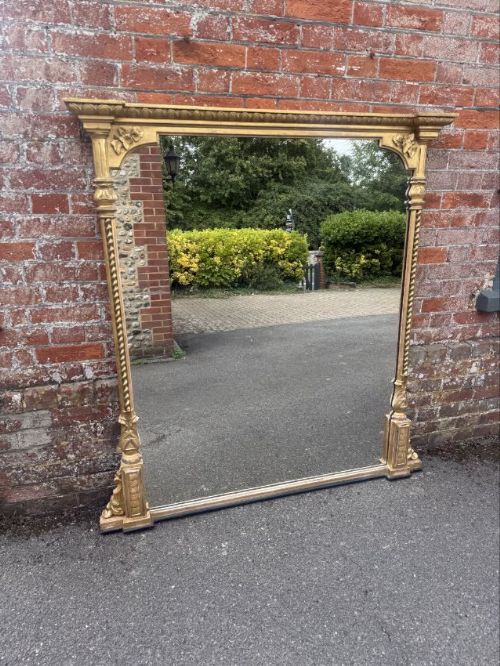
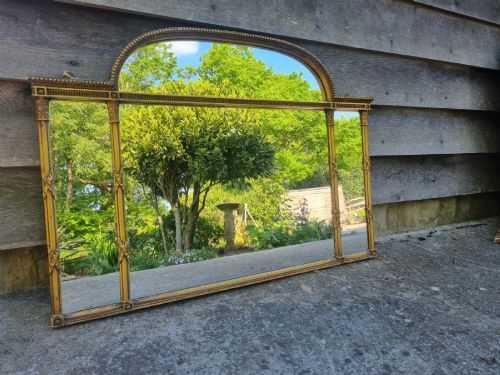
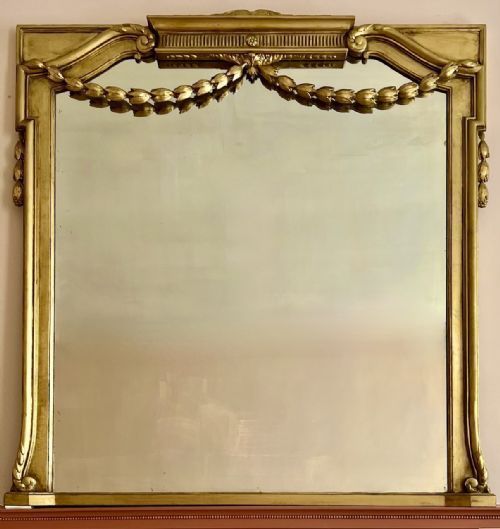
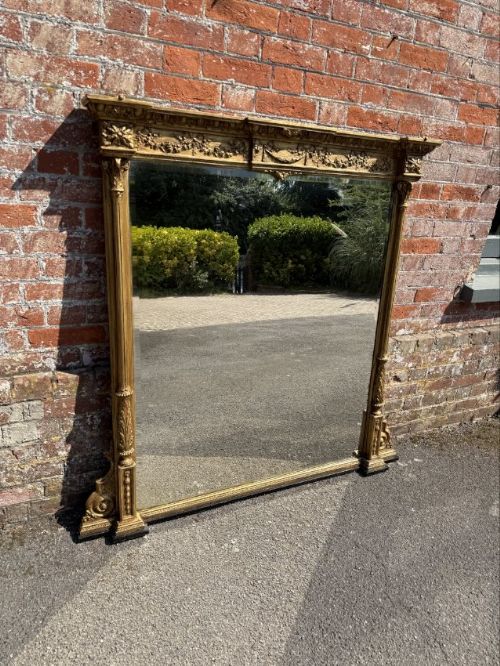


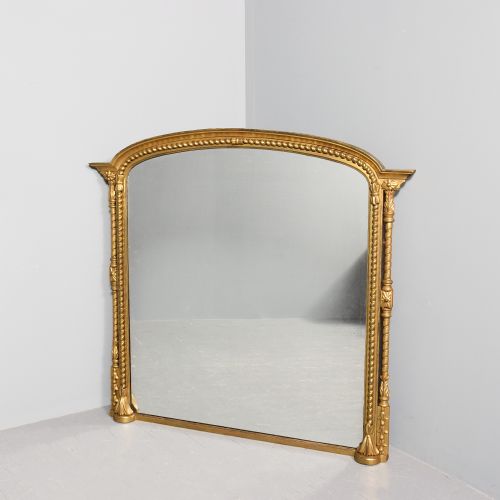
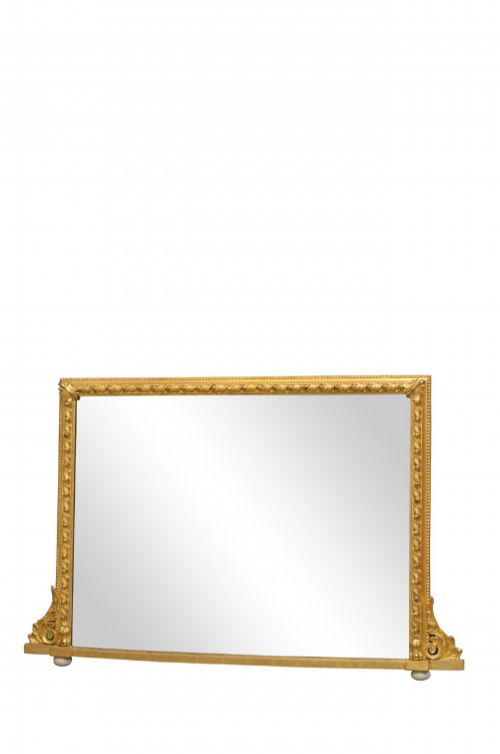
Regency Fireplace Mirror
A regency fireplace mirror brings dramatic architectural scale and bright reflection to a room, which is why collectors seek out these striking overmantel mirrors.
What They Are
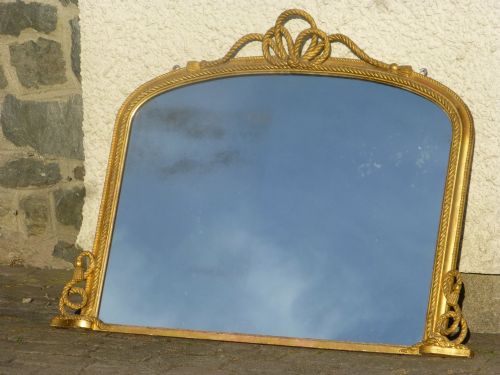
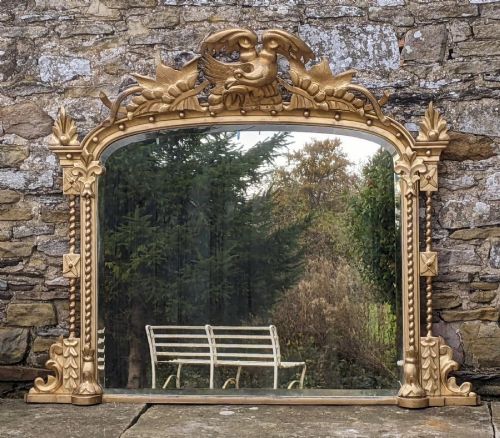
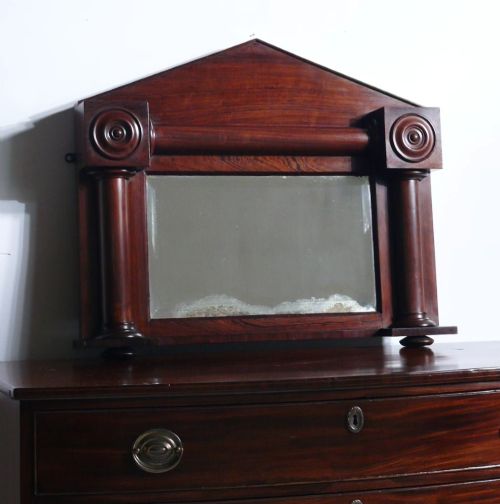
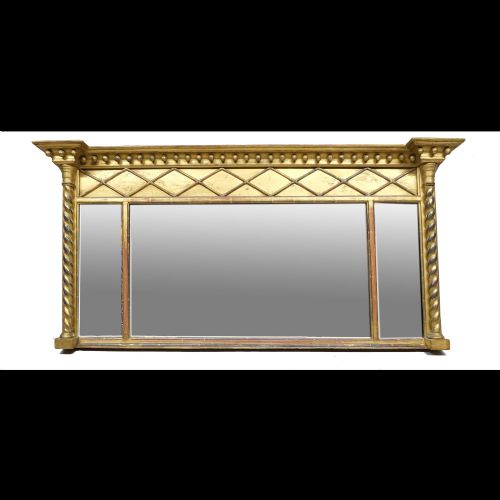
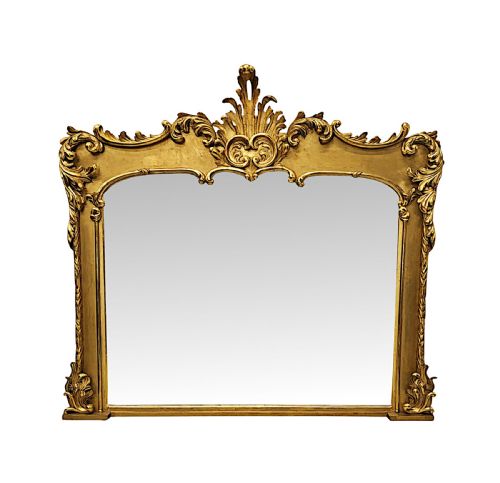
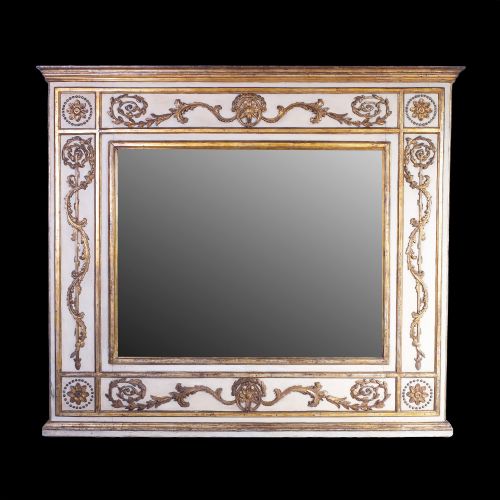
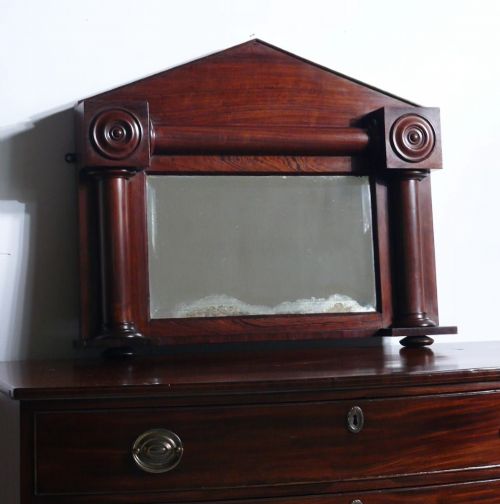
When you search for a regency fireplace mirror, you are looking at overmantel mirrors designed to sit above a mantelpiece. These pieces originate from the Regency and 19th Century periods, encompassing the Grand Regency and Neoclassical styles.
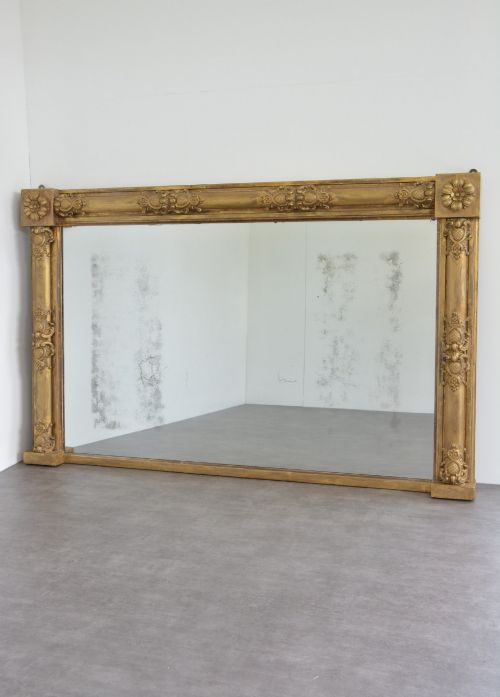
The versions most likely to meet you on this page are rectangular overmantel mirror forms. They reflect the classical design vocabulary of their era.
Makers of the time constructed these large looking glasses specifically for domestic interiors. Their primary purpose was to amplify light and space in principal rooms.
How They Were Made
Artisans built the structural carcasses of these mirrors using pine as a primary timber base. They then applied layers of gesso and composition or plaster to form intricate surface ornaments.
Craftsmen finished the frames with gilding, creating a brilliant gold leaf or gilt surface. Original glass mirror plates complete each piece.
Retail Price Guide 2026
Typical UK retail prices for regency fireplace mirror, calculated from the Sellingantiques database of over a million retail prices indexed since 2003. This retail price guide relies exclusively on Sellingantiques data; no external sources or auction records are used, so the figures do not describe the wider market.
Pine frames secretly hid layers of chalk and glue beneath their gold, proving beauty is literally only skin deep.
What Varies in Quality
The refinement of the gesso and composition moulding dictates the visual crispness of the Neoclassical ornamentation. Finer examples display sharp, deeply undercut details rather than soft, indistinct relief.
The quality of the original gilding and the depth of the underlying pine frame separate standard pieces from the most accomplished works. Additionally, the character and preservation of the mirror plate itself influence the overall presence of the glass.
The Regency Fireplace Mirror Glossary
- Giltwood
- Wood that has been coated with thin gold leaf or gold powder. This finish gives the frame its characteristic luminous metallic sheen.
- Gesso
- A plaster mixture used as a base for paint or gilding on wood. Craftsmen apply it smoothly before carving or pressing ornamentation.
- Overmantel mirror
- A large looking glass designed to hang specifically above a fireplace mantel. These mirrors often stretch horizontally to match the width of the hearth.
- Neoclassical
- A style inspired by the classical art and architecture of ancient Greece and Rome. It emphasises symmetry, straight lines and classical motifs.
Frequently Asked Questions
How do I hang a heavy mirror?
These large overmantel frames require secure wall fixings distributed evenly across the pine carcass. Professional installation is strongly recommended to support the substantial weight safely.
Ensure the fixings anchor directly into solid masonry or substantial wall studs rather than surface plaster alone.
Are the mirror plates original?
Many surviving pieces retain their early mirror plates, which often show characteristic foxing, minor pitting or soft oxidation. These subtle age marks confirm historical authenticity.
Replacements do occur over long spans of time, so inspecting the silvering and glass depth helps determine its age.
What is the difference between Regency and later 19th-century styles?
Authentic Regency pieces embody the strict classical restraint and proportion popular during the early decades of the nineteenth century. Later nineteenth-century interpretations often revive these forms with heavier proportions or slightly different decorative flourishes.
Examining the construction methods and material composition helps distinguish the earlier period from subsequent revivals.